

(DISCLAIMER: I am not a doctor, and you should consult your healthcare professional before starting any health regimen. Product links are commissioned and supports the blog)

A cluster of white tuberose flowers can perfume an entire room after dusk. Their scent is creamy, sweet, and almost buttery, with a heady floral depth that lingers on skin and fabric.
Many people search for tuberose essential oil expecting a standard distilled oil. However, most authentic products are tuberose absolute, a concentrated aromatic extract, while some low-cost options are diluted fragrance oils. Its strongest role is fragrance and personal ritual, not medical treatment. Still, its lush aroma can make an evening bath, massage, or quiet room feel more comforting.
Key Takeaways About Tuberose Essential Oil
- Tuberose is prized mainly for its rich floral aroma in perfume, body oils, massage blends, and home fragrance.
- Traditional aromatherapy uses include relaxation, mood support, sensuality, and freshening personal-care products.
- Tuberose essential oil benefits are mostly based on fragrance traditions and personal experience, not strong clinical research.
- Authentic tuberose material is often sold as an absolute, which differs from a typical steam-distilled essential oil.
- A fragrance oil may work in soap or room products, but it may not suit aromatherapy or skin application.
- Always dilute aromatic materials before applying them to skin, and never treat them as a cure for health conditions.
Tuberose has a powerful scent. One or two drops can be enough to change the character of a whole blend.
Tuberose Essential Oil Benefits for Mood, Relaxation, and Skin
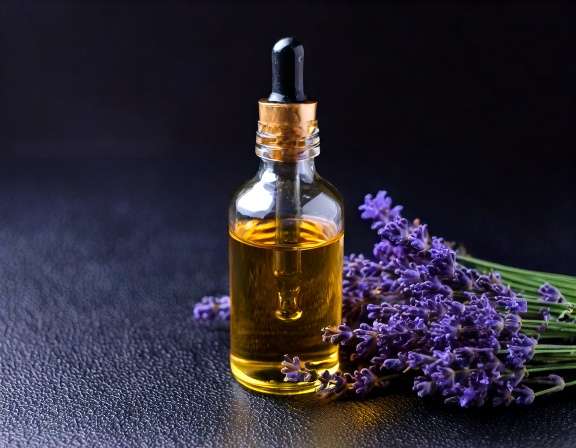
The most realistic tuberose essential oil benefits come from scent itself. Fragrance can shape the atmosphere around a routine, much like soft lighting or clean sheets. Tuberose has a dense floral character, so it often works best in tiny amounts with lighter oils such as lavender, bergamot, or rose.
Aromatherapy can support a pleasant state of mind, but it doesn’t replace medical care. Tuberose should not be used as a treatment for anxiety, depression, insomnia, pain, asthma, inflammation, or any other health condition.
A calming aroma for stress and emotional tension
Tuberose essential oil can make a room feel slower and more intimate. Its warm floral notes suit evening stretching, journaling, meditation, or a bath after a demanding day. Some people find the scent soothing because it encourages them to pause and breathe more intentionally.
However, scent preferences are personal. A fragrance that feels luxurious to one person can feel overpowering to another. Start with a low amount, especially in a small bedroom or enclosed bathroom.
If stress feels persistent or affects sleep, work, or relationships, aromatherapy is only one small comfort tool. Mental health care and prescribed treatment deserve priority when they are needed.
A mood-lifting and sensual floral fragrance
Tuberose has a long history in fine perfumery. It appears in famous white-floral fragrances such as Fracas by Robert Piguet, Carnal Flower by Frederic Malle, and Do Son by Diptyque. Perfumers value it because the aroma feels full-bodied and lasts for hours.
That rich profile explains why tuberose is often linked with confidence, romance, and emotional warmth. A small amount in a pulse-point blend can feel more dressed-up than a simple citrus oil.
Claims that it acts as an aphrodisiac are traditional rather than clinically established. Its sensual reputation comes from cultural associations and scent experience, not proof that it changes libido or sexual function.
Possible cosmetic and deodorizing uses
Tuberose works well in body oils, perfume rollers, solid perfumes, and room sprays. Its floral scent can also soften the sharper notes of deodorizing blends, especially when paired with lavender or citrus.
The oil’s cosmetic value is primarily aromatic. It shouldn’t be expected to fade scars, erase wrinkles, heal eczema, or reduce skin inflammation. People with sensitive skin should take extra care because floral extracts and fragrance ingredients can trigger irritation.
For more beginner-friendly scent ideas, explore gentle herbal wellness practices only if the product directions allow the material’s intended use. A patch test and proper dilution matter more than a beautiful label.
How to Use Tuberose Oil Safely at Home
Use tuberose in small amounts. The aroma is naturally intense, and a heavy hand can cause headache, nausea, or scent fatigue. Diffusion, a pre-diluted personal fragrance, and a body oil are practical options for beginners.
For adult body use, a general dilution range is 1 to 2 percent, or about 6 to 12 drops of aromatic material per ounce of carrier oil. Yet you should follow the product label first. A tuberose absolute, a pre-diluted absolute, and a fragrance oil can have very different concentration and safety directions.
Never drink tuberose oil or add it to tea, water, smoothies, or recipes. “Natural” doesn’t mean edible, and aromatic oils can irritate the mouth, throat, stomach, and digestive tract.
Choose the right product before you use it
Read the label before opening the bottle. Look for the botanical name, which may appear as Agave amica or the older name Polianthes tuberosa. The label should also identify the extraction method and list any carrier oil, alcohol, fragrance ingredients, or other additives.
A true tuberose absolute is generally solvent-extracted rather than steam-distilled. Because it is costly and potent, some sellers offer it already diluted in jojoba oil. That can be convenient, but it changes how much you should use.
Fragrance oil is different. It may contain synthetic fragrance ingredients and may be intended only for candles, soap, or room scent. Don’t assume a fragrance oil is safe for the diffuser or skin unless the manufacturer states that use clearly.
Dilute it and test it before applying
Jojoba, sweet almond, and fractionated coconut oil are useful carriers for body blends. Add the aromatic material, close the bottle, and roll it gently between your hands. Then test a tiny amount on your inner forearm.
Wait at least 24 hours before broader use. Stop immediately if you notice burning, itching, rash, headache, nausea, wheezing, or breathing discomfort.
Children, pets, pregnant or breastfeeding people, and those with asthma, allergies, sensitive skin, or regular medications need extra caution. A pharmacist, clinician, or qualified aromatherapy professional can help with individual safety questions.
Three Simple Tuberose Essential Oil Recipes to Try
Tuberose absolute may need gentle warming between your palms before measuring, because it can be thick. If you have a fragrance oil rather than a properly labeled aromatic material, use it only according to its product directions.
Floral pulse-point roll-on
For external use only.
Ingredients
- One clean 10 ml glass roll-on bottle
- 2 drops tuberose absolute labeled for skin use
- 1 drop rose or lavender essential oil
- Jojoba oil, enough to fill the bottle
Add the tuberose and rose or lavender to the empty roll-on bottle. Fill the remaining space with jojoba oil, insert the roller top, and close it tightly. Turn the bottle over a few times to combine the blend.
Patch test before use. If your skin tolerates it, apply a small amount to the wrists or behind the ears. Keep it away from eyes, lips, and irritated skin. This blend is intentionally modest because tuberose can dominate even at low concentration.
Gentle tuberose massage oil
For external use only.
Ingredients
- One 2-ounce dark glass bottle
- 4 drops tuberose absolute labeled for topical use
- 8 drops lavender essential oil
- 2 ounces sweet almond, jojoba, or fractionated coconut oil
Pour the carrier oil into the bottle, then add the tuberose and lavender. Close the cap and tilt the bottle slowly until the aroma disperses through the oil. The 12 total drops create an approximately 1 percent dilution in 2 ounces of carrier oil.
Test a small area first. If it feels comfortable after 24 hours, massage a little oil onto shoulders, hands, calves, or feet. Avoid the face, broken skin, and freshly shaved areas. Wash your hands after use.
Soft floral room spray
For room use only. Do not spray on skin.
Ingredients
- One clean 2-ounce spray bottle
- A room-spray base made for essential oils or fragrance materials
- Tuberose fragrance oil or labeled aromatic material, used at the manufacturer’s stated safe rate
- An optional compatible floral or citrus scent, if permitted by the base instructions
Add the room-spray base to the bottle, leaving enough room for the aromatic material. Add tuberose according to the usage rate printed by the base and fragrance manufacturer. Close and shake before each use, because aromatic ingredients can separate over time.
Label the bottle with its contents and date. Spray toward open air, away from food, eyes, children, and pets. A diffuser used according to its instructions is a simpler choice when you don’t have a compatible spray base.
Frequently Asked Questions
Does tuberose smell like jasmine?
Tuberose and jasmine are both white florals, but they smell different. Tuberose is often creamier, heavier, and more buttery, while jasmine can feel brighter, greener, or more indolic.
Is tuberose absolute expensive?
Yes, authentic tuberose absolute is often expensive because the flowers yield little aromatic extract. Low prices don’t always indicate a poor product, but they should prompt a closer look at dilution, ingredients, and extraction details.
Can I diffuse tuberose every night?
You can use a small amount if the product label permits diffusion and the scent feels comfortable. Start with one drop in a diffuser, use a ventilated room, and stop if anyone develops headache, nausea, coughing, or irritation.
Can tuberose oil cause an allergic reaction?
Any aromatic product can cause a reaction, especially when used undiluted or on sensitive skin. A patch test lowers the chance of a larger skin reaction, but it doesn’t guarantee that irritation won’t occur later.
Is tuberose safe around pets?
Strong fragrances can bother pets, particularly birds and animals with respiratory sensitivities. Keep pets out of the room while diffusing, provide fresh airflow, and stop use if an animal shows discomfort.
Final Thoughts
Tuberose essential oil is most useful as a luxurious floral aroma for calm routines, personal fragrance, and gentle massage blends. Its scent may help set a relaxed mood, but the evidence doesn’t support treating it as medicine.
Choose a clearly labeled product, dilute it carefully, and keep every use external. A low-strength roll-on, a lightly scented massage oil, or a properly made room product offers a safe place to start. Notice how the fragrance makes you feel, then adjust the amount with care.
Stay Connected for More Natural Living Inspiration
If you enjoyed this post about herbal wellness and love discovering natural ways to refresh your home and wellness, don’t miss out on future recipes and clean-living tips! Subscribe to the blog for weekly DIYs, wellness inspiration, and herbal remedies delivered straight to your inbox.
Don’t forget to visit my Amazon storefront for the links to my favorite essential oils, herbal teas, and natural recipes. I also create YouTube ambiance videos for sleeping; a channel I created to help people who have trouble sleeping. The link to all social media content is here.
Thanks for coming by!

Leave a Reply