

(DISCLAIMER: I am not a doctor, and you should consult your healthcare professional before starting any health regimen. Product links are commissioned and supports the blog)

Key takeaways for using essential oils for cough
- Eucalyptus, peppermint, lavender, and frankincense are common picks for cough support.
- Steam nearby, diffusers, and diluted chest rubs are the easiest beginner methods.
- Dilution matters, because undiluted oils can irritate skin and airways.
- Dry coughs and stuffy coughs feel different, so the best oil or method may differ too.
- Start small, because strong scents can feel harsh when you’re already irritated.
- Young children, pets, pregnant people, and people with asthma need extra caution.
- Get medical help for trouble breathing, chest pain, wheezing, high fever, or a cough that lingers.
A cough can feel like a tiny hammer at night. Just when your body wants rest, your throat starts up again. If that sounds familiar, essential oils for cough may offer a little comfort, not by curing the cause, but by helping you feel calmer, less stuffy, and more at ease.
That distinction matters. Essential oils may support easier breathing, soften the feeling of congestion, and turn a rough evening into a gentler self-care ritual. Still, they don’t fix infections, asthma, or other health problems behind a cough. In this guide, you’ll learn which oils people reach for most often, how to use them safely at home, and when a cough needs more than home care.
How essential oils may help calm a cough
Essential oils work best as comfort tools. Their scent can make a room feel cleaner and your breathing feel more open. A diluted rub can add warmth and help you slow down. Sometimes that simple shift is enough to make a cough feel less intense, especially before bed.
Why do results vary so much? Because coughs come from many places. One person is fighting a cold. Another has dry indoor air, post-nasal drip, dust irritation, or seasonal allergies. The oil doesn’t know the cause, it only affects how the moment feels.
Essential oils may ease symptoms, but they do not treat the illness causing the cough.
That said, symptom relief still matters. If an oil helps you relax, breathe a bit easier, and stop focusing on every throat tickle, it can earn a place in your routine.
What essential oils can and cannot do
Essential oils can support comfort. They may help a room feel fresher, help your chest feel more open, or calm you enough to rest. They often work best with basics that sound almost too simple, rest, fluids, warm tea, and moist air.
They cannot cure viral infections, bronchitis, pneumonia, or asthma. They also can’t replace medical care if you’re short of breath or getting worse. If your cough feels harsh, painful, or heavy in the chest, use oils only as a small add-on.
For people who like to keep respiratory oils on hand, this guide to eucalyptus oil for cough congestion offers more detail on one of the most popular options.
Why the type of cough matters
A dry, scratchy cough often calls for a softer approach. Calming oils, gentle diffusion, and bedtime use may feel best here. The goal is less “blast the air” and more “settle the throat and nerves.”
A chesty, mucus-heavy cough is different. Many people prefer cooling, sharper oils for that heavy feeling, especially in steam or shower use. Those scents can feel like opening a window in a stuffy room.
Irritation-based coughs sit somewhere in the middle. Smoke, dust, perfume, or allergy triggers can leave the throat reactive. In those cases, even a “helpful” oil may feel too strong. Start with one gentle oil, low amounts, and lots of fresh air.
The best essential oils for cough and stuffy breathing
No single oil works for everyone. Think of them like different blankets. Some feel cool and crisp. Others feel soft and settling. The best choice depends on whether your cough feels dry, stuffy, or worse at bedtime.
Eucalyptus oil for a fresh, cooling feeling
Eucalyptus is often the first oil people think of for coughs, and for good reason. It smells clean, sharp, and brisk. Many people find that scent helpful when they feel clogged up or heavy in the chest.
It’s a common choice for steam bowls, shower steam, and diffuser blends. The cooling aroma can make each breath feel a little less tight, especially when a cough comes with a stuffy nose.
Still, eucalyptus is strong. Sensitive users may find it too intense. It’s also not a good fit for very young children unless a qualified professional says otherwise. If you want to explore it more, sinus and cough support with eucalyptus can help you build a safer routine.
Peppermint oil for a clear, minty inhale
Peppermint has a bold, minty scent that feels cool almost at once. When you’re stuffy, that sensation can seem like a deep breath on a cold morning. It doesn’t fix the cause, but it may make the air feel easier to take in.
Because it’s potent, less is more. One drop may be enough in steam nearby or in a diffuser blend. Too much can sting the nose, eyes, or throat, especially if you’re already irritated.
Peppermint needs extra care around children. Avoid using it near babies and young kids, especially around the face. Adults with asthma or scent sensitivity should also go slowly.
Lavender and frankincense for a dry, irritating cough
Not every cough needs a blast of mint. Some need quiet. Lavender and frankincense shine here, especially when a cough gets worse at night and keeps pulling you out of sleep.
Lavender smells soft, floral, and steady. Frankincense has a warm, resin-like scent that many people find grounding. Together, they can make bedtime feel less jagged. If your throat feels tickly and overreactive, these oils may support rest better than sharper scents.
Their strength is comfort. They help set the stage for slower breathing, a calmer mind, and a gentler evening routine. That can matter more than it sounds when you feel worn down.
Tea tree, rosemary, and lemon, when you want a brighter blend
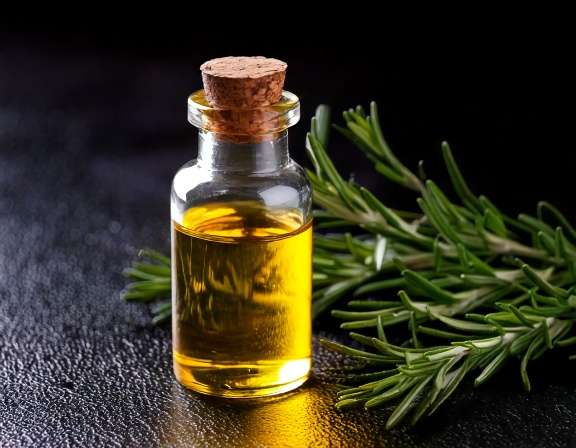
These oils often show up as supporting players. Tea tree smells fresh and medicinal. Rosemary brings a strong herbal note. Lemon adds a clean, bright lift that can make blends feel lighter and less heavy.
Tea tree is often used when people want a clean-smelling room. Rosemary can feel warming and herbaceous. Lemon rounds out stronger oils and makes the blend smell less intense. Together, they work well in a diffuser during the day.
Keep the claims modest. These oils don’t “knock out” a cough. They simply shape the experience around it. If allergy season is part of the problem, essential oils for allergy coughs may give you more ideas for gentle support.
Simple ways to use essential oils for cough at home
Home use should feel easy, not like a chemistry project. Start with one method and one or two oils. That way, if something feels too strong, you’ll know what caused it.
Steam inhalation and shower steam for quick comfort
Steam is one of the simplest options. Add 1 to 2 drops of essential oil to a bowl of hot water, then place it nearby on a stable surface. Sit at a comfortable distance and breathe gently. Don’t put your face too close, and keep the steam away from your eyes.
Another easy method is shower steam. Place 1 drop on the shower wall, away from direct water flow. As the bathroom fills with warm steam, the aroma rises slowly. This feels softer than a full steam bowl for many people.
Stop right away if the scent feels sharp, if your eyes water, or if your cough gets worse. Comfort is the goal, not endurance.
Diffuser blends for daytime and bedtime
Diffusers are good for steady, low-level aroma. For daytime, many people like a fresher blend, such as eucalyptus with lemon, or a little peppermint with rosemary. These combinations can make the room feel clearer and more awake.
At night, gentler blends usually win. Lavender with frankincense is a solid choice when a cough feels dry, annoying, or tied to tension. Use a diffuser in a well-ventilated room, and follow the device directions for water and drop counts.
If you’re building a small home wellness shelf, this guide to top EOs for cough and congestion relief can help you choose versatile basics.
Diluted chest rubs and carrier oils that work well
Topical use should always start with a carrier oil. Coconut oil and jojoba oil both work well because they spread easily and help soften the intensity of the essential oil.
A simple beginner blend is 1 to 2 drops of essential oil per teaspoon of carrier oil. Rub a small amount onto the chest, upper back, or sides of the neck. Avoid broken skin, and don’t apply too close to the nose.
For a calming rub, try lavender or frankincense. For a more cooling feel, use eucalyptus, but keep the dilution low. Patch test first on a small area of skin and wait to see how you react.
Safety tips, side effects, and when to call a doctor
Natural doesn’t always mean gentle. Essential oils are concentrated, and a few drops can go a long way. Used with care, they can be comforting. Used carelessly, they can irritate skin, eyes, and airways.
Always dilute before topical use. Keep oils away from eyes, lips, and broken skin. Wash your hands after using them. Also think about the room itself. A scent that feels fine to you may bother a child, pet, or older adult nearby.
Who should use extra caution with essential oils
Babies and young children need the most caution. Many strong oils, especially eucalyptus and peppermint, may be too intense for them. Older adults may also be more sensitive, especially if they have lung issues or dry skin.
Pregnant people should check each oil before use, because some aren’t advised during pregnancy. People with asthma need extra care as well. Strong scents can trigger coughing or tightness instead of helping. The same goes for anyone with eczema, sensitive skin, or a history of fragrance reactions.
If you have a cough linked to a chest illness, this overview of essential oils to ease bronchitis symptoms may offer more context, but it shouldn’t replace medical advice.
Signs your cough needs more than home care
Some coughs need a doctor, not a diffuser. Seek medical advice if you have:
- Trouble breathing or shortness of breath
- Chest pain or pressure
- Wheezing that is new or getting worse
- A high fever or fever that won’t ease
- Blue lips, fainting, or confusion
- Coughing up blood
- A cough lasting more than a few weeks
- A cough in a baby or very young child
- Asthma symptoms that aren’t improving
These signs deserve prompt attention. Essential oils are for comfort, not crisis care.
A calm, simple approach works best
When a cough keeps tapping at your throat, comfort matters. Essential oils can be a soothing part of that comfort, especially when used in small amounts, with safe dilution, and with clear expectations. Start simple, pay attention to how your body responds, and stop if an oil feels too strong. The best routine is the one that helps you rest, breathe easier, and stay on the safe side.
Stay Connected for More Natural Living Inspiration
If you enjoyed this post about herbal wellness and love discovering natural ways to refresh your home and wellness, don’t miss out on future recipes and clean-living tips! Subscribe to the blog for weekly DIYs, wellness inspiration, and herbal remedies delivered straight to your inbox.
Don’t forget to visit my Amazon storefront for the links to my favorite essential oils, herbal teas, and natural recipes. I also create YouTube ambiance videos for sleeping; a channel I created to help people who have trouble sleeping. The link to all social media content is here.
Thanks for coming by!



Leave a Reply