
(DISCLAIMER: I am not a doctor, and you should consult your healthcare professional before starting any health regimen. Product links are commissioned and supports the blog)

Key takeaways about soursop leaf tea benefits and safety
- Possible benefits include antioxidants, a calming tea ritual, and traditional use for digestion and comfort.
- The biggest safety concern is daily, long-term, heavy use, which may raise the risk of nerve-related harm.
- Pregnant or breastfeeding people should avoid it unless a clinician says otherwise.
- People with low blood pressure, diabetes, kidney problems, or chronic illness should ask a doctor first.
- Moderation matters. A mild cup now and then is a safer choice than a strong daily habit.
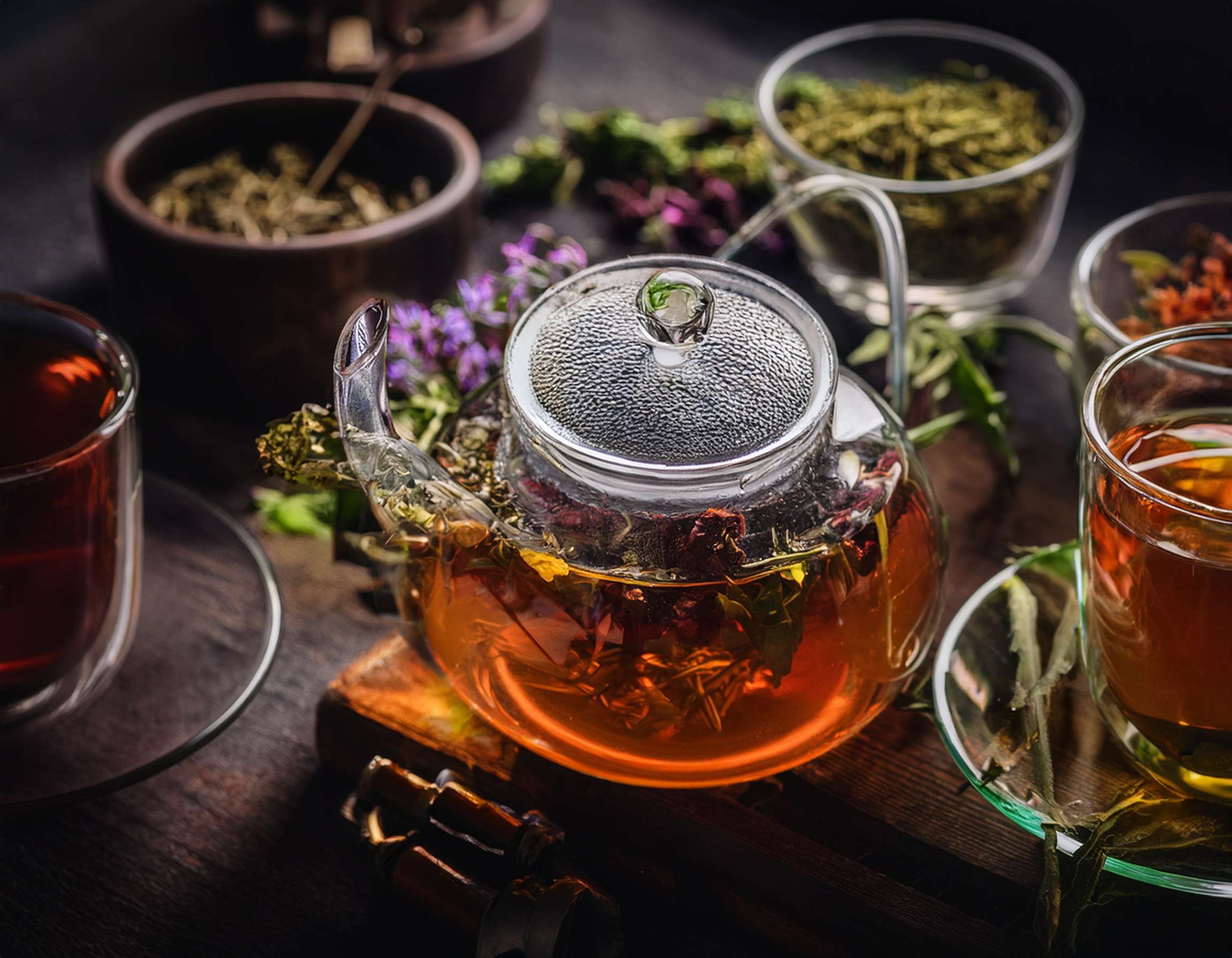
Soursop leaf tea is a warm herbal drink made from the leaves of the soursop tree, also called graviola. It tastes earthy, a little bitter, and often feels like a slow cup made for the end of the day.
Many people reach for it in wellness routines, but it is not a cure and it is not a proven treatment for disease. The real question is how to enjoy it without turning a soothing herb into a risky habit.
The sections below cover the benefits people talk about, the safety concerns that matter most, and a simple way to brew it at home.
What soursop leaf tea is and how people use it
The plant behind the tea, soursop, graviola, and its leaves
Soursop leaf tea comes from the leaves of the soursop tree, Annona muricata. In many places, the plant is called graviola, so the name changes from region to region.
The tea uses the leaves, not the fruit. That matters, because the fruit and the leaf have different uses, flavors, and nutrition profiles.
Brewed as tea, the leaves create a soft green-brown drink with a woody, slightly bitter taste. Some people like that flavor on its own. Others prefer it with a little honey or citrus.
It is usually served warm, often after meals or in the evening. That timing feels natural because the cup is gentle and unhurried.
Why it has become a popular daily wellness drink
A warm herbal tea can feel like a pause button. That is part of the appeal here. Soursop leaf tea fits into the same kind of quiet routine people use for chamomile or other calming herbs.
Some readers want a drink that feels grounding without being sweet. Others like the tradition behind it. In tropical regions, the leaves have a long place in folk herbal use.
People who enjoy softer evening teas often compare it with lemon balm tea safety guidelines, since both drinks are part of a wind-down ritual. The difference is that soursop leaf tea has a more bitter edge and a more cautious safety profile.
Possible soursop leaf tea benefits people talk about
Antioxidants in the leaves may help protect cells
Soursop leaves contain plant compounds such as flavonoids and phenolics. These compounds are studied for antioxidant activity, which helps the body deal with oxidative stress.
That sounds promising, but it does not make the tea a treatment. Antioxidants are one piece of a much bigger health picture. They do not cancel out the need for good sleep, food, movement, or medical care.
Still, this is one reason people are drawn to the tea. They want a plant drink that feels simple and useful, not sugary or artificial.
Why some people use it for calm, digestion, and bedtime routines
Many fans of soursop leaf tea drink it for the ritual itself. The warmth, the scent, and the quiet pause can all help the body slow down.
Some people also say it feels gentle on digestion after a meal. Others use it as part of a bedtime habit, much like switching off lights and lowering the volume in a room.
These effects may be real for some people, but they are not guaranteed. A tea can feel soothing one day and plain the next. Your own response matters more than any broad claim.
Traditional uses for blood pressure, blood sugar, and inflammation
Soursop leaf tea has a place in traditional herbal use for blood pressure, blood sugar, swelling, and pain. Early research has looked at these areas too.
Even so, the human evidence is not strong enough to treat the tea like medicine. If you already take medication for blood pressure or diabetes, this tea can affect your numbers in ways that are hard to predict.
The same caution applies to other herbs as well, and dandelion tea safety warnings and interactions is a good reminder that natural drinks can still affect the body in real ways.
Safety concerns before you drink soursop leaf tea every day
Daily, heavy soursop leaf tea use is where the risk rises.
A soothing cup can still be too much when it becomes a strong, long-term habit.
One concern is a compound called annonacin, which has been linked to nerve damage in research on heavy exposure. That has led to concern about Parkinson’s-like symptoms in people who use large amounts for a long time. The risk is not about one cup. It is about repeated use over months or years.
The tea can also lower blood pressure and blood sugar. That sounds helpful until it drops those levels too far. Then dizziness, weakness, or fainting can follow. It may also trigger stomach upset, nausea, or vomiting in some people.
Common side effects to watch for
The most likely short-term problems are simple but uncomfortable. You might feel nauseous, lightheaded, weak, or unsettled in your stomach.
Some people notice dizziness, especially if they already run low on blood pressure. Others get loose stools or an uneasy stomach after a strong brew.
If those signs show up, stop drinking the tea and see how your body responds without it. A herb that leaves you shaky is not a good daily companion.
Who should avoid it or ask a doctor first
Pregnant and breastfeeding people should avoid soursop leaf tea unless a clinician gives clear advice. The safety data is not strong enough for casual use in either case.
Anyone with kidney problems, chronic illness, or a movement disorder should also ask before trying it. The same goes for people who take medicine for blood pressure or diabetes, because the tea may push those levels lower.
If you take prescription medicine, a pharmacist can also check for herb-drug interactions. That extra step is worth it, especially if you drink more than one herbal tea. It helps keep your routine pleasant, not risky.
How to make soursop leaf tea at home the safe way
If you want a simple cup, keep the brew mild. General herbal tea habits help here, and tips for brewing herbal teas safely can give you a better feel for water temperature and steep time.
Use 1 to 2 teaspoons of dried leaves or 3 to 5 fresh leaves for 1 to 2 cups of water. Bring the water to a gentle boil, add the leaves, then lower the heat and simmer for about 10 minutes. You can also pour hot water over dried leaves and steep them for the same time.
Strain the tea before drinking. Start with a small cup, taste it, then decide whether you even need more flavor. Stronger is not better with this herb.
The basic tea method with dried or fresh leaves
For a plain cup, use 1 teaspoon dried leaves with 1 cup of water. Let it simmer or steep for about 10 minutes, then strain.
Fresh leaves work too. Use 3 to 5 leaves, rinse them well, and keep the brew light. A mild tea is easier to enjoy and easier to monitor.
Easy flavor additions that keep it simple
A little honey softens the bitterness. A thin slice of lemon adds brightness. A small piece of ginger gives the cup a warmer edge.
Keep the add-ins gentle. The goal is a pleasant herbal drink, not a crowded mug with too many strong flavors.
Three easy ways to enjoy soursop leaf tea without overdoing it
A plain evening cup for a calm routine
Brew one mild cup, then serve it warm without much else. If you want a touch of sweetness, stir in a teaspoon of honey after steeping.
This version works best when you want a quiet end to the day. Sip slowly, and keep the portion small.
A citrus and honey version for a softer flavor
Use the basic method, then add a thin lemon slice and a little honey. The lemon brightens the cup and makes the bitterness less sharp.
This is a good choice if you want something easy to drink more than once a week. It still feels simple, which is the point.
A gentle ginger blend for after meals
Add one small slice of fresh ginger to the water as the tea simmers. Then strain as usual and drink it after dinner or a light meal.
The ginger gives the tea a mild lift without making it heavy. Keep the ginger modest so the cup stays gentle enough for regular use.
Conclusion
Soursop leaf tea can be a soothing herbal drink, especially when you desire a warm and comforting cup at the end of a long day. This delightful infusion is known for its unique flavor and potential health benefits, making it a popular choice among herbal tea enthusiasts. However, it’s important to remember that, like many herbal remedies, moderation is key.
When preparing soursop leaf tea, aim for a mild brew to fully appreciate its natural flavors while minimizing any potential side effects. Start with a small amount of leaves and adjust according to your taste preference. Always be aware of the importance of safety when incorporating any new herbal tea into your routine.
For pregnant or breastfeeding individuals, or those managing chronic health conditions, it’s crucial to consult with a healthcare professional before consuming soursop leaf tea. This precaution extends to people taking medications for blood pressure or diabetes, as the interactions between herbal ingredients and prescription medications can lead to unforeseen complications.
By taking these precautions and respecting the limits of this soothing beverage, you can enjoy soursop leaf tea as part of a balanced approach to wellness. Engage with this herbal drink mindfully, and it may enhance your relaxation routine, providing a calming moment in your day.
The best herbal routine is the one that feels pleasant, fits your body, and stays safe over time.
Stay Connected for More Natural Living Inspiration
If you enjoyed this post about herbal wellness and love discovering natural ways to refresh your home and wellness, don’t miss out on future recipes and clean-living tips! Subscribe to the blog for weekly DIYs, wellness inspiration, and herbal remedies delivered straight to your inbox.
Don’t forget to visit my Amazon storefront for the links to my favorite essential oils, herbal teas, and natural recipes. I also create YouTube ambiance videos for sleeping; a channel I created to help people who have trouble sleeping. The link to all social media content is here.
Thanks for coming by!

Leave a Reply