

(DISCLAIMER: I am not a doctor, and you should consult your healthcare professional before starting any health regimen.)

Key Takeaways
- The calming tea most people mean is American skullcap (Scutellaria lateriflora).
- A good starting steep time is 10 to 15 minutes in hot, not boiling, water.
- Start light, with about 1 teaspoon dried herb per 8 ounces of water.
- Skullcap tea may cause drowsiness, dizziness, or stomach upset in some people.
- Skip it during pregnancy, while breastfeeding, for children, or when mixing with alcohol or sedating medicine unless a clinician says it is okay.
Some nights, your mind keeps talking long after the room goes quiet. That is when skullcap tea often gets attention.
People reach for it to ease nervous tension, settle before bed, and take the edge off a wired evening. Research on American skullcap is still small, yet it does suggest modest mood and sleep support.
Before you brew a mug, it helps to know which skullcap you have, how long to steep it, and when to leave it on the shelf.
What skullcap tea may help with
Skullcap tea is usually made from the leaves, stems, and flowers of American skullcap. That part matters, because Chinese skullcap is a different plant with different traditional uses. If you are buying loose herb or tea bags, check the label for Scutellaria lateriflora. This guide to American versus Chinese skullcap explains the difference in simple terms.
For stress relief, the evidence is promising but modest. A small human study on American skullcap found better mood after two weeks of use, yet anxiety scores did not fall much compared with placebo. More recent research on skullcap extract in 2025 found improved sleep in people with insomnia. Better sleep does not erase stress, but it often lowers the volume.
In practice, most people use skullcap tea for mild tension, busy thoughts, or that shaky feeling after a long day. It may feel more like a soft landing than a hard stop. If your stress is severe, or anxiety disrupts daily life, tea alone is usually not enough.
Skullcap also works best when your expectations stay realistic. It is a supportive herb, not a quick fix. The flavor is earthy and slightly bitter, so many people blend it with chamomile or lemon balm. If you want to compare it with other gentle options, DI Writes also has a useful guide to 10 soothing herbal teas for anxiety relief.
Best steep time for skullcap tea
As of 2026, there are no strong clinical studies that pin down one perfect steep time for skullcap tea. Most herbal guides land in the same range, and that range is practical: steep the dried herb for 10 to 15 minutes.
Use hot water rather than a rolling boil. Water that has just come off the boil and cooled for a minute works well. Then cover the cup or teapot while it steeps. That keeps heat in, and it gives the plant compounds more time to move into the water.
A simple starting method works well for most people:
- Add 1 teaspoon of dried American skullcap to 8 ounces of hot water.
- Cover and steep for 10 minutes.
- Strain, then taste.
- If you want a stronger cup next time, use 15 minutes or a little more herb.
For many people, a 10-minute steep gives a balanced cup. Longer brews often taste harsher without adding much benefit.
If the taste feels too bitter, do not assume the herb is bad. Skullcap is naturally a little sharp. A small spoon of honey or a blend with lemon balm can make it easier to drink, while still keeping the cup gentle. Tea bags can work, but loose herb often gives you better control over strength.
If you are new to skullcap tea, start with the lighter version first. A stronger cup is not always a better cup, especially if you are sensitive to calming herbs. Also, try it in the evening the first few times. That way, you can see how your body reacts without needing to drive or focus.
Skullcap tea safety and who should skip it
Skullcap has a gentle reputation, but it is not risk-free. Short-term studies on skullcap extracts have generally found good tolerance, usually across two to eight weeks. Tea is less standardized than capsules, so the exact dose can vary from one product to another.
The most common concerns are drowsiness, light dizziness, and stomach upset. Some people feel calm. Others feel sleepy. Because of that, avoid your first cup before work, a workout, or a long drive. If you already take herbs or supplements for sleep, the effect may stack up.
Use extra caution if you take benzodiazepines, sleep medicine, other sedatives, or drink alcohol. Skullcap may add to that sleepy, slowed-down feeling. It is also smart to check with a clinician if you take blood thinners or any daily prescription medicine. For a broader review of reported effects and dose ranges, see this skullcap safety overview.
A few groups should skip skullcap tea unless a qualified professional says otherwise. That includes pregnant or breastfeeding people, children, and anyone with liver disease or a history of reacting badly to herbal products. Quality also matters. Buy from a trusted brand, and make sure the label clearly names the species.
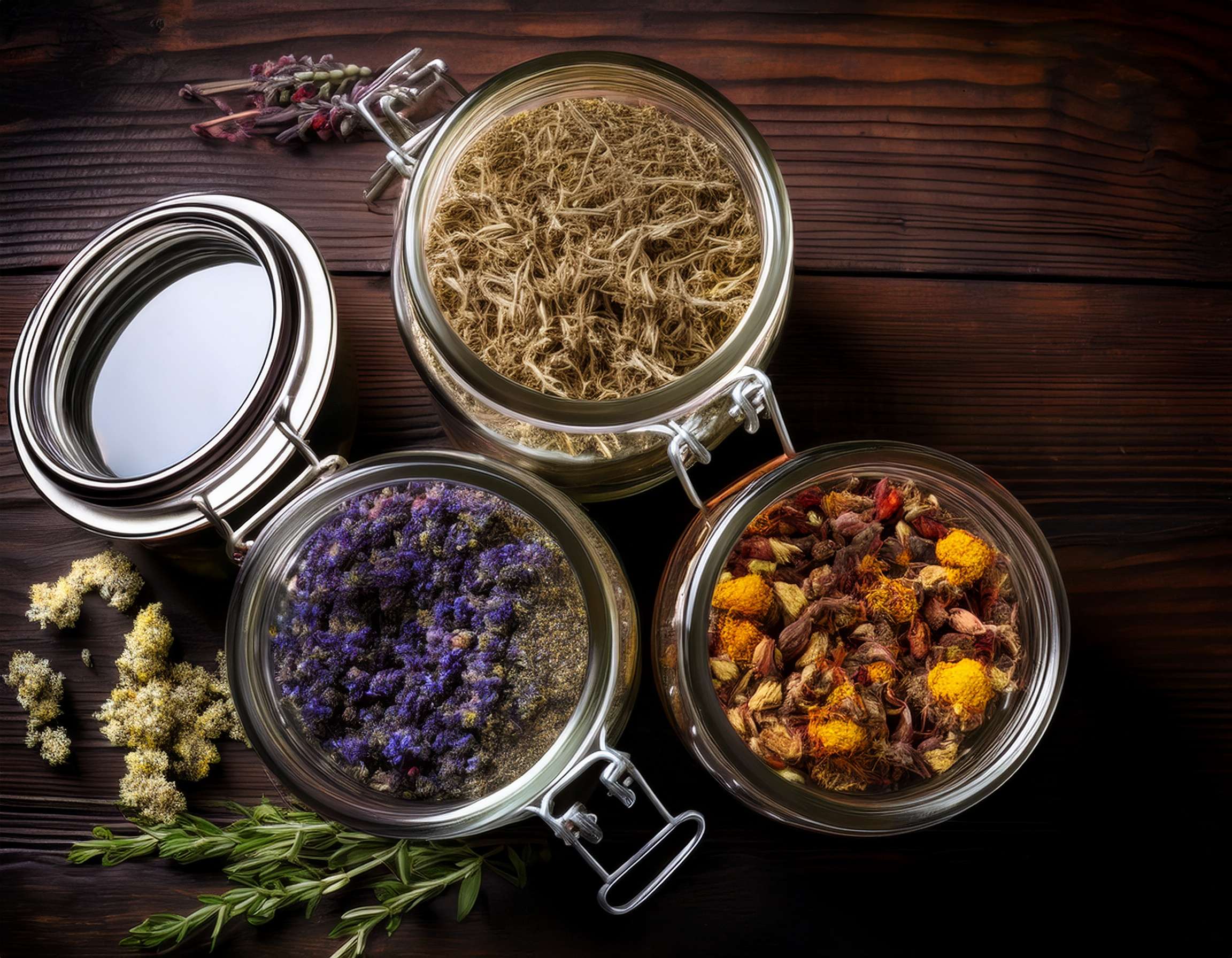
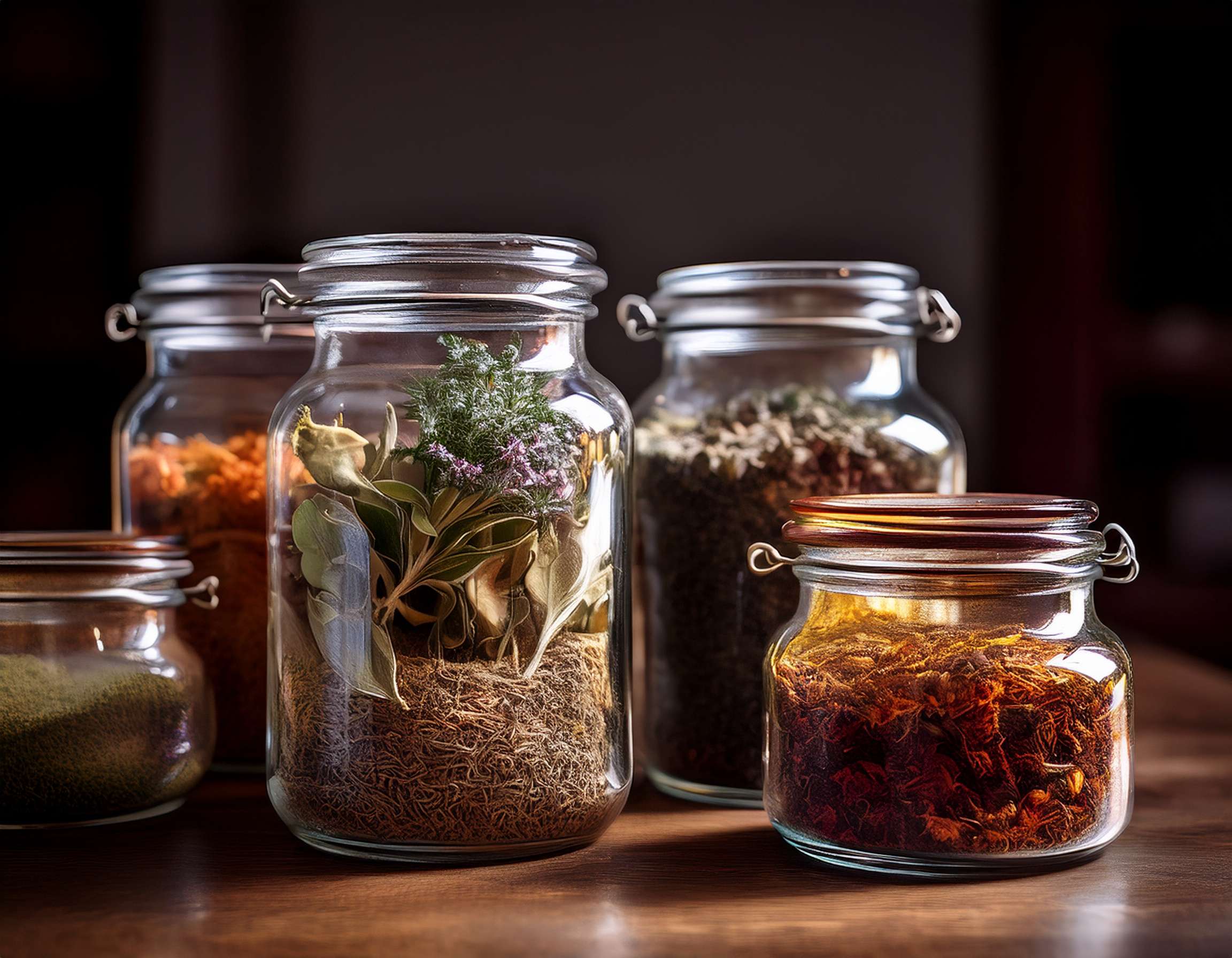
Storage matters, too. Keep dried skullcap in a sealed jar away from heat and light. Old herb loses aroma and can taste flat, which makes it harder to judge how fresh and strong your tea really is.
If stress keeps you up for weeks, causes panic, or changes your appetite, focus, or mood, it is time for more support. Skullcap tea can be part of care, but it should not carry the whole job by itself.
A calm cup works best when it’s simple
The sweet spot for skullcap tea is modest use. Choose American skullcap, keep the steep around 10 to 15 minutes, and start with a light cup.
That approach gives you the best chance of a calming ritual without an overly heavy effect. When the herb is the right species and the dose stays sensible, skullcap tea can offer a quiet bit of relief on a loud day.
Stay Connected for More Natural Living Inspiration
If you enjoyed this post about herbal wellness and love discovering natural ways to refresh your home and wellness, don’t miss out on future recipes and clean-living tips! Subscribe to the blog for weekly DIYs, wellness inspiration, and herbal remedies delivered straight to your inbox.
Don’t forget to visit my Amazon storefront for the links to my favorite essential oils, herbal teas, and natural recipes. I also create YouTube ambiance videos for sleeping; a channel I created to help people who have trouble sleeping. The link to all social media content is here.
Thanks for coming by!

Leave a Reply