
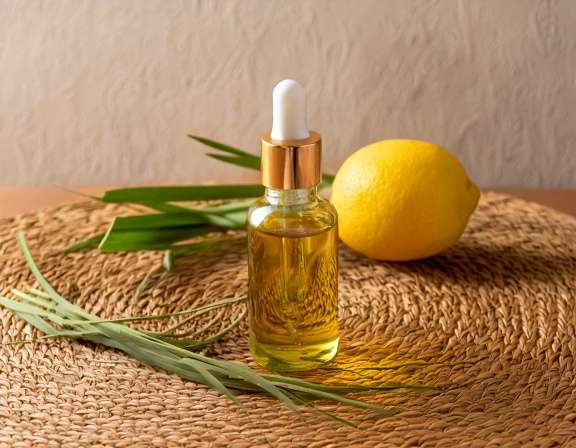
(DISCLAIMER: I am not a doctor, and you should consult your healthcare professional before starting any health regimen. Product links are commissioned and supports the blog)

Quick takeaways before you start mixing
- Start low, because lemongrass can dominate a blend fast.
- Pair it with softer scents like lavender or sweet orange.
- Test small batches first, especially with soap.
- Let soap cure before judging the final scent.
- Use a carrier or dispersing step in scrubs and bath salts.
- Adjust in tiny steps, not big ones.
Lemongrass essential oil can make homemade body care smell fresh, bright, and clean, but it can also take over a batch fast. In soaps, scrubs, and bath salts, a few extra drops can push the scent from crisp to sharp.
That’s why balance matters. A good blend keeps the citrusy-herbal note present without making every wash or soak feel loud. With a light hand, a few soft pairings, and a little testing, you can get a scent that feels cheerful and easy to wear.
Why lemongrass works so well in homemade body care
Lemongrass has a scent that feels fresh, citrusy, grassy, and clean at once. That mix makes it a good fit for body products that you want to feel light and bright, not heavy or sweet. It can fit a spa-style recipe, but it also works in everyday soap and shower products.
The scent reads as natural without feeling flat. Many people like it because it smells crisp, not perfumed. That makes it useful when you want your homemade products to feel simple and honest.
What makes the aroma feel strong so fast
Lemongrass essential oil is naturally intense. Even a small amount can come across as lemony, green, and sharp. In a small batch, that strength shows up quickly.
That’s why people often think they need more than they do. In reality, a little often smells cleaner than a heavy pour.
A small amount often smells cleaner than a generous pour.
Best scent pairings for a softer finish
Lemongrass works best when something rounder sits beside it. Lavender softens the edges. Sweet orange adds warmth. Geranium gives the blend a fuller floral note. Peppermint brings a cool lift, while rosemary and cedarwood add a drier, herbal finish.
Those pairings matter because they keep lemongrass from sounding thin or harsh. Instead of one sharp note, you get a blend that feels more complete.
How much to use in soaps, scrubs, and bath salts
The right amount depends on the product. Soap holds scent differently than a scrub, and bath salts need even more care. A batch with a strong oil base may carry scent well. A dry salt blend may not.
If you want a wider primer on mixing oils, this beginner guide to essential oil mixing is a useful place to start.
Here’s a simple way to think about it.
| Product type | Good starting point | Why it helps |
|---|---|---|
| Soap | Start with a very light amount, then test after curing | Soap can shift as it sets |
| Sugar scrub | Use a modest amount, then smell after mixing | The oil base can hold scent well |
| Bath salts | Use less than you expect | Salt blends can smell stronger fast |
Start on the low end and move up in tiny steps only if the scent fades too much. That approach keeps the mix usable and keeps lemongrass from taking over.
Starting point amounts that keep the scent balanced
Begin with a few drops for small test batches, not a full pour. For soap, the scent may change as it cures, so the first smell test is not the final answer. Scrubs are easier to judge right away, though they can still smell stronger after sitting overnight.
Bath salts need special care. They can seem mild at first, then get pungent once they rest in a closed jar. A careful test batch saves frustration later.
Patch testing also matters if the product will touch skin often. If you’re sensitive to essential oils, keep blends simple and check with a healthcare professional when needed.
Why the same amount does not work for every recipe
Recipe size changes everything. So does the base. Sugar scrubs often carry scent well because the oil helps spread it. Bath salts are dry and tricky, so they often need a lighter hand and a good dispersing step.
Soap is different again. Cold process soap can mellow over time, while melt and pour can hold scent in a more immediate way. That’s why the final result matters more than the first sniff.
Simple recipes that smell fresh, not overpowering
These recipes keep lemongrass front and center, but not too front and center. They are easy to adjust, and each one leaves room for a softer note if you want it.
A gentle lemongrass sugar scrub for everyday use
Use a small bowl and mix 1 cup sugar with 1/2 cup light carrier oil, such as sweet almond or fractionated coconut oil. Add 6 to 10 drops of lemongrass essential oil, then stir well. If you want a softer smell, add 3 drops of lavender or sweet orange.
The scrub should smell bright, not sharp. If the first batch feels strong, cut the essential oil amount in half next time. Sugar scrubs are forgiving, so this is an easy place to test your comfort level.
A thick scrub often holds scent well, but it also keeps the aroma close to the skin. For that reason, less is usually better.
A balanced soap scent blend for cold process or melt and pour
For soap, lemongrass works well with lavender or sweet orange. That mix keeps the scent fresh while taking the edge off the grassy note. If you make cold process soap, remember that the scent can shift while it cures. A bar that smells bold on day one may feel softer later.
For melt and pour, stir the fragrance in carefully and test one small loaf first. A lighter blend often performs better than a strong one. If you want a cleaner daytime soap, lemongrass and sweet orange is an easy starting point. For a calmer bar, lemongrass and lavender works well.
Fresh bath salts that smell clean, not loud
Bath salts need a light hand. Mix 2 cups Epsom salt with 1/2 cup fine sea salt if you like a little extra texture. Add a small amount of carrier oil first, then blend in 4 to 8 drops of lemongrass essential oil. Stir well so the scent spreads through the salts instead of sitting in one spot.
A little dried lavender or calendula can look nice, but only add herbs that support the scent. Too many strong additions can muddy the result. Keep the jar simple, and the smell stays cleaner.
Small tweaks that help the scent last without getting harsh
Fragrance balance is not only about drop count. Storage, curing time, and the rest of the formula all matter. A scrub in a sealed jar can smell stronger after a day. Soap can soften during cure. Bath salts can change after they sit in storage.
Let the product settle before you decide it needs more oil. That pause matters because the first smell is often not the final smell. If you rush, you’ll usually add too much.
Letting the mix rest before deciding if it needs more
Smell the batch, close it up, and come back later. A scrub may mellow overnight. Soap may need days or weeks before the scent feels settled. Bath salts often show their true strength after they sit in a jar.
This waiting step saves a lot of bad batches. Once lemongrass gets too strong, it’s hard to pull back.
Using carrier ingredients to soften the edge
Carrier oils help round out the scent in scrubs and bath blends. Sweet almond oil, jojoba oil, and coconut oil all give lemongrass a softer base. They also help spread the oil more evenly.
For soap, the base recipe matters just as much. A rich formula can make the scent feel smoother. A dry, lean formula may let the sharper notes show through.
Mistakes that make lemongrass smell too sharp
The most common mistake is simple. People use too much. After that comes the habit of mixing lemongrass with several other strong oils, which can make the whole blend feel busy and rough.
Skipping test batches is another problem. A recipe that smells pleasant in the bowl can feel much stronger in the final jar or bar. Bath salts and soap also hold scent in different ways, so one method doesn’t work for everything.
How to fix a batch that already smells too strong
If the batch is still in progress, add more unscented base to dilute it. In a scrub, extra sugar and carrier oil can soften the smell. In bath salts, more plain salt can help.
If the product is already finished, a softer companion scent can help in small cases, especially lavender or sweet orange. Sometimes the best fix is time, because a strong batch can calm down after it rests. If it still feels harsh, set it aside and make the next one lighter.
Conclusion
Lemongrass essential oil can make homemade soaps, scrubs, and bath salts feel fresh and lively when you use it with care. The trick is simple, start small, pair it with softer scents, and give each batch time to settle.
When you treat lemongrass like a bright accent instead of the whole song, the result feels cleaner and easier to enjoy. Try one of the simple recipes, then adjust it to match your own nose.
Stay Connected for More Natural Living Inspiration
If you enjoyed this post about herbal wellness and love discovering natural ways to refresh your home and wellness, don’t miss out on future recipes and clean-living tips! Subscribe to the blog for weekly DIYs, wellness inspiration, and herbal remedies delivered straight to your inbox.
Don’t forget to visit my Amazon storefront for the links to my favorite essential oils, herbal teas, and natural recipes. I also create YouTube ambiance videos for sleeping; a project I created to help with insomnia symptoms and the second channel, Rooted in Nature YouTube Channel both channels feature herbal recipes for wellness and home. The link to all social media content is here.
Thanks for coming by!


Leave a Reply