
(DISCLAIMER: I am not a doctor, and you should consult your healthcare professional before starting any health regimen.)

Key Takeaways
- Red clover has plant compounds (isoflavones) that can act a bit like estrogen in the body, which is why it’s used for menopause symptoms.
- Tea is usually milder than capsules, so results (if you get them) may feel subtle and gradual.
- Brew strength matters, steep longer and keep the cup covered to hold the good stuff in.
- Red clover is not a “for everyone” herb, especially with blood thinners, hormone replacement therapy, or hormone-sensitive conditions.
- Start low, track how you feel, and check with your clinician if you take meds or have a complex history.
Perimenopause can feel like your body changed the rules overnight. Sleep gets lighter, your mood flips faster, and heat rises out of nowhere. So it makes sense that so many of us start looking for gentle, plant-based support that still feels like everyday life.
Red clover tea is one of those remedies that keeps popping up. It’s simple, it’s soothing, and it can fit into a nightly wind-down without turning your routine into a full-time job.
Why red clover tea shows up in perimenopause conversations
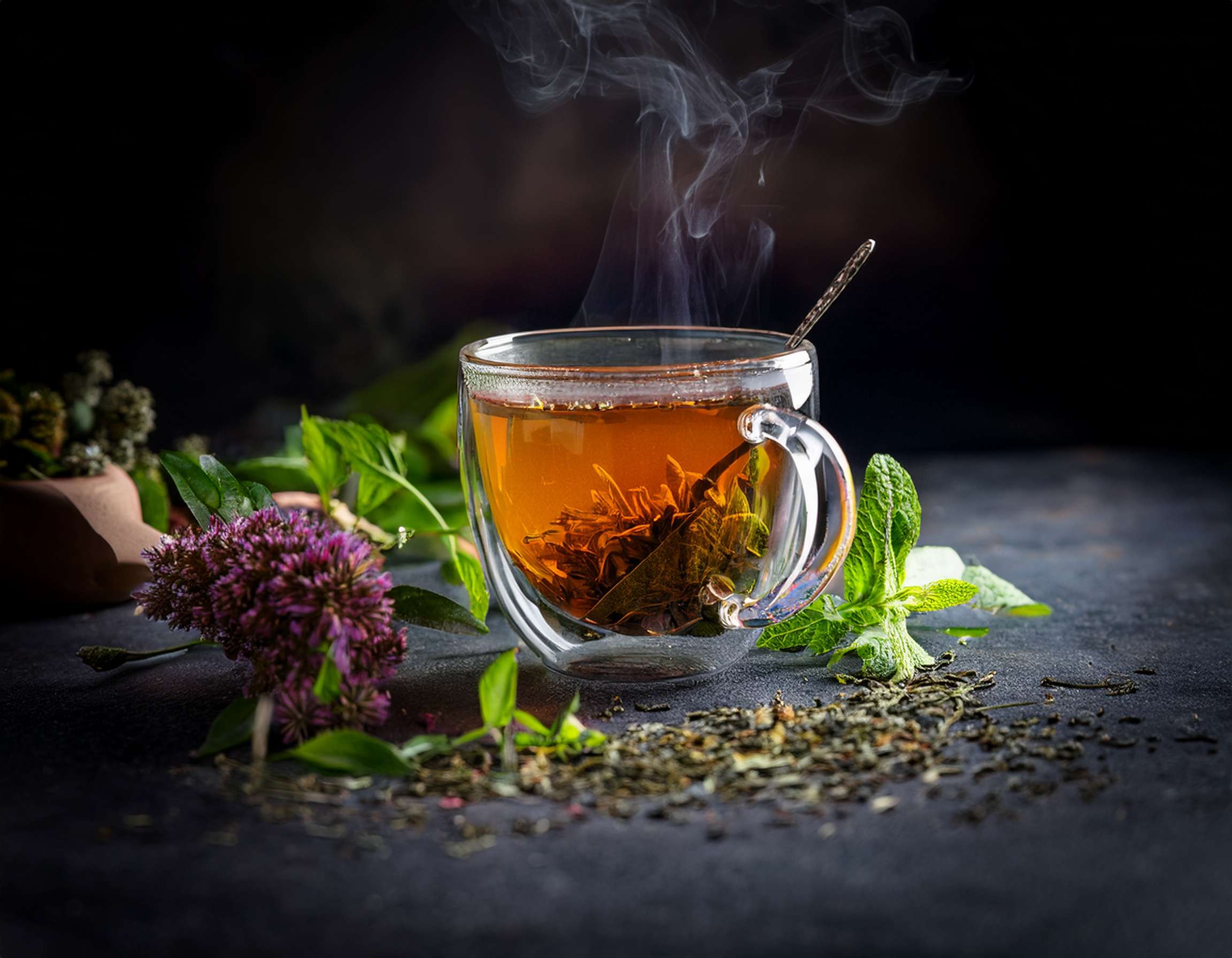
Red clover (Trifolium pratense) is the pink-purple meadow flower that looks innocent until you learn what’s inside. The blossoms contain isoflavones, which are phytoestrogens (plant compounds that can weakly interact with estrogen receptors). That’s the main reason red clover tea gets mentioned for hot flashes, night sweats, vasomotor symptoms, mood shifts, and that “wired but tired” feeling. While many women use it for menopause symptoms and track improvements in quality of life, clinical evidence varies; randomized clinical trials and placebo-controlled studies in postmenopausal women often provide more reliable insights than anecdotal evidence.
Still, it helps to keep expectations grounded. Perimenopause symptoms come from more than estrogen changes alone. Stress, sleep debt, blood sugar swings, and inflammation can all pile on. Think of red clover tea like adding a supportive background singer to the band, not replacing the lead vocalist.
Research on red clover is also mixed, and many studies use standardized extracts, not tea. So if you’ve seen bold claims online, take a breath. A daily cup can be a calming ritual, and some people do notice improvements over time, but it’s not a guaranteed quick fix. If you want a personal perspective (not medical advice), this post on red clover tea and perimenopause experiences captures the trial-and-error side of using it.
One practical way to approach it is to track one or two symptoms for two to four weeks. For example, note night sweats and sleep quality. If nothing changes, that’s useful info too. Your body isn’t “failing,” it just means this herb may not be your match.
If an herb works for you, you’ll usually notice small, repeatable wins, not a sudden personality transplant.
Brew tips that make red clover tea taste better (and work better)
Red clover tea can taste mild, grassy, and slightly sweet. If your cup tastes like lawn water, it usually needs one of two things: more plant material, or a longer steep.
Start with good herb and store it right
Buy dried red clover flower tops from a reputable seller. Fresh color and a clean smell matter, as they indicate key isoflavones like formononetin are intact. Old herbs go dull and dusty, and the tea ends up flat.
Once you open the bag, store it in a sealed jar away from heat and sunlight. A cabinet is fine, just not above the stove.
Use a stronger steep (most people under-brew it)
For a basic daily cup:
- Use 1 to 2 teaspoons dried red clover per 8 ounces of water.
- Pour water that’s just boiled, then let it sit about 30 seconds.
- Cover your cup while it steeps (a small plate works).
- Steep 10 to 15 minutes, then strain.
Covering the cup sounds fussy, but it helps hold in aromatic compounds. Plus, a longer steep pulls more from the plant. Consistent use with this brewing ritual, as shown in placebo-controlled studies, supports bone health, bone mineral density, and long-term prevention of osteoporosis for postmenopausal women.
If you’re new to it, start with 1 teaspoon and see how your stomach feels. Then move up if needed.
Make the flavor more “sip-able” with smart add-ins
Red clover plays nicely with other herbs. If perimenopause also brought bloating or indigestion, pairing it with peppermint or ginger can make the whole cup easier to love. For ideas, see these teas to ease bloating and discomfort.
If your evenings feel edgy, blending red clover with chamomile or lemon balm can turn it into a better bedtime mug. This guide to calming herbal teas for anxiety has gentle options that don’t feel like a chemistry experiment.
A little honey is fine. So is a squeeze of lemon, although lemon can sharpen the “green” taste. If you want cozy, try a splash of milk-free vanilla creamer or a pinch of cinnamon.
Try a batch brew for consistency
Consistency is where herbs often shine. If you only drink it once a week, it’s hard to tell what it’s doing.
For a simple batch:
- Add 2 tablespoons dried red clover to a quart jar.
- Fill with hot water, cover, steep 15 minutes.
- Strain, chill, and sip over 24 to 48 hours.
Cold red clover tea over ice can be surprisingly pleasant, especially if you add mint.
Red clover tea safety for perimenopause: who should avoid it
This is the part people skip because it isn’t as cozy as a mug photo. But it matters.
Red clover contains phytoestrogens, and it may also affect how blood clots. That means some people should not use it unless their clinician says it’s okay. A solid overview of cautions and interactions is here: red clover benefits, side effects, and precautions. You can also read a general rundown here: overview of red clover uses and dosage.
Avoid or get medical guidance if any of these apply
Use extra caution if you:
- Take blood thinners or anti-platelet meds (especially postmenopausal women, or you bruise easily).
- Use hormone replacement therapy, hormonal birth control, or meds that affect hormones.
- Have a history of hormone-sensitive cancers such as breast cancer, concerns about endometrial hyperplasia, or high-risk monitoring (clinicians may monitor vaginal cytology to see how herbal phytoestrogens affect the body).
- Are pregnant, trying to conceive, or breastfeeding.
- Have surgery coming up (ask about when to stop herbs).
Also, if you have an ongoing health condition or take daily meds, don’t guess. Herbs can be gentle and still interact. Postmenopausal women taking blood thinners or hormone replacement therapy must consult a doctor first.
Possible side effects
Most people tolerate red clover tea well, yet side effects can happen. These side effects are typically mild, but watch for:
- Upset stomach, nausea, or loose stools
- Headache
- Skin rash (especially if you have plant allergies)
If you notice a strong reaction or persistent side effects, stop and reassess. “Natural” should still feel safe in your body.
How much is reasonable?
For tea, many people stay in the range of 1 to 2 cups per day. More is not always better. Perimenopause already asks a lot of your nervous system, so go for steady and calm rather than intense and fast.
When you’re trying something new, change one thing at a time. Otherwise, you won’t know what helped, or what caused the problem.
Turn your cup into a perimenopause wind-down ritual
Sometimes the biggest benefit of tea is the pause it forces. You can’t chug a hot mug while answering emails. That break can support estrogen balance and hormonal balance.
Hot flashes and night sweats often trigger the need for a wind-down routine like this one.
Try this simple rhythm for two weeks:
- Drink red clover tea at the same time each evening.
- Dim lights 30 minutes before bed.
- Keep your bedroom cool to ease vasomotor symptoms, and consider breathable pajamas.
- Write down hot flashes, night sweats, sleep, and mood in two lines.
Improving sleep hygiene with these steps can boost your overall quality of life and reduce the severity of menopause symptoms.
If you also love aromatherapy, pair the tea with a scent cue that tells your brain, “We’re done for the day.” Lavender is a classic. Clary sage is popular for hormonal seasons, but always use essential oils safely around pets and kids. If heat is your main complaint, this post on essential oils for hot flashes can help you build a simple, realistic plan.
Most importantly, keep the routine kind. Perimenopause doesn’t need more pressure.
Conclusion
Red clover tea can be a gentle ally during perimenopause, serving as a dietary supplement for menopausal health, especially if you treat red clover tea perimenopause like steady support, not a miracle cure. In addition to managing menopause symptoms, research occasionally explores its effects on high cholesterol and LDL cholesterol, particularly LDL cholesterol reduction, while supporting bone health, bone mineral density, and protection against osteoporosis for a holistic perspective. Brew it strong, keep it consistent, and pay attention to your body’s feedback. Just as important, take safety seriously if hormones, blood clotting, or medications are part of your picture. With the right approach, red clover tea can become one more calm, practical tool in your perimenopause toolkit.
Stay Connected for More Natural Living Inspiration
If you enjoyed this post about herbal wellness and love discovering natural ways to refresh your home and wellness, don’t miss out on future recipes and clean-living tips! Subscribe to the blog for weekly DIYs, wellness inspiration, and herbal remedies delivered straight to your inbox.
Don’t forget to visit my Amazon storefront for the links to my favorite essential oils, herbal teas, and natural recipes. I also create YouTube ambiance videos for sleeping; a channel I created to help people who have trouble sleeping. The link to all social media content is here.
Thanks for coming by!


Leave a Reply