(DISCLAIMER: I am not a doctor, and you should consult your healthcare professional before starting any health regimen.)

Key Takeaways
- Ravintsara essential oil is often used for breathing comfort, supporting the immune system, calm, and a clean-smelling home.
- Name confusion is common, so label reading matters more than scent.
- Benefits are mostly about comfort and routines, not medical treatment.
- Safe use comes down to dilution, slow diffusion, and knowing who should skip it.
When life feels extra busy and your nose is a little stuffy, it’s normal to want simple, natural support at home for winter ailments. That’s where ravintsara essential oil often shows up, especially during seasonal changes.
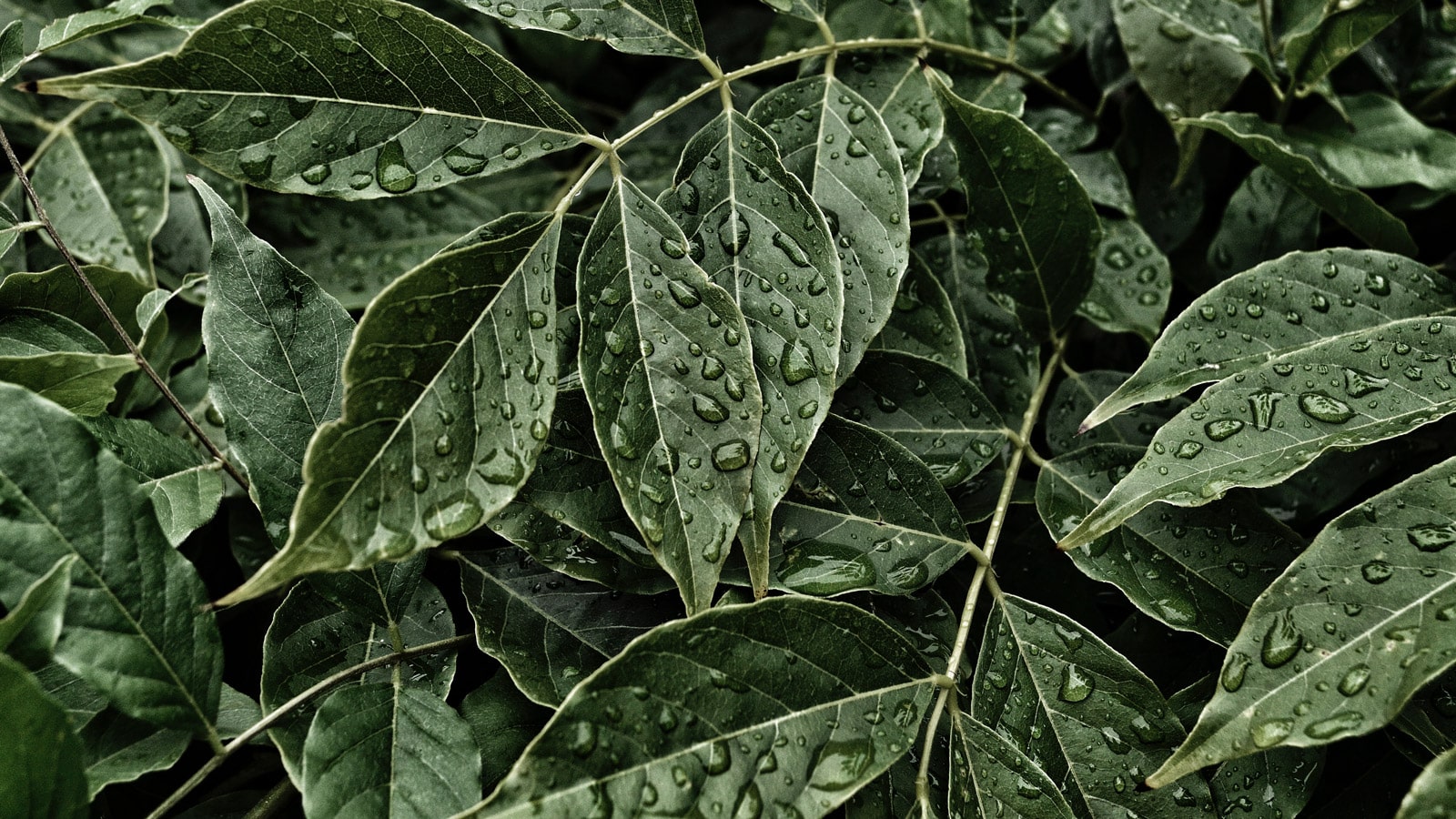
Ravintsara is a leaf essential oil from Cinnamomum camphora trees native to Madagascar (the cineole or 1,8-cineole chemotype). People use it because it smells fresh and “clear,” and many find it comforting to breathe and relaxing to diffuse when they feel run down.
This guide covers the benefits people report, what those benefits can realistically mean, and how to use ravintsara safely at home.
What Ravintsara essential oil is, and how to know you bought the real thing
Ravintsara has a bit of an identity problem online. One bottle might say “ravintsara,” another might say “ravensara,” and a third might smell similar to eucalyptus. It’s no wonder people get confused and end up with an oil that isn’t what they meant to buy.
Most ravintsara essential oil sold today is Cinnamomum camphora leaf oil, cineole chemotype. That detail about its chemistry matters because camphor trees can produce different “styles” of oil depending on chemistry. When cineole is the main component, the aroma tends to be crisp and airy, and it’s why ravintsara is often compared to eucalyptus (even though it’s not the same plant).
It also helps to know what ravintsara is not. It’s not tea tree (Melaleuca alternifolia), even if you see similar “fresh” language in marketing. It’s not eucalyptus (Eucalyptus radiata or Eucalyptus globulus), even if your nose thinks, “close enough.” And it’s not automatically ravensara, which is a different botanical species.
If you like having a few “multi-use” oils around, ravintsara can fit that role, but only if you’re actually buying the right thing. A good label tells a clear story: the Latin name, the plant part, and ideally the chemistry details and testing info. A vague label usually means you’re taking a guess.
Ravintsara vs ravensara, why the names get mixed up
Ravintsara essential oil is typically Cinnamomum camphora. Ravensara often refers to Ravensara aromatica. They can both be used in blends for seasonal breathing comfort, but they are not identical oils and may smell a bit different.
The fix is simple: don’t shop by common name alone. Check the botanical name, and if it’s ravintsara, look for cineole (1,8-cineole) listed somewhere on the bottle or product page.
Label checks that matter most (botanical name, chemotype, and testing)
Scent is not a reliable “authenticity test.” Two different oils can smell similar, and a single oil can vary by harvest and region. Instead, use the label.
Here’s a quick checklist you can screenshot:
- Latin name: Cinnamomum camphora
- Plant part: leaf (often written as “leaf oil”)
- Chemotype: cineole, 1,8-cineole, or CT cineole
- Country of origin (if listed): helpful for transparency
- Batch number: shows traceability
- Testing: GC/MS or third-party test results mentioned
Ravintsara essential oil benefits people use it for (and what to realistically expect)
Ravintsara is rich in 1,8-cineole, a compound with antiviral properties and antibacterial effects also found in several “fresh air” oils. That’s a big reason it’s used when you want your space to feel cleaner, your head to feel clearer, or your breathing to feel more comfortable. Still, it’s best to keep expectations grounded: essential oils can support routines and comfort, but they don’t replace medical care.
Also, ravintsara can feel strong. Some people love that “open window” vibe. Others find cineole-heavy oils a bit intense, especially if they’re prone to coughing with strong aromas. Start small, then adjust.
If seasonal changes are your main reason for using oils, this guide on essential oils for seasonal allergy relief can help you build a more rounded approach with blends and simple habits.
Breathing support during cold and allergy seasons
Ravintsara is often used when you want that fresh, easy-to-breathe feeling, especially when the air is dry or you feel stuffy from cough and cold or sinusitis. Its decongestant and mucolytic effects on the respiratory tract can provide comfort as an expectorant, not “treating” a cold.
Common ways people use it:
- Diffusing for a crisp, clean scent in the room, many people say it feels clarifying.
- Personal inhaler (the little cotton wick style) for quick aroma support on the go.
- Diluted chest and upper back rub, which can feel soothing before bed.
- Steam bowl inhalation, done carefully (hot water, face kept back, eyes closed, short session).
A practical tip: keep it gentle. If you’re already irritated from dry air, more intensity isn’t always better. One or two drops in a diffuser can be plenty in a small bedroom.
A calmer mind, especially when you feel run down
When you’re tired from physical and mental fatigue, your breathing often gets shallow without you noticing. A fresh, steady scent can be a simple cue to slow down and support the nervous system. Many people find ravintsara helps them feel more “together,” especially in the evening when they want to turn the volume down on the day.
For a softer vibe, ravintsara pairs well with lavender or frankincense in a diffuser. Lavender brings comfort, frankincense adds a warm, resin-like depth, and ravintsara keeps the blend from feeling heavy.
If you like using oils to stay sharp during the day, you might also enjoy this list of essential oils that boost focus and clarity, then save ravintsara for the moments you want “clear and calm” more than “go-go-go.”
A quick caution: if strong aromas ever make you feel wired, headachy, or coughy, use fewer drops and shorten diffusion time.
A cleaner-smelling home and fresher linens
Ravintsara is great when your goal is simple: make your home smell clean and airy. It works well after cooking, during rainy days, or anytime the house feels a little stale.
People often use it for:
- Deodorizing a musty room (diffuser + open a window for a few minutes).
- Refreshing linens by diffusing near bedding while you make the bed.
- Quick bathroom blends that smell spa-like without being sweet.
It’s important to separate “smells clean” from “is disinfected.” Ravintsara can support a clean-home routine, but it’s not a guarantee that you’ve killed germs. Basic cleaning, good airflow, and humidity control still do the heavy lifting.
If you also like natural home scenting for problem areas like patios or entryways, this post on essential oils that repel flies naturally can give you more ideas for blends that earn their keep.
Easy ways to use Ravintsara at home, with simple recipes you can tweak
A good rule with ravintsara is to start with fewer drops than you think you need. You can always add more next time, but it’s hard to “un-diffuse” a room.
For adults, ravintsara is commonly used in a diffuser or diluted for topical blends. If you’re new to essential oils, pick one method and try it for a week, rather than doing everything at once. That makes it easier to notice what you like, and what you don’t.
If you’re sensitive to strong oils: use half the drops listed, diffuse for a shorter time, and keep a window cracked. You can also create essential oil blends using ravintsara with softer oils (lavender, sweet orange, cedarwood) to round out the sharp edge.
Diffuser blends for daytime focus and nighttime comfort
These blends are designed for a standard 100 to 200 ml diffuser. If your diffuser is smaller, cut the drops in half.
Clear and cozy (evening wind-down)
- 3 drops Ravintsara Essential Oil
- 3 drops Lavender Essential Oil
- 2 drops Sweet Orange Essential Oil
This smells clean but still gentle. Great for reading, stretching, or a slow bedtime routine.
Fresh air (daytime reset)
- 3 drops Ravintsara Essential Oil
- 3 drops Lemon Essential Oil
- 2 drops Cedarwood Essential Oil
This one is crisp and bright, like opening the windows after a stuffy day.
Diffusion tips that make a difference:
- Diffuse in cycles, like 30 minutes on, 30 minutes off.
- Use fewer drops in small rooms.
- Keep pets out of the room during diffusion, especially cats.
Topical use that stays skin-safe (roller and chest rub ideas)
Topical blends offer a soothing sensation for safe topical application because you’re combining scent with touch. Still, dilution matters.
- 1% dilution is a good target for daily use (gentle).
- 2% dilution is a common short-term adult option (stronger, not for everyone).
10 ml roller (1% daily blend)
Add to a 10 ml roller bottle:
- 2 drops Ravintsara essential oil
Fill the rest with a carrier oil (jojoba, fractionated coconut oil, or sweet almond).
Roll onto wrists or the sides of the neck, then breathe normally. Keep it away from eyes.
30 ml chest rub (2% short-term blend)
Add to a 30 ml jar or bottle:
- 6 drops Ravintsara essential oil
- 6 drops Lavender Essential Oil
Fill the rest with a carrier oil (or an unscented lotion you already tolerate).
Massage onto chest and upper back to ease breathing or muscle pain. Wash hands after, and don’t use on broken skin.
If you’re building a small oil collection for everyday life, this guide on top essential oils for a natural first aid kit is a helpful companion, especially for learning which oils are best kept gentle and which ones need more caution.
Safety, who should skip it, and smart storage so it stays effective
Ravintsara can be a solid home oil, but it’s still concentrated plant chemistry. Safe use is mostly common sense: dilute for skin, don’t overdo diffusion, and pay attention to how your body reacts.
Ravintsara is generally not known for phototoxicity. Still, blends can be. If you add cold-pressed citrus oils (like bergamot or some lemon oils), follow sun-exposure guidance for those oils.
If you’re pregnant, nursing, managing asthma, or taking medication for a chronic condition, it’s smart to check with a clinician who’s open to essential oil use. This immune stimulant can be supportive, but essential oils can also be irritating for sensitive lungs.
Quick safety checklist for families, pets, and sensitive lungs
- Keep away from babies and young kids unless a qualified professional guides you.
- Avoid direct inhalation from the bottle if you’re sensitive, it can trigger coughing.
- Stop using it if you notice coughing, headache, nausea, or throat irritation.
- Use diffusion in a well-ventilated area, and keep sessions short.
- Keep cats away from heavy diffusion, and give pets an exit route.
- Talk to a clinician if pregnant, nursing, or managing asthma or seizures.
How to store Ravintsara so it does not oxidize fast
Store ravintsara in dark glass with the cap tightly closed. Keep it in a cool cabinet away from sun and heat. Oxidized oils tend to cause skin irritation more, and they usually smell sharp or “off.”
Label the bottle with your purchase date. For best aroma and general freshness, many people aim to use opened bottles within 1 to 2 years. If the scent turns stale, harsh, or just wrong, it’s time to replace it.
Conclusion
Ravintsara essential oil is popular for a reason. People reach for it when they want breathing comfort during rough seasons, a calmer feel at night, and a home that smells fresh without heavy perfume. The best results usually come from simple routines, not big promises.
Keep the basics in mind: buy the right oil (check the botanical name and chemotype), dilute for skin, and start with low drops in your diffuser. Pick one method to try this week, like a gentle diffuser blend or a 1% roller, then jot down how it feels. Essential oils can support comfort and habits, but they don’t replace medical care.
Stay Connected for More Natural Living Inspiration
If you enjoyed this post about herbal wellness and love discovering natural ways to refresh your home and wellness, don’t miss out on future recipes and clean-living tips! Subscribe to the blog for weekly DIYs, wellness inspiration, and herbal remedies delivered straight to your inbox.
Don’t forget to visit my Amazon storefront for the links to my favorite essential oils, herbal teas, and natural recipes. I also create YouTube ambiance videos for sleeping; a channel I created to help people who have trouble sleeping. The link to all social media content is here.
Thanks for coming by!
Leave a Reply