(DISCLAIMER: I am not a doctor, and you should consult your healthcare professional before starting any health regimen. Product links are commissioned and supports the blog)

A small jar of homemade balm feels comforting before you even open it. Coconut oil gives the surface a soft glide, beeswax adds a gentle firmness, and the fresh, camphor-like aroma of ravintsara essential oil rises with the warmth of your hands.
This DIY chest rub combines ravintsara essential oil, coconut oil, and beeswax into a smooth topical balm for a calm self-care routine. You’ll find simple ingredients, a gentle melting method, three small-batch recipes, storage tips, and practical essential oil safety guidance.
Begin with clean tools, careful measuring, and a recipe that suits your skin and household.
Key Takeaways
- Ravintsara essential oil belongs in a properly diluted carrier balm for topical use.
- Coconut oil creates a soft, moisturizing base with a silky feel.
- Beeswax gives the balm firmness and helps it stay where you apply it.
- Use the finished balm on suitable external areas, such as an adult chest, upper back, or shoulders.
- A small patch test offers a helpful first step for comfortable skin use.
- Choose a clearly labeled bottle of Cinnamomum camphora ct 1,8-cineole and follow personal guidance for age, pregnancy, breastfeeding, asthma, epilepsy, and skin sensitivity.
How to Make a DIY Chest Rub With Ravintsara Essential Oil, Coconut Oil, and Beeswax
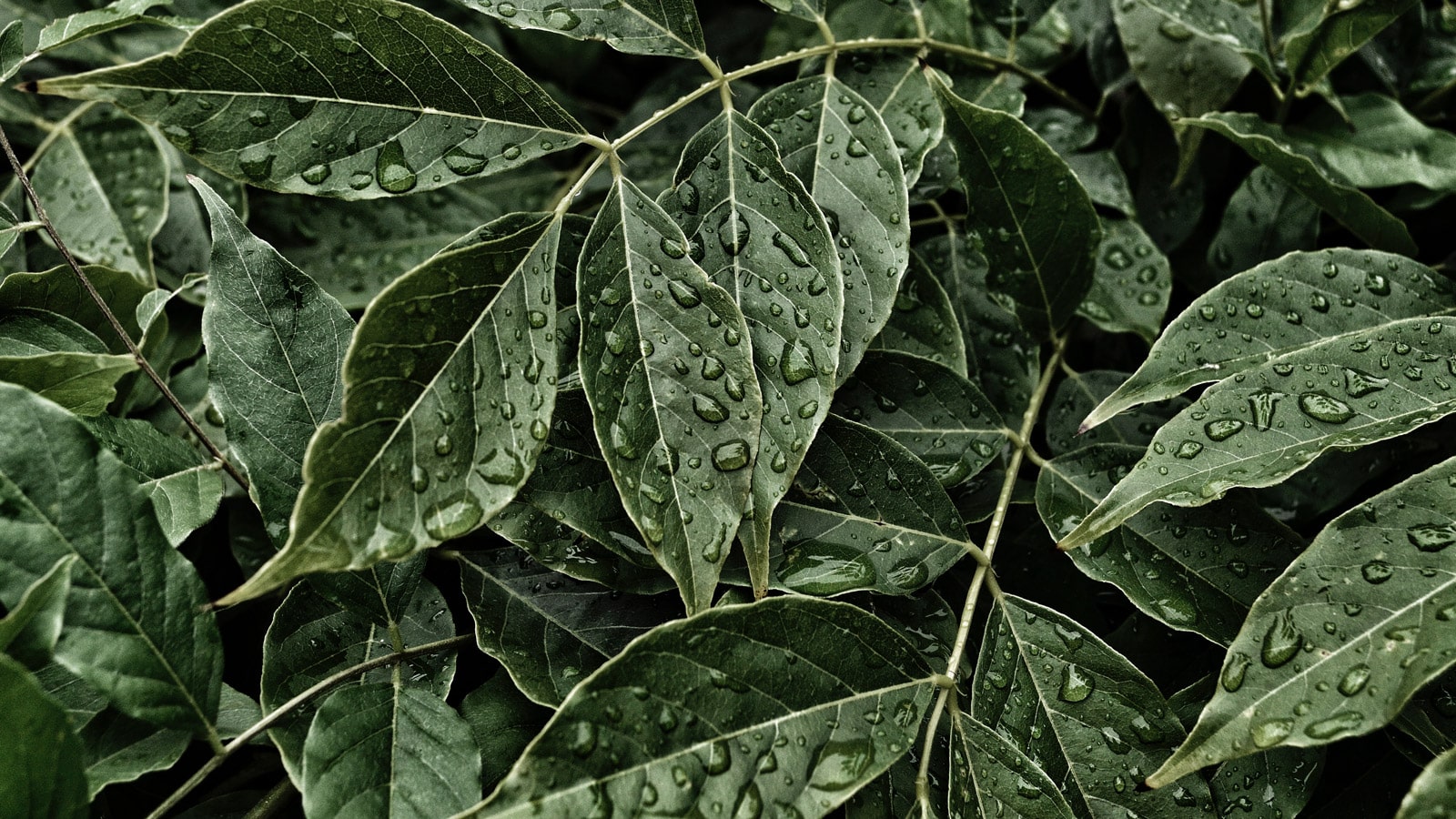
Ravintsara is commonly labeled Cinnamomum camphora ct 1,8-cineole. Distillers often produce this aromatic oil from the leaves of the camphor tree. Its bright, clean scent makes a lovely addition to an evening balm.
Shop carefully because ravintsara and ravensara are separate oils. A ravintsara bottle should display the botanical name Cinnamomum camphora and the 1,8-cineole chemotype. That label gives you a clearer picture of what belongs in your jar.
Why the three ingredients work well together
Coconut oil is the soft carrier phase. It melts readily, feels smooth on the skin, and dilutes the essential oil throughout the balm.
Beeswax pellets bring structure. They turn melted oil into a portable balm that holds its shape in a tin or small glass jar. More beeswax makes a firmer product, while more coconut oil creates a softer scoopable texture.
Essential oil drops belong in the cooled oil-and-wax mixture, never directly on the skin.
A reliable small-batch starting point
For one small jar, gather 2 tablespoons coconut oil and 1 tablespoon beeswax pellets. This formula makes about 1.5 ounces of balm, depending on the exact container and ingredients.
For a gentle adult blend, start with 6 to 9 drops of ravintsara essential oil after the base cools slightly. Check your bottle’s directions and use a reliable dilution calculator when changing the batch size. Sensitive skin often feels best with a lower concentration.
For more ideas on carriers, ratios, and beginner-friendly blending, explore this guide to essential oil blending and dilution.
Three Easy Ravintsara Chest Rub Recipes to Try
Each recipe makes a small batch. Use clean, dry utensils and a heat-safe glass measuring cup or bowl. A double boiler keeps the heat gentle and gives you better control.
Soft Evening Balm
This version stays soft enough to scoop with a fingertip, especially in a cool room.
Ingredients
- 2 tablespoons virgin coconut oil
- 2 teaspoons beeswax pellets
- 4 drops ravintsara essential oil
Melt the coconut oil and beeswax together over low heat. Stir until the pellets disappear and the liquid looks clear. Remove the cup from heat, then allow it to cool for several minutes.
Stir in the ravintsara essential oil once the mixture is warm rather than hot. Pour it into a clean 1-ounce jar, place the lid on loosely as it cools, and label the jar with the ingredients and date.
Everyday Firm Balm
This balanced recipe has a classic balm texture. It travels well in a small tin and softens quickly between warm hands.
Ingredients
- 2 tablespoons coconut oil
- 1 tablespoon beeswax pellets
- 6 drops ravintsara essential oil
Warm the coconut oil and beeswax gently until fully melted. Take the mixture off the heat and wait until the outside of the container feels comfortably warm to touch.
Add the ravintsara oil and stir slowly for about 20 seconds so the aroma disperses evenly. Pour into a clean jar, then leave it undisturbed until solid. A reliable dilution calculator or your product label helps when you make a larger batch.
Firmer Travel Tin Balm
Choose this option if your home runs warm or you prefer a balm that stays firm in a purse or bedside drawer.
Ingredients
- 2 tablespoons coconut oil
- 1 tablespoon plus 1 teaspoon beeswax pellets
- 8 drops ravintsara essential oil
Melt the coconut oil with the beeswax over gentle heat. Once smooth, remove the mixture and let it rest briefly. The cooler temperature protects the fresh aromatic character of the ravintsara oil.
Stir in the drops, pour into a shallow 1-ounce tin, and label it clearly. Let the balm set with the lid off, then close it once the surface is firm and smooth.
How to Use and Store Your Homemade Chest Balm
Start with a small amount, about the size of a pea. Warm it between your fingers, then massage it over an adult chest, upper back, shoulders, or the soles of the feet. The balm leaves a light aromatic veil, so a little goes a long way.
Keep the blend on intact external skin. Areas around the eyes, lips, nostrils, and other delicate skin need extra space from concentrated aromas. Wash hands after application before touching your face.
Start with a patch test
Apply a tiny amount of the finished balm to the inner forearm or elbow crease. Give the area 24 hours, then enjoy broader use when the skin feels comfortable. If warmth, itching, redness, or tightness appears, rinse the area with soap and water and choose a simpler, lower-dilution blend later.
A detailed essential oil patch testing guide can help you build this easy habit into every new recipe.
Keep the jar fresh
Store the balm in a cool, dry cupboard away from direct sunlight and heat. Coconut oil can soften on warm days, while beeswax helps the balm regain its shape once it cools.
Use a clean spoon or small spatula instead of wet fingers. Replace the batch when its scent fades, the color changes, the texture feels grainy, or the surface looks different. Most small homemade balms are best enjoyed within six months when stored well.
Ravintsara Essential Oil Safety for Children, Pregnancy, and Sensitive Users
Ravintsara essential oil is rich in 1,8-cineole, also called eucalyptol. A carrier balm gives this concentrated oil a skin-friendly format, and careful measuring keeps the aroma pleasant and balanced.
Age guidance differs among aromatherapy sources. Families can choose child-specific formulas with support from a qualified aromatherapist or healthcare professional. Cineole-rich oils belong away from a young child’s face, especially around the nose and mouth.
Personal guidance matters
Pregnant and breastfeeding readers can speak with a qualified healthcare professional or trained aromatherapist before adding ravintsara to a body-care routine. This step supports a formula suited to the season and the individual.
People with asthma, epilepsy, a history of febrile seizures, neurologic conditions, fragrance sensitivities, or highly reactive skin also benefit from personalized guidance. A low dilution and a patch test offer a thoughtful starting point for adults who receive approval for topical use.
Keep both the essential oil bottle and finished balm in a high cabinet or secured drawer. Use the balm externally, follow the supplier’s label directions, and keep the recipe simple. One aromatic oil in a familiar base makes it easier to notice how your skin responds.
For additional everyday guidance, keep these essential oil skin safety tips close by when trying a new topical blend.
Frequently Asked Questions
Can I use fractionated coconut oil in this recipe?
Fractionated coconut oil stays liquid at room temperature, so it creates a softer balm. Add a little more beeswax for firmness, such as 1 tablespoon plus 1 teaspoon of pellets for every 2 tablespoons of liquid coconut oil.
What jar works best for homemade chest balm?
A 1-ounce glass jar with a screw-top lid works well for the basic recipe. A shallow metal tin is also practical for firmer balms. Choose a container that is clean, dry, and easy to label.
Why did my balm turn grainy after cooling?
Coconut oil can develop a grainy texture when it cools slowly or experiences temperature swings. Gently remelt the balm until fully clear, stir, and let it set in a stable, cool room.
Can I add other essential oils to ravintsara?
You can keep the first batch focused on ravintsara so the scent and skin feel are easy to assess. Later, a qualified aromatherapy guide and a careful total dilution calculation can help you build a blend with complementary oils.
How can I make the balm softer after it has set?
Remelt the balm over low heat and add 1 teaspoon of coconut oil at a time. Stir well, pour it back into the jar, and let it cool completely before judging the texture.
A Small Jar for a Calmer Evening
Coconut oil softens the balm, beeswax gives it body, and properly diluted ravintsara essential oil brings its clear aromatic note. A small trial batch lets you experience the texture before you adjust the wax or oil ratio.
Label the jar, patch test the finished balm, and let the first batch cool fully before deciding what to change. Careful measuring and age-appropriate use make this simple recipe pleasant and practical.
Keep a jar by your bedside or in a self-care basket for a calm evening ritual.
Stay Connected for More Natural Living Inspiration
If you enjoyed this post about herbal wellness and love discovering natural ways to refresh your home and wellness, don’t miss out on future recipes and clean-living tips! Subscribe to the blog for weekly DIYs, wellness inspiration, and herbal remedies delivered straight to your inbox.
Don’t forget to visit my Amazon storefront for the links to my favorite essential oils, herbal teas, and natural recipes. I also create YouTube ambiance videos for sleeping; a channel I created to help people who have trouble sleeping. The link to all social media content is here.
Thanks for coming by!

Leave a Reply