
(DISCLAIMER: I am not a doctor, and you should consult your healthcare professional before starting any health regimen. Product links are commissioned and supports the blog)

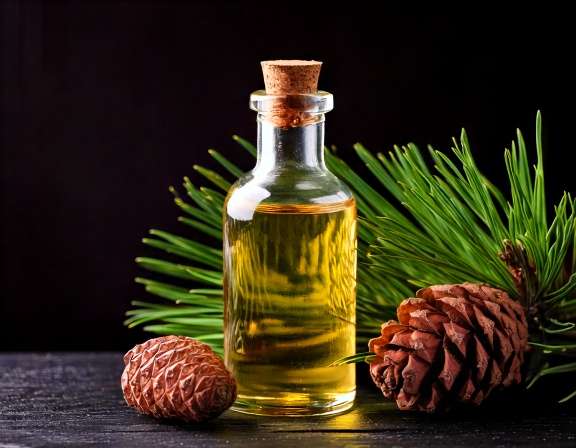
When a cold leaves your nose stuffy and your chest heavy, a fresh forest-like aroma can feel especially comforting. Pine essential oil is a traditional aromatherapy choice for wet coughs, mucus, and that closed-in feeling that comes with congestion.
Its crisp scent may help you feel more comfortable while you rest, hydrate, and sip warm herbal tea. Pine oil offers sensory support, not a replacement for personal health guidance when symptoms need extra attention. A few gentle methods can make it a welcome part of your home comfort routine.
Key Takeaways About Pine Essential Oil for Cough and Congestion
- Pine essential oil is traditionally used in aromatherapy for wet coughs, chest congestion, and a stuffy nose.
- Its fresh, resinous scent may create a clearer, more open breathing sensation.
- Short diffuser sessions and properly diluted topical blends are practical adult-friendly options.
- A little goes a long way. Gentle use often feels more pleasant than a strong, all-day aroma.
- Children, pregnant or breastfeeding people, pets, and those with asthma or sensitive airways need a more careful approach.
Pine oil’s place is simple. It can add a comforting scent to a slow morning, a warm cup of tea, or a restful evening when congestion has made everything feel a little harder.
For more ideas that pair aromatic comfort with everyday care, these essential oil diffuser blends for congestion offer a helpful next step.
Pine Essential Oil Cough and Decongestant Benefits Explained
Pine essential oil has a clean, woodsy aroma that many people connect with fresh air, evergreen branches, and quiet walks outdoors. During a cold, that scent can feel bright and clearing when your nose feels full and your chest feels congested.
Pine oils contain aromatic plant compounds called monoterpenes, including alpha-pinene in many varieties. These naturally volatile compounds move through the air easily, which is part of why pine feels so refreshing in a diffuser. The experience is often more about comfort and sensory relief than a dramatic physical change.
Direct human research on pine oil for cough and congestion remains limited. Still, traditional aromatherapy use has made it a familiar choice for a productive cough, thick-feeling mucus, and stale indoor air.
How Pine Aroma May Support Easier Breathing
A gentle pine aroma may make the nose and chest feel more open, especially when you are resting in a well-ventilated room. The scent can also encourage slower, more relaxed breathing, which feels good when you are tired and uncomfortable.
Some aromatherapy traditions describe pine as expectorant, meaning it may support mucus comfort during a wet cough. Think of it as a supportive layer in your routine, much like a warm blanket or steamy bathroom. Scent response is personal, so start small and notice what feels best for you.
When Pine Oil May Be a Good Fit for a Wet Cough
Pine is often chosen when a cough comes with mucus and a heavy chest feeling. A mild diffuser blend or diluted chest rub can create a comforting ritual before bed, especially alongside warm fluids and humidified air.
A common cold can cause nasal stuffiness and a productive cough. Wheezing, chest tightness, or breathing that feels difficult deserves prompt professional guidance, particularly for anyone with asthma, COPD, or another chronic respiratory condition.
Pine oil can make a comfort routine feel fresher, but the best results usually come from the simple basics too: rest, fluids, warm tea, and fresh air.
Three Simple Ways to Use Pine Essential Oil for Respiratory Comfort
These recipes are designed for adults who already tolerate essential oils well. Use fresh, well-stored oil, follow your diffuser’s instructions, and keep the aroma light enough that the room still feels comfortable.
A Gentle Pine Diffuser Blend for Adults
Ingredients
- 2 drops pine essential oil
- 2 drops lavender essential oil
- 1 drop sweet orange essential oil
- Water for your diffuser reservoir, according to the manufacturer’s directions
Add the water and oils to your diffuser, then run it for 30 to 60 minutes in a ventilated room. Follow with a similar break before deciding whether you want another session. If you prefer a softer scent, use only 1 drop pine and 1 drop lavender for 10 to 15 minutes. Keep children and pets away from the diffuser area, and let everyone have space to move away from the aroma.
Lavender rounds out pine’s sharper notes, while sweet orange adds a gentle brightness. The blend should smell like a soft evergreen breeze, not like a strong fragrance cloud.
A Properly Diluted Pine Chest Rub
Ingredients
- 1 tablespoon jojoba oil or fractionated coconut oil
- 3 drops pine essential oil
- 1 drop lavender essential oil
- 1 drop frankincense essential oil
Combine the carrier oil and essential oils in a small glass bowl or bottle. This makes a modest adult blend, close to a 1% to 2% dilution. Before broader use, apply a small amount to your inner forearm and wait 24 hours to check how your skin feels.
Massage a small amount over the upper chest or upper back, then wash your hands. Keep the blend away from the face, nostrils, eyes, lips, broken skin, and other sensitive areas. The goal is a soft aromatic layer that rises gently as you rest.
Warm Herbal Tea With a Separate Pine Aroma Routine
Ingredients
- 1 cup hot water
- 1 teaspoon fresh grated ginger, or 1 ginger tea bag
- 1 teaspoon dried thyme
- 1 lemon slice or 1 teaspoon lemon juice
- 1 teaspoon honey, for adults and children over 1 year
Steep the ginger and thyme in hot water for 5 to 10 minutes, then add lemon and honey. Sip slowly while sitting somewhere warm and comfortable. Pair the tea with a brief pine diffuser session in a well-ventilated room, using the mild blend above or 1 to 2 drops of pine alone.
Keep the tea and aroma routine separate. Essential oils are never added directly to tea or water for drinking.Choose herbs that suit your personal health needs, medications, and preferences. Ginger, thyme, lemon, and honey make a simple, soothing cup without making the routine complicated.
Safe Pine Essential Oil Use for Adults, Children, and Sensitive Airways
Safe use keeps pine aromatherapy pleasant and practical. Essential oils are concentrated plant extracts, so a small amount is usually plenty. Use pine oil on the skin only when diluted, and keep bottles tightly closed between uses.
Pine essential oil belongs on the outside of the body and in carefully managed ambient diffusion. It is never swallowed or placed in the eyes, nose, mouth, ears, or other mucous membranes.
Dilution, Diffusion, and Storage Basics
For a healthy adult, a 1% dilution is a good starting point. That is about 1 drop of essential oil per teaspoon of carrier oil. Routine adult body blends can stay within about 1% to 2%, depending on the oils used and your skin sensitivity.
Diffuse in intervals, such as 30 to 60 minutes on followed by 30 to 60 minutes off. Fresh airflow matters. If the scent brings coughing, throat irritation, headache, nausea, dizziness, skin redness, or discomfort, turn it off and get fresh air.
Pine is rich in monoterpenes, which can oxidize over time. Store the bottle in a cool, dark place with the cap secure. Replace oil that smells stale, sharp in an unusual way, or causes unexpected irritation.
Extra Care During Pregnancy, Breastfeeding, and Childhood
Pregnancy and breastfeeding call for a conservative, provider-guided approach. Short, low-level exposure may suit some people, while others may prefer to pause aromatic use depending on their health history and comfort level.
Children under 2 do best with age-appropriate comfort measures such as fluids, rest, a humidified room, and warm baths. For older children, a qualified professional may approve very brief, low-level exposure, such as 1 to 2 drops on a cotton ball held 6 to 8 inches away.
Anyone with asthma, allergies, eczema, COPD, or sensitive airways should speak with a qualified healthcare professional before using pine oil. Keep every essential oil bottle locked away from children and pets, and use extra ventilation whenever animals share the space.
Frequently Asked Questions
Which type of pine essential oil should I choose?
Look for a bottle with the botanical name clearly listed, a reputable supplier, and a clean ingredient label. Scotch pine, also called Pinus sylvestris, is a common aromatherapy option with the familiar crisp pine scent many people expect.
Choose oil stored in an amber or dark glass bottle. A clear label and proper storage help you use a fresher product.
Can I blend pine oil with other essential oils?
Yes, pine blends well with lavender, sweet orange, frankincense, cedarwood, and some gentle citrus oils. Start with pine as the main note, then add one or two softer oils rather than combining many strong aromas.
Keep the total number of drops low. A simple blend is often easier to enjoy and easier to adjust.
Can pine essential oil freshen a sick room?
Pine’s fresh scent can make a room feel cleaner and less stale during a cold. Use short diffuser sessions with open airflow, then give the room a scent-free break.
Fresh sheets, a glass of water nearby, and a warm herbal tea can make the room feel even more restful.
Can I use pine oil in a shower?
A shower can be a pleasant place for a light pine aroma. Add 1 or 2 drops to a shower-safe diffuser outside the direct water stream, or place a diluted blend on the upper chest before stepping in.
Avoid dropping essential oil directly onto wet shower floors, where concentrated oil can contact bare skin.
How long does pine essential oil last after opening?
A well-stored pine oil often stays at its best for about one to two years after opening. Heat, light, and frequent air exposure can change its aroma sooner.
Write the opening date on the bottle. That small habit makes it easier to keep your collection fresh and organized.
A Fresh, Gentle Addition to Cold-Season Comfort
Pine essential oil brings a crisp, comforting aroma to routines for a stuffy nose, wet cough, and chest congestion. Its most useful role is simple: gentle inhalation, thoughtful dilution, and short diffuser sessions that fit naturally around rest and hydration.
Keep essential oils out of drinks, use tea ingredients in their own calming cup, and give sensitive airways extra care. Comfort works best in layers, with warm herbal tea, fluids, restful sleep, fresh air, and appropriate health guidance when you need it.
Stay Connected for More Natural Living Inspiration
If you enjoyed this post about herbal wellness and love discovering natural ways to refresh your home and wellness, don’t miss out on future recipes and clean-living tips! Subscribe to the blog for weekly DIYs, wellness inspiration, and herbal remedies delivered straight to your inbox.
Don’t forget to visit my Amazon storefront for the links to my favorite essential oils, herbal teas, and natural recipes. I also create YouTube ambiance videos for sleeping; a channel I created to help people who have trouble sleeping. The link to all social media content is here.
Thanks for coming by!

Leave a Reply