
(DISCLAIMER: I am not a doctor, and you should consult your healthcare professional before starting any health regimen.)

Key Takeaways:
- Palo Santo essential oil comes from Bursera graveolens, a tree native to parts of South America, and it’s used mostly for scent-based rituals and calming routines.
- The aroma is often described as woody, sweet, and citrusy, like warm wood with a twist of orange peel.
- People commonly use it for stress, mood, and focus, but most evidence is indirect (research on key compounds like limonene, not many human studies on Palo Santo oil itself).
- Safety basics matter: dilute for skin, avoid eyes and mucus membranes, and don’t ingest essential oils.
- Ethical sourcing matters because demand can push harmful harvesting; if you want to try a product at home, this is one option.
What Palo Santo essential oil is, and why it smells so unique
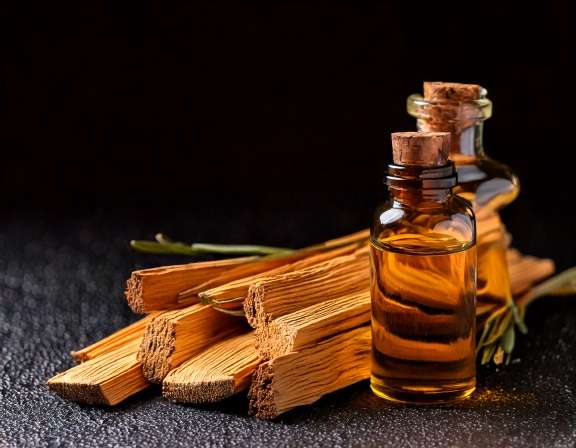
Palo Santo essential oil is a concentrated aromatic oil distilled from the wood of Bursera graveolens. The tree grows mainly in Peru and Ecuador, with related harvesting and trade across nearby regions (often including Bolivia in broader sourcing conversations). In practice, the label should always list the botanical name so you know you’re buying the right plant.
If you’re used to Palo Santo sticks, the oil can surprise you. Burning sticks creates smoke, heat, and a toasted note, plus whatever else is happening in the room (airflow, humidity, the age of the wood). The essential oil, on the other hand, is the captured volatile aroma from distillation. It smells cleaner and more precise, without the campfire edge.
So what makes the scent feel so “signature”? Much of it comes down to natural plant chemicals called terpenes. Terpenes are aromatic molecules plants make for protection and communication, and they’re a big reason essential oils smell the way they do. Palo Santo oil is often rich in limonene, the same compound that gives citrus peels their bright snap. Some sources describe limonene as a major component (commonly reported as a large share of the oil), which helps explain why Palo Santo can smell like wood warmed by sunshine, with a citrus sparkle on top.
If you want a simple way to picture it, think of the scent like a small bonfire made from sweet wood, then someone zests an orange nearby.
From sacred “holy wood” to modern aromatherapy
Palo Santo is often called “holy wood,” and it has a long history of traditional use in Indigenous communities in parts of South America. It’s been used in ceremony, prayer, and meditation, including practices focused on cleansing spaces and setting intention.
That background is part of why it shows up in modern wellness. People light sticks before journaling, use the oil in a diffuser during breathwork, or wear a diluted blend as a personal scent anchor.
It’s worth holding this with respect. Palo Santo isn’t a magic fix, and it isn’t a shortcut to spiritual growth. What it can be, for many people, is a meaningful scent that supports quiet time, reflection, and a calmer home routine.
How real Palo Santo oil is made (and how to spot a fake)
Traditionally, more responsible production starts with naturally fallen wood, then the wood is cured and aged (often for years) before steam distillation. Aging matters because fresh-cut wood doesn’t smell the same, and it can signal poor practices.
A quick authenticity check helps you avoid “Palo Santo-scented” products pretending to be essential oil:
- Look for Bursera graveolens on the label (not just “Palo Santo”).
- Check for a country of origin (often Peru or Ecuador).
- Prefer brands that show batch info and basic testing details when available.
- Watch for price red flags; real Palo Santo oil is rarely bargain-cheap.
- Avoid anything labeled “fragrance oil” if you want true essential oil. Fragrance oils can be lovely, but they’re not the same product.
Benefits people use Palo Santo oil for, and what research can actually say
People don’t reach for Palo Santo essential oil because they want “a smell.” They want a feeling, a shift in the room, a softer edge on a stressful day. That’s real, even if it’s hard to measure.
Here’s the clean way to think about benefits: what people report versus what evidence suggests.
Many users report that Palo Santo oil:
- helps them feel more grounded during stress
- supports a lighter mood during a long workday
- makes meditation or yoga feel easier to settle into
- helps create a “clean, calm” vibe in a room
Those experiences make sense in aromatherapy. Scent is tied to memory and emotion, and your brain can learn to associate one aroma with a certain state (calm, focus, sleep). Over time, the smell becomes a cue.
What research can say is more limited. Palo Santo essential oil itself has few direct human studies. Most of the science discussion centers on its compounds, especially limonene, which has been studied more widely. Early research (including animal studies) suggests limonene may have stress-reducing effects when inhaled, but that doesn’t automatically translate into proven results for everyone in daily life. The same goes for lab findings that suggest certain terpenes have antioxidant or anti-inflammatory activity. Promising isn’t the same as proven treatment.
A practical takeaway: Palo Santo oil can be a helpful part of a routine that supports rest and mood, but it shouldn’t replace medical care for anxiety, depression, pain, or any health condition.
If you want to try it at home in a diffuser or a diluted roll-on, this is one option to consider.
Stress, mood, and focus: what aromatherapy is good at
Scent signals travel fast. When you inhale an essential oil, aroma molecules reach smell receptors that connect to brain areas involved in emotion and memory. That’s one reason a certain smell can pull you into a memory in seconds.
Aromatherapy tends to work best as support for habits you already want: slowing down, breathing deeper, taking breaks, shutting screens off earlier. It’s not a cure for anxiety or depression, and it won’t erase the reasons you’re stressed. But it can help set the tone.
When Palo Santo might help most:
- Work breaks when your brain feels noisy and you need a reset
- Bedtime wind-down when you want your room to feel softer and quieter
- Meditation or stretching when you’re training your body to relax on purpose
If focus is your goal, keep expectations simple. Think “steady attention for the next task,” not “laser focus for six hours.”
Skin and body support: what’s promising, and what to avoid claiming
You’ll often hear that Palo Santo oil supports the body because of compounds like limonene, which has research interest for anti-inflammatory and antioxidant activity. That’s encouraging, but it’s not a green light to claim it treats arthritis, eczema, infections, or anything else.
For most people, topical use is best thought of as scent plus comfort, like a lightly scented massage oil after a long day. Keep it diluted, keep it away from broken skin, and do a patch test the first time you use it.
How to use Palo Santo essential oil safely at home
Palo Santo oil is potent. The goal isn’t to flood your space or coat your skin in scent. A few drops can do plenty.
Here are safe, simple ways to use it:
- Diffuser: Add a small number of drops to water, then diffuse in short sessions.
- Personal inhaler: A portable option that keeps the scent close and controlled.
- Steam bowl (caution): Use for aroma comfort only, and avoid if you’re sensitive to strong scent or prone to asthma flares.
- Topical blend: Dilute in a carrier oil for wrists, shoulders, or feet.
- Bedtime blend: Combine Palo Santo with a softer oil (like lavender) in a low dilution, then apply or diffuse briefly.
Dilution guidelines for adults:
- 1 percent for daily use (about 1 drop essential oil per 1 teaspoon, 5 ml, of carrier oil)
- Up to 2 percent for short-term use (about 2 drops per 1 teaspoon, 5 ml, of carrier oil)
Core safety rules: don’t ingest essential oils, avoid eyes and inner nose, wash hands after use, and keep oils away from kids and pets. Use extra caution if you’re pregnant, nursing, have asthma, or get migraines triggered by fragrance.
Possible side effects include skin irritation, headaches, or nausea if the scent is too strong. If you feel off, stop and air out the room.
If you’re building a broader essential oil routine for the home, these guidelines pair well with other safety-first basics found in an essential oil starter approach like Essential Oils for a Natural First Aid Kit.
Easy diffuser and inhale routines (morning, mid-day, bedtime)
Keep diffuser sessions short. You want a gentle background note, not a fog machine.
Morning reset (for a clear start)
Use 3 to 5 drops in your diffuser, run 15 to 20 minutes, then turn it off. If you like blends, Palo Santo plus a bright citrus oil can feel crisp and clean.
Mid-day break (for mood and patience)
Use 2 to 4 drops, run 15 minutes while you stretch, refill water, or step away from your screen. If you want a woodier feel, pair Palo Santo with cedarwood for a calmer, grounded tone.
Bedtime wind-down (for softer edges)
Use 2 to 3 drops, run 15 to 30 minutes while you do your night routine, then turn the diffuser off before sleep. A simple blend is Palo Santo plus lavender (keep it light).
If you’re also exploring diffusing for a fresher home vibe, you might like Tea Tree Oil Diffuser Benefits for a different, more herbal direction.
Topical use the safe way: dilution, patch testing, and who should skip it
For skin, always use a carrier oil like jojoba, sweet almond, grapeseed, or fractionated coconut oil. The carrier slows absorption and reduces irritation risk.
Common places people apply a diluted blend include wrists, the back of the neck, shoulders, chest (lightly), or feet. Avoid the face and keep it away from eyes.
A simple patch test:
- Mix a 1 percent dilution (1 drop per 1 teaspoon carrier oil).
- Apply a small amount to your inner forearm.
- Wait 24 hours and watch for redness, itching, or burning.
People who should be extra careful (or skip topical use unless a clinician says otherwise):
- Pregnancy or nursing
- Babies and kids
- Sensitive skin or a history of reactions
- Asthma or scent-triggered breathing symptoms
- Migraine or fragrance sensitivity
- Pets, especially cats (diffuse lightly, ventilate well, and give pets a way to leave the room)
For steam and breathing comfort routines with essential oils, this Natural Sinus Relief Essential Oil Recipe is a useful reference for approach and precautions.
Buying ethically: sustainability, sourcing, and what “responsibly harvested” should mean
Palo Santo has become trendy, and trends can pressure ecosystems. The biggest red flag is simple: cutting live trees to meet demand. More responsible sourcing focuses on wood that has fallen naturally, then has been aged before distillation. Brands may also describe local partnerships and community-led harvest, but you still want specifics, not vague promises.
Look for transparency in plain language. “Responsibly harvested” should mean you can understand what the company does, where it happens, and how they verify it. If the site doesn’t say much, that silence is information too.
A smart buyer checklist:
- Botanical name: Bursera graveolens
- Clear origin (often Peru or Ecuador)
- Distillation method (commonly steam-distilled)
- Testing details when available (many brands reference GC/MS reports)
- Supply chain clarity, not just marketing
Also, use it mindfully. A small bottle lasts a long time when you keep sessions short and dilutions low.
If seasonal breathing comfort is part of why you’re buying oils, Essential Oils for Seasonal Allergy Relief can help you compare options without putting everything on one trendy ingredient.
Questions to ask brands before you trust the label
- Where is your Palo Santo sourced, and what region is it from?
- Do you use only naturally fallen wood, and how do you verify it?
- How long is the wood aged or cured before distillation?
- Is the product labeled Bursera graveolens (and not a blend or fragrance)?
- Do you have GC/MS testing or other quality documentation?
- How do you support local harvesters or community partners?
- What steps do you take to reduce harm from increased demand?
Conclusion
Palo Santo essential oil is a fragrant oil from Bursera graveolens, loved for its woody-sweet citrus scent and its ability to support calming routines. The best beginner approach is simple: try a short diffuser session, or use a 1 percent diluted blend on your wrists as a personal scent cue. Keep safety front and center, don’t ingest it, dilute it, and stop if you feel irritated or headachy.
Just as important, buy with care. Ethical sourcing isn’t a bonus feature, it’s part of using Palo Santo with respect. Choose one routine to try this week (mid-day break, bedtime wind-down, or a quick reset), then pay attention to how the space feels when the scent arrives.
Stay Connected for More Natural Living Inspiration
If you enjoyed this post about herbal wellness and love discovering natural ways to refresh your home and wellness, don’t miss out on future recipes and clean-living tips! Subscribe to the blog for weekly DIYs, wellness inspiration, and herbal remedies delivered straight to your inbox.
Don’t forget to visit my Amazon storefront for the links to my favorite essential oils, herbal teas, and natural recipes. I also create YouTube ambiance videos for sleeping; a channel I created to help people who have trouble sleeping. The link to all social media content is here.
Thanks for coming by!

Leave a Reply