

(DISCLAIMER: I am not a doctor, and you should consult your healthcare professional before starting any health regimen. Product links are commissioned and supports the blog)

If you’re tired of petroleum-based chest rubs that leave your skin feeling heavy or irritated, you’re not alone. Many folks want a natural chest rub that soothes coughs and tightness, without synthetic ingredients or harsh chemicals. Making a homemade vapor rub with plant-based oils gives you peace of mind, especially when you’re caring for children or anyone with sensitive skin. You’ll learn which essential oils for cough work best, how to blend them safely, and tips for relief that feels gentle but does the job. For more ways to ease chest pressure, check out this guide on natural relief for congestion with essential oils.
Why Go Petroleum-Free? Benefits of a Natural Chest Rub
Switching to a natural chest rub is more than a wellness trend, it’s a conscious choice for peace of mind and skin comfort. If you’re wary of slathering petroleum jelly or synthetic fragrances on your family, you’re not alone. Natural chest rubs focus on simple, plant-based ingredients that help soothe chest discomfort, all while respecting sensitive or delicate skin.
Concerns with Petroleum-Based Chest Rubs
Petroleum jelly, the base in most commercial vapor rubs, comes from refined crude oil. This processing can leave behind unwanted contaminants and impact sensitive skin, especially for kids.
- Potential skin irritation: Petroleum can clog pores or trap heat, which may lead to breakouts or irritation.
- Residue on skin and clothes: Thick, greasy formulas stick around long after you need them.
- Artificial scents: Many chest rubs add perfumes or synthetic ingredients that don’t actually help ease congestion.
Parents often opt for natural choices to skip unnecessary chemicals, minimize risks, and keep things clean.
Benefits of Choosing a Natural Chest Rub
Plant-based chest rubs rely on natural oils and real botanical extracts. Here’s why families, especially those with kids, are making the switch:
- Gentle on all ages: Coconut oil, olive oil, and beeswax support sensitive skin and absorb quickly without stickiness.
- Soothes without side effects: Pure essential oils for cough, like eucalyptus and lavender, work with your body for comfort and calm.
- Customizable comfort: You decide which scents and strengths you use, so it fits your needs (and your nose!).
When congestion strikes, a natural chest rub supports clear breathing, comfort, and sleep. It fits right into a family’s routine, offering peace of mind during sniffle season.
If you’re looking for more ways to clear up stuffy noses and tight chests, you may want to explore essential oils for colds and natural congestion relief. These powerful oils offer additional support when cold symptoms won’t quit.
Healthy Ingredients That Work
A homemade vapor rub isn’t just “petroleum-free.” It’s also packed with simple, well-known ingredients:
- Coconut or olive oil as a nourishing base
- Beeswax for texture and gentle protection
- Essential oils such as eucalyptus, peppermint, or tea tree for their nose-clearing and soothing effects
Many find that a natural chest rub quickly becomes a must-have in their family medicine cabinet, especially when paired with other top essential oils for cough. The result? Fewer harsh chemicals, stronger peace of mind, and real relief that you can feel good about.
Essential Oils for Coughs & Congestion: Choosing the Best Ingredients
Picking the right essential oils for cough and congestion can make a homemade vapor rub work even better. Not every oil gets the job done. Some bring powerful decongestant effects, others cool the skin, and some options are safe enough for the youngest family members. Here’s how to choose the best ingredients when you want to create a natural chest rub that soothes and supports easier breathing.
Eucalyptus Oil: Classic Relief
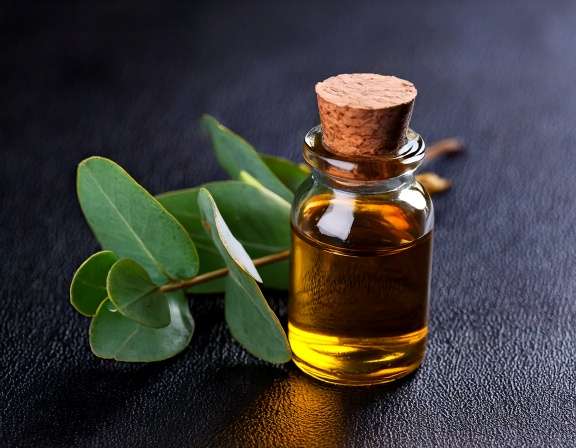
Eucalyptus oil is the go-to ingredient in many homemade vapor rub recipes, and for good reason. Its fresh, sharp scent cuts through stuffy air and makes breathing feel easier within minutes. Eucalyptus has a long history of use for colds, coughs, and chest tightness. Modern research backs this up. The main compound, cineole, helps relax airways and clear mucus, making it a smart pick for coughs and stuffiness.
Clinical studies suggest that using eucalyptus can reduce coughing fits and help open congested sinuses. Many people say that, when added to a natural chest rub, it delivers noticeable comfort and faster relief than plain oils alone.
- Supports clear airways and calm breathing
- Breaks up thick mucus naturally
- Smells clean and comforting without synthetic fragrance
If you’re curious about other oils with research-backed benefits, check out this essential oil for cough relief for more ideas that blend well with eucalyptus.
Peppermint and Other Cooling Oils
Peppermint oil is another favorite when it comes to homemade vapor rubs. Its menthol tingle cools the skin and makes each breath feel deeper. Peppermint doesn’t just mask symptoms; it actively helps calm coughs and opens nasal passages.
Other great cooling oils to consider include:
- Tea Tree Oil: This powerful oil helps with chest tightness and works well for seasonal stuffy noses.
- Rosemary Oil: Its crisp scent pairs nicely with others and gives an energizing lift to blends.
These cooling oils play a key role in easing stuffiness and lingering chest pressure, especially when the weather is dry or pollen counts are high. For a deep dive into which oils to combine for congestion, take a look at natural relief techniques in essential oils for congestion and stuffy noses.
- Brings a cooling, soothing effect to irritated chests
- Pairs well with eucalyptus for classic homemade vapor rubs
- Helps break through stubborn congestion
Kid-Safe Options
Making a natural chest rub for children calls for extra care. Not all essential oils are right for little ones, but some gentle choices offer comfort without risk.
Safe essential oils for cough relief in children include:
- Lavender: Calms both coughs and fussy moods, making it great at bedtime.
- Chamomile: Soothes skin and nerves, helping little bodies relax and recover.
- Frankincense: Known for gentle support of respiratory health.
It’s best to avoid strong oils (like peppermint, eucalyptus, and rosemary) for babies and young kids under age six. These potent oils can be too intense and sometimes lead to breathing issues in children.
When working with minors, always:
- Use diluted oils (mix into a carrier oil like coconut or olive)
- Patch test on a small skin area first
- Skip oils like wintergreen, cinnamon, and clove, which can irritate sensitive skin
Choosing safe ingredients means your homemade vapor rub comforts the whole family with less worry and more effective relief.
How to Make a Natural Chest Rub at Home: Step-by-Step Recipe
Making your own natural chest rub is easier than you think. When coughs or congestion hit, having a homemade vapor rub ready gives relief without guessing what’s inside. With a few simple ingredients and some essential oils for cough, you can create a gentle, effective balm for the whole family. Follow these clear steps to get started, and keep reading for tips on customizing your homemade vapor rub to best fit the people you care about most.
Ingredients & Equipment Needed
Before you get started, gather your supplies to keep the process smooth and mess-free. This chest rub relies on natural, skin-friendly ingredients that are safe for adults and children. Here’s what you’ll need:
Base Ingredients:
- 1/4 cup coconut oil (solid at room temp, deeply moisturizing)
- 2 tablespoons olive oil or sweet almond oil (softens the blend)
- 2 tablespoons beeswax pellets (helps the rub set and prevents melting)
Essential Oils for Cough & Congestion Relief:
- 12 drops eucalyptus essential oil
- 8 drops peppermint essential oil
- 6 drops tea tree essential oil
- Optional: 4 drops rosemary or 4 drops sweet basil essential oil (adds variety and extra benefits; for more on basil oil see the wellness articles page 15)
Equipment:
- Heat-safe glass bowl or double boiler
- Small saucepan
- Silicone spatula or metal spoon
- Measuring spoons
- 4-ounce glass jar or tin (with a tight-fitting lid for storage)
Gather everything before starting. Using glass for bowls and jars is recommended since essential oils may react with plastic over time.
Instructions for Preparation
Making your natural chest rub at home is straightforward. Follow these steps for a smooth, effective balm:
- Melt Your Base
Add coconut oil, olive oil, and beeswax pellets to your heat-safe bowl. Set this bowl over a saucepan filled with a couple inches of simmering water (double boiler style). Stir until everything is melted and fully combined, usually about 5 minutes. - Cool and Add Essential Oils
Remove the bowl from heat and let it cool for 2–3 minutes. The oils should be warm to touch but not hot. Add your drops of essential oils at this point. Stir well to fully mix in those congestion-fighting scents. - Pour Into Container
Carefully pour the liquid balm into your glass jar or tin. Use a spatula to scrape the bowl clean. Let the rub cool uncovered for an hour so it sets up firm. - Storage
Once solid, cap the jar tightly. Store at room temperature for up to 6 months. Always use clean, dry hands to scoop out the balm.
Apply a dime-sized amount to your chest, upper back, or even the soles of your feet. Massage until absorbed. This soothing balm can be used as needed, just avoid contact with eyes and broken skin.
Customizing Your Homemade Vapor Rub
One of the best things about creating your own homemade vapor rub is that you can adjust it for specific needs. Whether you’re making a batch for a small child or want a unique scent, here are easy ways to personalize your natural chest rub:
For Adults:
- Stick with the full-strength essential oil amounts listed above for deep congestion relief.
- Consider adding rosemary or a touch more peppermint for a sharper, invigorating scent.
- If you love sweet or herbal notes, a few drops of basil are soothing and blend well. More about the benefits of different oils, including orange and basil, can be found by exploring our wellness articles page 15.
For Kids or Sensitive Skin:
- Reduce essential oils by half (or more for babies and toddlers).
- Use gentle oils like lavender or chamomile instead of peppermint or eucalyptus for the under-6 crowd.
- Always do a patch test before using a new blend on children.
For Allergies or Scent Preferences:
- Swap olive oil for grapeseed or sunflower oil if nut or olive allergies are a concern.
- Choose different essential oils such as frankincense, lavender, or sweet orange if sensitive to certain scents. If curious about sweet orange, learn about its benefits and uses in our guide to unlocking sweet orange oil advantages.
- Avoid problematic oils and always check labels for purity.
Adjust the carrier oils, beeswax, and essential oils to match your family’s needs or even your personal mood. That’s the beauty of a homemade vapor rub, each batch is uniquely yours, with only the ingredients you trust.
Safe Use, Storage, and Precautions for Homemade Vapor Rubs
Using a homemade vapor rub can bring real comfort, but it’s important to apply it with care, store it the right way, and watch for any skin or breathing reactions, especially if you’re making it for babies or children. This section covers everything you need to know about safely using, storing, and handling your natural chest rub, so you can get the best results with peace of mind.
Proper Application for All Ages
When using a natural chest rub, how and where you apply it matters. For most adults and older kids, massage a dime-sized amount onto the chest or upper back. You can also rub a small amount on the soles of the feet and cover them with socks at bedtime for added comfort.
For children under six, always use a gentle touch and reduce the amount of essential oils used in your blend. Never apply homemade vapor rub to the face, inside the nostrils, or on broken or irritated skin, as strong oils can cause stinging or difficulty breathing. After applying, wash your hands to avoid accidentally transferring oils to sensitive areas, like the eyes.
Best Practices for Storage
Storing your homemade vapor rub properly keeps it fresh and effective longer. Always use a glass jar or tin with a tight-fitting lid to stop air and light from breaking down the oils. Keep your container out of direct sunlight, heat, or humidity your medicine cabinet or bedroom drawer works well.
Homemade vapor rub is shelf-stable for up to six months if made with fresh ingredients and handled with clean, dry hands. Avoid dipping wet fingers into the jar, as water introduces bacteria and shortens the shelf life.
Recognizing and Preventing Side Effects
While a natural chest rub made from gentle oils is generally safe, watch for possible reactions, especially in young kids or those with sensitive skin.
- Skin irritation: Redness, itchiness, or a rash may appear after use. If this happens, rinse the skin with mild soap and water and try a more diluted blend next time.
- Respiratory sensitivity: Some essential oils (like peppermint or eucalyptus) are too strong for young babies or those with asthma. Only use kid-safe oils and keep the rub away from faces and nostrils.
- Allergic response: Rarely, an allergy to a carrier oil or beeswax can show up as swelling, hives, or trouble breathing. Discontinue use right away if you notice these signs.
Always patch test a small amount on the inside of the forearm before applying widely, especially for sensitive skin or those trying a new blend. For guidance on gentle blends and oil safety, see the tips in this article on essential oils for beginners and how to use them safely: how to use essential oils safely.
Special Considerations for Babies and Children
Babies and young children are especially sensitive to strong scents and essential oils, even in a homemade vapor rub. For little ones under two, skip essential oils entirely or use only dilute blends of lavender or chamomile. For ages two to six, use minimal drops of only the gentlest oils and keep the rub away from the face and hands.
Quick safety reminders for young kids:
- Never use oils like peppermint, eucalyptus, or rosemary on babies or under age six
- Use a very small amount on the chest or upper back
- Always patch test before use
If you are ever unsure about what’s best for babies or toddlers, or if your child has breathing issues, check first with a doctor or an experienced aromatherapist. For additional safety advice and natural tips for blocked sinuses, see the guide to natural sinus congestion relief with essential oils.
A little care goes a long way when it comes to making and using a natural chest rub at home. With the right precautions and storage, you can enjoy safe, effective relief any time you need it.
Other Effective Natural Remedies for Coughs & Congestion
A homemade vapor rub is a smart way to handle stuffy noses and cough, but you can boost relief with other natural options. These gentle remedies can work alongside your natural chest rub for faster, steadier comfort. Below are proven home methods that bring soothing, steady support when coughs or congestion hit.
Steam Inhalation for Instant Relief
Steam inhalation is simple but powerful. Warm, moist air helps loosen thick mucus, clear sinuses, and relax a tight chest. All you need is a bowl of hot water and a towel.
- Pour steaming hot (but not boiling) water into a large bowl.
- Add a few drops of essential oils for cough, like eucalyptus or tea tree, if you want deeper relief.
- Drape a towel over your head, lean over the bowl, and breathe deeply for 5–10 minutes.
This method is perfect right before bed or first thing in the morning. If you’re using essential oils, stick with safe options for your age group and follow the same safety tips as for your homemade vapor rub.
Herbal Teas That Support Breathing
Herbal teas are more than comforting, they bring real benefits for the lungs and throat. If your cough just won’t quit, sip on these naturally soothing cups:
- Peppermint tea: Cools inflamed throats and eases cough spasms.
- Ginger tea: Helps calm irritation and thins stubborn mucus.
- Thyme tea: Praised for its natural antibacterial and expectorant effects.
- Chamomile tea: Relaxes muscles, softens your throat, and promotes sleep.
Sweeten your tea with a spoonful of honey. Honey coats a sore throat and has a mild antimicrobial effect (skip honey for children under one year). Drinking warm fluids throughout the day helps your body keep fighting and clears up congestion faster.
Saline Nasal Rinses
Saltwater rinses help clear out thick mucus, dust, and allergens from your nasal passages. Using a neti pot or saline spray once or twice a day is a safe way to breathe easier during cold and allergy seasons.
- Mix a half-teaspoon of non-iodized salt with 1 cup of warm distilled or previously boiled water.
- Gently pour or spray into each nostril while leaning over a sink.
- Breathe gently through your mouth and let mucus and saline drain out.
Pair a warm saline rinse with your natural chest rub for full-spectrum relief.
Rest, Hydration, and Extra Support
Never underestimate the basics. Good sleep and plenty of fluids are cornerstones for any recovery. When paired with your homemade vapor rub and these gentle remedies, you get a comforting routine that’s easy on the body. Use a warm mist humidifier in your room overnight to keep airways moist. Rest and hydration give your body its best shot at a quick, full recovery.
Exploring More: Natural Lung Support with Essential Oils
When coughs and congestion last longer, or if you’re looking for extra ways to support your lungs during respiratory illness, some essential oils go beyond basic relief. Oils like tea tree, ginger, and oregano are often used for deeper support, and can be helpful when facing tougher cases, including pneumonia symptoms. For a thorough list of oils and how to use them in your wellness routine, check out the best essential oils for pneumonia and see what options could offer stronger support.
When you combine a natural chest rub with these simple, time-tested remedies, you make your comfort routine more complete. Working together, these easy steps help you breathe easier and recover faster, all without extra chemicals.
Conclusion
Making your own natural chest rub gives you full control over what goes on your skin and helps you skip irritating chemicals found in many store-bought options. A homemade vapor rub with essential oils for cough and congestion can soothe discomfort, support easier breathing, and bring comfort to your whole family. Choosing simple, plant-based ingredients means relief comes with fewer worries and more benefits.
If you want to build an even better natural care routine, try adding other gentle practices, such as sinus blends and warm teas. Explore more ways to breathe easily with sinus relief techniques in the guide to the best essential oil blends for allergy relief.
Thanks for reading if you found this natural chest rub helpful, share your experience or your own tips in the comments. For more natural wellness ideas and practical support, browse other trusted remedies across the site. Your journey to clear, comfortable breathing can start with a single simple step.
Stay Connected for More Natural Living Inspiration
If you enjoyed this post about herbal wellness and love discovering natural ways to refresh your home and wellness, don’t miss out on future recipes and clean-living tips! Subscribe to the blog for weekly DIYs, wellness inspiration, and herbal remedies delivered straight to your inbox.
Don’t forget to visit my Amazon storefront for the links to my favorite essential oils, herbal teas, and natural recipes. I also create YouTube ambiance videos for sleeping; a channel I created to help people who have trouble sleeping. The link to all social media content is here.
Thanks for coming by!

Leave a Reply