
(DISCLAIMER: I am not a doctor, and you should consult your healthcare professional before starting any health regimen. Product links are commissioned and supports the blog)

Key Takeaways:
- Black pepper essential oil has a warming aroma that many people find opening and soothing.
- Best at-home uses are diffusion and properly diluted topical blends (never neat on skin).
- If you have asthma or reactive airways, don’t use it during flare-ups without medical guidance.
- Quality, storage, and dilution matter, because strength varies by brand and batch.
- Start low and stop quickly if you notice irritation, tightness, or a headache.
Ever notice how winter air can make your chest feel tight, or how a simple cold can leave you breathing through a “straw” for days? When you just want to feel more comfortable, scent can matter. A warm, spicy aroma can feel like it “moves” the air, even when your nose and chest still feel heavy.
That’s where black pepper essential oil gets interesting. It’s not a medicine, and it won’t treat infections or replace your inhaler. But used the right way, it can be a supportive add-on for comfort, relaxation, and that “I can finally take a full breath” feeling.
Why black pepper essential oil may support respiratory comfort
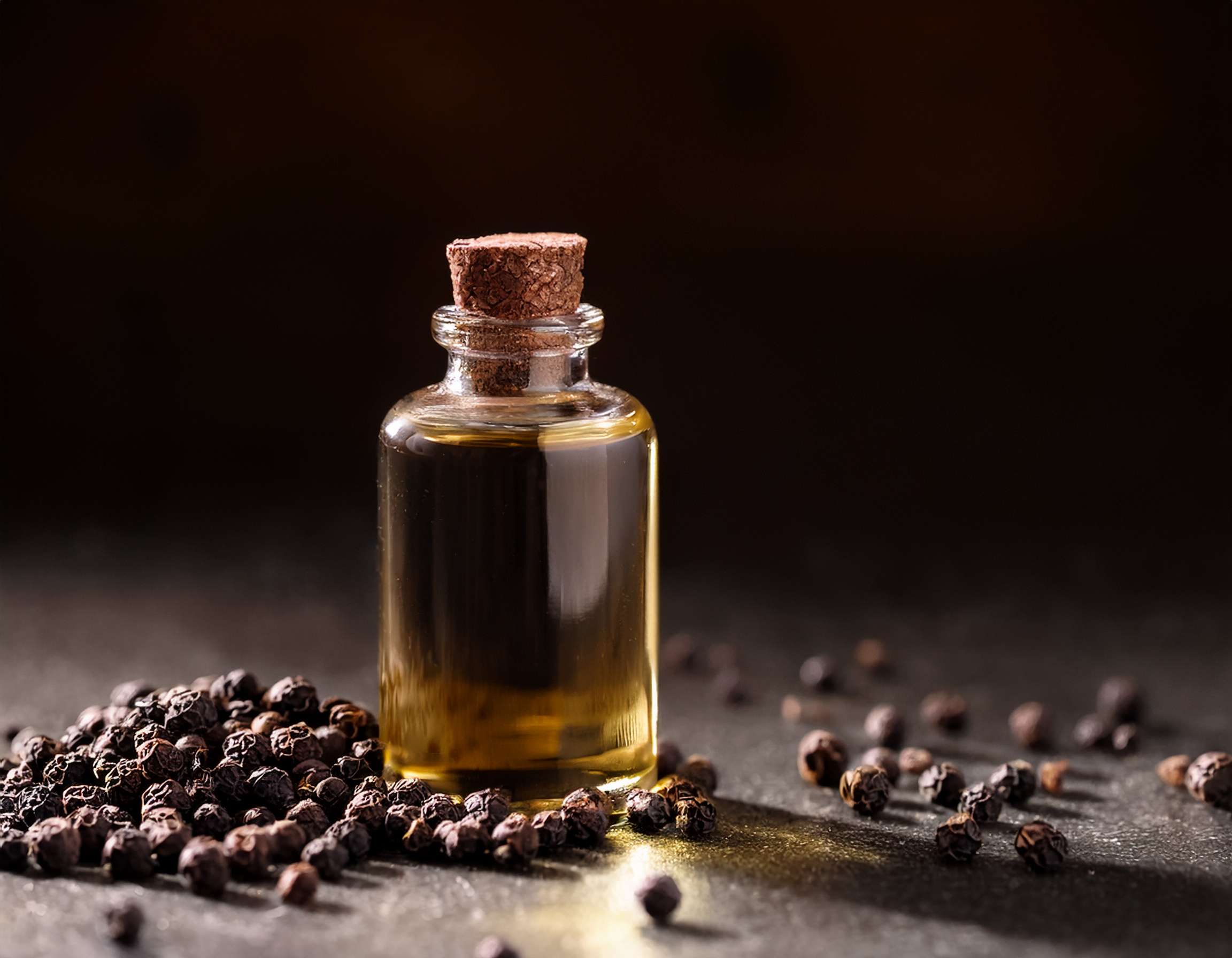
Black pepper essential oil is typically steam-distilled from dried peppercorns (the same plant that gives you kitchen pepper). The aroma is spicy, woody, and warm, not minty or sharp. That warming character is why many aromatherapy fans reach for it when their body feels chilled, tense, or “closed up.”
When it comes to respiratory comfort, the goal isn’t to “kill germs” or fix an illness. The goal is simpler: support a sense of ease. A warm scent can feel grounding, and some people notice that when they relax, their breathing feels less forced. Think of it like loosening a tight scarf. Your airway doesn’t magically change, but your body stops bracing, and the breath feels smoother.
Black pepper oil also pairs well with classic breathing oils like eucalyptus and rosemary (in careful amounts). Those oils bring the fresh “airway” vibe, while black pepper adds warmth and depth. For some people, that combination feels more balanced than using only strong, cooling oils.
A quick reality check helps here: essential oils work through scent and skin contact (when diluted), and those experiences can influence comfort. They don’t replace medical treatment. If you suspect a chest infection, pneumonia, or uncontrolled asthma, essential oils should not be your main plan.
The main compounds behind the warming, clearing feel
Black pepper essential oil contains natural plant chemicals called constituents. You don’t need to memorize them, but it helps to understand why the aroma feels the way it does.
Many black pepper oils include constituents such as beta-caryophyllene, plus small amounts of terpenes like limoneneand pinene (and other related compounds). In plain terms, these chemicals shape the scent profile and how your body responds to smelling it.
Here’s the part that matters for respiratory comfort: when you inhale an aroma, scent signals travel fast. They connect with parts of the brain involved in stress response and memory. That’s why a smell can make you feel calm, alert, comforted, or irritated in seconds. When stress drops, your breathing often feels less tight. You may also notice a “clearing” sensation just from how the aroma registers in the nose, even if congestion is still present.
Also, essential oil composition changes. Harvest time, growing region, and distillation methods can all shift the scent and strength. That’s one reason quality matters, and why you should start with fewer drops than you think you need.
What the research suggests, and what it does not prove
When people look up black pepper essential oil benefits, they’ll often find a mix of evidence: lab studies, animal studies, small human studies, and traditional use. That kind of research can be useful, but it’s not the same as proof that an oil treats a disease.
What black pepper oil may do, based on how aromatherapy is commonly used:
- Support a feeling of easier breathing through relaxation and sensory effects.
- Feel soothing as part of a diluted chest or back rub (mainly because warmth and massage are comforting).
- Help you settle, which can matter when congestion makes sleep harder.
What it does not prove or guarantee:
- It doesn’t replace inhalers, antibiotics, steroids, or medical care.
- It can’t cure asthma, pneumonia, COPD, or bronchitis.
- It won’t “break up” severe chest congestion in a reliable, medical way.
If you want a broader view of respiratory-focused oils and where they fit in a supportive routine, this guide can help you compare options: Essential oils for bronchitis relief.
Best ways to use black pepper essential oil for breathing support at home
Black pepper essential oil is strong. The safest way to use it for respiratory comfort is to keep the dose low, use it for short periods, and avoid direct contact with sensitive areas (nose, eyes, lips). A good rule is “low and slow.” You can always add later, but you can’t un-diffuse an oil once the room is saturated.
The three most practical methods at home are diffusion, a personal inhaler, and a diluted chest or back rub. Each one creates a different experience.
Diffusion is the most “whole room” approach. It can make the space feel warm and breathable, especially in dry winter months. A personal inhaler is more targeted. It’s also easier to control if you share a home with someone who doesn’t like strong scents. A rub is best when you want that cozy, tucked-in feeling, but only when you’re willing to dilute properly and patch test.
A simple analogy: diffusion is like simmering soup in the kitchen, the whole house smells it. A personal inhaler is like opening the spice jar for a quick sniff. A rub is like adding a warming balm, it’s more intimate and longer lasting.
Diffusing for a warm, spicy air-clearing vibe
Start with a small amount. For many standard water diffusers, 2 to 3 drops of black pepper essential oil is enough. Diffuse for 15 to 30 minutes, then turn it off and let the room air out. If you notice a headache, throat tickle, watery eyes, or irritation, stop the session and open a window.
Black pepper often works best as a supporting note, not the star. Consider pairing it with oils that people commonly use for a “clearer” feel, such as eucalyptus radiata, ravintsara, rosemary ct cineole, or frankincense. For nighttime, add a gentler oil like lavender so the blend doesn’t feel too sharp.
If you want a ready-to-try congestion-focused blend idea (and a sense of how other oils are commonly combined), this post offers a helpful reference point: DIY sinus relief diffuser recipe.
A simple diffusion direction you can try:
- Add water to your diffuser as directed.
- Add 2 drops black pepper.
- Add 1 drop lavender (optional for bedtime).
- Diffuse for 20 minutes, then stop.
A few practical safety notes:
- Diffuse in a larger room with airflow, not a tiny closed bedroom all night.
- Keep in mind kids and pets have smaller bodies and can be more sensitive.
- If someone in your home has asthma or scent-triggered headaches, skip diffusion and use a personal inhaler instead.
If you want more background on why eucalyptus is a common choice for that “open airways” sensation, this guide lays it out clearly: Eucalyptus oil for congestion relief.
A simple diluted chest rub blend (and how to patch test)
Topical use can feel comforting because you’re combining scent, warmth, and gentle massage. The key is dilution.
For adults, a typical dilution range for black pepper oil is 1 to 2 percent. In everyday terms, that means:
In 1 tablespoon of carrier oil (like jojoba, sweet almond, or fractionated coconut oil), use 3 to 6 total drops of essential oil.
You can use black pepper alone, but many people prefer a blend. Keep it simple so you can tell what works for you.
A beginner-friendly rub (adult only) in words:
- 1 tablespoon carrier oil
- 2 drops black pepper essential oil
- 1 drop frankincense or lavender (optional)
Where to apply:
- Upper chest (avoid the throat and the area right under your nose)
- Upper back
- Feet (many people find this gentler)
Avoid:
- Mucus membranes, eyes, and inside the nostrils
- Broken or freshly shaved skin
Patch test steps (worth the two minutes):
- Mix your diluted blend.
- Apply a small amount to the inner forearm.
- Wait 24 hours.
- If you notice redness, itching, burning, or swelling, don’t use the blend.
Important caution: don’t put a heating pad over an area where you applied essential oils. Heat can increase irritation, even when the dilution is reasonable.
Safety, who should avoid it, and when to get medical help
Black pepper essential oil can be supportive, but it’s not “gentle.” The same spicy warmth that feels comforting to one person can feel prickly or irritating to another. Skin sensitivity, current health, and even the humidity in your home can change the experience.
Use less than you think you need, especially the first time. If you’re using it for respiratory comfort, the safest goal is mild scent and mild warmth, not intensity. Stronger isn’t better, it’s just stronger.
Also, keep your expectations realistic. If you’re dealing with a serious respiratory issue, essential oils can be part of a comfort routine, but they should never delay proper care. Supportive tools are great, but they don’t belong in the emergency lane.
Who should use extra caution or skip black pepper oil
Some people should be especially careful, or avoid black pepper essential oil unless a qualified clinician says it’s appropriate.
Use extra caution if you are:
- Pregnant or breastfeeding, ask your clinician first.
- Caring for infants or young kids. Many strong essential oils are best avoided, unless you’re working with a trained professional.
- Living with asthma or reactive airways. Diffusion can trigger coughing or tightness in some people, even when an oil smells pleasant.
- Prone to sensitive skin, eczema, or fragrance reactions.
- Taking blood-thinning medication or managing a bleeding disorder, use caution with essential oils in general and talk with a clinician if you’re unsure.
- Managing chronic lung disease or ongoing shortness of breath.
“Natural” doesn’t mean harmless. Essential oils are concentrated plant chemicals. Respecting dose and dilution is what keeps them in the supportive category.
If allergies are part of what makes your breathing feel rough, it can help to learn which scents tend to be better tolerated and how to use them in a routine: Essential oils to combat seasonal allergies.
Red flags that mean you should not DIY this
Some symptoms are your cue to stop experimenting and get help.
Seek medical care right away for:
- Trouble breathing or shortness of breath that feels scary
- Wheezing or a whistling sound when you breathe
- Blue lips or face
- Chest pain or pressure
- High fever, or fever with chills and weakness
- Coughing blood
- Symptoms lasting more than 10 days
- Symptoms that worsen after you started to feel better
Stop using essential oils and get fresh air if you notice:
- Burning sensation in the nose or throat
- Tight chest or coughing fits after diffusion
- Dizziness, nausea, or a pounding headache
Essential oils are not emergency treatment. If you feel like you can’t get enough air, that’s not a “try a different blend” moment.
Conclusion
Black pepper essential oil can be a cozy, warming option when your breathing feels uncomfortable, especially when paired with good hydration, rest, and a calm routine. If you want to try something today, start with a short diffuser session using 2 drops in a ventilated room, then reassess how you feel.
Keep it simple: start low, dilute well, and stop if your body says no. Choose quality oils, store them properly, and jot down notes about what helped (and what didn’t). If you have asthma, reactive airways, or frequent chest tightness, talk with a professional before adding new scents, because safe breathing always comes first.
Stay Connected for More Natural Living Inspiration
If you enjoyed this post about herbal wellness and love discovering natural ways to refresh your home and wellness, don’t miss out on future recipes and clean-living tips! Subscribe to the blog for weekly DIYs, wellness inspiration, and herbal remedies delivered straight to your inbox.
Don’t forget to visit my Amazon storefront for the links to my favorite essential oils, herbal teas, and natural recipes. I also create YouTube ambiance videos for sleeping; a channel I created to help people who have trouble sleeping. The link to all social media content is here.
Thanks for coming by!



Leave a Reply