

(DISCLAIMER: I am not a doctor, and you should consult your healthcare professional before starting any health regimen. Product links are commissioned and supports the blog)

Key things to know before you start
Keep these points close before you mix your first bottle:
- Always dilute lemon essential oil before using it in sprays or blends.
- Use glass spray bottles, since essential oils can break down some plastics over time.
- Shake the bottle before each use, because oil and water separate fast.
- Do not use it directly on skin, especially if you plan to go outside.
- Keep it away from eyes, children, and pets unless a recipe clearly says otherwise.
- Never mix it with bleach.
- Avoid skin use before sun exposure, because lemon oil can be photosensitive.
Lemon essential oil is one of the easiest oils to welcome into a home routine. It smells bright, helps DIY sprays feel fresh, and fits neatly into simple cleaning blends.
That same ease can trip people up if they skip the basics. Safety matters, especially around skin, pets, children, and delicate surfaces, so the best place to start is with a few simple rules, then a handful of beginner-friendly recipes.
A lighter blend is easier to live with than a strong one.
What makes lemon essential oil useful in DIY sprays
People reach for lemon essential oil because it brings a clean, sharp scent that makes a room feel brighter. It also has a grease-cutting feel, which is why it shows up so often in homemade cleaning sprays.
That does not make it a magic fix. It works best as part of a simple routine, where you wipe surfaces, rinse when needed, and keep your recipe easy enough to use often.
If you are building a small starter kit, a beginner-friendly essential oil guide can help you pick a few versatile oils without buying too much at once.
Why beginners like it for cleaning and freshening
Lemon oil is popular because it is easy to find, affordable, and flexible. One bottle can work in a counter spray, a bathroom spray, or a room freshener.
That makes it a good first oil for people who want confidence, not clutter. You do not need a shelf full of ingredients to make one useful blend.
It also feels familiar. Most people already connect lemon with clean sinks, fresh towels, and a tidy kitchen, so the scent makes sense in everyday cleaning.
How it blends with other oils and ingredients
Lemon essential oil plays well with other bright or calming scents. Lavender softens the sharp edges and gives a gentler finish. Tea tree adds a stronger, cleaner note that many people like for bathroom sprays.
Water and vinegar are the most common DIY bases. If you want a better feel for ratios and scent pairing, how to mix essential oils gives a simple place to start.
The goal is balance. Lemon brings lift, while the other ingredients do the work of carrying it where you need it.
How to use lemon essential oil safely in sprays and blends
Safety starts before the first spray. Use a clean bottle, measure your ingredients, and keep your mix simple enough to repeat later.
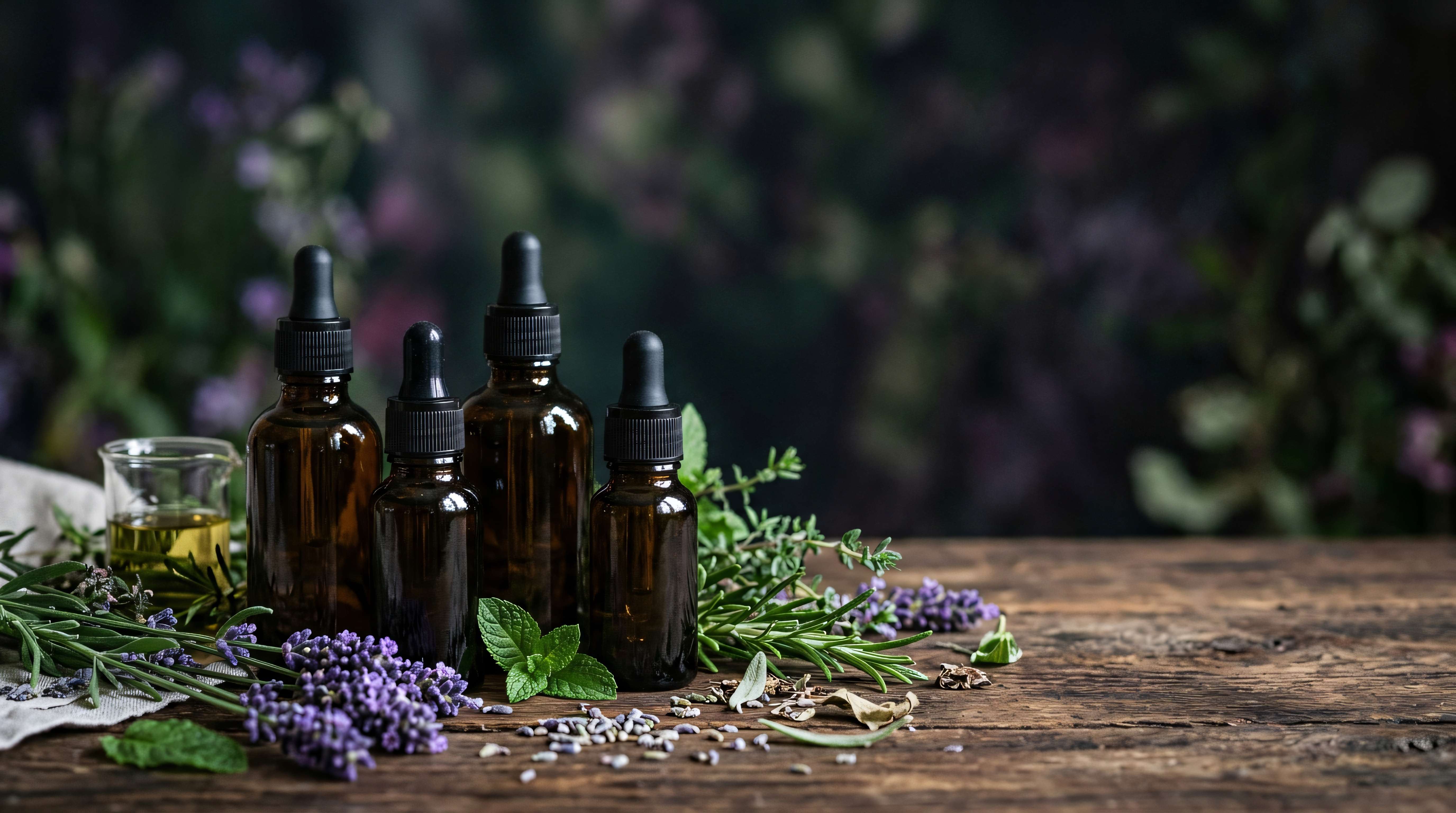
For storage, glass is the better choice. Essential oils can react with some plastics, especially if the bottle sits for a while. Dark glass is even better, because it helps protect the oil from light.
Shake before every use. Oil and water do not stay mixed, so the scent and strength change if the bottle sits untouched.
Start weaker than you think you need. You can always add a little more next time.
Photosensitivity matters too. Lemon essential oil should not go on skin right before sun exposure, because it can make skin more sensitive to light.
Do not ingest it. Keep it out of reach of children and pets, and use extra care if you are pregnant, nursing, or managing a health condition. A qualified professional can help with personal safety questions.
The right amount to use in a spray bottle
For a 16-ounce spray bottle, start small. A good beginner range is 10 to 15 drops for a room-freshening spray, or 15 to 20 drops for a cleaning spray.
That may sound light, but that is the point. A soft scent is easier to use every day, and it is less likely to bother sensitive noses.
If the scent feels too faint after a few uses, add a few more drops next time. Do not pour in a large amount at once.
What to test before spraying a surface
Always test first on a hidden spot. This matters on wood, painted surfaces, stone, and fabrics.
Spray a small area, wait at least 24 hours, then check for dull spots, color change, or a sticky feel. Vinegar can bother some surfaces, so this step is worth the time.
If the material is delicate, skip it. Marble, unfinished wood, silk, and suede need special care.
Easy beginner recipes for lemon oil sprays and blends
These recipes keep things simple. They use basic tools, familiar ingredients, and safe amounts for everyday use.
Label each bottle as soon as you make it. Include the ingredients and the date, then store it in a cool, dark place.
A simple all-purpose spray for everyday cleaning
This is the easiest place to begin.
- 1 cup distilled water
- 1/2 cup white vinegar
- 15 drops lemon essential oil
Add the vinegar and lemon oil to the bottle first, then pour in the water. Shake well before each use.
This spray works well on counters, sinks, cabinet fronts, and other common hard surfaces. Avoid using it on natural stone or any surface that does not like vinegar.
A fresh bathroom spray for showers and sinks
Bathrooms gather soap film fast, so a light spray helps keep the space easier to wipe down.
- 1 cup distilled water
- 1/4 cup white vinegar
- 10 drops lemon essential oil
- 5 drops tea tree essential oil
Pour everything into a glass spray bottle, cap it, and shake well. Use it on shower walls, sinks, and tile after normal cleaning.
Regular use matters more than making the blend strong. A modest spray after showering can help daily buildup stay manageable.
A gentle room or linen blend for quick freshness
This version is best for rooms, curtains, and washable fabrics.
- 1 cup distilled water
- 1 teaspoon witch hazel or vodka
- 8 drops lemon essential oil
- 4 drops lavender essential oil
Shake before each spray, then mist lightly into the air or onto washable fabric from a distance. Test first on a hidden spot if you plan to use it on cloth.
Skip delicate fabrics and always avoid soaking the material. A little mist is enough.
Mistakes beginners should avoid with lemon essential oil
A few small habits prevent most problems:
- Using too much oil, which can make the scent harsh and the blend harder to use.
- Skipping dilution, which raises the chance of skin or surface irritation.
- Spraying it on skin, especially before time in the sun.
- Mixing it with bleach, which is never a safe pairing.
- Storing it in plastic for long periods.
- Forgetting to label the bottle, which makes later use confusing and unsafe.
- Spraying delicate surfaces without a test patch first.
If you keep those mistakes out of your routine, lemon oil stays much easier to work with. The bottle becomes a helpful tool instead of a guess.
Conclusion
Lemon essential oil is easy to enjoy when you treat it with care. Keep it diluted, test your surfaces, and store your sprays in glass, and you will avoid most beginner mistakes.
Start with one simple bottle instead of trying every blend at once. A small, well-made spray can freshen a room, support your cleaning routine, and make the process feel calm and clear.
A careful first step is usually the best one. When you mix lemon oil with patience and a light hand, DIY sprays stay simple, fresh, and satisfying.
Stay Connected for More Natural Living Inspiration
If you enjoyed this post about herbal wellness and love discovering natural ways to refresh your home and wellness, don’t miss out on future recipes and clean-living tips! Subscribe to the blog for weekly DIYs, wellness inspiration, and herbal remedies delivered straight to your inbox.
Don’t forget to visit my Amazon storefront for the links to my favorite essential oils, herbal teas, and natural recipes. I also create YouTube ambiance videos for sleeping; a channel I created to help people who have trouble sleeping. The link to all social media content is here.
Thanks for coming by!



Leave a Reply