

(DISCLAIMER: I am not a doctor, and you should consult your healthcare professional before starting any health regimen. Product links are commissioned and supports the blog)

Key Takeaways
- Lemon balm tea can help with mild nighttime restlessness, especially when your mind keeps replaying the day.
- The best cup is usually hot, not boiling, and steeped for 5 to 10 minutes with the mug covered.
- Taste problems are easy to fix with honey, mint, chamomile, lemon, or a short cold brew.
- Medication and health-condition checks matter, especially if you take sleep medicines, thyroid meds, blood thinners, or antidepressants.
Night can feel loud when your thoughts won’t settle. A warm mug in your hand can make the room feel a little softer, and that is part of why lemon balm tea gets so much attention at bedtime.
Lemon balm, or Melissa officinalis, is a mint-family herb with a light lemon scent and a long history in herbal use. People often reach for it when they want a gentler evening routine, not a heavy sedative.
This guide looks at what the research suggests, how long to steep it, how to fix a grassy taste, and when medicine interactions mean you should pause and ask a clinician. This is general information, not personal medical advice.
Why lemon balm tea is used for racing thoughts and sleep
Lemon balm tea is popular because it feels calm without feeling harsh. Many people use it for mild anxiety, restlessness, and that buzzy feeling that shows up when the lights go out and the brain stays on.
The herb appears to support calm pathways in the brain, including GABA-related activity. GABA is one of the signals that helps slow overactive brain chatter. In plain language, lemon balm may help turn the volume down a little.
It also has a soft sensory effect. The scent, warmth, and ritual can all matter at night. A cup before bed can become a cue that says, “The day is over now.”
How it may calm the mind
The calming effect is often described as gentle rather than strong. Some people feel it in the body first, with less tension in the jaw or shoulders. Others notice that their thoughts stop bouncing quite as hard.
The herb’s plant compounds may help smooth stress responses, and that seems useful when worry is mild but persistent. If your mind feels like a room full of flickering lights, lemon balm may help dim a few of them.
What the research suggests right now
Recent reviews and small human studies point in the same direction. Lemon balm seems most helpful for mild anxiety, short-term stress, and sleep support. Some studies found less nervousness and better sleep after a short period of use.
That said, the evidence is not perfect. Many studies are small, and different products use different doses. The safest takeaway is simple: lemon balm tea looks promising for mild nighttime stress, but it is not a cure for serious insomnia or ongoing anxiety.
The strongest case for lemon balm is gentle support, not a dramatic knockout effect.
If you want a broader look at daytime use too, lemon balm tea for stress relief covers the calmer side of the herb in more detail.
The best way to brew it for nighttime calm
A good cup starts with enough herb to taste pleasant, but not so much that it turns harsh. For most people, the sweet spot is a mug that smells bright and tastes soft.
Use water that is hot but not violently boiling. Aim for about 190 to 200 F, then cover the cup while it steeps. That helps keep the aromatic oils in the mug instead of letting them drift away.
| Form | Amount | Steep Time | Best For |
|---|---|---|---|
| Dried loose leaf | 1 to 2 tsp per 8 oz | 5 to 10 min | Best flavor and control |
| Tea bag | 1 bag per cup | 5 to 8 min | Fast and easy |
| Fresh leaves | 2 to 3 tsp lightly packed | 5 to 8 min | Bright, fresh taste |
A simple bedtime cup looks like this:
- Add 1 tea bag or 1 to 2 teaspoons of dried lemon balm to a mug.
- Pour in 8 ounces of hot water, just below boiling.
- Cover the mug and steep for 5 to 10 minutes.
- Strain, then taste before adding anything sweet.
Steep time and water temperature that work best
For a tea bag, 5 to 7 minutes is a good starting point. For loose leaf, 7 to 10 minutes usually gives a fuller taste. If you want a stronger cup, steep a little longer, not hotter.
Over-steeping can push the flavor toward grassy or bitter. The tea should taste like a soft lemon-mint breeze, not like lawn clippings in hot water.
How to adjust strength without ruining the flavor
Strength is easier to change than many people think. Use more leaf for a fuller cup, less leaf for a softer one, or cut the steep time by a few minutes.
You can also brew a double-strength cup and add more hot water if the flavor gets too sharp. That works better than leaving the herb in the mug for 15 minutes and hoping for the best.
For most healthy adults, starting with one cup at night is the smartest move. Some people stay there, while others use up to a few cups a day if the product label allows it and they feel fine.
When to drink it before bed
The best time is often 30 to 90 minutes before sleep. That gives the tea time to settle in and gives you time to wind down without rushing.
Some people feel calmer within 1 to 3 hours, while others notice the effect only after a few nights of use. Timing is personal, so pay attention to how your body responds.
How to make lemon balm tea taste smooth instead of bitter
Lemon balm can taste flat, grassy, or bitter if the herb is old or the steep time runs too long. A weak brew can taste thin, while an overdone one can taste tired.
The good news is that the flavor is easy to adjust. Small changes can make the tea feel more like a bedtime comfort drink and less like a chore.
A little chamomile can also soften the cup if you like gentle floral notes. If that pairing sounds right for you, lemon balm and chamomile for better sleep is a helpful next stop.
Easy taste fixes that still feel soothing at night
| Add-in | Why it helps |
|---|---|
| Honey | Softens bitterness and rounds out the finish |
| Lemon slice | Brightens the flavor and adds lift |
| Mint | Makes the cup feel fresher and cleaner |
| Chamomile | Adds a soft floral note for bedtime |
| Tiny piece of ginger | Adds warmth without much bite |
Cold brewing can help too. Put the herb in cool water, then leave it in the fridge for several hours. The result is smoother and less grassy, which works well if hot herbal tea usually tastes too sharp to you.
How to keep the herb fresh and flavorful
Quality matters more than people think. Look for vibrant green dried leaves, a fresh lemony scent, and clear labeling that names Melissa officinalis.
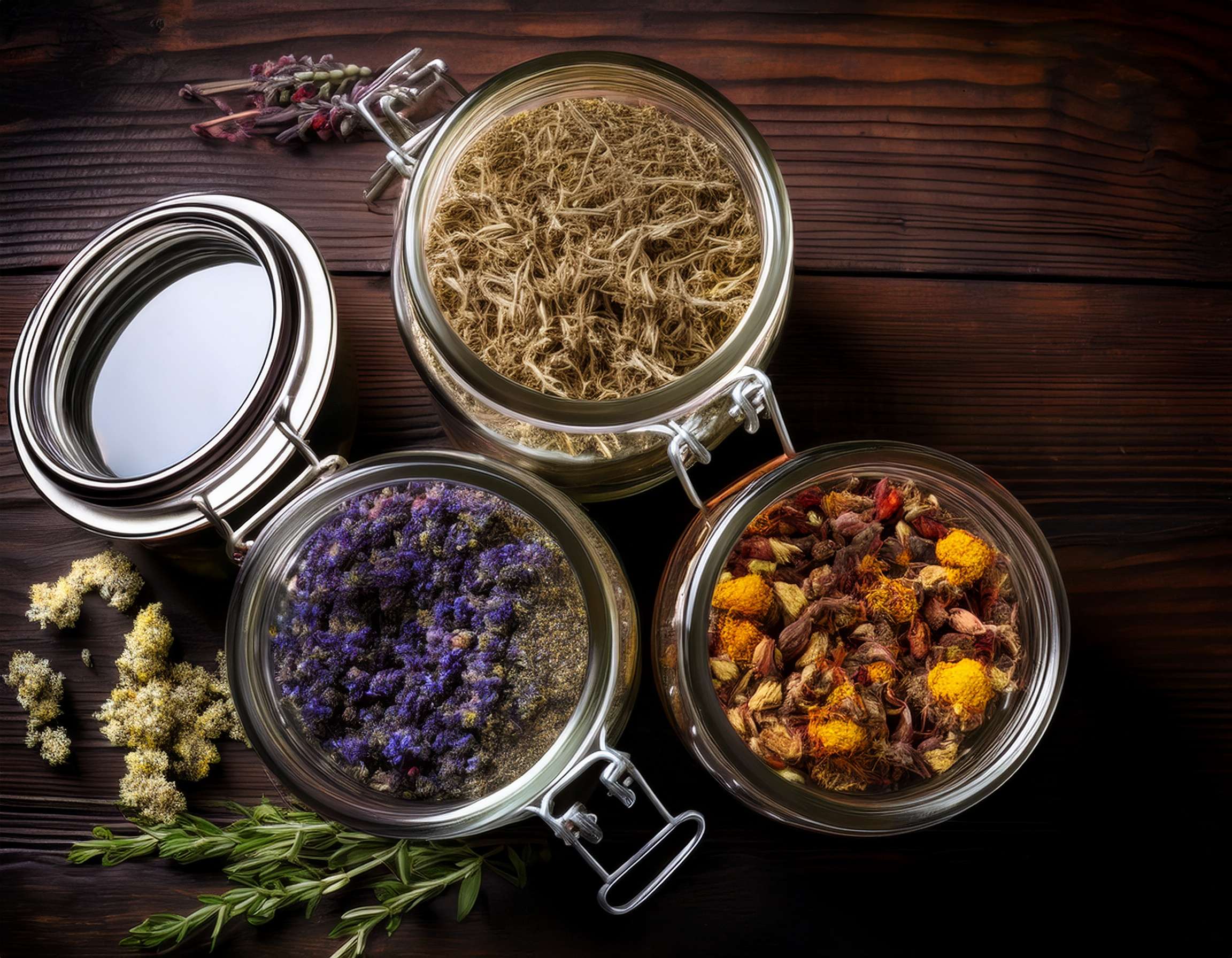
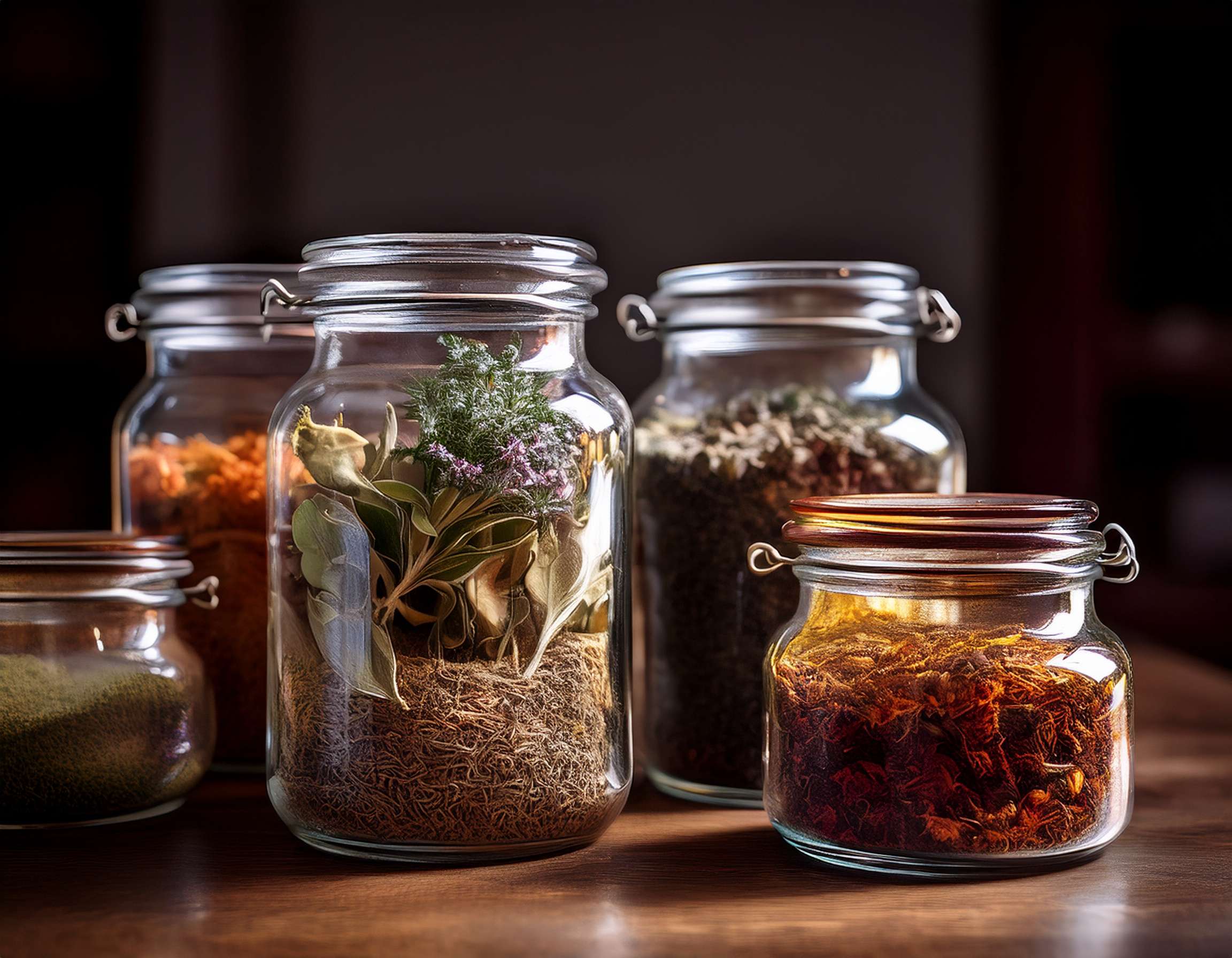
Store the herb in an airtight container, away from light, heat, and moisture. Stale lemon balm loses both taste and aroma, and the cup often feels flat before it even starts.
Safety, side effects, and medicine interactions to know first
Herbs can be gentle and still interact with medicines or health conditions. That is why lemon balm tea deserves the same attention you would give any other bedtime remedy.
Most healthy adults tolerate it well in tea form. Still, the safer path is to check first if you take medicines, have a thyroid issue, or are pregnant or breastfeeding.
Medicines and health conditions that call for caution
- Sedatives, sleep medicines, benzodiazepines, opioids, and alcohol can add to drowsiness. The mix may leave you too sleepy or foggy.
- SSRIs and SNRIs should be reviewed with a clinician, especially if you already feel tired, woozy, or sensitive to calming herbs.
- Thyroid medicines and thyroid disease need extra care, because lemon balm may affect thyroid activity.
- Blood thinners deserve a check-in first, since there is not enough solid data to ignore a possible issue.
- Glaucoma concerns should be discussed with a clinician, because eye conditions and herb use should not be guessed at.
- Pregnancy and breastfeeding call for caution, because safety data are limited.
- Surgery plans matter too, so pause use before a procedure unless your surgeon says otherwise.
Side effects and dosing red flags
The most common side effects are mild. They can include sleepiness, stomach upset, or dizziness.
More is not better. If a cup leaves you too sedated, gives you an upset stomach, or makes you feel odd, stop using it and check in with a clinician if needed.
Watch for red flags such as an allergic reaction, stronger anxiety, or nightly use with no relief. If the same sleep problem keeps showing up, the tea is not the main issue anymore.
How to choose a good lemon balm product
The best product depends on what you want most, taste, speed, or concentration. Loose leaf usually gives the best cup, tea bags are easiest, and extracts are stronger but feel less like a bedtime ritual.
Loose leaf, tea bags, or extract: which is best?
| Form | Best For | Tradeoff |
|---|---|---|
| Loose leaf | Flavor and freshness | Needs a strainer |
| Tea bags | Convenience | Often tastes flatter |
| Extract | Stronger, concentrated use | Not the same as sipping tea |
For a nighttime cup, loose leaf is often the nicest choice. Tea bags are great when you want a quick routine without fuss. Extracts can be useful, but they are a different product and should be used according to the label.
What to look for on the label
Choose products with whole or large leaf pieces when possible, plus a fresh scent when you open the package. Organic sourcing and third-party testing are good signs too.
Clear labeling matters. You want to see the plant name, the part used, and the source if the brand provides it. Skip anything dusty, stale, or vague.
When racing thoughts need more than herbal tea
Lemon balm tea can help with a rough night. It can soften the edge of restlessness and give your evening a slower pace. Still, if the same sleep trouble keeps coming back, that needs a closer look.
Signs it is time to talk to a clinician
- Symptoms last more than 2 weeks.
- You have panic attacks or frequent heart palpitations.
- Low mood, depression, or hopelessness shows up too.
- Racing thoughts come with thoughts of self-harm.
- You suspect thyroid issues, ADHD, heavy stress, or another health problem.
Other calming options can help while you sort that out. You can compare them with 10 soothing herbal teas for anxiety if you want more bedtime choices.
What to remember before bed
When your mind won’t switch off, the goal is gentle support, not a hard hit of sedation. Lemon balm tea can be that kind of support for mild nighttime restlessness, especially when the cup is brewed well.
Keep the water hot but not boiling, steep for 5 to 10 minutes, and fix the flavor with simple add-ins if needed. Most of all, pay attention to safety if you take medicine or live with a health condition.
Start with one cup, notice how you feel, and treat your body’s response as the final word. If racing thoughts or sleep problems keep returning, a clinician should be part of the plan.
Stay Connected for More Natural Living Inspiration
If you enjoyed this post about herbal wellness and love discovering natural ways to refresh your home and wellness, don’t miss out on future recipes and clean-living tips! Subscribe to the blog for weekly DIYs, wellness inspiration, and herbal remedies delivered straight to your inbox.
Don’t forget to visit my Amazon storefront for the links to my favorite essential oils, herbal teas, and natural recipes. I also create YouTube ambiance videos for sleeping; a channel I created to help people who have trouble sleeping. The link to all social media content is here.
Thanks for coming by!

Leave a Reply