

(DISCLAIMER: I am not a doctor, and you should consult your healthcare professional before starting any health regimen.)

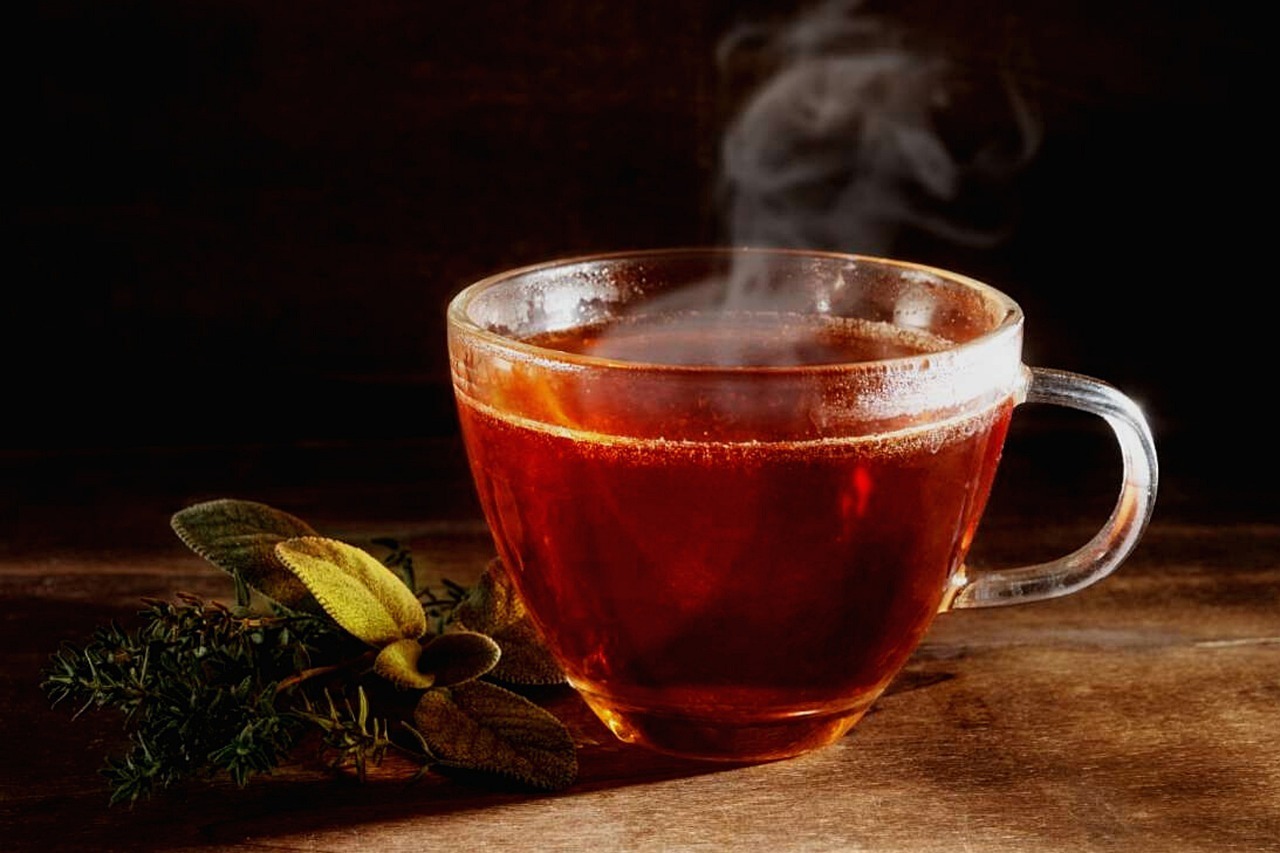
Rooibos, also called red bush tea, has a naturally sweet, nutty taste without the caffeine found in coffee, black tea, and green tea. That makes it a popular evening drink and an easy choice for people who feel sensitive to caffeine.
The most useful rooibos tea benefits relate to its antioxidant compounds, possible support for heart and blood sugar markers, and low-calorie profile. But how long should you brew it, and who should be careful? A 5 to 7 minute steep is a good starting point, while people with certain health conditions should ask a healthcare professional before drinking it regularly. Rooibos can support a healthy routine, but it isn’t a cure or a replacement for medical care.
Key Takeaways About Rooibos Tea
- Rooibos is naturally caffeine-free, so you can enjoy it in the evening or use it instead of sugary drinks.
- Early human research points to antioxidant activity and possible improvements in some heart and blood sugar markers.
- Freshly boiled water and a 5 to 7 minute steep usually produce a smooth, flavorful cup.
- Rooibos is generally safe for most adults in normal food and beverage amounts.
- People with liver disease, estrogen-sensitive conditions, pregnancy, or unusual symptoms should seek medical advice before regular use.
Rooibos Tea Benefits: What Research Really Suggests
Rooibos comes from Aspalathus linearis, a shrub native to South Africa. Although people call it tea, rooibos isn’t a true tea plant. True tea comes from Camellia sinensis, the plant used to make green, black, white, and oolong tea.
This difference explains why rooibos contains no natural caffeine. It also has very little tannin compared with many traditional teas, so it tends to taste smooth rather than sharply astringent. The most useful rooibos tea benefits come from plant compounds, not from stimulant effects.
Antioxidant and Anti-Inflammatory Support
Rooibos contains polyphenols, including aspalathin, a compound found in particularly high amounts in rooibos. These substances can help the body manage oxidative stress, which occurs when reactive molecules outnumber the body’s protective antioxidants.
Human studies suggest that drinking rooibos may improve some measures of antioxidant status and reduce certain signs of oxidative stress. These findings are encouraging, but they don’t show that rooibos prevents disease or reverses existing damage.
Laboratory research also points to anti-inflammatory activity. However, a result in a test tube or animal model doesn’t prove that the same effect happens after a person drinks a cup of tea. Inflammation has many causes, so rooibos shouldn’t replace treatment prescribed for an inflammatory condition.
If you enjoy herbal infusions as part of a calmer evening routine, you may also like these ideas for rooibos tea for stress relief. The caffeine-free quality can make it easier to choose a warm drink without adding a stimulant late in the day.
What It May Mean for Heart and Blood Sugar Health
Small human studies have examined rooibos and markers such as cholesterol, triglycerides, blood glucose, and blood pressure. Some results suggest that regular rooibos intake may improve parts of a lipid profile or support healthier blood sugar readings in certain groups.
The evidence remains limited. Studies have used different amounts, preparation methods, and participant groups. Some research has involved several cups daily, so the findings may not apply to someone who drinks rooibos once a week.
Aspalathin has received attention because laboratory studies suggest it may affect pathways involved in glucose metabolism. That doesn’t make rooibos a diabetes treatment. Anyone taking medication for blood sugar, blood pressure, or cholesterol should continue following their care plan.
A practical benefit is easier to support. Plain rooibos contains few calories, so it can replace sweetened coffee drinks, soda, or bottled teas. That simple swap may help reduce added sugar without asking you to give up a comforting daily beverage.
Red Rooibos, Green Rooibos, and Caffeine-Free Benefits
Traditional red rooibos is fermented after harvesting. This process gives the leaves their reddish color and mellow, slightly honeyed flavor. Green rooibos is dried without fermentation, so it tastes grassier and often has a lighter color.
Some analyses find that green rooibos has higher antioxidant capacity than fermented red rooibos. The difference depends on the plant material, processing method, and testing method. Both varieties are naturally caffeine-free.
Caffeine-free doesn’t automatically mean sleep-inducing. Rooibos won’t act like a sedative, and sweeteners or a large late-night drink may still affect your routine. Still, its lack of caffeine makes it a useful evening option for people avoiding coffee, black tea, and green tea.
The Best Brew Time for Smooth, Flavorful Rooibos
Use freshly boiled water at about 212°F or 100°C. For an 8-ounce cup, start with 1 to 2 teaspoons of loose rooibos, or use one standard tea bag.
A 5 to 7 minute brew time usually gives red rooibos a full flavor without becoming harsh. Unlike green tea, rooibos generally tolerates boiling water and longer steeping. If you want a stronger cup, let it sit for about 10 minutes. The flavor may become richer without the sharp bitterness that can develop in some other teas.
Loose rooibos may need a little more time than a small tea bag because the leaves and stems release flavor at different rates. Green rooibos often tastes best around 5 to 8 minutes, while flavored rooibos can need less time if it contains delicate flowers or citrus peel. Follow the package instructions when available, then adjust the next cup to suit your taste.
A Simple Hot Rooibos Tea Recipe
Ingredients
- 1 to 2 teaspoons loose rooibos, or 1 tea bag
- 8 ounces freshly boiled water
- Lemon slice, optional
- Honey, optional
Place the rooibos in a mug and pour over the boiling water. Steep for 5 to 7 minutes, then remove the leaves or tea bag. Add lemon or a small amount of honey if you like. For a stronger cup, increase the tea slightly or steep for up to 10 minutes.
Iced Rooibos With Citrus and Mint
Ingredients
- 2 teaspoons loose rooibos, or 2 tea bags
- 8 ounces boiling water
- 1 cup cold water
- Ice
- Orange or lemon slices
- Fresh mint leaves
- Honey or another sweetener, optional
Brew the rooibos with the boiling water for 7 to 10 minutes so the flavor stays noticeable after dilution. Stir in the cold water and let the tea cool before pouring it over ice. Add citrus slices, mint, and optional sweetener. For a larger pitcher, double the ingredients and chill the tea before serving.
Creamy Rooibos Vanilla Latte
Ingredients
- 2 teaspoons loose rooibos, or 2 tea bags
- 4 ounces boiling water
- 4 ounces warm milk or a plant-based alternative
- 1/4 teaspoon vanilla extract
- Cinnamon, optional
- Honey, optional
Brew the rooibos in the boiling water for 8 to 10 minutes. Strain it, then stir in the warm milk and vanilla. Add cinnamon or honey if desired. The extra-strong brew keeps the rooibos flavor noticeable after the milk goes in, making this a comforting caffeine-free evening drink.
Rooibos Tea Safety Notes: Who Should Be Careful?
Rooibos is generally safe for most adults when consumed in normal food and beverage amounts. Many people drink it daily without problems, and serious common side effects haven’t appeared in the available reports.
Still, safe doesn’t mean risk-free. Rare case reports have linked heavy or repeated rooibos use with liver injury, including elevated liver enzymes and acute hepatitis. The overall risk appears low, and the available evidence can’t prove that rooibos caused every reported injury. Even so, the reports support a sensible approach.
Regular brewed tea is different from concentrated rooibos extracts, capsules, and supplements. Extracts can deliver much larger amounts of plant compounds, and supplement labels may not provide the same level of quality control as food products. Avoid assuming that a concentrated product has the same safety profile as a normal cup of tea.
Possible Liver Concerns and Warning Signs
If you have liver disease, speak with a clinician before drinking rooibos regularly. A healthcare professional can consider your diagnosis, other supplements, and prescription medicines before offering personal advice.
Stop drinking rooibos and seek medical care if you develop yellow skin or eyes, dark urine, unusual tiredness, nausea, or abdominal pain. These symptoms can have many causes, but they can also indicate liver trouble and deserve prompt attention.
People without liver problems don’t need to panic over an occasional cup. Avoiding very large amounts and skipping concentrated products reduces unnecessary risk. If symptoms appear after starting a new tea, supplement, or herbal blend, mention every product to your clinician.
Pregnancy, Medicines, and Estrogen-Sensitive Conditions
Rooibos contains no caffeine, but that fact doesn’t establish complete safety during pregnancy or breastfeeding. Research in these groups is limited, so check with a healthcare professional before making it a daily drink, especially when considering extracts or supplements.
Some sources have raised possible hormone-related concerns because certain rooibos compounds may affect estrogen pathways. If you have an estrogen-sensitive cancer or another estrogen-sensitive condition, ask your clinician before regular use. Don’t rely on general wellness claims to make that decision.
A pharmacist can also review rooibos if you take medicines for diabetes, blood pressure, liver disease, or another long-term condition. Herbal drinks may seem mild, but regular use can matter when combined with medication or other supplements.
Enjoy Rooibos With Good Health Habits
Rooibos is a naturally caffeine-free drink with promising antioxidant findings and early research around metabolic markers. For most people, 5 to 7 minutes produces a smooth cup, while a longer steep creates more strength without much bitterness.
Enjoy it plain, iced with citrus, or blended into a warm latte as part of a varied diet. If you have a health condition, take regular medicines, are pregnant or breastfeeding, or want to use a concentrated product, ask a healthcare professional first.
Stay Connected for More Natural Living Inspiration
If you enjoyed this post about herbal wellness and love discovering natural ways to refresh your home and wellness, don’t miss out on future recipes and clean-living tips! Subscribe to the blog for weekly DIYs, wellness inspiration, and herbal remedies delivered straight to your inbox.
Don’t forget to visit my Amazon storefront for the links to my favorite essential oils, herbal teas, and natural recipes. I also create YouTube ambiance videos for sleeping; a channel I created to help people who have trouble sleeping. The link to all social media content is here.
Thanks for coming by!

Leave a Reply