(DISCLAIMER: I am not a doctor, and you should consult your healthcare professional before starting any health regimen. Product links are commissioned and supports the blog)

Quick takeaways before you mix anything
- These cleaners use simple ingredients you may already have at home.
- Lavender adds a soft scent, while vinegar and baking soda handle the work.
- The recipes fit both the kitchen and bathroom.
- Test first on a hidden spot, and avoid vinegar on marble or granite.
Fresh clean shouldn’t smell sharp or fake. A kitchen counter can come with the sting of harsh sprays, and a bathroom can feel even worse after a chemical blast.
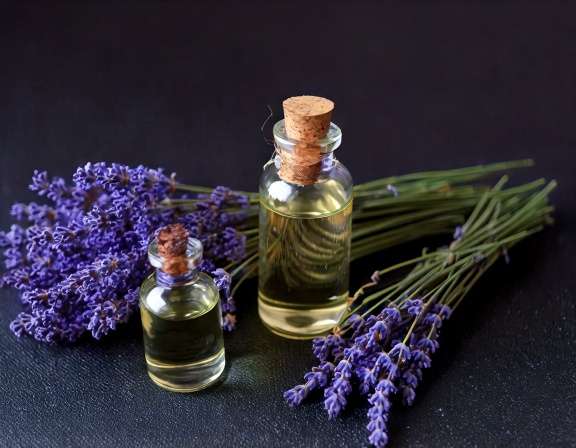
Lavender essential oil gives homemade cleaners a soft herbal note, and it pairs well with pantry staples like vinegar, baking soda, and distilled water.
The goal is a clean space that feels open when you walk in.
These recipes are made for everyday messes, not heavy-duty jobs. You’ll also get the basic safety rules, so you can clean with confidence and keep the scent calm.
What you need to make lavender cleaners at home
You don’t need a shelf full of supplies to make good homemade cleaners. A few basics cover almost every recipe here, and you can buy them in small sizes. If you want more mix-and-match ideas, DIY non-toxic essential oil cleaning recipes is a helpful companion.
Simple ingredients that do most of the work
Lavender essential oil brings the scent. White vinegar helps loosen grime, water spots, and light film. Baking soda adds gentle scrubbing power and helps lift stuck-on residue. Distilled water keeps sprays clearer because it has fewer minerals than tap water, so bottles stay less cloudy and nozzles clog less often.
Glass bottles are a smart choice for oil blends because they hold up well over time. They also keep strong scents from lingering in plastic. For a wider look at oils used in home care, antibacterial essential oils for natural cleaning shows where lavender fits in.
Basic tools that make the recipes easier to use
A measuring cup, a small funnel, microfiber cloths, and a scrub brush cover most jobs. Spray bottles work best for light cleaners, while small jars are better for pastes and scrubs. Most of these tools already live in a kitchen drawer, which makes the whole routine easy to start.
Five easy lavender essential oil cleaning recipes for everyday messes
These five recipes focus on the spots that collect fingerprints, grease, soap scum, and dull smells. None of them need special gear. Each one is simple enough for a weeknight clean.
All-purpose lavender spray for counters, sinks, and quick wipe downs
This is the bottle you reach for when the sink ring needs a quick wipe or the bathroom vanity looks tired. It works on most hard surfaces, but test it first on delicate finishes.
Mix 1 cup distilled water, 1/2 cup white vinegar, and 15 drops lavender essential oil in a spray bottle. Shake before each use.
Spray lightly, wipe with a microfiber cloth, then dry with a second cloth. Don’t soak the surface. A light mist is enough for most daily messes, and the scent stays soft instead of hanging in the air.
Lavender kitchen cleaner for greasy spots and sticky surfaces
Kitchen grime often shows up as sticky handles, stovetop splatter, and a cloudy film near the sink. This spray helps with those messes without a harsh smell.
Combine 1 cup warm distilled water, 1/4 cup white vinegar, 1 teaspoon mild dish soap, and 12 drops lavender essential oil in a spray bottle. Shake gently so the soap doesn’t foam too much.
Spray the spot, wait about 30 seconds, then wipe clean. For cooked-on messes, spray once more and use a soft scrub pad. It works best on sealed counters, sinks, and cabinet fronts, but not on stone that reacts to vinegar.
Lavender bathroom scrub for tubs, sinks, and soap scum
Soap scum loves tubs and sink edges. This scrub gives you a thicker texture, so it stays where you put it.
Stir 1/2 cup baking soda with 2 to 3 tablespoons water and 10 to 15 drops lavender essential oil. Add the water slowly until you get a thick paste.
Spread it on the grimy area with a sponge or cloth. Let it sit for 5 to 10 minutes, then scrub and rinse well. Use it on porcelain, ceramic tile, and fiberglass. The baking soda helps with the draggy feel of grime, while the lavender leaves the room smelling cleaner than a plain soda paste.
Lavender toilet bowl cleaner for a fresher bathroom
This one keeps things low-fuss. The fizz helps loosen buildup, and the scent makes the bathroom feel fresher after you finish.
Sprinkle 1/2 cup baking soda into the bowl. Add 10 drops lavender essential oil to 1/2 cup white vinegar, then pour it in slowly. The mixture will fizz right away.
Let it sit for 10 minutes, then scrub with a toilet brush and flush. If the bowl needs extra help, brush again before flushing a second time. It works best as a regular upkeep cleaner, not a replacement for a deep clean on heavy buildup.
Lavender floor cleaner for tile, laminate, and linoleum
A good floor cleaner changes the feel of a room fast. This one works well on tile, sealed laminate, and linoleum, and it leaves behind a soft scent instead of a sharp one.
Mix 1 gallon warm water, 1/4 cup white vinegar, and 15 drops lavender essential oil in a bucket.
Dip the mop, then wring it out well. The mop should feel damp, not wet. Too much water can bother laminate and leave streaks. Use this for kitchen floors, bathroom floors, and any room that needs a quick refresh.
How to use lavender cleaners safely on the right surfaces
Homemade cleaners work best when you match them to the surface. That matters more than the scent. Lavender can make a bottle smell lovely, but the base ingredients still need care. If you want to compare other oils used in home care, antibacterial essential oils for natural cleaning gives a wider view.
Lavender oil adds a pleasant scent, but it doesn’t replace a true disinfectant when you need one.
Vinegar should stay away from marble, granite, limestone, and other natural stone. It can etch the surface and leave dull spots. Bleach and vinegar should never be mixed, because that creates dangerous fumes. Patch test every new cleaner on a hidden spot first, even on surfaces you think are safe.
Keep every bottle labeled with the ingredients and the date. Store them where children and pets can’t reach them. If you use a cleaner near food prep areas, rinse and dry the surface as needed before you set anything down.
Surfaces to avoid when using vinegar-based recipes
Skip vinegar on marble, granite, soapstone, unsealed stone, and waxed wood. Those materials can dull, stain, or wear down faster. Vinegar also isn’t a good match for some painted finishes and delicate fixtures, so test before you spray. When in doubt, use plain water with a drop of mild soap instead.
Storage tips that help homemade cleaners last longer
Small batches work best. Keep spray bottles in a cool, dark cabinet, and use dark glass when you can, especially for oil blends. Shake before each use, because essential oil floats on water. Toss any cleaner that smells off, changes color, or looks cloudy in a new way. Fresh batches keep the scent brighter and the cleanup simpler.
Conclusion
A calmer clean starts with small swaps. These five lavender essential oil recipes can freshen counters, cut grease, scrub soap scum, clear toilet bowls, and mop floors without a harsh smell.
Start with one recipe that fits your messiest spot, then add another when it feels useful. Keep one bottle in the kitchen and one under the sink, and the routine gets easier fast.
Try one blend this week, or save this post for the next time your home needs a soft reset.
Stay Connected for More Natural Living Inspiration
If you enjoyed this post about herbal wellness and love discovering natural ways to refresh your home and wellness, don’t miss out on future recipes and clean-living tips! Subscribe to the blog for weekly DIYs, wellness inspiration, and herbal remedies delivered straight to your inbox.
Don’t forget to visit my Amazon storefront for the links to my favorite essential oils, herbal teas, and natural recipes. I also create YouTube ambiance videos for sleeping; a channel I created to help people who have trouble sleeping. The link to all social media content is here.
Thanks for coming by!


Leave a Reply