
(DISCLAIMER: I am not a doctor, and you should consult your healthcare professional before starting any health regimen. Product links are commissioned and supports the blog)

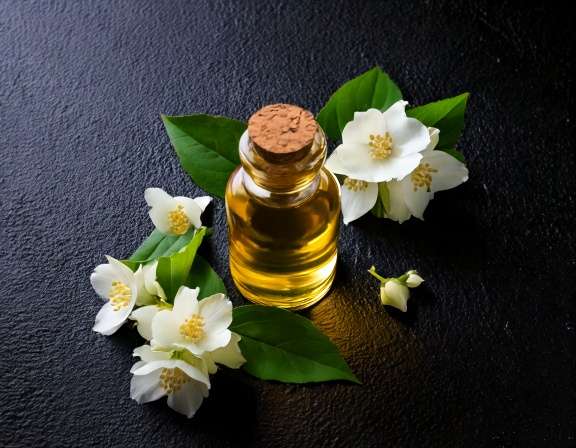
Jasmine essential oil is gaining attention as a natural way to support emotional well-being. People often turn to jasmine oil for anxiety, jasmine oil for stress, and jasmine oil for depression because of its calming scent and uplifting effects. When daily pressures start to feel overwhelming, a simple moment with jasmine oil can bring relief and help reset your mood.
This guide breaks down the science and proven soothing effects of jasmine oil, so you can see how it works to boost relaxation and happiness. If you’re curious about using jasmine essential oil mood benefits in your routine, you’re in the right place to learn what makes this floral oil so effective for emotional support.
How Jasmine Essential Oil Affects Mood and Anxiety
Jasmine essential oil stands out for its soothing effects on the mind and emotions. If you have ever wondered why its scent can lift spirits or help with anxiety, there is real science behind the calm. Many people reach for jasmine oil for anxiety relief or to help find a brighter mood. Understanding how jasmine essential oil mood benefits work helps make your daily routine more intentional, especially during stressful times.
Scientific Compounds Behind Mood Uplift
Within every drop of jasmine oil, there are powerful plant compounds that shape how your brain feels. Linalool is a big one. It is a terpene, a natural chemical that brings out the floral scent of jasmine. But it does much more than smell nice. Linalool acts in the brain by influencing serotonin and dopamine, two key neurotransmitters. Serotonin helps you feel calm and content, while dopamine boosts motivation and pleasure.
When you breathe in jasmine oil, these compounds can:
- Help your brain release more serotonin, supporting calm and happiness.
- Increase dopamine activity, which can lift your mood.
- Lower signals of everyday stress, making you feel more balanced.
Jasmine oil for stress and anxiety works much like gentle support for your brain’s “feel good” circuits. That is why many people sense a quick shift to a more peaceful mood after using it.
Using Jasmine Oil for Anxiety Relief
If you are looking to use jasmine oil for anxiety, try these simple aromatherapy methods. Each step is easy, and you can customize your routine based on your needs.
- Add 3‑5 drops of jasmine oil to a diffuser and let it run for about 30 minutes. Fill your room with the soft floral scent, and breathe deeply while you relax or focus on positive thoughts.
- For quick relief, dab 1‑2 drops onto a cotton ball and hold it near your nose. Breathe in slowly a few times.
- Apply a small drop to a pulse point, such as your wrist or behind your ears. This lets the aroma linger and gives comfort during tense moments.
Jasmine oil for anxiety offers a gentle, natural support for emotional balance. Remember, essential oils are very strong. Always dilute with a carrier oil if using on the skin, and do a patch test first to avoid irritation. Pregnant women, children, and those with sensitive skin should ask a doctor before trying new oils.
You can learn even more about the aromatherapy benefits of jasmine oil and ways it lifts health and mood in this guide on jasmine essential oil skin benefits. Adding jasmine oil to your daily routine can help stress fade and bring back a brighter outlook.
Stress Reduction and Relaxation Benefits
Jasmine essential oil does more than brighten your mood. Its delicate aroma can melt away tension and bring a sense of calm to the mind. With the right methods, you can use jasmine oil for anxiety, jasmine oil for stress, and enjoy true relaxation when you need it most. Here are some easy ways to tap into the soothing effects of jasmine oil, plus tips to pair it with other calming scents safely.
Aromatherapy Techniques for Stress Relief
Jasmine oil aromatherapy benefits shine when stress starts to build up. Its scent acts almost like a soft security blanket for your emotions. To make the most of jasmine oil for relaxation, try these simple techniques that fit right into any routine:
- Diffuse During Work Breaks: Place a few drops of jasmine oil in a diffuser. Let the gentle floral smell fill your workspace for 15 to 30 minutes. It helps cut through tension and makes breaks truly restorative.
- Add to a Warm Bath: Mix 3 to 5 drops of jasmine essential oil with a tablespoon of carrier oil (like sweet almond or coconut). Swirl into a warm bath and soak for at least 10 minutes. The rising steam carries the aroma, creating a calming home spa experience.
- Use a Roll‑On Blend: Combine 2 drops of jasmine oil with 10 ml of carrier oil in a roll-on bottle. Apply to wrists or neck when tension creeps in. This keeps the comforting scent nearby throughout the day.
The aroma of jasmine oil for stress has a way of settling busy thoughts and slowing racing pulses. Whenever life speeds up, these small rituals make a big difference.
Combining Jasmine with Other Calming Oils
You can boost the relaxing effects of jasmine essential oil by blending it with other peaceful scents. Lavender and bergamot are favorites for this. When paired the right way, these oils create a harmony that soothes without feeling overpowering. The idea is to let each scent complement the others for deeper chill, not to flood your senses.
Here are some simple blend recipes for greater relaxation:
- Jasmine and Lavender Diffuser Blend:
- 3 drops jasmine essential oil
- 2 drops lavender essential oil
- Fill the rest with water in your diffuser
- Jasmine and Bergamot Bath Soak:
- 2 drops jasmine oil
- 2 drops bergamot oil
- 1 tablespoon carrier oil of your choice
- Add to a warm bath and unwind
- Relaxing Roll-On Blend:
- 2 drops jasmine oil
- 2 drops lavender or bergamot oil
- 10 ml carrier oil
- Blend in a roller bottle for on-the-go comfort
These combinations let you personalize your routine and enjoy even more soothing effects of jasmine oil. For another angle on how essential oils support your overall well-being, the guide on top 4 benefits of jasmine essential oil for skin and well-being is helpful for making the most of your natural care habits.
A balanced blend using jasmine, lavender, or bergamot supports deep calm and comfort, your senses stay refreshed, not overwhelmed. Try these relaxing blends and see how jasmine oil for anxiety or stress can fit into your routine when you crave a gentle escape.
Depression Support and Emotional Balance
Jasmine essential oil gives more than just a pleasant scent. Many users say it brings comfort and supports emotional balance, especially during hard times. People who choose jasmine oil for depression or to boost a low mood often find it helps create a brighter outlook. Let’s look at real clinical evidence and see how you can use jasmine oil as part of your own self-care routine.
Evidence from Clinical Studies
Scientists have studied jasmine oil for anxiety and depression in well-controlled settings. Clinical trials point to noticeable benefits for mood and emotional stability.
- A 2013 randomized controlled trial published in the Journal of Health Research looked at the effects of jasmine oil inhalation on mood. Participants who inhaled jasmine oil for just a few minutes showed significant increases in alertness and positive emotions compared to a placebo group. Nerves calmed down, and feelings of well-being rose. The researchers noted marked improvements in both calmness and energy levels.
- A peer-reviewed study from 2017 in the Journal of Evidence-Based Complementary & Alternative Medicine studied people with mild depression. Inhaling jasmine essential oil twice a day for two weeks resulted in a measurable improvement in mood. Participants reported feeling less anxious and more emotionally balanced. Outcomes included fewer negative thoughts and greater hopefulness, supporting the claims that jasmine oil for depression and mood balance is more than just folk wisdom.
The findings from these peer-reviewed trials back up what many users already sense: the soothing effects of jasmine oil can create real improvements in emotional health.
Practical Daily Routines
You don’t need a fancy setup to gain the mood benefits of jasmine oil for stress or sadness. Building a short, mindful ritual with jasmine essential oil fits easily into your day and can create lasting emotional resilience.
Simple Morning Ritual with Jasmine Oil:
- Put 2 drops of jasmine oil on a fresh cotton ball.
- Sit somewhere quiet, then hold the cotton ball near your nose (but not touching your skin).
- Inhale gently for about 5 minutes while you focus on your breath or start journaling your thoughts for the day.
Pairing aroma with journaling lets your mind settle and helps turn negative energy into clarity and intention.
- Why this works: The scent triggers your brain’s “feel good” chemicals right away, which can lift your mood and help you start the day on a calmer note. Journaling at the same time helps process heavy feelings and brings the mind into balance, supporting emotional clarity.
- Benefits throughout the day: People often notice less irritability, greater patience, and more energy for daily tasks. The supportive effect may linger for hours, giving you a gentle mood lift that carries into your afternoon.
If you want to reinforce this practice, consider learning more about longer-term benefits of jasmine oil for skin and well-being, since caring for your whole self often brings out the best results.
Try this easy ritual tomorrow and see how small changes with jasmine essential oil can support natural mood balance, reduce the weight of stress, and make each day a bit brighter.
Practical Application: Safety, Dosage, and Methods
When adding jasmine essential oil to your routine for anxiety, stress, or emotional balance, using it safely matters just as much as enjoying its benefits. A careful approach protects your skin and boosts the soothing effects of jasmine oil for stress or depression. Let’s break down the most important guidelines for topical and aromatic use, and set clear boundaries for who should avoid this oil.
Topical vs. Diffusion Guidelines: Carrier Oil Ratios and Diffuser Settings
Jasmine essential oil works well both on your skin and through inhalation, but it’s highly concentrated and needs to be diluted or diffused properly. Here’s how to use jasmine oil for mood support while staying safe:
For topical use (on your skin):
- Always mix jasmine oil with a carrier oil, like jojoba or sweet almond.
- Use a 1% dilution for your face (that’s about 1 drop of jasmine oil per teaspoon of carrier oil). This keeps the delicate skin on your face protected.
- For the body, you can use a bit more: a 2‑3% dilution (2 to 3 drops per teaspoon of carrier oil). Rub into pulse points such as wrists or temples for quick comfort.
For diffusion (aromatherapy):
- Add 3 to 5 drops of jasmine oil to your diffuser filled with water.
- Set the diffuser on low and run it for 30 to 45 minutes. This disperses the aroma just enough to bring out the jasmine oil aromatherapy benefits without making the air overwhelming.
- Short sessions a few times per day offer better results than running the diffuser non-stop.
These simple guidelines keep your daily routine safe and effective, helping you get the soothing effects of jasmine oil without worry.
Precautions and Contraindications
While jasmine oil for relaxation and mental well-being is usually safe, there are some important safety notes you should know. Certain groups should avoid jasmine oil or use it only after checking with a healthcare provider:
- Pregnant and breastfeeding women: Essential oils, including jasmine, can affect hormones and should be avoided unless a doctor gives the okay.
- Children under 6 years old: Young skin is sensitive, and strong oils like jasmine can be too harsh.
- People with epilepsy: Some essential oils have been linked to increased seizure risk. Jasmine oil isn’t the top concern, but it’s best to play it safe.
- Those with allergies or sensitive skin: If you’ve experienced perfume or essential oil reactions, do a patch test before using jasmine oil or skip it entirely.
- Anyone with severe asthma or scent sensitivities: Aromatherapy can be too much for sensitive lungs or noses.
Symptoms of a reaction may include redness, itching, headaches, or trouble breathing. Always start with a small amount and stop if you notice any discomfort.
Learning the right way to use jasmine oil, from dilution to diffusion times, puts control and confidence in your hands. The rewards, a calmer mind and a brighter mood are much easier to enjoy when you know you’re using jasmine essential oil safely.
Integrating Jasmine Oil into a Holistic Wellness Plan
Bringing jasmine oil into your routine can support both emotional and physical well-being. Its scent can help ease stress, support balanced moods, and encourage relaxation. Adding jasmine essential oil to your daily habits works best when used alongside other wellness practices such as healthy sleep, a balanced diet, and mindful movement. Let’s see how jasmine oil fits into a bigger picture of self-care, where beauty and mood are both priorities.
Link to Related Skin and Emotional Wellness Article
Jasmine oil is more than just an emotional pick-me-up. Its benefits shine in skincare, too. If you want to explore the full dual role of this floral oil, check out the guide on the benefits of jasmine essential oil for skin. This resource shows how jasmine can heal and nourish your skin while boosting your emotional health. Combining both uses gives you a whole-body approach soothing your mind and caring for your complexion at the same time. Incorporating jasmine oil for anxiety and stress management with topical routines brings a soothing ritual to both your mood and your skin.
Explore More Jasmine Essential Oil Content
Ready to get a wider perspective on jasmine oil aromatherapy benefits, relaxation tips, and emotional support strategies? You can browse a collection of articles and guides in the Jasmine essential oil tag archive. Discover expert tips, new research, and creative ways to use jasmine oil for depression, stress, or even energy. Whether you want to fine-tune your self-care or just learn more about natural remedies, this collection will give you fresh ideas and proven routines for everyday wellness.
Conclusion
Jasmine oil offers a gentle way to support emotional and mental health. By helping to ease anxiety, reduce stress, and boost your mood, jasmine essential oil fits easily into everyday routines. Simple practices like aromatherapy or mindful self-care can bring lasting relaxation and balance.
Start by adding jasmine oil for anxiety or stress relief, and use it regularly for the best mood benefits. If you want a deeper look at why jasmine essential oil helps and explore related wellness strategies, visit the Benefits of jasmine essential oil.
Every positive shift begins with small steps. Thank you for reading, share your experience or favorite jasmine oil ritual in the comments to inspire others on their wellness path.
Stay Connected for More Natural Living Inspiration
If you enjoyed this post about herbal wellness and love discovering natural ways to refresh your home and wellness, don’t miss out on future recipes and clean-living tips! Subscribe to the blog for weekly DIYs, wellness inspiration, and herbal remedies delivered straight to your inbox.
Don’t forget to visit my Amazon storefront for the links to my favorite essential oils, herbal teas, and natural recipes. I also create YouTube ambiance videos for sleeping; a channel I created to help people who have trouble sleeping. The link to all social media content is here.
Thanks for coming by!

Leave a Reply