
(DISCLAIMER: I am not a doctor, and you should consult your healthcare professional before starting any health regimen. Product links are commissioned and supports the blog)

Key Takeaways
- Jasmine essential oil supports scalp health by fighting germs, calming redness, and balancing oil.
- It can support hair growth when used in a massage blend with a carrier oil.
- Using jasmine essential oil for dandruff may help reduce flakes and itch.
- Simple DIY recipes, like a jasmine oil hair mask, make it easy to add to your routine.
- Always dilute jasmine oil and do a patch test before using it on your scalp or hair.
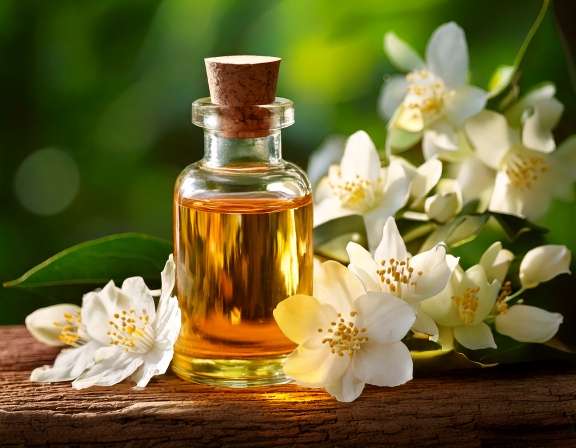
Natural hair care has become a big deal for many people. Shelves are full of oils, but one bottle always stands out, the tiny one that smells like a summer night in a flower garden. That bottle often holds jasmine essential oil for hair.
Jasmine essential oil is loved for its soft, sweet scent, but it is more than just a pretty fragrance. It can support scalp health, calm irritation, help with dandruff, and even support hair growth when you use it the right way.
This guide walks you through how jasmine oil can help your scalp, how it supports stronger hair, how to use it for dandruff, and simple jasmine hair masks you can make at home. By the end, you will know exactly how to use jasmine oil for hair in a safe, easy, and enjoyable way.
How Jasmine Essential Oil Improves Scalp Health
Healthy hair starts with a calm, clean scalp. If your scalp is itchy, flaky, or greasy, your hair will usually show it. This is where jasmine essential oil for scalp health comes in.
Jasmine essential oil has natural compounds that help fight certain germs on the skin. Some lab studies on jasmine extracts and oils show they can slow the growth of bacteria and fungi that often live on the scalp. When these microbes stay in balance, your scalp feels cleaner and more comfortable.
Jasmine oil also carries soothing plant chemicals that calm redness and discomfort. For many people with dry, tight, or reactive scalps, this gentle calming effect is just as important as any hair benefit.
On top of that, jasmine oil seems to help balance the natural oils your scalp makes. Used in a blend, it can keep your scalp from feeling like an oil slick, while also guarding it from feeling tight and dry. A more balanced scalp environment means hair has a better base to grow from.
Let us look closer at how this works.
Antifungal and Antibacterial Properties
The scalp is home to many tiny organisms. Most are harmless, but some can cause problems when they grow too fast. One of them is the yeast called Malassezia, which is linked to dandruff and flaky patches.
Lab research on jasmine essential oil and jasmine extracts shows that jasmine can slow the growth of several bacteria and fungi on skin samples. While these are not giant human trials, they do hint that jasmine may help keep common scalp microbes in check.
For everyday use, that means:
- Your scalp stays cleaner between washes.
- Flakes from yeast overgrowth may slowly reduce.
- Minor scalp breakouts around the hairline may calm down.
Jasmine oil is not a drug or a quick cure, but as part of a regular routine, it can support a cleaner, healthier scalp environment.
Reducing Inflammation and Itching
If your scalp often feels sore, tight, or itchy, you know how distracting it can be. Scratching leads to broken skin and even more irritation.
Jasmine oil contains soothing compounds like linalool and benzyl benzoate, which aromatherapy experts link with calming effects on the skin and nervous system. When you dilute jasmine oil and massage it into the scalp, it can:
- Ease mild redness.
- Take the edge off itching.
- Help your scalp feel less hot or sore.
People with sensitive or easily irritated scalps often like jasmine because it smells lovely and feels gentle when properly diluted. You still need to patch test first, but many find it more comfortable than harsh medicated products.
Balancing Sebum Production
Sebum is the natural oil your scalp makes. Too much, and your roots look greasy. Too little, and your scalp feels dry and tight, and hair can snap more easily.
Regular scalp massage with a blend that includes jasmine oil may help reset this balance. The massage itself boosts blood flow and helps spread natural oils along the hair shaft. Jasmine oil seems to support this process, helping:
- Oily scalps feel fresher for longer between washes.
- Dry scalps feel less tight and flaky.
- Hair lengths gain a touch of softness and shine.
For jasmine oil for scalp health, try adding 2 to 3 drops of jasmine essential oil to a tablespoon of carrier oil, such as jojoba, then massage it into your scalp once or twice a week.
Jasmine Oil for Hair Growth
Many people use jasmine essential oil for hair grow support, not as a magic fix, but as part of a gentle, steady routine. Hair grows best when blood flow to the scalp is good, the follicles are strong, and the scalp is calm and clean.
Jasmine oil supports these conditions rather than forcing growth. When you use it in a scalp massage blend, it can:
- Encourage better blood flow to hair roots.
- Make strands feel stronger and less fragile.
- Add softness and shine along the length of the hair.
The key is consistency. Light, regular use over weeks usually brings better results than a heavy treatment once in a while.
Stimulating Blood Circulation
Healthy hair follicles need a steady supply of oxygen and nutrients. Scalp massage with jasmine oil encourages micro circulation, which means tiny blood vessels under the skin get a friendly nudge.
The gentle warmth of the massage, paired with the relaxing scent of jasmine, can help you:
- Relax tense scalp muscles.
- Improve blood flow to the hair roots.
- Create a more supportive environment for hair growth.
Spend 3 to 5 minutes massaging your scalp with your fingertips. Focus on the crown, sides, and back of your head. This small habit, done a few times a week, helps any growth blend do its job better.
Strengthening Follicles
When people talk about strong hair, they usually mean two things: strong follicles and strong strands. Jasmine oil can support both.
The natural compounds in jasmine oil, including antioxidants, may help protect the scalp and follicles from everyday stress, such as pollution, heat styling, and frequent washing. Over time, this can:
- Reduce breakage at the roots.
- Help hairs stay anchored longer.
- Support thicker looking hair.
This is not about overnight results. It is about giving your hair a calmer, more stable base.
Combining with Carrier Oils for a Growth Serum
Pure jasmine oil is very strong. You should never put it straight on your scalp. Instead, mix it with a nourishing carrier oil to make a simple hair growth serum.
Good carrier oils include:
- Jojoba oil, very close to natural scalp oil, light and non greasy.
- Argan oil, rich in vitamin E, great for dry or damaged hair.
- Coconut oil, supports hair shaft strength, best for thicker hair types.
A simple growth blend:
- 1 tablespoon carrier oil of your choice.
- 2 to 3 drops jasmine essential oil.
Mix in a small bowl, apply to your fingertips, and massage into the scalp. Leave on for at least 30 minutes, or overnight if your skin tolerates oils well, then wash as usual.
Safety tips:
- Always patch test on a small area behind your ear first.
- Avoid contact with eyes.
- If you are pregnant, nursing, or on medication, talk with a health professional before regular use.
Using Jasmine Oil to Combat Dandruff
Using jasmine essential oil for dandruff brings together several benefits at once. It helps keep Malassezia yeast under control, calms angry, itchy skin, and adds a light floral scent that makes hair care feel like a treat instead of a chore.
Many dandruff products feel harsh or drying. Jasmine, when combined with gentle carrier oils or hydrosols, offers a softer option for mild flakes and irritation.
How It Targets Malassezia Yeast
Malassezia lives on most scalps, but it can grow out of control when the scalp is oily or irritated. This is when you see white or yellow flakes and feel that constant need to scratch.
Some lab tests show that jasmine oil can slow the growth of yeast and fungi, including types similar to Malassezia. While this is not the same as a medical treatment, it gives a natural support option.
When used in a blend, jasmine oil can:
- Help limit yeast overgrowth.
- Support a cleaner scalp environment.
- Work alongside a gentle shampoo routine.
If you have very heavy dandruff, thick crusts, or pain, you should always talk with a dermatologist first.
DIY Dandruff Treatment Recipes
Here are two simple ways to try jasmine oil for dandruff at home.
1. Pre shampoo scalp treatment
- 1 tablespoon jojoba or grapeseed oil
- 2 drops jasmine essential oil
- Optional: 1 drop tea tree oil for stronger antifungal support
Mix the oils and gently massage into your scalp for 3 to 5 minutes. Leave on for 20 to 30 minutes, then wash with a mild, non drying shampoo.
2. Leave in calming scalp spray
- 1/2 cup distilled water
- 1/2 cup aloe vera juice
- 6 to 8 drops jasmine essential oil
- 1 teaspoon witch hazel or solubilizer to help mix the oil
Add ingredients to a spray bottle and shake well before each use. Lightly spritz onto your scalp, avoiding the eyes, then massage in. Use on clean scalp, 2 or 3 times a week.
Jasmine Oil Hair Mask Benefits and Application Steps
If you love at home spa nights, you will probably enjoy jasmine oil masks. When people talk about jasmine oil hair mask benefits, they usually mention softness, shine, less frizz, and a calmer scalp.
A hair mask works by giving your hair and scalp more time with nourishing ingredients. Instead of rinsing right away, you let them sit and soak in. When you combine jasmine oil with rich natural foods like avocado or honey, you get a treatment that feels both simple and special.
This is also one of the easiest ways to learn how to use jasmine oil for hair without changing your whole routine.
Key Ingredients to Pair with Jasmine Oil
You can build a good jasmine hair mask using things you may already have in your kitchen.
Great partners for jasmine oil include:
- Honey for moisture and shine. It pulls water into the hair and helps smooth rough cuticles.
- Avocado for healthy fats and vitamins. Mashed avocado makes a creamy base that coats dry or damaged hair.
- Aloe vera gel for light hydration. It is great if your hair is fine or gets weighed down easily.
Simple mask ideas:
- For dry, thick hair: avocado, honey, and a rich oil like coconut or olive, plus jasmine oil.
- For oily roots and dry ends: aloe vera, a light oil like jojoba, plus jasmine oil.
- For normal hair: yogurt, honey, and a little oil, plus jasmine oil.
Always add the jasmine oil last, and use just a few drops.
Step by Step Mask Routine
Here is an easy jasmine hair mask routine you can follow:
- Prepare the base
Blend 2 to 3 tablespoons of your chosen base, such as mashed avocado or aloe gel, in a small bowl. - Add oils
Stir in 1 tablespoon of carrier oil and 3 to 4 drops of jasmine essential oil until smooth. - Apply to hair and scalp
On slightly damp hair, section your hair with your fingers and apply the mask from roots to ends. Focus extra product on dry areas. - Massage the scalp
Spend 2 to 3 minutes gently massaging the mask into your scalp to boost circulation. - Cover and wait
Put on a shower cap or wrap your hair in a towel. Leave the mask on for 20 to 40 minutes. - Rinse and wash
Rinse with lukewarm water, then shampoo lightly. You may not need conditioner, so see how your hair feels first.
Frequency and Expected Results
You do not need to mask every day. For most people:
- Oily or fine hair: once every 10 to 14 days is enough.
- Normal hair: once a week works well.
- Very dry or damaged hair: once or twice a week for a month, then reduce.
After 4 to 6 weeks of steady use, many people notice:
- Softer, smoother strands.
- Less frizz and easier styling.
- A calmer, less itchy scalp.
- Hair that looks a bit fuller and more vibrant.
Results will depend on your starting point, your overall routine, and how gently you treat your hair between masks.
Conclusion
Jasmine oil gives you a simple way to care for both your scalp and your hair. Used in small, regular amounts, jasmine oil for hair can support scalp health, help with mild dandruff, and create a friendlier space for hair growth. Hair masks and growth serums turn a plain wash day into a relaxing ritual.
Start with a tiny test batch, see how your skin reacts, and adjust from there. If you already use jasmine in other parts of your routine, adding it to your hair care can feel like a natural next step.
Have you tried jasmine essential oil on your scalp or hair yet? Share your favorite blends, questions, or results in the comments so others can learn from your experience too.
Stay Connected for More Natural Living Inspiration
If you enjoyed this post about jasmine essential oil, and love discovering natural ways to refresh your home and wellness, don’t miss out on future recipes and clean-living tips! Subscribe to the blog for weekly DIYs, wellness inspiration, and herbal remedies delivered straight to your inbox.
Tap here to visit my LinkTree store where you can purchase the essential oils mentioned in this post, explore new essential oil products, herbal tea blends, and more.
Thanks for coming by!

Leave a Reply