
(DISCLAIMER: I am not a doctor, and you should consult your healthcare professional before starting any health regimen. Product links are commissioned and supports the blog)

Key Takeaways
- Jasmine essential oil is often used to help skin feel softer, smoother, and less tight.
- It may support dry or mature skin when diluted in a nourishing carrier oil or added to a well-made formula.
- Its natural plant compounds offer antioxidant support, which may help skin face daily stress.
- The scent can make your routine feel calmer and more enjoyable, which adds a self-care benefit.
- Jasmine essential oil should always be diluted before skin use unless a qualified professional tells you otherwise.
- It is not a treatment for serious skin conditions, ongoing rashes, or active flare-ups.
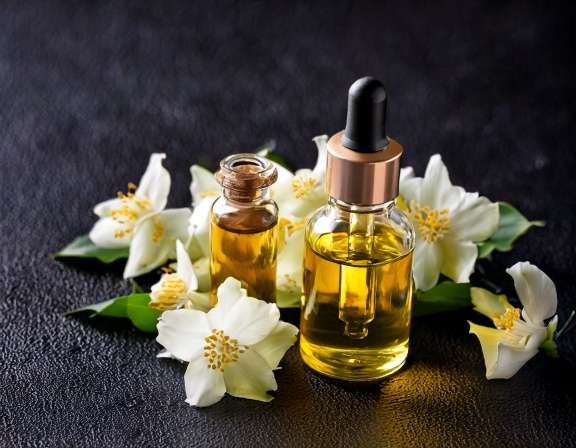
A floral oil can do more than smell pretty. Jasmine essential oil is popular in skin care because it brings both a rich scent and a soft, comforting feel to blends, creams, and body oils.
People often reach for jasmine when skin feels dry, dull, or in need of a little care. Still, it helps to keep expectations realistic. Research on essential oils for skin is still growing, so jasmine works best as a supportive addition, not a miracle fix.
The top jasmine essential oil benefits for skin
Jasmine has earned a place in facial oils, perfumes, body blends, and luxury creams for good reason. It has a warm floral scent, and it also pairs well with oils that help dry skin feel more comfortable.
That said, the benefit often comes from the full blend, not jasmine alone. Think of jasmine as a helpful teammate in a formula, not the whole team. When used well, it may support softness, glow, and a more pleasant skin care routine.
It can help skin feel softer and less dry
Dry skin often feels tight, rough, or a little papery. Jasmine essential oil is commonly added to facial oils and creams meant for that exact problem.
On its own, an essential oil does not replace a moisturizer. Still, when you dilute jasmine in a carrier oil like jojoba, sweet almond, or argan, it can help skin feel more supple. The carrier does much of the heavy lifting, while jasmine adds aromatic comfort and a touch of skin support.
This is one reason jasmine shows up in body oils and richer night blends. The experience matters too. A skin routine that feels calming is one you’re more likely to keep using.
It may support smoother-looking, healthy-looking skin
Jasmine is often chosen for skin that looks tired or less bouncy. People with dull or mature skin tend to like it because it may help skin look fresher and more cared for.
That doesn’t mean dramatic anti-aging changes happen overnight. Instead, think in smaller, more honest terms. Skin may look smoother, feel more flexible, and seem less worn out when jasmine is part of a consistent routine.
Massage also plays a part. When you press a diluted jasmine blend into the skin, you boost slip and encourage a slow, gentle application. That simple habit can leave skin looking more awake, much like watering a thirsty plant brings back some life.
Its natural antioxidant compounds may help defend skin from daily stress
Antioxidants help protect skin from the wear and tear of daily life. In simple terms, they help the skin deal with unstable molecules created by things like pollution, dry air, and other stressors.
Jasmine contains natural plant compounds that may offer some of that support. The research is not complete, so it makes sense to stay balanced here. Still, this is one reason jasmine is often included in products meant for stressed-looking skin.
Think of antioxidants like a light jacket on a breezy day. They don’t block everything, but they can offer a little extra help.
Jasmine may support comfort and appearance, but it isn’t a stand-in for sunscreen, moisturizer, or medical skin care.
Who may benefit most from jasmine essential oil on skin
Not every oil suits every face. Results can vary based on your skin type, the product formula, and how often you use it.
Jasmine tends to appeal most to people who want comfort, softness, and a more sensory skin care routine. For some, that matters as much as the ingredient list.
Dry and mature skin types often like jasmine in facial oils
If your skin often feels dry, thin, or a bit flat, jasmine may be a nice fit. Many people enjoy it in richer facial oils because those blends can help lock in softness and cut down on that tight feeling after cleansing.
Mature skin also tends to like formulas that feel cushioning. Jasmine works well in that setting because it brings a soft floral note while pairing nicely with nourishing carriers. The result is often a healthy-looking glow, not a fake shine.
This is less about turning back time and more about comfort. Skin that feels fed and protected usually looks better too.
Sensitive skin needs extra care before trying it
Fragrant essential oils can bother some people, even when the oil is high quality. So if your skin reacts easily, take jasmine slowly.
Start with a very low dilution and patch test first. If your skin already stings from many products, a fragrance-free routine may be the better choice. Sensitive skin often prefers fewer ingredients, not more.
That doesn’t mean jasmine is off limits for everyone. It simply means caution matters more than hype.
How to use jasmine essential oil for skin safely and effectively
Using jasmine well is usually simple. The goal is to keep the amount low, pair it with a skin-friendly base, and watch how your skin responds over time.
For beginners, less is better. A gentle routine beats a strong one almost every time.
Best ways to add it to your skin care routine
The easiest option is to mix one drop of jasmine essential oil into a teaspoon of carrier oil. Then apply a small amount to clean skin on areas that tolerate fragrance well, such as the body, neck, or a small part of the face if your skin isn’t reactive.
You can also add a drop to a body oil blend for dry arms, legs, or cuticles. Another smart choice is to buy a finished product that already contains jasmine. A well-formulated serum, cream, or body oil often gives better balance than a DIY mix.
If you’re still learning about safe topical use, these safe dilution tips for topical essential oil use can help.
Never apply jasmine essential oil straight from the bottle to your skin unless a qualified professional has told you to do so.
Patch testing and dilution matter more than the oil itself
A patch test is simple, and it can save you a lot of trouble. Mix your diluted jasmine blend first. Then place a small amount on the inner arm or another small area. Wait 24 hours and watch for redness, burning, itching, or bumps.
Dilution lowers the chance of irritation because essential oils are highly concentrated. Even oils that smell gentle can still upset the skin when used too strongly.
Keep jasmine away from broken skin, peeling skin, and the eye area. Also skip it right after shaving, exfoliating acids, retinoids, or any treatment that leaves your skin raw.
With essential oils, the safest routine is usually the most boring one, low dose, slow start, and careful observation.
When jasmine essential oil is not the right choice for skin
Sometimes the best choice is to skip jasmine altogether. If you have a known fragrance allergy, frequent skin reactions, or active irritation, jasmine may do more harm than good.
This also applies during eczema flare-ups or when your skin barrier feels damaged. If your face burns when you apply plain moisturizer, it probably isn’t the right time to add a fragrant oil. Wait until your skin is calm again.
Pregnancy is another time to be cautious. Topical essential oil use may need extra guidance, so it’s smart to ask a qualified health professional before trying jasmine or any new oil.
You should also stop using jasmine right away if you notice itching, hives, swelling, a rash, or ongoing redness. Those signs matter. Clean beauty still needs common sense.
For ongoing acne, rosacea, eczema, or other long-term skin issues, a dermatologist should guide treatment. Jasmine can be a pleasant extra, but it shouldn’t replace care that targets the real problem.
A gentle extra, not a cure-all
Jasmine essential oil may be a lovely add-on for skin that needs a little softness, comfort, and glow. Its scent also makes a routine feel more restful, which is part of why so many people enjoy it.
Still, safe use matters more than the bottle itself. Choose quality products, dilute properly, and pay attention to how your skin reacts over time.
Start small, keep your routine simple, and let your skin tell you if jasmine deserves a place on your shelf.
Stay Connected for More Natural Living Inspiration
If you enjoyed this post about herbal wellness and love discovering natural ways to refresh your home and wellness, don’t miss out on future recipes and clean-living tips! Subscribe to the blog for weekly DIYs, wellness inspiration, and herbal remedies delivered straight to your inbox.
Don’t forget to visit my Amazon storefront for the links to my favorite essential oils, herbal teas, and natural recipes. I also create YouTube ambiance videos for sleeping; a channel I created to help people who have trouble sleeping. The link to all social media content is here.
Thanks for coming by!



Leave a Reply