
(DISCLAIMER: I am not a doctor, and you should consult your healthcare professional before starting any health regimen. Product links are commissioned and supports the blog)

Key Takeaways
- Jasmine essential oil comes from jasmine flowers and has a rich, sweet floral scent that supports mood, skin, and hormones.
- Common jasmine oil for health uses include easing stress, lifting low mood, soothing skin, and easing menstrual discomfort.
- Safe use starts with proper dilution, a good carrier oil, and patch testing before putting it on your skin.
- Simple DIY recipes like a night spray, facial serum, and diffuser blend make daily uses of jasmine essential oil easy and affordable.
If you have ever caught the soft, sweet scent of jasmine at night, you know how quickly it can shift your mood. That same comforting aroma is captured in jasmine essential oil, a favorite in aromatherapy and natural skincare.
In this guide, we will unpack key jasmine essential oil benefits, what jasmine oil does for health, and simple ways to use it safely at home.
What Is Jasmine Essential Oil?
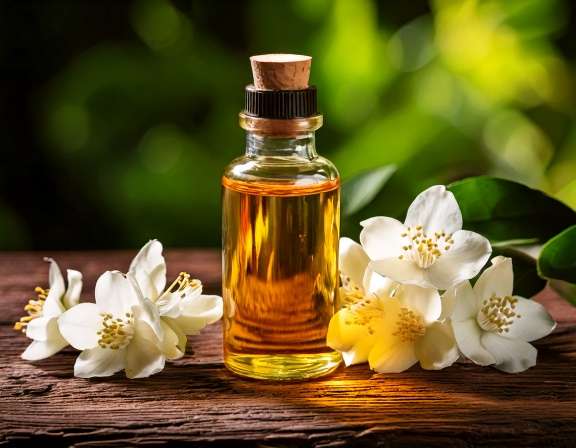
Jasmine essential oil is a concentrated oil made from jasmine flowers. It is usually taken from Jasminum sambac or Jasminum grandiflorum.
The oil has a strong, sweet, almost honey like scent. Many people describe it as warm, romantic, and comforting. Because it is so fragrant, you only need a few drops at a time.
Jasmine oil is popular in natural perfume, emotional support blends, and skin care. When people ask what does jasmine essential oil do, they are often thinking about its effects on mood, relaxation, and glowing skin.
Botanical Source and Extraction
Jasmine plants grow in warm regions, such as parts of Asia, the Middle East, and the Mediterranean. The vines or shrubs produce small white or pink flowers that open mostly at night.
The flowers are delicate and are often picked by hand, usually early in the morning when the scent is strongest. These flowers are then used to make jasmine essential oil.
Some jasmine oil is made by steam distillation, where steam passes through the flowers and carries the aromatic compounds. Other times, a method called solvent extraction is used, which creates a thick, fragrant product called jasmine absolute.
Quality and sustainability matter. Look for brands that share how they grow, harvest, and produce the oil, and that avoid overharvesting wild plants.
Key Chemical Components
Jasmine essential oil has many natural compounds that shape its scent and effects. A few important ones are:
- Linalool: Adds a light floral, slightly spicy aroma and may help calm the nervous system.
- Benzyl acetate: Gives that classic sweet, fruity jasmine note and can support relaxation.
- Indole: Smells rich and deep in small amounts and adds warmth and sensuality to the scent.
These compounds work together to create many of the known jasmine essential oil benefits for mood, skin comfort, and relaxation.
Top Health Benefits of Jasmine Essential Oil
If you are wondering why use jasmine essential oil, it helps to look at its most common uses. When people search for effects of jasmine oil or what does jasmine essential oil do, they usually mean benefits like:
- Calming tension and lifting mood
- Supporting healthy, glowing skin
- Comfort during colds or stuffy noses
- Helping with hormones, menstrual cramps, and libido
We will walk through each area in more detail.
Stress Reduction and Mood Enhancement
Jasmine oil is often called a natural mood brightener. Its scent can influence parts of the brain that control emotions. Studies suggest it may affect serotonin, a feel good chemical linked with calm, happiness, and better sleep.
Using jasmine in a diffuser in the evening can help you unwind after a long day. A few drops in a diffuser while you read or stretch can ease racing thoughts and help your body shift into rest mode.
If you want more ideas for mood blends, you can explore the aromatherapy benefits of jasmine oil, which go deeper into relaxation and emotional support.
Skin Care and Anti Aging Effects
Many people love jasmine oil in their skin care routine. In a proper dilution, it can:
- Support skin moisture
- Improve the look of elasticity and bounce
- Calm redness and minor irritation
- Add a soft glow to dull or tired skin
Jasmine suits dry or mature skin, and it can work well for sensitive types when blended correctly with a gentle carrier oil. If you want to go deeper into this topic, check out this guide on Jasmine essential oil skin benefits.
Respiratory Support and Cold Relief
Jasmine oil is not a cure for illness, but its aroma can help you feel more comfortable when you have a cold. Inhaling the steam from warm water with a drop of jasmine oil can:
- Soften a dry cough
- Give a sense of easier breathing
- Support your body with its mild antimicrobial traits
Always keep your eyes closed during steam and use very low amounts of oil.
Hormonal Balance and Menstrual Comfort
Many people reach for jasmine during their cycle. Traditional use and some modern reports suggest jasmine oil may:
- Ease menstrual cramps when used in a massage blend
- Support a more stable mood around your period
- Gently boost libido and support intimacy
Warm a carrier oil mix in your hands, then massage your lower belly or lower back. The scent plus touch can relax tight muscles and help you feel more grounded.
If you are curious about broader jasmine oil for health uses, the tag on jasmine oil for stress and wellness offers more ideas and blends.
How to Use Jasmine Essential Oil Safely
Jasmine is strong and concentrated, so a little goes a long way. When people ask how does jasmine essential oil help, the honest answer is that it helps most when used in small, well diluted amounts and with respect for your skin and body.
Dilution Guidelines and Carrier Oils
For skin use, a 1 to 2 percent dilution is usually enough. That means:
- For 1 percent: 1 drop of jasmine oil in 1 teaspoon of carrier oil
- For 2 percent: 2 drops of jasmine oil in 1 teaspoon of carrier oil
Good carrier oils include jojoba, sweet almond, and fractionated coconut oil. These oils are gentle, absorb well, and let the jasmine scent shine.
Topical Applications
Once diluted, jasmine oil works well in many simple blends:
- Facial serums for dry or mature skin
- Massage oils for stress relief or menstrual cramps
- Foot rubs at night to relax body and mind
Avoid putting jasmine essential oil straight on your skin without a carrier. Undiluted use raises the chance of redness or irritation.
Aromatherapy Methods
You can enjoy jasmine’s scent in several easy ways:
- Add 3 to 5 drops to a diffuser with water and run it for short periods
- Put 1 to 2 drops on a personal inhaler stick for on the go calm
- Use 1 drop in a bowl of hot water, cover your head with a towel, and breathe the steam for a few minutes
Keep rooms well aired and give yourself breaks so the smell does not feel overwhelming.
Precautions and Contraindications
Jasmine essential oil is strong, so keep these points in mind:
- Always patch test a new blend on a small area of skin
- Pregnant or nursing people should talk with a health professional before use
- Use lower dilutions for children, and seek advice from a trained aromatherapist before using jasmine on kids
- Avoid contact with eyes, inner nose, and sensitive areas
If you notice itching, redness, or headache, stop using the oil and wash the area with mild soap and carrier oil.
Popular Recipes and DIY Ideas
Here are three simple recipes that show common uses of jasmine essential oil in daily life. They are easy, budget friendly, and a nice way to test how your body and mood respond.
Relaxing Night Time Spray
This spray is perfect for your pillow and sheets.
- 2 ounces distilled water
- 1 tablespoon witch hazel or vodka
- 5 drops jasmine essential oil
Combine in a small spray bottle and shake well before each use. Mist your bedding about 10 minutes before sleep and let the soft scent guide your mind into a calmer space.
Hydrating Facial Serum
This serum suits normal to dry skin types.
- 1 ounce jojoba oil
- 2 drops jasmine essential oil
- 1 drop vitamin E oil
Add all ingredients to a glass dropper bottle and roll gently between your hands. Apply a few drops to clean, slightly damp skin at night. Massage in slow circles to support blood flow and a natural glow.
Mood Lifting Diffuser Blend
This blend is great for slow mornings or mid afternoon slumps.
- 3 drops jasmine essential oil
- 2 drops lavender essential oil
- 2 drops bergamot essential oil
Add the drops to your diffuser with water as directed and run for 20 to 30 minutes. The blend feels bright and calming at the same time and is one of the most popular uses of jasmine essential oil for emotional balance.
Conclusion
Jasmine oil carries a powerful floral scent and a long list of gentle wellness perks. The main jasmine essential oil benefits include calmer nerves, softer and more comfortable skin, and support around hormones and the menstrual cycle.
Used with respect, good dilution, and simple safety steps, jasmine oil can become a steady part of your natural care routine. Try one of the DIY recipes, notice how your body responds, and adjust amounts to fit your needs.
Have you tried jasmine essential oil for mood, skin, or cycle support? Share your favorite blends or questions in the comments so others can learn from your experience too.
Stay Connected for More Natural Living Inspiration
If you enjoyed this post about herbal wellness and love discovering natural ways to refresh your home and wellness, don’t miss out on future recipes and clean-living tips! Subscribe to the blog for weekly DIYs, wellness inspiration, and herbal remedies delivered straight to your inbox.
Don’t forget to visit my LinkTree for the links to my favorite essential oils, herbal teas, natural recipes, YouTube ambiance videos for sleeping; a project I created to help with insomnia symptoms and the second channel, Rooted in Nature YouTube Channel both channels feature herbal recipes for wellness and home.
Thanks for coming by!

Leave a Reply