
(DISCLAIMER: I am not a doctor, and you should consult your healthcare professional before starting any health regimen. Product links are commissioned and supports the blog)

Key Takeaways
- Rose essential oil dilution matters most for dry skin, because undiluted oil can irritate and trigger sensitivity.
- For facial use, stay low and steady, 0.5 to 1% is usually the comfort zone for dry, reactive skin.
- Choose a carrier oil that supports the moisture barrier (like jojoba, rosehip, or sweet almond), because the carrier does most of the moisturizing work.
- Keep blends simple, fewer oils means fewer chances for your skin to complain.
Dry skin can feel like a sweater that shrank in the wash, tight, itchy, and hard to ignore. Rose essential oil for dry skin sounds like the soft answer, and sometimes it is, but only when you use it the right way.
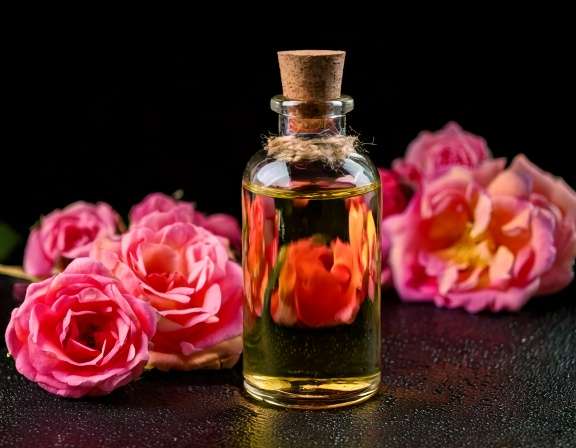
Rose (Rosa damascena oil), this liquid gold in skincare, is powerful and concentrated. Think of it like strong coffee, great in the right amount, rough if you overdo it.
Why rose essential oil can feel soothing on dry skin
Rose essential oil, extracted from delicate rose petals using steam distillation, is famous for its scent, but those with dry skin often seek comfort and anti-aging benefits. When skin is dry, the barrier is often stressed. That’s when redness, flaking, fine lines and wrinkles, and that “my face feels two sizes too small” feeling shows up.
Rose oil, derived from rose petals, is described as soothing thanks to its anti-inflammatory properties and skin-friendly overall, with antioxidants offering protective benefits and antibacterial properties as a bonus. Especially when it’s properly diluted in a carrier oil. The aroma also matters. Through aromatherapy, a calming scent can make your routine feel less like a chore, so you stick with it toward skin rejuvenation.
That said, rose essential oil is still an essential oil. It contains natural fragrance compounds that can bother sensitive skin. So the goal is not to drench your face in rose. The goal is to use a tiny amount, in a nourishing base, and see how your skin responds over time.
If you like reading the research side, this clinical overview on rose oil is a solid starting point: clinical evidence review on rose oil. It’s not a DIY recipe guide, but it helps frame rose oil as more than “just a smell.”
One more thing before you buy: many “rose oil” products are pre-diluted in jojoba or another carrier. That can be a good thing for dry skin. Just check the label so you know what you’re working with.
Rose essential oil dilution: safe ratios for face and body
Let’s make this simple. When using rose essential oil for dry skin, a safe blend starts with two decisions: where you’ll use it, and how sensitive your skin is right now. Always begin with a carrier oil.
For dry facial skin, start at 0.5 to 1% dilution. For body oils, 1 to 2% is common, because body skin is usually less reactive than facial skin. If your skin is cracked, freshly shaved, or over-exfoliated, treat it like sensitive skin and go lower.
Here are easy, practical conversions (they’re approximate because drop size varies):
- 0.5%: about 1 drop per 2 teaspoons (10 mL) carrier, or 3 drops per 1 ounce (30 mL)
- 1%: about 1 drop per 1 teaspoon (5 mL) carrier, or 6 drops per 1 ounce (30 mL)
- 2%: about 2 drops per 1 teaspoon (5 mL) carrier, or 12 drops per 1 ounce (30 mL)
If you want a deeper dilution refresher, Mountain Rose Herbs explains ratios clearly here: essential oil dilution ratio guide.
Carrier oils do the heavy lifting for dry skin, because they promote skin hydration by softening and helping reduce water loss for sustained skin hydration. Opt for cold pressed options like jojoba oil or rosehip seed oil, which provide vitamins A, C, and E. If you’re unsure which carrier to pick, use a quick guide like safe dilution ratios for essential oils, then choose based on texture and how your skin feels after.
Attention: don’t apply rose essential oil “neat” (undiluted), even if someone online swears it’s fine. Sensitization can build over time, and dry skin is already easier to irritate.
A quick safety routine that saves a lot of regret:
- Mix your blend, then do a patch test on the inner forearm.
- Wait 24 hours.
- If there’s itching, redness, or burning, don’t use it on your face.
Also avoid the eye area, and wash your hands after blending.
Simple blends for dry skin (gentle, low-fuss, and cozy)
You don’t need a 12-oil recipe for good results. In fact, dry skin usually does better with fewer ingredients. Below are three simple options inspired by the natural essence of rose petals that keep rose in the “supporting role,” not the star that takes over. Whether you choose rose otto, rose absolute, or another form, opt for organic rose oil for the purest quality.
Blend 1: Everyday face oil (1% and beginner-friendly)
Use this moisturizing blend at night over slightly damp skin, after a plain moisturizer if you’re very dry. Its anti-inflammatory properties soothe while supporting collagen production, making it ideal for mature skin and helping reduce fine lines and wrinkles over time.
- 10 mL jojoba oil or rosehip oil
- 2 drops Rose Essential Oil (this lands near 1%)
If your skin is reactive, cut it to 1 drop (about 0.5%). Also, don’t rub hard. Press it in like you’re smoothing a thin layer of silk. With consistent use, expect boosted collagen production and smoother results for mature skin, targeting fine lines and wrinkles.
Blend 2: Dry patch spot oil for cheeks and flaky areas (0.5% and extra gentle)
This moisturizing option is for those “only my chin is peeling” weeks, leveraging anti-inflammatory properties from rose petals in a non-greasy formula.
- 10 mL sweet almond or squalane
- 1 drop Rose Oil
Use a tiny amount and keep it away from nostrils if you’re prone to scent headaches.
Blend 3: Body oil for winter skin (2% total, rose-forward but still safe)
Apply this moisturizing body oil right after a shower when your skin is still a little damp to lock in skin hydration. Rich carrier oils provide essential fatty acids and vitamins A, C, and E for deep nourishment and enhanced skin hydration.
- 30 mL carrier oil (sweet almond, avocado, or jojoba)
- 4 drops Rose Essential Oil
- 8 drops Lavender Essential Oil (optional, keep the total at 12 drops for 2%)
If you prefer rose alone, skip lavender and keep rose at 6 drops (1%) for a softer scent and lower risk of irritation. Your skin gets the same benefit from the carrier either way.
If you want more rose-based inspiration without making things complicated, Garden Therapy has approachable ideas here: rose skincare recipe ideas.
Finally, store blends in a dark bottle, keep the cap tight, and aim to use them within a few months. If it smells “off,” toss it. These blends draw from rose petals to deliver antioxidants that fight hyperpigmentation, improve blood circulation, and offer antibacterial properties for overall skin rejuvenation.
Dry skin usually responds best to boring consistency, not constant experimenting.
Your best next step is simple: start with a low rose essential oil dilution, pick one carrier oil you like, and use it for two weeks. Then see what changes, less tightness, fewer flakes, or just skin that feels calmer with anti-aging benefits. What would it feel like to stop fighting your skin and start working with it using rose essential oil for dry skin?
Stay Connected for More Natural Living Inspiration
If you enjoyed this post about herbal wellness and love discovering natural ways to refresh your home and wellness, don’t miss out on future recipes and clean-living tips! Subscribe to the blog for weekly DIYs, wellness inspiration, and herbal remedies delivered straight to your inbox.
Don’t forget to visit my Amazon storefront for the links to my favorite essential oils, herbal teas, and natural recipes. I also create YouTube ambiance videos for sleeping; a channel I created to help people who have trouble sleeping. The link to all social media content is here.
Thanks for coming by!


Leave a Reply