
(DISCLAIMER: I am not a doctor, and you should consult your healthcare professional before starting any health regimen. Product links are commissioned and supports the blog)

Key Takeaways
- Rose essential oil benefits often show up as a calmer mood, a softer bedtime vibe, and a more comforting self-care routine.
- A little goes a long way, start low (often 2 to 4 drops in a diffuser).
- For skin use, always dilute in a carrier oil and patch test first.
- Rose is pricey for a reason, quality matters, and fakes are common.
- Skip risky shortcuts (like adding oil straight to bathwater), and keep scents light around kids and pets.
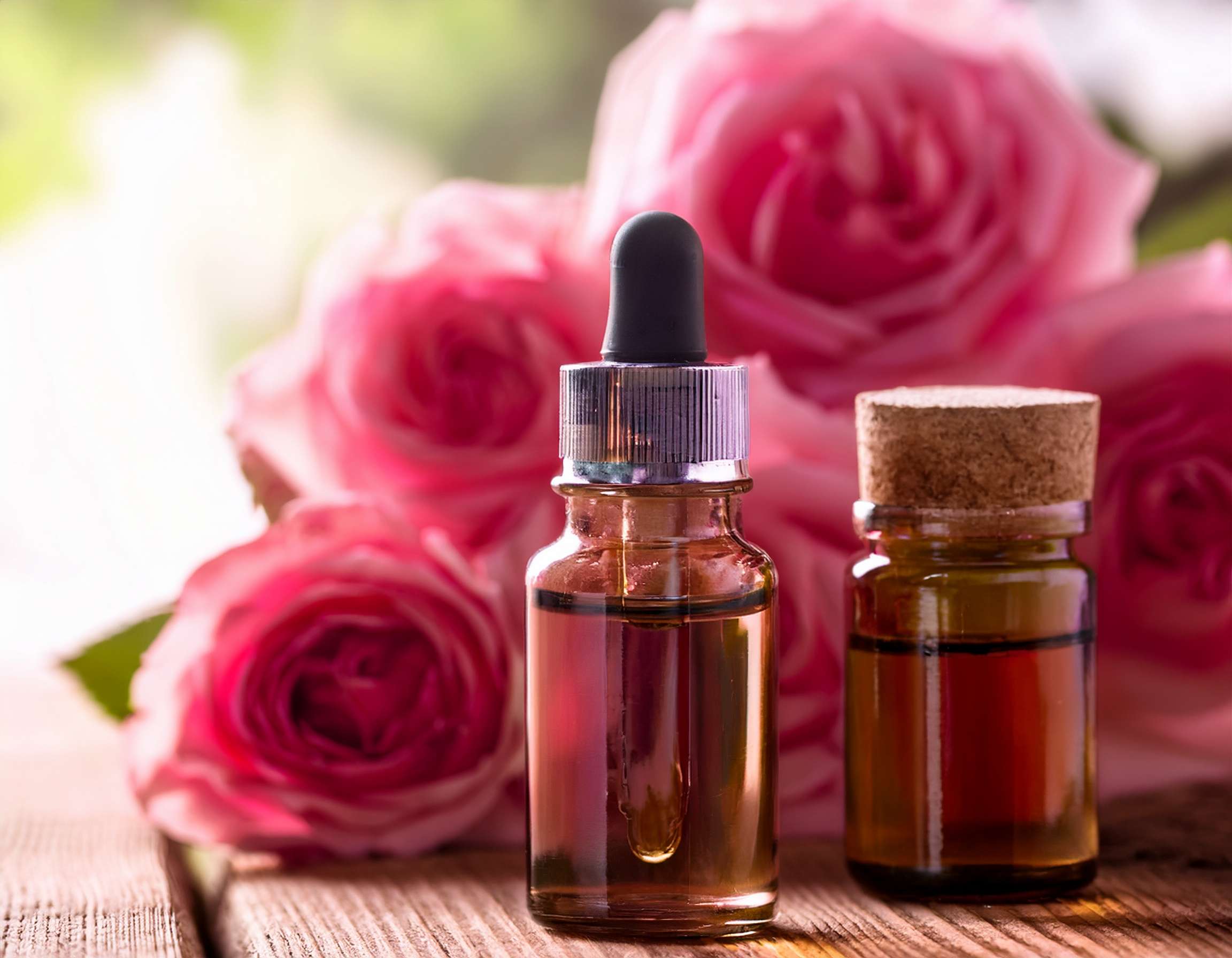
Rose essential oil is the concentrated aromatic oil from rose petals, usually Rosa damascena or Rosa centifolia. It’s typically made by steam distillation, which captures the rose’s scent in a potent form. That’s why it smells so rich and why a tiny bottle can feel like a treasure.
People love rose oil in aromatherapy and skincare because it’s both comforting and classic. It can make a plain evening feel a bit more special, like fresh flowers on your nightstand. Still, results vary based on your body, your scent preferences, and the quality of the oil you’re using.
Rose Essential Oil Benefits for Mood, Stress, and Sleep
Aromatherapy sounds fancy, but the idea is simple: smell sends signals to the brain. Certain scents can help you shift gears mentally, the same way the smell of coffee can wake you up or clean laundry can make a room feel calmer.
Rose is often chosen when life feels sharp around the edges. The aroma is soft, floral, and grounding, which makes it a popular pick for stress, low mood, and winding down.
Stress relief and emotional balance (quick aromatherapy routines)
If you’re new to rose oil, start with small, repeatable rituals. Consistency usually matters more than “perfect” blends.
Here are three easy options:
- Diffuser (simple and steady): Add 2 to 4 drops to your diffuser (follow your diffuser’s water line). Run it for 15 to 30 minutes while you unpack your day.
- Personal inhaler (on-the-go calm): Add a few drops to the cotton wick inside an inhaler. Take 2 slow breaths, then pause. Repeat once.
- Tissue or cotton ball (fast and low-effort): Put 1 drop on a tissue, hold it a few inches away, and breathe in gently.
Try pairing it with a short breathing pattern: inhale through your nose for a slow count of four, exhale for a slow count of six. Do that for one minute. It’s simple, but it can change the tone of a moment.
Rose can be helpful when you’re:
- Coming down after work
- Feeling emotionally raw during PMS
- Getting ready for a hard conversation (or coming home from one)
Sleep support and a calming bedtime scent
Rose can also fit into a bedtime routine, but it’s best used like background music, not a concert.
A few safe, low-dose ideas:
- Bedroom diffuser: Use 1 to 3 drops in a diffuser for 15 to 30 minutes before bed, then turn it off. If you wake up with headaches from scent, use fewer drops or diffuse earlier in the evening.
- Linen spray (done carefully): Essential oil doesn’t mix with water on its own, so you need a proper solubilizer or a pre-made base meant for essential oils. Spray lightly on bedding and let it dry. Don’t spray directly on skin.
If you plan to use rose on fabric regularly, do a small test first (some oils can spot delicate materials). If anyone in your home is scent-sensitive, keep the room well-ventilated and the scent level light.
Rose Essential Oil Benefits for Skin and Self Care
Rose is one of those scents that makes skincare feel less like a chore. Many people reach for it because it can support a soothing, hydrated feel and a “glow” effect when it’s used correctly.
The key phrase is “used correctly.” Rose essential oil is concentrated, so skin use should be diluted every time, especially on the face. Patch testing matters, even if you’ve used other oils before.
Supports a healthy-looking glow (when diluted the right way)
If you remember one rule, make it this: essential oils are not face oils by themselves. They need a carrier oil, like jojoba or sweet almond, to buffer the strength.
Easy dilution ranges that work for most people:
- Face (0.5%): about 1 drop per 2 teaspoons of carrier oil
- Body (1%): about 1 drop per 1 teaspoon of carrier oil
Good carrier oils for rose blends include jojoba, sweet almond, and fractionated coconut oil. If you want help choosing one based on your skin type, this guide is a solid starting point: Best carrier oils for skin and hair.
Where to be extra careful:
- Avoid the eye area, lips, and inside the nose
- Don’t apply to broken or freshly shaved skin
- Keep it minimal if you’re already using strong actives (like retinoids or acids)
Soothing feel for dry, tight, or mature-looking skin
Rose oil shows up in many face oils and body oils because it can feel comforting, especially when skin feels tight or looks dull. Think of it like adding a soft scarf to your routine, it doesn’t “fix everything,” but it can make things feel better.
Two simple DIY ideas:
- Basic face oil: In a small bottle, mix 2 teaspoons of jojoba (or another carrier) with 1 drop of rose essential oil. Apply 2 to 3 drops of the blend to slightly damp skin.
- Cuticle oil: Add 1 teaspoon of sweet almond oil to a small roller bottle, then add 1 drop rose. Roll onto cuticles and massage in.
Results depend on your skin type, the rest of your routine, and product quality. If something stings or leaves redness, wash it off and don’t push through.
How to Use Rose Essential Oil Safely (and Get the Best Results)
Rose oil is gentle in vibe, but it’s still a powerful plant extract. Safe use protects your skin, your lungs, and your budget.
Safe ways to use it: diffuse, topical dilution, and bath tips
Diffusing
- Use short sessions (15 to 30 minutes).
- In small rooms, use fewer drops (often 1 to 3 is plenty).
- Keep air moving, crack a door if the scent feels heavy.
Topical use
- Stick to low dilution, especially on the face (0.5% is a good default).
- Patch test: apply a small amount of your diluted blend to your inner forearm and wait 24 hours. If you get itching, bumps, or redness, skip it.
Bath use
- Don’t add essential oil straight to bathwater. Oil floats, and that can lead to a concentrated hit on your skin.
- Mix first with a dispersant (like unscented liquid castile soap) or use a pre-made bath base designed for essential oils, then add it to the tub.
Who should avoid it or ask a pro first
Rose essential oil isn’t a fit for everyone. Use extra caution if you are:
- Pregnant or nursing (check with a qualified clinician)
- Using it around babies or young kids
- Living with asthma, migraines, or strong scent sensitivity
- Allergic to roses or fragrance
- Under medical care or taking medication (ask your clinician or pharmacist)
Pets: Cats are more sensitive to essential oils. If you diffuse, keep it light, keep the door open, and let pets leave the room whenever they want.
How to choose a high-quality rose essential oil (and spot fakes)
True rose essential oil is expensive because it takes a huge amount of petals to make a small amount of oil. If a bottle seems suspiciously cheap, trust your instincts.
Quick label checks that help:
- Latin name (like Rosa damascena)
- Plant part (petals)
- Extraction method (steam-distilled)
- Country of origin
- Batch or lot number
- GC/MS testing available upon request
Also watch the wording. Rose absolute is different (often solvent-extracted), and rose fragrance oils are not essential oils at all. Those can still smell nice, but they’re not the same product and shouldn’t be treated like one.
Conclusion
The most loved rose essential oil benefits are simple and personal: a calmer mood, an easier wind-down at night, and a skincare routine that feels comforting instead of rushed. Keep it safe and enjoyable by using small amounts, diluting for skin, and patch testing before you commit.
A practical next step is to try one method for a week, like a short evening diffuser routine, and jot down how you feel after. Did you feel more relaxed, more centered, or just a little more like yourself? Share your favorite way to use rose, or what you want to learn next.
Stay Connected for More Natural Living Inspiration
If you enjoyed these essential oil blend recipes and love discovering natural ways to refresh your home and wellness, don’t miss out on future recipes and clean-living tips! Subscribe to the blog for weekly DIYs, wellness inspiration, and herbal remedies delivered straight to your inbox.
Tap here to visit my LinkTree store where you can purchase the essential oils mentioned in this post, explore new essential oil products, herbal tea blends, and more.
Thanks for coming by!

Leave a Reply