
(DISCLAIMER: I am not a doctor, and you should consult your healthcare professional before starting any health regimen.)

Key Takeaways
- Choose gentle oils first, such as lavender, Roman chamomile, geranium, sandalwood, and ylang ylang.
- Dilute every single time, because essential oils are too strong to use straight on skin.
- Patch test before regular use, even if an oil smells soft or natural.
- Buy 100% pure oils from brands that list the botanical name and full ingredients.
- Use carrier oils like jojoba, almond, or coconut oil to keep dry skin comfortable.
- Stop if you feel burning, redness, or stinging, because those are warning signs.
Dry skin wants calm, not a harsh little shock. If your skin already feels tight, flaky, or thirsty, the wrong essential oil can turn a simple routine into a sting.
The good news is that you can choose oils with care and use them in ways that feel gentle. Essential oils for dry skin should support comfort, not fight against it. That means picking mild oils, diluting every time, and buying products you can trust.
What dry skin needs from an essential oil
Dry skin does best with oils that feel soothing, not sharp. It needs help that calms the look and feel of tightness without adding more stress to the skin barrier.
A good essential oil for dry skin should feel soft in use, blend well with a carrier oil, and have a low chance of irritation. It should support comfort, not leave skin feeling hot, pulled, or stripped.
Why some oils feel better on dry skin than others
Dry skin often reacts badly to strong oils. Very hot, sharp, or heavily astringent oils can make the skin feel drier, even if the scent seems clean or fresh.
Gentler oils are easier to live with. They can help with the rough, papery feel that often comes with dryness, and they usually work better in small amounts. In other words, the goal is balance, not force.
Some people assume stronger scent means stronger results. Skin does not work that way. A gentle oil can be the better choice, especially when your skin is already sensitive.
The best essential oils to consider first
Start with oils known for their mild, skin-friendly nature.
Lavender is a classic choice for dry skin because it often feels calming and comforting. It fits well in simple blends for daily use.
Roman chamomile is another soft option. Many people choose it when their skin looks red, feels reactive, or needs a more delicate touch.
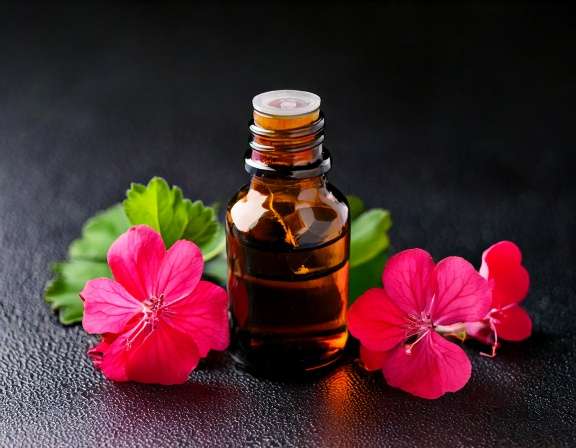
Geranium has a balanced, floral-green scent and works well in blends meant to support a more even skin feel. It pairs nicely with richer carrier oils.
Sandalwood is often chosen for very dry skin because it feels smooth and steady. Its warm, woody scent also makes a blend feel grounded.
Ylang ylang is rich and floral. In small amounts, it can add a soft, comforting note to a body oil or bath blend.
If you want more background on skin-safe choices, this guide to safe use tips for skin is a useful place to start.
How to check whether an oil is safe for your skin
Natural does not always mean gentle. A plant-based oil can still irritate dry, sensitive skin, especially when it is old, poorly labeled, or used at the wrong strength.
Before you buy, read the bottle like you would read a food label. Look for clarity, not hype.
Read labels before you buy
The label should tell you that the oil is 100% pure essential oil. It should also list the botanical name, such as Lavandula angustifolia for lavender.
Watch for vague wording. Terms like “fragrance oil,” “aroma blend,” or “perfume oil” can hide synthetic ingredients. Those products may smell nice, but they are not the same as a pure essential oil.
Ingredient transparency matters most. If a brand leaves you guessing, move on.
Look for quality signs that matter
A dark glass bottle is a good sign because it helps protect the oil from light. Clear brand details also help, including a real company name, batch info, and storage guidance.
Third-party testing is worth looking for too. It does more than a polished label or a pretty social feed. Clean scent and tidy packaging can be nice clues, but testing and full ingredient details matter more.
A bottle should feel like a finished product, not a mystery.
Know when to avoid an oil
Some oils are too strong for very sensitive skin. If an oil stings, leaves red patches, or makes dryness worse, stop using it.
Extra caution matters for children, pregnancy, broken skin, and anyone with allergies or skin conditions. When your skin is already irritated, even a mild oil can feel like too much.
If you’re unsure, keep the blend simple or skip it. Skin comfort should lead the choice.
The safest ways to use essential oils on dry skin
The safest routine is also the simplest one. Use a small amount, mix it with a carrier oil, and test it before you commit.
A good rule for adults is to stay around 1% to 2% dilution. For dry, sensitive skin, 0.5% to 1% is often a better place to begin.
Always dilute before applying
Never put essential oils straight on your skin. They are concentrated, and dry skin can absorb that harshness fast.
Carrier oils soften the edges. Jojoba, coconut, and almond oil are all useful for dry skin. Jojoba is light and stable, coconut feels rich, and almond adds a smooth slip.
Dilution lowers the risk of burning, redness, and rash. It also helps the blend spread more evenly.
Patch test before full use
A patch test takes a little time, but it can save your skin a lot of trouble.
- Mix your oil blend with a carrier oil first.
- Apply a small amount to the inner forearm.
- Wait about 24 hours, then check for redness, itching, or stinging.
If your skin stays calm, you can try it on a larger area. If it reacts, stop there.
Use the face, body, and bath differently
Facial skin needs the lightest touch. Keep blends very mild and use only a few drops at a time.
Body skin can usually handle a slightly richer mix, especially after a shower. Damp skin holds moisture better, so that is a smart time to apply oil.
Bath use needs the most care. Essential oils must be mixed with a carrier oil or bath salt first. If they float on the water, they can sit on the skin in a strong spot and irritate it.
Simple dry skin recipes readers can make at home
These blends stay gentle and beginner-friendly. Each one uses a small amount of essential oil so dry skin gets comfort without too much scent or strength.
A calming facial oil blend
Mix 1 tablespoon of jojoba oil with 1 drop of lavender and 1 drop of Roman chamomile. Shake the bottle well.
After washing your face, press 2 to 3 drops into damp skin. Keep the amount small, especially if your skin leans reactive.
A soothing body oil for after a shower
Combine 2 tablespoons of sweet almond oil with 2 drops of geranium and 2 drops of sandalwood. Store it in a small glass bottle.
Massage it onto damp skin right after bathing. That is when the skin can hold onto moisture best, and the blend feels smooth instead of greasy.
A relaxing bath soak for extra dryness
Mix 1/2 cup of Epsom salt with 1 tablespoon of jojoba oil, 1 drop of lavender, and 1 drop of ylang ylang. Stir the oils into the salt first.
Add the mixture to running bath water and swirl the water before getting in. This helps spread the oils more evenly and keeps them from sitting in one strong spot on the skin.
Mistakes that can make dry skin worse
A few small habits can undo a good blend fast. Dry skin is easy to irritate, so the way you use the oil matters as much as the oil itself.
Using too much oil too often
More is not better. A larger amount can leave skin feeling heavy, sticky, or red.
Too frequent use can also build up on the skin and make dryness feel worse, especially if your barrier is already weak. A small amount, used with care, usually works better.
Skipping carrier oils and patch tests
These are two of the biggest mistakes people make. Essential oils need a carrier oil, and they need a patch test before regular use.
Skipping either step turns a simple routine into a guessing game. Dry skin does not need that kind of stress.
Choosing oils for scent instead of skin needs
A lovely scent does not mean an oil suits dry skin. Bright, sharp, or spicy oils can smell beautiful and still feel rough on a sensitive face.
Let the skin make the decision. If your goal is comfort, pick the oil that supports comfort, not the one that smells strongest.
Conclusion
Choosing essential oils for dry skin safely comes down to a few steady habits. Pick gentle oils, buy pure products, dilute every time, and patch test before you make a blend part of your routine.
That simple approach keeps the focus where it belongs, on comfort and skin health. With the right oil and a light hand, dry skin can get the calm support it needs without the sting.
Stay Connected for More Natural Living Inspiration
If you enjoyed this post about herbal wellness and love discovering natural ways to refresh your home and wellness, don’t miss out on future recipes and clean-living tips! Subscribe to the blog for weekly DIYs, wellness inspiration, and herbal remedies delivered straight to your inbox.
Don’t forget to visit my Amazon storefront for the links to my favorite essential oils, herbal teas, and natural recipes. I also create YouTube ambiance videos for sleeping; a channel I created to help people who have trouble sleeping. The link to all social media content is here.
Thanks for coming by!

Leave a Reply