
(DISCLAIMER: I am not a doctor, and you should consult your healthcare professional before starting any health regimen.)

A cup of tea made from Chrysanthemum morifolium can feel like a soft exhale at the end of a long day. The drink is pale gold, lightly floral, and easy to sip, but the real question is what it does for you. Because this herbal infusion is naturally caffeine-free, it serves as a soothing, reliable ritual at any hour.
The chrysanthemum tea benefits people talk about often include calm, comfort, and gentle support for everyday wellness. Still, the details matter. Brew time changes the taste, and safety matters just as much as flavor.
Key Takeaways
- Chrysanthemum tea is a light herbal drink with a soft floral taste.
- Its best-known benefits include deep relaxation, mild anti-inflammatory properties, and antioxidant activity.
- A 5 to 6 minute steep provides the best balance of flavor and ensures you get the most out of your relaxation ritual.
- Shorter steeps taste lighter, while longer steeps can turn sharper and more bitter.
- People with allergies to chrysanthemums or other plants in the daisy family should avoid this tea.
- If you take blood pressure medicine, are pregnant, or are breastfeeding, check with a clinician first before adding it to your routine.
Chrysanthemum Tea Benefits Worth Knowing
Chrysanthemum tea, known in traditional Chinese medicine as Juhua, has a long history in tea culture. Modern interest in this floral infusion continues to grow because it feels both simple and effective. It does not behave like a heavy herbal remedy; instead, it offers a mild, aromatic cup that many people reach for when they want something soothing.
Historically, this tea has been used for medicinal purposes to support liver health and clear internal heat from the body. Some of the most frequently discussed chrysanthemum tea benefits include its role in relaxation, support for mild inflammation, and high antioxidant content. These antioxidants help combat free radicals, potentially reducing oxidative stress through a variety of phytochemicals and flavonoids. Healthline’s chrysanthemum tea overview notes that the tea is linked with possible support for blood pressure and general wellness, though it is not a cure-all.
The dried flowers also contain beta-carotene, which the body converts into vitamin A. This process is essential for maintaining eye health and supporting the immune system. Memorial Sloan Kettering’s chrysanthemum herb profile maintains a grounded perspective, noting that while clinical evidence is still evolving, the plant has been used for centuries for its noted antibacterial effects.
A gentle herbal tea can still deserve respect, especially when allergies or medications are part of the picture.
The tea may also feel helpful when you want a warm drink during the colder months. Some people use it for sore throats, skin comfort, or a quiet wind-down before bed. The effect is mild, but that gentle quality is exactly why so many people keep a stash of Juhua in their kitchen cupboards.
Best Brew Time for a Clean, Floral Cup
Brew time matters because chrysanthemum flowers can taste delicate or flat if you rush them. Give them too much time, and the cup can turn bitter or dusty. The sweet spot sits in the middle, allowing you to extract the right balance of flavor while preserving the essential oils responsible for that signature floral aroma.
For most people, 5 to 6 minutes is the best place to start. Use water that has just stopped boiling, then pour it over the flowers and strain the tea right away. This method gives the blooms enough time to open fully without losing their soft, characteristic edge.
A quick guide helps if you like to adjust the cup to your taste:
| Steep time | Flavor | Best for |
|---|---|---|
| 3 to 4 minutes | Light and airy | A very soft cup |
| 5 to 6 minutes | Balanced and floral | Most home brews |
| 7 to 8 minutes | Stronger and deeper | A more pronounced taste |
The takeaway is simple. If you are new to the tea, begin at five minutes. If you want a brighter cup, shorten the steep a little. If you want more body, add a minute or two, but avoid pushing it too far.
A small teaspoon of dried flowers per cup is a good starting point. If the tea tastes too pale, use a little more next time. If it tastes sharp, use fewer flowers or shorten the time to keep your brew perfectly balanced.
3 Easy Chrysanthemum Tea Recipes
These recipes use high-quality, tea-grade dried chrysanthemum flowers. Always ensure you are using flowers specifically meant for consumption rather than dried decor or potpourri.
1. Classic Hot Chrysanthemum Tea
Ingredients
- 1 tablespoon dried chrysanthemum flowers
- 1 cup hot water
- Honey, optional
Steps
- Place the dried chrysanthemum flowers in a cup or teapot.
- Pour in hot water that has just stopped boiling.
- Steep for 5 to 6 minutes, then strain.
This version keeps the flavor clean and soft. Honey works well if you want a rounder, sweeter finish.
2. Chrysanthemum Honey Lemon Tea
Ingredients
- 1 tablespoon dried chrysanthemum flowers
- 1 cup hot water
- 1 teaspoon honey
- 1 thin slice lemon
Steps
- Steep the dried chrysanthemum flowers in hot water for 5 minutes.
- Strain into a mug.
- Stir in honey and add the lemon slice.
This recipe tastes brighter than the plain version. The lemon lifts the floral notes and provides a boost of vitamin C, giving the tea a fresh and invigorating edge.
3. Iced Chrysanthemum Mint Tea
Ingredients
- 2 tablespoons dried chrysanthemum flowers
- 2 cups hot water
- 4 to 5 mint leaves
- Ice
- Honey, optional
Steps
- Steep the dried chrysanthemum flowers and mint in hot water for 6 minutes.
- Strain and let the tea cool.
- Pour over ice and sweeten lightly if desired.
This drink feels especially refreshing on warm days. The addition of mint provides a cool finish that pairs perfectly with the subtle floral notes.
If you enjoy exploring different types of herbal tea, you may find that hibiscus herbal tea offers a brighter, tart cup to switch up your routine. Alternatively, if you are looking for something earthier, you might consider how dandelion tea digestive benefits can bring a different kind of warmth to your daily wellness regimen.
Safety Notes Before You Drink It
Chrysanthemum tea is not suitable for everyone. The primary concern is potential allergy. If you have known sensitivities to chrysanthemums, daisies, ragweed, or similar plants, it is best to avoid this herbal infusion entirely.
WebMD’s chrysanthemum safety page notes that allergic reactions can occur, which is an important consideration for new drinkers. It is smart to start with a small amount when you first try the tea. A few sips can help you determine how your body reacts.
You should pay close attention if you take medication to manage your cardiovascular health. Chrysanthemum tea may lower blood pressure, which could increase the effect of your current prescription. If your blood pressure is already low, you should be cautious with large servings.
Pregnant and breastfeeding individuals should consult with a healthcare professional before adding the tea to their routine. There is currently a lack of extensive safety data for these groups, and it is best to err on the side of caution with herbal supplements.
Watch for adverse symptoms such as itching, rashes, swelling, or breathing difficulties. These signs require immediate medical attention.
- Avoid chrysanthemum tea if you have a known flower allergy.
- Start with a small serving if you have never tried it before.
- Use extra care if you are monitoring your cardiovascular health or taking blood pressure medicine.
- Check with a clinician if you are pregnant, breastfeeding, or managing a chronic health condition.
Choosing and Storing Dried Flowers
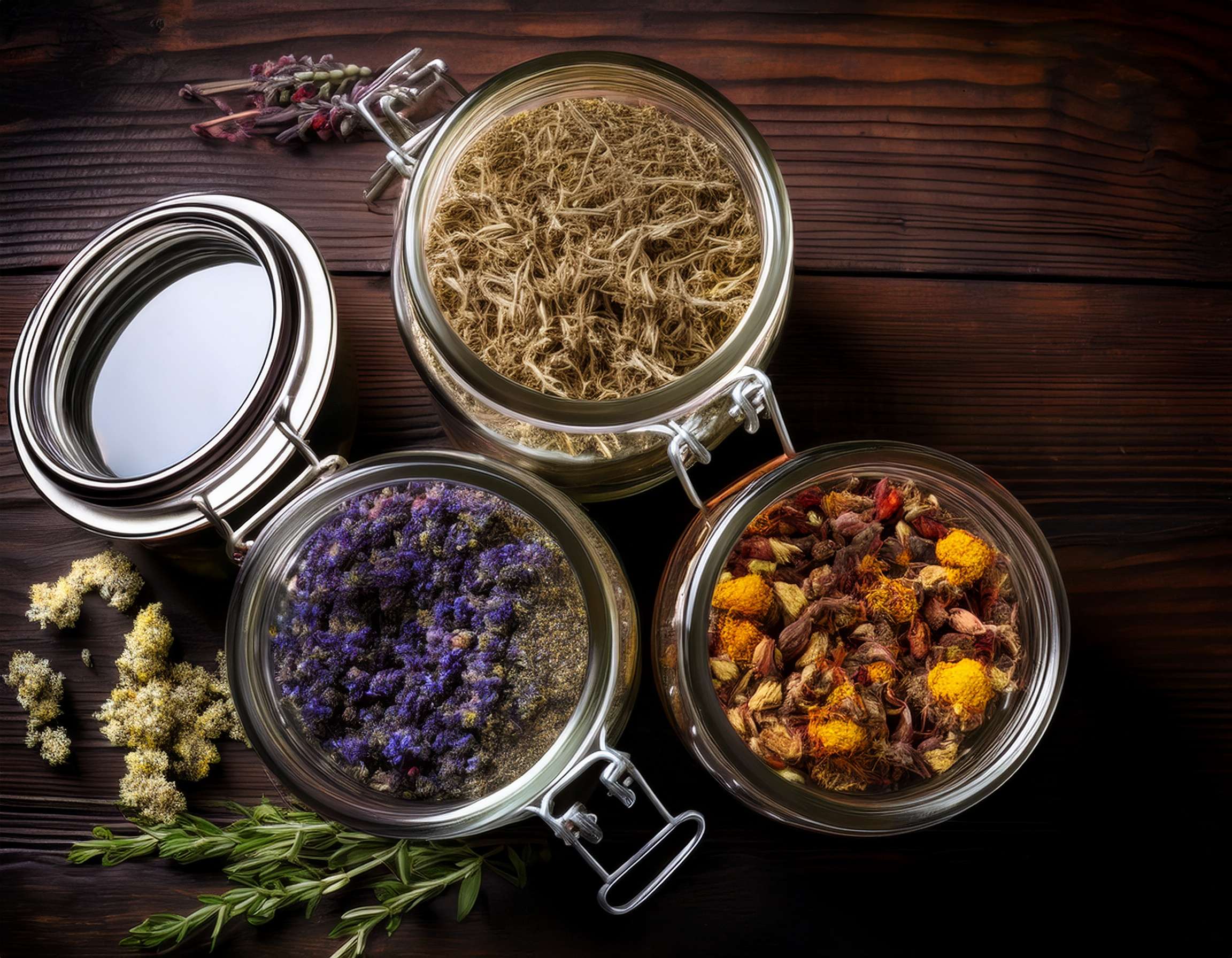
Good tea starts with high-quality ingredients. When shopping, look for dried chrysanthemum flowers that smell fresh and floral rather than stale or dusty. High-quality dried chrysanthemum flowers are more than just a garnish; they contain higher levels of amino acids and essential oils that contribute to the drink’s therapeutic profile. The petals should retain their vibrant color, and the packaging should explicitly state that the flowers are intended for tea or culinary use.
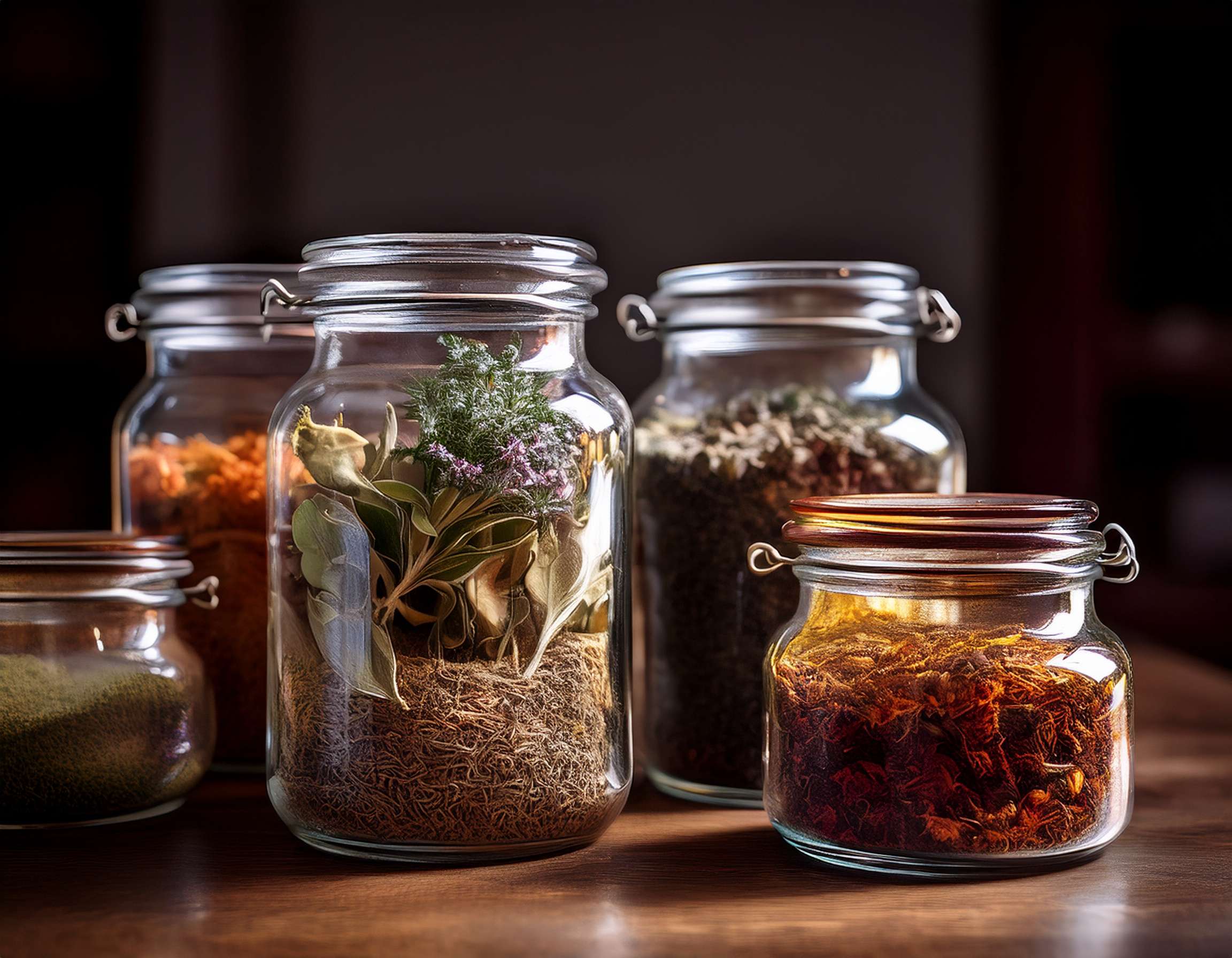
Proper storage is essential to maintain these beneficial compounds. Keep your flowers in an airtight jar or tin, ideally tucked away from heat and direct sunlight in a cool cabinet. Proper storage not only preserves the flavor but also protects the integrity of the essential oils. Over time, the natural scent will inevitably fade and the cup may lose its brightness, so try to use your supply while the flowers still smell lively.
If your brewed tea tastes dull, the flowers may be past their prime. If they smell musty or lack any fragrance at all, it is best to discard them. A quality herbal tea should taste like a garden after a light rain, not like a forgotten storage drawer. By choosing fresh blossoms and storing them correctly, you ensure every cup provides the best possible flavor and wellness benefits.
Frequently Asked Questions
Is it safe to drink chrysanthemum tea every day?
For most people, enjoying a cup of chrysanthemum tea daily is safe and can serve as a relaxing ritual. However, because it may have mild effects on blood pressure and is related to the daisy family, you should monitor how your body reacts and avoid it if you have specific allergies.
Does chrysanthemum tea contain caffeine?
No, chrysanthemum tea is naturally caffeine-free, making it an excellent choice for a calming evening drink. Unlike black or green teas, it will not interfere with your sleep cycle, allowing you to wind down comfortably before bed.
Can I eat the chrysanthemum flowers after steeping?
Yes, the flowers are edible and safe to consume after they have been rehydrated in your tea. Many people find the softened petals add a pleasant texture, though you can simply strain them out if you prefer a smoother beverage.
How should I store dried chrysanthemum flowers to keep them fresh?
To preserve the essential oils and floral aroma, store your dried flowers in an airtight container in a cool, dark place. Keeping them away from heat and direct sunlight ensures they stay fragrant and effective for as long as possible.
Conclusion
The real value of chrysanthemum tea lies in its quiet balance. It offers a soft, floral flavor, a grounding ritual, and a range of potential chrysanthemum tea benefits that make it a favorite for those seeking a moment of calm. Beyond its soothing properties, the tea is often appreciated for its natural potassium content, which adds to its reputation as a gentle addition to your wellness routine.
To get the most out of your brew, remember that the best results usually come from a 5 to 6 minute steep using fresh, high quality dried flowers. By paying attention to your brewing technique and safety guidelines, you can ensure that every cup remains simple, clean, and perfectly balanced.
Stay Connected for More Natural Living Inspiration
If you enjoyed this post about herbal wellness and love discovering natural ways to refresh your home and wellness, don’t miss out on future recipes and clean-living tips! Subscribe to the blog for weekly DIYs, wellness inspiration, and herbal remedies delivered straight to your inbox.
Don’t forget to visit my Amazon storefront for the links to my favorite essential oils, herbal teas, and natural recipes. I also create YouTube ambiance videos for sleeping; a channel I created to help people who have trouble sleeping. The link to all social media content is here.
Thanks for coming by!

Leave a Reply