
(DISCLAIMER: I am not a doctor, and you should consult your healthcare professional before starting any health regimen.)

Helichrysum essential oil, often called “immortelle,” is a star in natural skincare and traditional healing. People trust it for its gentle ability to help skin bounce back after damage, making it a favorite for those seeking helichrysum oil for scars, essential oil for skin repair and even anti-aging essential oils.
Packed with compounds prized for calming angry skin and supporting faster healing, this oil is often chosen for helichrysum inflammation relief and as a wound healing oil. Many believe it helps fade scars, supports healthy aging and soothes skin after minor injuries. If you’re searching for plant-based solutions that have stood the test of time, this golden oil often stands out for good reason.
For a deeper look at its unique properties, check out the latest information on the Helichrysum health benefits.
What is Helichrysum Essential Oil?
Helichrysum essential oil stands out in natural skincare for its combination of history, science, and a unique scent. Known as “immortelle” or sometimes “everlasting,” this oil is cherished for helping with scars, supporting skin repair, and calming irritation. Before you start using it in your routine, it helps to know where it comes from and what makes it special.
Botanical Background
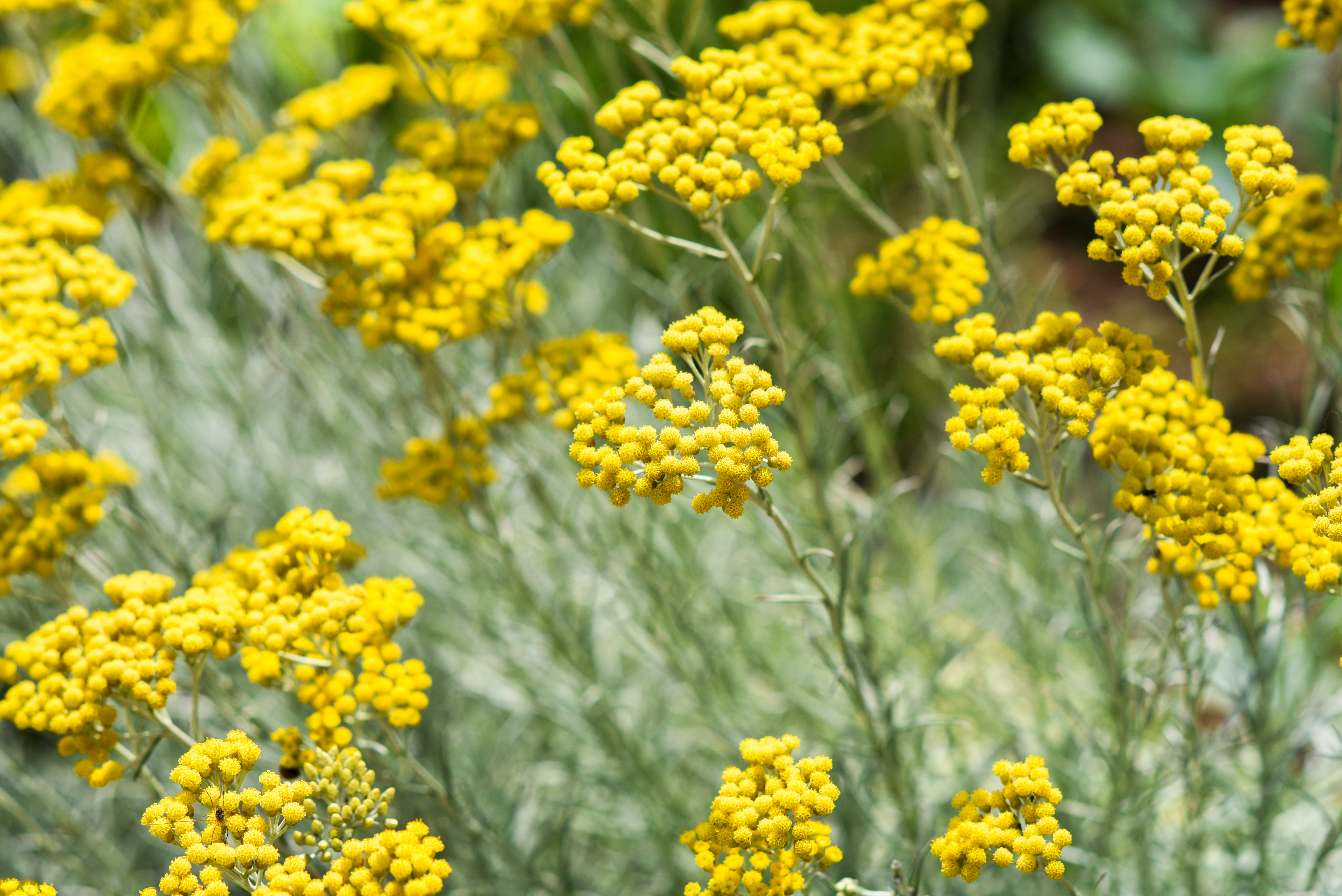
Helichrysum essential oil comes from Helichrysum italicum, a small, yellow-flowering herb native to the Mediterranean. You’ll find these silvery-leafed plants growing wild on dry, rocky slopes under plenty of sun. The genus name means “golden sun,” a nod to the plants’ sunny blooms that keep their color even after drying hence the nickname “everlasting.”
There are a few varieties, but Helichrysum italicum is the one most often used in anti-aging essential oils, helichrysum inflammation relief products, and wound healing oil blends. Its popularity extends from ancient folk medicine to modern wellness circles.
Extraction Process
To capture the power of the plant, fresh blossoms get steam distilled. This gentle method draws out the valuable, aromatic compounds without overheating or damaging them. It takes a large quantity of flowers, sometimes hundreds of pounds to produce a single pound of oil. This is part of why helichrysum oil for scars and essential oil for skin repair is so precious.
Steam distillation also preserves the oil’s unique chemical profile. The resulting liquid is usually pale yellow to golden and feels silky to the touch. Quality can vary based on factors like harvest timing, soil, and weather, adding to its rarity.
Aromatic Profile and Varieties
Helichrysum oil has a scent unlike any other. It’s earthy, straw-like, with a hint of honey and warm herbal notes. Some find subtle tea or spice in the aroma, making it easy to blend with both floral and woody essential oils.
Not all helichrysum is the same. Aside from italicum, there are other species, but not every variety offers the same benefits for skin care or healing. Look for the species and country of origin on the label when shopping.
For more detailed info on the unique properties, types, and health advantages, visit the page on Helichrysum Benefits.
Helichrysum essential oil’s origins, careful extraction, and irresistible scent all add to its reputation in natural skincare and wellness, especially when considering anti-aging essential oils and wound healing oil uses. The way the oil is harvested and its variety also influence its effectiveness as helichrysum oil for scars and skin repair.
Skin Repair and Scar Treatment Properties
Helichrysum oil is a favorite among those looking to improve the appearance of scars and speed up skin repair. Its special blend of healing compounds brings together traditional folk remedies and modern science, helping your skin bounce back from everyday injuries. Let’s look at how this golden oil works for scars and the best ways to use it.
How Helichrysum Oil Supports Scar Fading
Helichrysum essential oil stands out because it’s loaded with active compounds known to support wound healing and scar reduction. The most notable are:
- Italidiones: These unique molecules support tissue regeneration and give helichrysum its strong reputation as an essential oil for skin repair. They can help soften and remodel scar tissue.
- Neryl acetate: This compound keeps skin hydrated and calm, reducing irritation around healing scars.
- Antioxidants: Helichrysum is rich in antioxidants that protect the skin from free radicals, which can worsen scarring and slow healing.
People notice results because these molecules encourage new, healthy skin cells to grow faster, supporting smoother and more even-toned skin over time. In both folk medicine and modern aromatherapy, helichrysum oil for scars is a go-to. Many users say regular application makes old scars look less intense and helps new cuts or blemishes heal with less obvious marks.
A number of case reports and natural skincare experts also highlight its “miracle oil” reputation for breaking down thick scar tissue and calming post-inflammatory spots. While research remains ongoing, its gentle yet powerful blend has led many to choose it over harsh chemicals or basic moisturizers.
If you’re interested in comparing with other botanical options, look into other scar healing oil benefits used in natural routines.
Best Practices for Using Helichrysum Oil on Skin
For the best results and safest experience, use helichrysum essential oil thoughtfully. Here are clear tips:
- Dilution: Always dilute helichrysum in a carrier oil before putting it on your skin. This reduces the risk of irritation.
- Recommended dilution: Start with 2-3 drops of helichrysum per teaspoon of a carrier oil.
- Popular carrier oils:
- Jojoba oil for its non-greasy finish.
- Rosehip oil for extra scar-fading power.
- Sweet almond oil for sensitive skin.
- Application: Gently massage a small amount into clean skin, focusing on scars or problem areas. For best results, use morning and night after cleansing.
Safety tips:
- Do a patch test on a small area before first use.
- Avoid direct contact with eyes and open wounds.
- If you are pregnant, nursing, or have health concerns, check with a healthcare provider.
How it compares to other oils: Helichrysum pairs well with oils like chamomile or rose, which support soothing and cell renewal. Some choose it over oils with strong, spicy notes because it’s lighter and less likely to irritate. For deep hydration and extra nourishment, combining helichrysum with other essential oils for dry skin can further boost moisture and help create a healthy skin barrier.
By choosing the right methods, carrier oils, and blending partners, you’ll give your skin the best chance to recover beautifully.
Helichrysum Oil for Anti-Aging and Inflammation Relief
Helichrysum essential oil gains recognition in natural skin care not just for scar support but also for promoting smoother, calmer, younger-looking skin. Because of its rare compounds, this oil turns up in many anti-aging essential oils routines and is a must-have for those targeting helichrysum inflammation relief. Let’s look at how it plays a role in both fighting visible signs of aging and calming sensitive, reactive skin.
Reduction of Fine Lines and Wrinkles
The secret behind helichrysum oil’s impact on aging skin is its antioxidant power. Antioxidants help neutralize free radicals—unstable molecules that break down collagen and speed up the appearance of lines and wrinkles. By protecting skin from daily oxidative stress, helichrysum oil acts as a defender, slowing visible aging.
Key benefits for mature skin include:
- Boosts collagen renewal: Some studies highlight plant compounds like italidiones, which can support skin’s elasticity and smooth out rough texture.
- Shields from environmental damage: Regular use can strengthen your skin barrier, making it less likely to show dark spots or lose firmness.
- Encourages regeneration: By supporting fresh skin cell turnover, helichrysum oil helps your skin appear more even and less dull.
Curious about the science and traditional use behind these benefits? Learn how these unique compounds offer support by exploring the Healing powers of Helichrysum essential oil.
Unlike harsh anti-aging creams that sometimes irritate, helichrysum oil’s gentle character lets people use it daily without worrying about sensitivity flare-ups. This makes it a favorite pick for anti-aging essential oils, especially for those with combination or mature skin.
Relief for Redness and Sensitive Skin
Helichrysum oil stands out for those looking for helichrysum inflammation relief. Its natural anti-inflammatory compounds, including neryl acetate and alpha-pinene, help settle visible redness and cool down irritation fast. If your skin often feels hot, itchy, or reacts easily—especially during weather changes or stress—adding this oil to your routine can be a game-changer.
Here’s how it helps:
- Reduces swelling and discomfort: It soothes irritation from minor rashes or sun exposure without clogging pores.
- Strengthens skin barrier: Regular use can make skin less likely to react to everyday triggers.
- Softens sensitive, damaged skin: It’s gentle enough for those with eczema or rosacea-prone skin, though always patch test first.
People with sensitive skin often find their faces feel calmer and less inflamed just days after starting a routine with this oil. Its calm, straw-like aroma also adds a naturally soothing touch.
When you want clear, smooth, and resilient skin, helichrysum oil covers multiple needs—from anti-aging essential oils for wrinkles to plant-based relief for redness. This dual action cements its place in any natural skin care collection.
Wound Healing with Helichrysum Oil
When your skin needs extra help healing, helichrysum essential oil stands out as a gentle, plant-based choice. Known for its soothing scent and golden hue, this oil is often used by those looking for a wound healing oil that also tackles scars, redness and irritation. Thanks to its rich blend of anti-inflammatory compounds and tissue-repair enhancers, helichrysum oil is trusted to keep skin calm and protected while speeding recovery.
Scientific and Traditional Evidence of Wound Healing
Helichrysum has a deep history of use in folk medicine for cuts, scrapes and bruising. Mediterranean cultures traditionally applied crushed flowers or simple oil infusions to minor wounds and burns. Healers prized the plant for its ability to soothe pain, clean shallow wounds and reduce visible redness.
Modern science continues to study these effects. In lab tests, helichrysum essential oil demonstrates several actions:
- Antiseptic: Compounds like alpha-pinene and italidiones help keep wounds clean. They slow the growth of bacteria on broken skin, acting like a natural shield.
- Anti-inflammatory: These same compounds reduce swelling and redness, calming the body’s response and lessening discomfort.
- Tissue repair: Research suggests the oil prompts faster collagen production, your skin’s main repair fiber. This method helps wounds close gently and scars fade with time.
A number of clinical observations, though still growing, have found helichrysum oil can help speed tissue repair in minor injuries. Case reports highlight its use after everyday cuts or abrasions, especially when blended with oils that nourish and hydrate. Some studies even compare the benefits with other plant oils known for wound care, such as Niaouli. If you want to expand your knowledge of plant-based healing, the deeper dive on Niaouli Essential Oil Benefits explores another gentle, effective option for natural wound healing.
Safe Application and Precautions for Wound Healing
Using helichrysum oil correctly is important for both safety and results. While it’s milder than many essential oils, direct application on open wounds is never recommended, always keep the basics of safe skin care in mind.
For topical use, follow these safety tips:
- Always dilute: Mix helichrysum oil with a moisturizing carrier oil (such as jojoba or sweet almond). A common guideline is 2 drops of helichrysum oil per teaspoon of carrier oil.
- Patch test: Before wider use, apply the blend to a small area of skin to check for sensitivity.
- Application steps:
- Clean the affected skin with mild soap and water. Gently pat dry.
- Apply the diluted oil blend around, not inside, minor cuts, scrapes or recently healed wounds.
- Reapply 1-2 times daily, watching for signs of irritation.
Important precautions to consider:
- Do not use on deep, gaping, or actively bleeding wounds. This oil is best for surface scrapes or skin that has already started to close.
- Pregnancy and medical conditions: If you are pregnant, breastfeeding or have a health concern, check with your doctor before using any essential oil.
- Allergy awareness: Although rare, allergic reactions can occur. Discontinue use at the first sign of redness or rash.
Helichrysum oil for scars and wound healing is most effective as a partner in gentle skin routines, not as a replacement for medical care. Its blend of antiseptic, anti-inflammatory and tissue-supporting actions gives your skin extra support during recovery, making it a solid pick for plant-based self-care.
Conclusion
Helichrysum essential oil shines as a trusted choice for those who want lasting results with scars, skin repair, anti-aging care, inflammation relief, and wound healing. Its unique balance of healing compounds and gentle character makes it easy to add to daily routines without worry. By using helichrysum oil thoughtfully, you can support smooth, even-toned skin and a calmer complexion.
To get the most from its benefits, remember to dilute it with a carrier oil and patch test first. Explore helichrysum oil for scars or as an essential oil for skin repair to see firsthand why so many natural wellness fans keep it close by. Thanks for reading, and feel free to share your own experiences or questions as you explore the many uses of this golden oil.
Stay Connected for More Natural Living Inspiration
If you enjoyed this post about herbal wellness and love discovering natural ways to refresh your home and wellness, don’t miss out on future recipes and clean-living tips! Subscribe to the blog for weekly DIYs, wellness inspiration, and herbal remedies delivered straight to your inbox.
Don’t forget to visit my LinkTree for the links to my favorite essential oils, herbal teas, natural recipes, YouTube ambiance videos for sleeping; a project I created to help with insomnia symptoms and the second channel, Rooted in Nature YouTube Channel both channels feature herbal recipes for wellness and home.
Thanks for coming by!

Leave a Reply