

(DISCLAIMER: I am not a doctor, and you should consult your healthcare professional before starting any health regimen. Product links are commissioned and supports the blog)

Key Takeaways
- Top uses: cosmetic skin support, post-workout massage, wind-down aromatherapy, and careful “oops moment” care for minor skin discomfort.
- Safest ways to use it: dilute for skin, diffuse in time limits, and avoid eyes and broken skin.
- Dilution basics: 0.5% for face, 1% for sensitive skin, 2% for general body use.
- Who should be extra careful: pregnant or nursing folks, young kids, people with asthma or scent sensitivities, and homes with pets (especially cats).
- How to choose a good oil: look for the Latin name, country of origin, and signs of batch testing.
Helichrysum essential oil shows up in a lot of skin care routines and sore-muscle rubs for one simple reason: it feels like the “gentle but helpful” oil people keep coming back to. The scent is herbal and honey-like, and it’s often called Immortelle, a nickname that hints at why it’s so loved in beauty blends.
This post is for everyday, at-home use. It’s not medical advice, and it’s not meant to diagnose or treat anything. If you’re dealing with a health issue, check in with a qualified healthcare professional.
Get to know helichrysum (immortelle): the basics that make the uses make sense
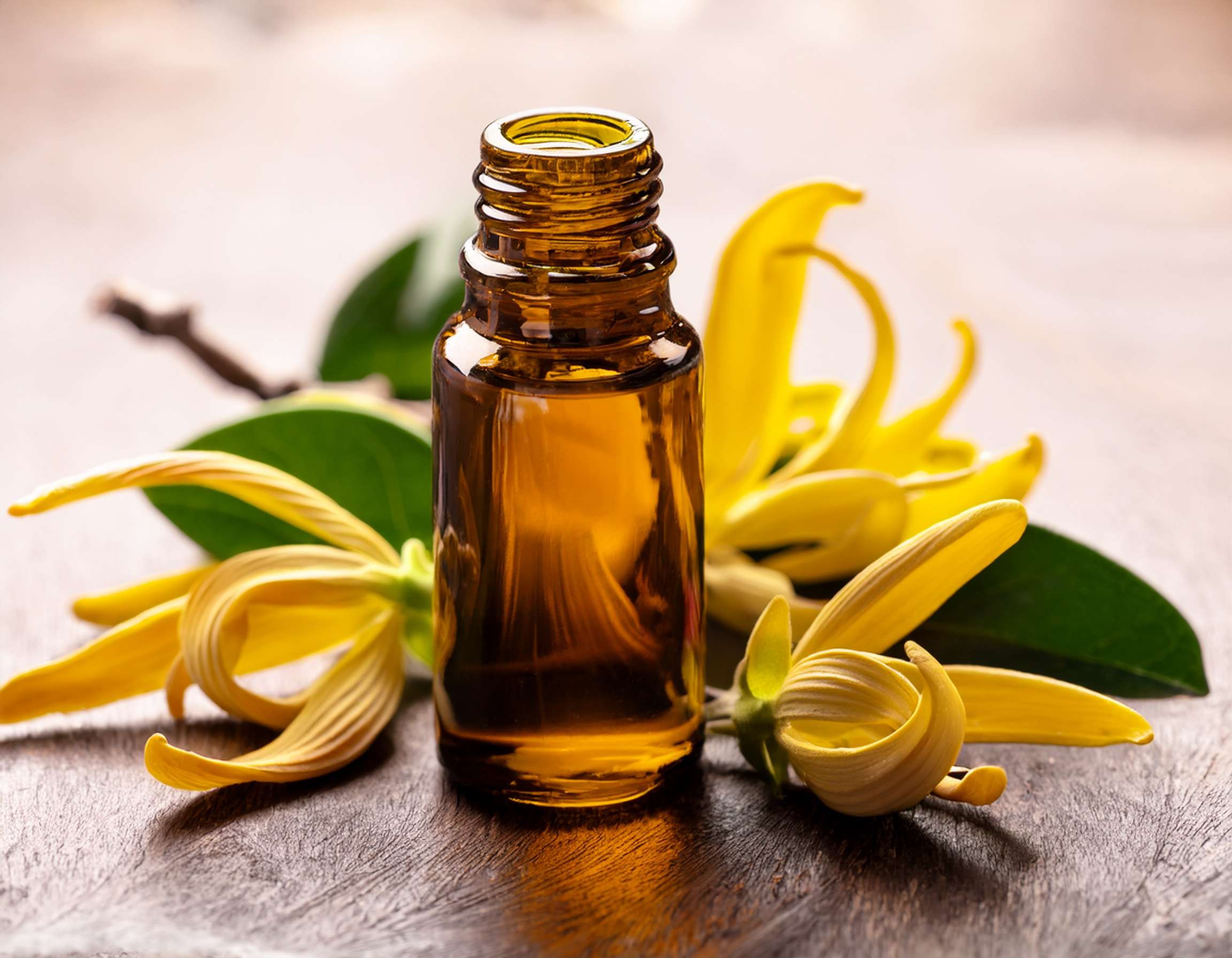
Helichrysum essential oil comes from the tiny yellow flowers of helichrysum plants. The oil is usually made by steam distillation, where steam pulls aromatic compounds out of the flowers and then the oil is separated from the water. The result is a concentrated essential oil that smells warm, herbal, and slightly sweet.
People prize helichrysum because it fits into routines where you want things to feel calmer and more comfortable, especially for skin. In plain terms, research interest around helichrysum often centers on things like skin-soothing potential, antioxidant activity, and a calming aroma. That doesn’t mean it’s a cure-all, and it doesn’t mean every bottle will feel the same on your skin.
One big reason results vary is that “helichrysum” isn’t just one plant. There are multiple species and chemotypes sold under the common name. Helichrysum italicum is the one most people mean when they talk about immortelle in skin care, but other helichrysum oils exist and can smell sharper, greener, or more medicinal. Your nose isn’t just being picky, the chemistry can shift with species, growing region, and harvest conditions.
Think of it like honey. Honey is honey, but orange blossom honey and buckwheat honey don’t taste the same. Helichrysum is similar. That’s why buying and using it with realistic expectations matters.
Helichrysum vs. carrier oils and infused oils: don’t mix these up
These three get confused all the time, and the difference matters for safety.
- Essential oil: a highly concentrated aromatic extract (like helichrysum). It needs dilution for most skin use.
- Carrier oil: a neutral, fatty oil that “carries” the essential oil on skin (jojoba, sweet almond, grapeseed).
- Infused oil: a carrier oil that has had a plant soaked in it over time (like calendula-infused olive oil). It’s gentler and less concentrated than an essential oil.
A simple real-life example: you might mix a few drops of helichrysum essential oil into jojoba (carrier) to make a face oil, then apply it over a plain moisturizer.
What people mean when they say “high-quality” helichrysum oil
Helichrysum can be pricey, which makes it a target for dilution or mislabeling. A few practical label checks go a long way:
- Latin name on the bottle (for example, Helichrysum italicum)
- Country of origin listed (where it was grown or distilled)
- Extraction method (steam distilled is common)
- Batch testing or GC/MS reporting (even a QR code or “available on request” helps)
- Dark glass bottle with a tight cap (light and air degrade oils faster)
- Realistic price (super-cheap helichrysum is a red flag)
If you’re building confidence with essential oils in general, it also helps to compare how different oils are used for skin and stress. This post on neroli oil benefits for radiant skin is a good example of how another “skin-friendly” oil is typically approached.
Everyday helichrysum essential oil uses (and how to do them safely)
When people talk about helichrysum essential oil uses, they usually mean one of two methods: topical (on skin, always diluted) or aromatic (diffuser, personal inhaler). The key is keeping it simple, keeping it diluted, and paying attention to how your body reacts.
Below are realistic home routines that fit into normal life, not a 12-step spa plan.
Skin support: the gentle way to use helichrysum for the look of calm, even skin
Helichrysum is popular in facial blends because it can help skin feel soothed and can support the look of redness and uneven tone. Keep the language and the expectations cosmetic. This is about how skin looks and feels, not treating a skin condition.
Best method: Topical (diluted)
How to use it (2 to 4 steps)
- Start with a simple carrier oil like jojoba (many people like it because it feels close to skin’s natural oils).
- Add helichrysum for a 0.5% face dilution.
- Patch test first (inside forearm), then try it on a small area of the face.
- Apply at night or under sunscreen in the morning.
Easy face oil idea (about 0.5%)
- 1 ounce (30 mL) jojoba oil
- 3 drops helichrysum essential oil
A few extra guardrails make this routine smoother:
- Keep it away from eyes and lash line.
- Don’t apply on irritated, freshly exfoliated, or broken skin.
- If you’re using actives (retinoids, acids), use the face oil on “rest nights” so you can tell what’s doing what.
- Use daily sun care. Essential oils aren’t sunscreen, and sun protection helps the “even skin” goal more than almost anything else.
Post-workout and everyday aches: adding it to massage oil or a warm compress routine
This is one of the most practical uses. Not as a promise to fix pain, but as a supportive ritual that helps you slow down and treat your body like it’s worth caring for.
Best method: Topical (diluted)
How to use it (2 to 4 steps)
- Mix a small amount of massage oil at 2% dilution for adult general body use.
- Massage into shoulders, calves, or lower back after activity or at the end of the day.
- Use light pressure at first, then deeper pressure if it feels good.
- Wash hands after, especially before touching your face.
Simple massage blend (2% for adults)
- 1 tablespoon (15 mL) carrier oil
- 6 drops helichrysum essential oil
Massage for 3 to 5 minutes per area. You’re aiming for warmth and comfort, not aggressive pressure.
Warm compress option
- Mix 1 teaspoon carrier oil with 2 drops helichrysum (about 2%).
- Rub onto the area.
- Place a warm, damp cloth over it for 5 to 10 minutes.
Cautions that matter:
- Avoid broken skin.
- If you feel stinging or itching, stop and wash with mild soap and plenty of water.
- If soreness is severe, sudden, or linked to swelling that worries you, get it checked out.
Stress and sleep: using it in a diffuser or personal inhaler
Helichrysum has a cozy, grounding scent. Some people find it calming, especially when the day has been loud and your mind won’t shut off.
Best method: Aromatic (diffuser or inhaler)
How to use it (2 to 4 steps)
- Diffuse in a well-ventilated room.
- Run it for 30 to 60 minutes, then turn it off.
- Keep the diffuser away from pillows and faces, and don’t diffuse in a sealed room all night.
- If you prefer something portable, use a personal inhaler instead.
Simple bedtime blend idea
- Helichrysum + lavender for “soft and sleepy”
- Helichrysum + cedarwood for “warm and grounded”
If you want more diffuser ideas that stay practical, this DIY allergy & immunity diffuser mix can help you think in terms of small, purposeful blends (and it’s a good reminder that diffusing is still “real exposure,” so less is more).
Kid and pet notes (simple version)
- With kids, use fewer drops, diffuse for shorter times, and stop if anyone coughs or complains.
- With pets, especially cats, be cautious. Give them a way to leave the room, and avoid diffusing in small closed spaces.
Minor bumps and the “oops” moments: what’s reasonable and what’s not
Life happens. You bump into the counter, you trip on a toy, you get a mystery sore spot and think, “I want something comforting on this.”
Helichrysum is often used for minor skin discomfort, but keep it reasonable.
Best method: Topical (diluted), around the area only
How to use it (2 to 4 steps)
- Clean the area gently (soap and water is fine).
- Mix helichrysum into a carrier at 1% for sensitive skin (or 2% for general body if you know your skin handles it).
- Apply to intact skin only, not open cuts.
- Reapply at most 1 to 2 times a day for a short period, then reassess.
Skip self-care and call a professional if you notice:
- Deep cuts, punctures, or wounds that won’t stop bleeding
- Spreading redness, warmth, pus, or fever (possible infection)
- Severe swelling, numbness, or intense pain
- Trouble breathing or facial swelling (emergency)
If you’re building a home kit, this guide on essential oils for a natural first-aid kit is a useful companion read, especially for safety reminders and how to keep your supplies organized.
Simple blends, storage, and safety rules you’ll actually follow
Helichrysum is generally used in small amounts for a reason. It’s concentrated, it’s expensive, and more doesn’t work better. Most “bad essential oil experiences” come from overdoing it, skipping dilution, or using old oxidized oils that irritate skin.
Here’s the short safety list that actually fits real life:
- Patch test every new oil and every new blend.
- Dilute (even if your friend “uses it neat”).
- Avoid eyes, inner ears, and other sensitive areas.
- Don’t use essential oils on babies unless guided by a trained professional.
- If pregnant or nursing, get a quick OK from your healthcare provider before regular use.
- If you have asthma, migraines, or scent sensitivity, diffuse lightly or skip diffusion.
- If you take medications or have a chronic condition, ask a clinician or pharmacist if topical essential oils are a concern for you.
- Never ingest essential oils unless you’re under the care of a qualified professional trained in that exact use.
If it gets in your eyes: don’t flush with water first. Wipe gently with a carrier oil (like olive oil), then rinse with mild soap and water around the area. If irritation continues, contact Poison Control in the US (1-800-222-1222) or seek medical care.
Dilution made easy: quick math for face, body, and spot use
You don’t need perfect math. You need repeatable math.
A simple rule of thumb many people use is 1 drop per teaspoon equals about 1%.
- Face (0.5%): about 1 drop per 2 teaspoons of carrier, or about 3 drops per 1 ounce (30 mL).
- Sensitive skin (1%): 1 drop per 1 teaspoon (5 mL).
- General body (2%): 2 drops per 1 teaspoon, or 6 drops per 1 tablespoon (15 mL).
If you’re tempted to double it because you want faster results, don’t. Higher concentrations raise the risk of irritation and don’t guarantee better results.
Storage tips that protect the scent and the benefits
Essential oils change over time. Heat, light, and oxygen can cause oxidation, which can make an oil smell “off” and increase the chance of skin irritation.
- Store in a cool, dark place, away from sunny windows and bathrooms with lots of steam.
- Keep the cap tight. Oxygen is not your friend here.
- Use dark glass bottles, and avoid transferring oil into plastic.
- Write the open date on the label with a marker.
If your helichrysum smells sour, sharp in a weird way, or “flat” compared to when you bought it, retire it from skin use.
Conclusion
Helichrysum essential oil can be a steady favorite because it fits into real routines: a tiny amount in a face oil for the look of calm skin, a 2% massage blend after a long day, or a short diffuser session when you want your space to feel quieter. The safest approach stays the same each time, dilute it, patch test it, and diffuse with limits.
Pick one routine to try for a week (face oil, massage oil, or a bedtime diffuser habit) and keep notes on what you notice. Small changes are easier to stick with, and they’re easier to troubleshoot. If you’ve tried helichrysum essential oil before, share what worked for you, or drop your questions in the comments.
Stay Connected for More Natural Living Inspiration
IIf you enjoyed this post about herbal wellness and love discovering natural ways to refresh your home and wellness, don’t miss out on future recipes and clean-living tips! Subscribe to the blog for weekly DIYs, wellness inspiration, and herbal remedies delivered straight to your inbox.
Don’t forget to visit my LinkTree for the links to my favorite essential oils, herbal teas, natural recipes, YouTube ambiance videos for sleeping; a project I created to help with insomnia symptoms and the second channel, Rooted in Nature YouTube Channel both channels feature herbal recipes for wellness and home.
Thanks for coming by!

Leave a Reply