
(DISCLAIMER: I am not a doctor, and you should consult your healthcare professional before starting any health regimen.)

Key Takeaways
- Citrus oils (lemon, sweet orange) bring a bright “clean” scent and help with kitchen odors.
- Tea tree is sharp and crisp, a popular choice for bathroom-fresh blends (measure carefully).
- Eucalyptus and peppermint make air feel less stale, great for shower steam and stuffy rooms.
- Lavender and rosemary add a soft herbal finish that keeps blends from smelling too harsh.
- Thyme or oregano can be intense, use tiny amounts and heavy dilution, better for cleaners than skin.
- Safest use: dilute in a carrier, ventilate when diffusing, and patch test anything that touches skin.
- Best formats: all-purpose sprays, quick bathroom sprays, laundry boosters, and shower steam.
There’s a certain moment after you wipe the counters and open a window, the air feels lighter, the room smells bright, and your shoulders drop a little. Essential oils with cleansing properties can support that feeling, whether you’re freshening a stuffy bathroom, making laundry smell crisp, or adding a “just cleaned” note to your everyday routine.
In this post, “cleansing” means practical, day-to-day support: deodorizing, helping a space smell fresh, and adding a clean-feeling finish to home and body products. It does not mean curing illness or replacing proper hygiene.
Essential oils are concentrated plant extracts, so a little goes a long way. You’ll see the best oils for clean blends, plus simple, safe ways to use them (with clear dilution tips) for sprays, shower steam, and laundry boosters.
What “cleansing” really means with essential oils (and what it doesn’t)
When people say an essential oil feels “cleansing,” they usually mean three things: it deodorizes, it makes a room smell like it’s been cleaned, and it helps routines feel fresh and put-together. Think of essential oils as the finishing touch, like twisting a lemon peel over sparkling water. The base does the real work, the aroma makes it feel complete.
In the home, cleansing oils often show up in spray bottles, mop water, or a sink full of warm suds. They can help cut lingering odors from cooking, shoes by the door, or damp towels. On the body side, they’re used in very small amounts to make soap, scalp oil, or a shower routine feel cleaner and more awake. The key is proper dilution and choosing oils that fit the job.
Here’s the part that keeps everything grounded: essential oils aren’t a replacement for soap, detergent, disinfectants, or medical care. A lemony counter spray can smell wonderful, but it won’t automatically sanitize a surface unless the formula, concentration, and contact time are right. The results depend on the oil you choose, how much you use, and what you mix it into (castile soap, rubbing alcohol, vinegar, or baking soda all behave differently).
If you want a deeper look at which oils are commonly used for germ-focused cleaning, see this guide on top antibacterial essential oils for cleaning.
The three ways oils help most: fresh scent, grease-cutting support, and air refresh
First, they freshen scent fast. Citrus oils are famous for that “just cleaned” smell, especially in kitchens and entryways.
Second, certain oils pair well with grease-cutting basics. For example, a simple dish soap and warm water mix can handle grime, and a few drops of lemon can make the whole job smell brighter. It’s like adding a squeeze of lime to a sink full of hot water, the scent signals “clean” before you even finish.
Third, oils can refresh the air. Eucalyptus in a steamy shower can make a bathroom feel like a spa, while peppermint can make a closed room smell less stale (as long as you keep it light and ventilated).
Safety basics you should never skip
Essential oils are powerful. For skin use, a common range is 1 to 2 percent dilution. That’s about 1 to 2 drops per teaspoon (5 ml) of carrier oil, or 6 to 12 drops per ounce (30 ml). For face products, many people stay at 0.5 percent or less (about 3 drops per ounce), especially if skin is sensitive.
Patch test first. Apply a tiny amount of the diluted blend to the inner forearm and wait 24 hours. Keep oils away from eyes and mucous membranes, and wash hands after blending.
Ventilate when diffusing, and don’t run a diffuser all day. Also note: cold-pressed citrus oils can be photosensitive on skin. Extra care is smart around kids, pets, pregnancy, asthma, and migraine triggers. If you feel burning, itching, or coughing, stop, rinse with soap and cool water, and get fresh air.
The best essential oils with cleansing properties, what each one is good for
Some oils smell clean the way fresh linens smell clean. Others smell like a mountain shower or a lemon peel snapped in your fingers. Here are the oils people reach for most when they want that cleansing vibe, plus where each one tends to shine.
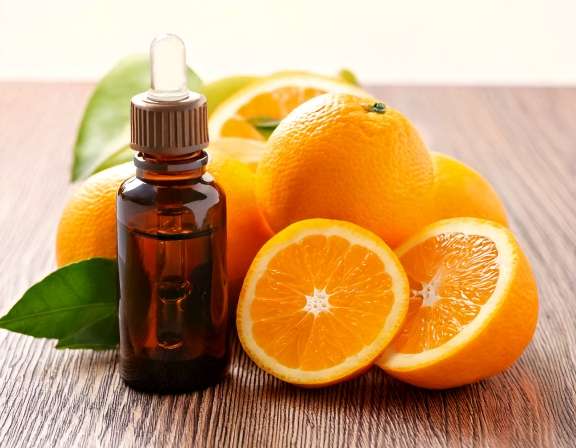
Lemon (Citrus limon) smells bright and sharp, like zest on a cutting board. It’s popular for kitchens, trash can deodorizing, and freshening sink areas. It pairs well with lavender, rosemary, and peppermint.
Sweet orange (Citrus sinensis) is warmer than lemon, like sunshine in a peel. It’s great when you want a clean blend that still feels cozy, especially for living areas and laundry. It pairs nicely with lavender and rosemary.
Tea tree (Melaleuca alternifolia) has a strong, crisp scent that reads “bathroom fresh” to a lot of noses. It’s commonly used in DIY sprays and in small amounts in soap blends. Pair it with lemon or eucalyptus to soften the edge.
Eucalyptus (often Eucalyptus globulus or radiata) smells cool, camphor-like, and airy. It’s a favorite for shower steam, musty spaces, and “open window” energy. It blends well with lemon and peppermint.
Peppermint (Mentha piperita) is sharp and minty, like a clean towel with a cold snap. It’s great for air refresh blends and for adding a crisp top note to cleaners. Pair it with sweet orange to keep it from smelling too intense.
Lavender (Lavandula angustifolia) is floral and herbal, the soft sweater of cleansing blends. It’s often used for linen spray, laundry scent, and gentle soap blends. It pairs with almost everything, especially citrus and rosemary.
Rosemary (Rosmarinus officinalis) is green and bracing, like crushed needles between your fingers. It works well in kitchen blends, mop water, and “clean herb” room sprays. It pairs well with lemon and lavender.
Thyme (Thymus vulgaris) or oregano (Origanum vulgare) smells bold, spicy, and very strong. These are for tiny-drop, big-batch cleaning blends, not casual skin use. Pair 1 drop with lemon or sweet orange in a larger formula so it doesn’t take over.
Lemon and sweet orange for bright, fresh cleaning blends
Citrus oils earned their “cleaning oil” reputation for a simple reason: they smell like freshness you can recognize. Lemon is brisk and sharp, while sweet orange is friendly and soft. Both can help knock down kitchen odors, like onion, fish, or a sink that needs attention.
They also play well with other scent families. Lemon plus rosemary smells like a sunny herb garden. Sweet orange plus lavender smells like warm linens.
If citrus oil is going on skin, watch the extraction method. Cold-pressed citrus oils can increase sun sensitivity, so keep them off sun-exposed skin for about 12 to 24 hours, or choose steam-distilled citrus when possible. For more on citrus-forward home blends, this post on DIY non-toxic cleaning products with essential oils is a helpful next step.
Tea tree for that crisp, bathroom-fresh feel
Tea tree has a clean, medicinal-leaning scent that makes a room feel freshly scrubbed. It’s especially popular in bathroom sprays, mop water (tile and sealed surfaces), and small add-ins for foaming hand soap.
This oil is potent, so measure drops, don’t free-pour. A little can smell fresh, too much can take over the whole house. Tea tree also needs extra care around pets, especially cats, since many essential oils can be hard for them to process.
If you like tea tree in the air, keep diffusion short and ventilate. This guide on tea tree diffuser benefits for air purification shares practical diffuser tips and cautions.
Eucalyptus and peppermint for air clearing and shower steam
Eucalyptus and peppermint are the “take a deep breath” oils. They don’t disinfect your whole life, but they can make a bathroom or bedroom smell less stale, especially in winter when windows stay closed.
For shower steam, eucalyptus is the classic choice. Peppermint adds a chilly, energizing kick, like stepping outside on a bright morning. Use both lightly, because strong minty oils can overwhelm a small room fast.
Use extra caution with young children, and skip these oils for infants. In tight spaces, run a diffuser for a short session, then turn it off and let fresh air circulate. If eucalyptus is a staple for you, this overview of eucalyptus aromatherapy for easier breathing explains common uses and safety notes.
Lavender and rosemary for a clean, herbal finish
Some cleaning blends smell too sharp, like they’re trying too hard. Lavender and rosemary help with that. Lavender smooths out the edges and adds a soft “fresh sheets” note. Rosemary brings an herbal snap that feels kitchen-ready and bright.
These oils shine in linen spray, laundry boosters, and all-purpose cleaners where you want the scent to linger gently. Rosemary is strong, and some people find it stimulating, so keep the dose modest and skip it if it triggers headaches.
Together, lavender plus lemon is a classic “clean but calm” pairing.
Thyme or oregano, only when you need something extra strong
Thyme and oregano oils can be intense on skin and intense in the nose. They’re best treated like hot sauce: useful in tiny amounts, unpleasant when overdone.
If you want them in a household cleaner, keep it simple. Add 1 drop to a larger batch (like an 8-ounce spray) and let citrus do most of the scent work. For body use, it’s usually smarter to avoid these and choose gentler options like lavender, tea tree (still diluted), or rosemary (also diluted).
Heavy dilution matters here, and if skin feels warm or irritated, rinse right away.
Simple ways to use cleansing essential oils at home and on your body (safely)
The easiest way to get real value from cleansing essential oils is to pick a few repeatable methods. Use glass when you can, label everything, and make small batches so the scent stays fresh.
For home use, sprays are simple and forgiving. For laundry, less oil is better, because too much can cling to fabric or leave spots. For body use, stick to low dilutions and keep blends away from eyes, lips, and broken skin.
Here are a few dependable ideas you can rotate through the week:
- All-purpose spray for sealed surfaces (not natural stone if using vinegar).
- Bathroom mist for odor control between deeper cleans.
- Shower steam for a spa-like bathroom reset.
- Laundry booster for towels, sheets, and gym gear.
- Gentle skin option like a lightly scented body oil (optional, and patch test first).
If laundry freshness is your main goal, this guide to essential oils for fresh smelling laundry has more scent pairings and fabric-friendly tips.
3 Quick DIY blends you can make in under 10 minutes
1) Citrus Herb All-Purpose Spray (8-ounce glass bottle)
Add 2 tablespoons vodka or unscented rubbing alcohol to an 8-ounce glass spray bottle. Add 12 drops lemon and 6 drops lavender. Fill the rest with water, leaving a little space at the top. Cap, shake before each use, and label. Use on sealed counters, cabinets, and sinks. Store away from heat and sun, and make a fresh bottle every few weeks for best scent.
2) Crisp Bathroom-Fresh Mist (4-ounce glass bottle)
Add 1 tablespoon witch hazel or vodka to a 4-ounce glass spray bottle. Add 8 drops tea tree and 6 drops lemon. Fill with water, cap, shake, and label. Mist into the air, not directly onto delicate surfaces. Keep the room ventilated, and use fewer drops if the scent feels too strong.
3) Shower Steam Reset (no bottle needed)
Turn on the shower to hot. Put 2 drops eucalyptus on a damp washcloth, then place it on the shower floor away from the direct stream. Breathe normally and enjoy the scent as steam rises. Don’t rub the cloth on skin. If you’re sensitive to strong aromas, use 1 drop or skip peppermint entirely.
How to choose quality oils so your blends work and smell clean
A cleansing blend can fall flat if the oil is stale, diluted, or scented with additives. The good news is you don’t need a hundred oils, you just need a few that are well made.
Look for a label that includes the botanical name (like Lavandula angustifolia), plus the country of origin. Extraction method matters too. “Steam-distilled” and “cold-pressed” should be clearly stated when relevant, especially for citrus. Oils should be packaged in dark glass to slow oxidation.
Realistic pricing is another clue. True essential oils take a lot of plant material to produce, so ultra-cheap bottles can be a red flag. Also watch wording: fragrance oil is not the same thing as essential oil. Fragrance oils are made for scent, not the same use or dilution logic.
If possible, buy from brands that provide batch testing or third-party reports. That extra transparency helps your blends smell clean and consistent, bottle after bottle.
Conclusion
A clean home isn’t only about sparkle. It’s also about the way the air feels when you walk in, and the calm that comes from simple routines. Essential oils with cleansing properties can support that experience when you use them with care, good dilution, and realistic expectations.
If you want a starter kit, begin with lemon, sweet orange, tea tree, lavender, eucalyptus, plus a basic carrier oil like jojoba or fractionated coconut oil. Go slow with drops, patch test anything that touches skin, and keep rooms ventilated when you diffuse.
Pick one recipe from this post to try this week, then notice the small shift it brings. Sometimes “clean” is just a scent that tells your brain it’s safe to exhale.
Stay Connected for More Natural Living Inspiration
If you enjoyed this post about essential oils and love discovering natural ways to refresh your home and wellness, don’t miss out on future recipes and clean-living tips! Subscribe to the blog for weekly DIYs, wellness inspiration, and herbal remedies delivered straight to your inbox.
Tap here for more essential oil products, essential oil blends, natural recipes, plus some ambience videos for your sleeping pleasure.
Thanks for coming by!

Leave a Reply