
(DISCLAIMER: I am not a doctor, and you should consult your healthcare professional before starting any health regimen. Product links are commissioned and supports the blog)

Key Takeaways
- A safe starting point for grapefruit essential oil is 2 to 4 drops in a water-based diffuser.
- Keep most sessions to 15 to 30 minutes in a well-ventilated room.
- Start lower if you’re scent-sensitive, sharing the room, or diffusing around pets.
- If the aroma seems to vanish, your nose may have adjusted. Don’t keep adding drops.
- Citrus oils feel cheerful and fresh, but they still need careful use and regular breaks.
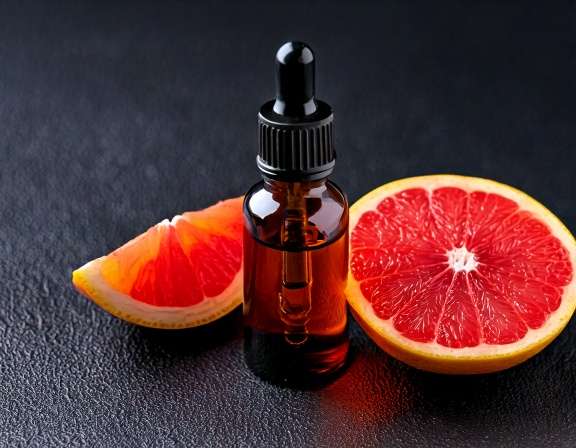
A bright citrus scent can make a room feel cleaner, lighter, and easier to breathe in. Still, with grapefruit essential oil, more is not always better.
If you diffuse too long or too strong, the fresh note can turn sharp, tiring, or irritating. A short, gentle session usually works better, and current safety guidance supports that approach.
How long to diffuse grapefruit essential oil
For most people, the sweet spot is short and simple. Current safety guidance points to 15 to 30 minutes per session for grapefruit essential oil, with good airflow in the room.
That time frame is enough for most home use. Grapefruit has a lively top note, so it makes an impression quickly. You usually notice it within a few minutes, especially in a bedroom, office, or small living room.
Longer sessions are not always more helpful. Your nose adapts to scent fast, so the aroma can seem weaker even when it’s still in the air. Many people mistake that nose fatigue for a weak blend and add more oil. That often leads to an overpowering room, not a better one.
If you want a second session later, take a break first. Open a window, step out of the room, and come back with a fresh sense of smell. This helps you judge the scent more clearly.
For daily use, it helps to think in intervals, not all-day diffusion. Run your diffuser for one short session, turn it off, and see how the room feels. If the scent still feels pleasant and no one has irritation, you can repeat later.
A gentle session usually gives you the mood lift you want without turning the air heavy.
This matters even more if the room includes children, older adults, pets, or anyone with asthma, allergies, or migraine triggers. Shorter exposure is the safer place to begin.
If you enjoy citrus oils for emotional support, you may also like these top mood-boosting essential oils, which pair well with grapefruit in moderate blends.
How strong should grapefruit essential oil be in a diffuser
When people ask how strong grapefruit essential oil should be, they usually mean one thing: how many drops should go into the diffuser. For most ultrasonic diffusers, 2 to 4 drops total is a practical range.
Start with 2 drops if you’re new to grapefruit oil. That gives a light, clean scent in a small or medium room. If you want a fuller aroma, move to 3 drops. In many homes, 4 drops is enough for a stronger session without making the room feel crowded.
A simple guide can help:
| Scent level | Drops of grapefruit oil | Best for | Session time |
|---|---|---|---|
| Light | 2 drops | Small rooms, first-time use, sensitive users | 15 to 20 minutes |
| Moderate | 3 drops | Medium rooms, daytime uplift | 20 to 25 minutes |
| Stronger, but still reasonable | 4 drops | Larger rooms with airflow | 20 to 30 minutes |
The takeaway is simple: start low and only increase a little.
Many people assume citrus oils need a heavy hand because they fade faster than woods or resins. That fading can be misleading. Grapefruit smells bright at first, then softens. That does not mean the room needs twice the oil.
Diffuser type also matters. A small travel diffuser may need less than you expect. A large ultrasonic unit in an open-plan room may disperse scent more lightly. Before you add extra drops, give the diffuser five to ten minutes to do its job.
If you blend grapefruit with other oils, keep the total drop count in mind. Four drops total is often enough for a balanced mix. For example, 2 drops grapefruit and 2 drops lavender will smell softer than 4 drops grapefruit alone, but it can still fill a room well.
During cold season, some people like pairing citrus with sharper oils. If that interests you, these essential oils for immune support offer ideas for seasonal use. Still, the same rule applies: keep the total strength modest.
What changes the right diffusion time and strength
The “right” amount isn’t fixed because rooms and bodies are different. A blend that feels soft in one home may feel too intense in another.
First, consider room size and airflow. A closed bedroom holds scent longer than a kitchen with open windows. If the space is tight or warm, grapefruit essential oil can feel stronger than the drop count suggests.
Next, think about the people in the room. Some readers love a bold citrus burst. Others get a headache from even gentle fragrance. If anyone nearby is sensitive to scents, start with 1 to 2 drops and a shorter session, then build slowly if needed.
Pets also change the equation. Light diffusion may be tolerated in some homes, but pets should always be able to leave the room. Watch for coughing, sneezing, pacing, or unusual behavior. Fresh air matters.
Then there is oil quality. Citrus oils tend to lose freshness faster than heavier oils. Old grapefruit essential oil can smell flat, harsh, or slightly off. If the aroma feels stale or oddly bitter, replace it instead of adding more.
One point often confuses people: grapefruit oil is known for phototoxicity in some skin uses, but diffusion is different from topical sun exposure. That skin concern does not mean you can’t diffuse it. It does mean you should read the label closely if you also plan to apply it to skin.
For a calm, fresh home routine, you may find ideas in these powerful diffuser mixes for wellness. Keep your own grapefruit sessions softer than the bottle’s bright scent might suggest.
Easy grapefruit diffuser recipes that stay gentle
Grapefruit blends well with floral, woodsy, and a few crisp herbal oils. The key is restraint. You want the room to feel fresh, not crowded.
Soft morning lift
Use 2 drops grapefruit, 1 drop sweet orange, and 1 drop peppermint.
Diffuse for 15 minutes in a workspace or kitchen. This blend feels sunny and awake. Because peppermint can feel stronger than citrus, keep the session short and skip it around very young children.
Calm citrus evening
Use 2 drops grapefruit and 2 drops lavender.
Diffuse for 20 minutes before bed, then turn the diffuser off. The grapefruit keeps the blend from feeling too powdery, while lavender rounds out the sharper edges. This is a good choice if you want a room to feel clean and settled, not sleepy in a heavy way.
Fresh room reset
Use 2 drops grapefruit, 1 drop cedarwood, and 1 drop lemon.
Diffuse for 15 to 20 minutes after cooking, cleaning, or coming home from a long day. Cedarwood anchors the blend so the citrus does not disappear too fast.
Light seasonal support blend
Use 2 drops grapefruit, 1 drop eucalyptus, and 1 drop lavender.
Diffuse for 15 minutes in a well-ventilated room. The scent feels fresh and open. Still, eucalyptus is stronger than grapefruit, so don’t stretch the session. If anyone in the room is sensitive to menthol-like oils, choose the evening blend instead.
With each recipe, resist the urge to double the drops. These blends are meant to stay easy on the air. If you want more scent later, run another short round after a break.
Common mistakes that make grapefruit oil feel too strong
The most common mistake is running the diffuser too long. A bright citrus note can feel lovely at first, then tiring after an hour. Short sessions keep the scent friendly.
Another common problem is chasing the aroma once your nose adjusts. If you stop noticing grapefruit essential oil after ten minutes, the answer is usually fresh air, not six more drops.
Poor ventilation also makes a difference. Diffusing in a closed room can trap scent and make it feel heavier than it should. Crack a window if the air starts to feel thick.
Old habits matter too. Some people use essential oils the way they use candles or plug-ins, with constant fragrance all day. Essential oils are more concentrated. They work better with pauses.
Finally, read the label. Some grapefruit oils are steam-distilled, while others are cold-pressed. The scent may vary, and some blends sold as grapefruit include added oils. If the bottle doesn’t clearly list the botanical name and extraction method, use extra caution.
A good rule is simple: if the room feels sharp, stuffy, or tiring, cut the drops in half next time.
Grapefruit essential oil works best when you treat it like a bright window opened for a little while, not a fan left running all day. In most homes, 2 to 4 drops for 15 to 30 minutes is enough.
That soft approach gives you the clean, cheerful scent people love, while lowering the chance of irritation or scent fatigue. Start low, watch how the room feels, and let freshness stay fresh.
Stay Connected for More Natural Living Inspiration
If you enjoyed this post about herbal wellness and love discovering natural ways to refresh your home and wellness, don’t miss out on future recipes and clean-living tips! Subscribe to the blog for weekly DIYs, wellness inspiration, and herbal remedies delivered straight to your inbox.
Don’t forget to visit my Amazon storefront for the links to my favorite essential oils, herbal teas, and natural recipes. I also create YouTube ambiance videos for sleeping; a channel I created to help people who have trouble sleeping. The link to all social media content is here.
Thanks for coming by!


Leave a Reply