
(DISCLAIMER: I am not a doctor, and you should consult your healthcare professional before starting any health regimen. Product links are commissioned and supports the blog)

Quick takeaways before you start
- Always dilute grapefruit essential oil before skin use. Straight from the bottle is too strong.
- Avoid sun or UV exposure for at least 12 hours after applying it to skin.
- Use short diffuser sessions, then give the room a break and open a window if needed.
- Do not swallow it. Grapefruit essential oil is best for scent, home use, and carefully diluted topical blends.
- If you have sensitive skin, are pregnant, take medicine, or have kids or pets at home, use extra caution.
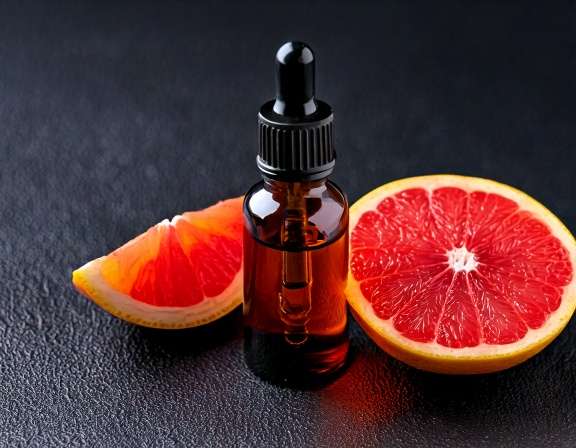
Grapefruit essential oil has a way of making a room feel brighter in seconds. Its scent is crisp, sweet-tart, and clean, so it fits easily into morning routines, kitchen refreshes, and simple DIY blends.
That appeal is part of why beginners reach for it so often. It smells cheerful without feeling heavy, and it works well in a diffuser, spray, or diluted body blend.
Still, it needs a little care, especially on skin. This guide covers what it smells like, how to use it at home, and how to stay safe while keeping things simple. If you are new to oils in general, a beginner’s guide to essential oils can help you build confidence before you mix your first blend.
A little goes a long way. With grapefruit oil, less often feels better.
What grapefruit essential oil smells like and why people love it
Grapefruit essential oil smells bright, juicy, and fresh, with a sweet edge and a slight tart bite. It feels lighter than orange and less sharp than lemon.
That balance is part of its charm. Orange oil can feel round and mellow, while lemon often smells brisk and sparkling. Grapefruit sits in the middle. It brings a lively citrus note, but it still feels soft enough for everyday use.
The scent can shift a little from brand to brand. Cold-pressed oils often smell more like the peel itself, while some distilled versions can seem smoother or less bitter. Either way, it usually brings a room to life without crowding it.
How the scent feels in a room
In a diffuser, grapefruit oil gives a space a cleaner, more awake feel. It can make a kitchen seem fresher after cooking or help an entryway feel less stale.
Used in a spray, it has a light, airy quality that works well on linens or in bathrooms. In a cleaning blend, the scent often does most of the mood lifting. The room smells cared for, without feeling perfumed.
When grapefruit oil works best
Morning is a natural fit. The scent feels sunny and alert, which makes it a nice match for getting ready, opening windows, or resetting a room.
It also works well after a workout, after cooking, or any time a space needs a quick lift. If you want something cheerful but not too sweet, grapefruit oil often lands in the right place.
How to use it at home without making it complicated
For beginners, the best use is usually the simplest one. Start with one method, keep the amount low, and notice how the scent behaves in your space.
If you want a wider look at blending basics, how to mix essential oils is a useful companion read. Once you understand the basics, grapefruit oil becomes easy to place in sprays, diffusers, and light cleaning blends.
Diffusing it for a clean, uplifting smell
A diffuser is the easiest place to start. Add 3 to 4 drops for a small room, or 5 to 6 drops for a larger one, then see how it feels after a few minutes.
Short sessions work better than running it all day. Try 30 to 45 minutes, then turn it off and let the room rest. That keeps the scent from turning flat or overpowering.
Fresh air helps too. Open a window now and then, especially if the room is small or someone in the house is sensitive to strong smells.
Making an easy room spray or linen mist
A simple spray can freshen pillowcases, curtains, or the air near a trash bin. In a small 2-ounce spray bottle, add 1 teaspoon witch hazel or vodka, then 10 to 15 drops grapefruit oil. Fill the rest with water and shake well before each use.
Because oil and water do not stay mixed for long, give the bottle a good shake every time. Test on fabric first, since some materials spot more easily than others.
This kind of spray is best for scent, not for claims about disinfecting. It can make a room feel fresher, and that is enough for many everyday uses.
Using it in DIY cleaning blends
Grapefruit oil fits nicely into natural cleaning routines. Its scent pairs well with vinegar-based sprays for counters that are safe for vinegar, or with castile soap blends for sinks and garbage areas.
The goal here is freshness, not a medical result. A few drops can help a cleaner smell brighter and less harsh, which makes the job feel lighter too. For more skin-focused guidance on oil use, essential oil skin safety tips is a good page to keep nearby.
Safety comes first, especially for skin use
Grapefruit essential oil is one of those oils that seems friendly until you get careless with it. It can irritate skin if used too strong, and it can make skin more sensitive to sunlight after use.
That is why dilution matters, patch testing matters, and timing matters. These are simple habits, but they protect you from a lot of avoidable trouble.
Skin should feel calm after a blend. If it stings, burns, or turns red, wash it off and stop using it.
Why dilution matters every time
Essential oils are concentrated plant extracts. They are much stronger than the dried peel or fruit, so they should never go straight on skin.
A carrier oil spreads the scent and softens the effect. Jojoba, coconut, and olive oil all work well. For beginners, a light blend is often enough, about 1 to 2 drops of grapefruit oil per teaspoon of carrier oil. If you are making a 1-ounce bottle, stay on the low side and build slowly.
A patch test helps too. Put a small amount on the inside of your arm and wait 24 hours. If the skin stays calm, the blend is more likely to suit you.
Sun exposure and skin sensitivity
Grapefruit oil can make skin more sensitive to sunlight. That means a topical blend can raise the chance of a reaction after sun or UV exposure.
The easiest rule is simple. Do not apply it to skin if you plan to be in direct sun, and avoid sun or tanning beds for at least 12 hours after use. If you do use it on skin, keep the area covered or wait until evening.
When to ask a professional before using it
Check with a doctor or qualified health professional if you are pregnant, nursing, taking medication, or dealing with a skin condition. That matters even more if you react easily to fragrances or have asthma.
Homes with babies, small children, or pets need extra care too. Keep oils out of reach, use smaller amounts, and watch how everyone in the home responds to the scent.
Easy beginner recipes to try at home
Simple recipes work best when you are learning. You do not need a shelf full of tools, and you do not need a long ingredient list.
A bright citrus diffuser blend
For a cheerful scent, try 4 drops grapefruit oil, 2 drops sweet orange, and 1 drop lavender. It smells fresh and soft, with a little floral edge.
Use it for a short morning session, or after you tidy a room. If the scent feels too light, add one more drop of grapefruit next time.
A quick kitchen spray for everyday freshness
Mix 1 teaspoon witch hazel or vodka with 12 drops grapefruit oil in a spray bottle, then fill the rest with water. Shake before each use and spray into the air or onto a cloth for wiping safe surfaces.
This blend works well near sinks, trash areas, and counters that need a fresh scent. It is for cleaning support and odor control, not for disinfecting claims.
A gentle body oil for pulse points
For a simple scented body blend, add 1 drop grapefruit oil to 1 teaspoon jojoba oil. Rub a small amount on wrists or behind the ears, then stop there.
Keep it light and use it only when you do not plan to be in the sun for the rest of the day. Patch test first, and do not use it on broken or irritated skin.
Conclusion
Grapefruit essential oil is easy to love because it smells bright, clean, and cheerful. It also stays simple to use, as long as you keep the doses small and the safety steps clear.
That means one main habit above all others, dilute it, then respect the sun warning if you put it on skin. Start with short diffuser sessions, keep room sprays basic, and use recipes that feel manageable, not fussy.
Beginners do not need fancy gear to use this oil well. A diffuser, a spray bottle, and a little care are enough to get started.
Stay Connected for More Natural Living Inspiration
If you enjoyed this post about herbal wellness and love discovering natural ways to refresh your home and wellness, don’t miss out on future recipes and clean-living tips! Subscribe to the blog for weekly DIYs, wellness inspiration, and herbal remedies delivered straight to your inbox.
Don’t forget to visit my Amazon storefront for the links to my favorite essential oils, herbal teas, and natural recipes. I also create YouTube ambiance videos for sleeping; a channel I created to help people who have trouble sleeping. The link to all social media content is here.
Thanks for coming by!



Leave a Reply