
(DISCLAIMER: I am not a doctor, and you should consult your healthcare professional before starting any health regimen. Some links are commissioned and supports the blog)

Key Takeaways
- Ginger essential oil is potent, so it needs dilution in a carrier oil before it touches skin.
- Many people use it to support a clearer-looking complexion, especially when skin feels congested or dull.
- Its naturally warming feel can help skin look more awake, and it also feels comforting in massage blends.
- Ginger oil contains plant compounds that offer antioxidant support, which can help skin look smoother and more even over time.
- It may help calm the look of mild redness when used at low dilution, although reactive skin can disagree with warming oils.
- Safety first: patch test, avoid eyes and lips, and never apply on broken, freshly shaved, or over-exfoliated skin.
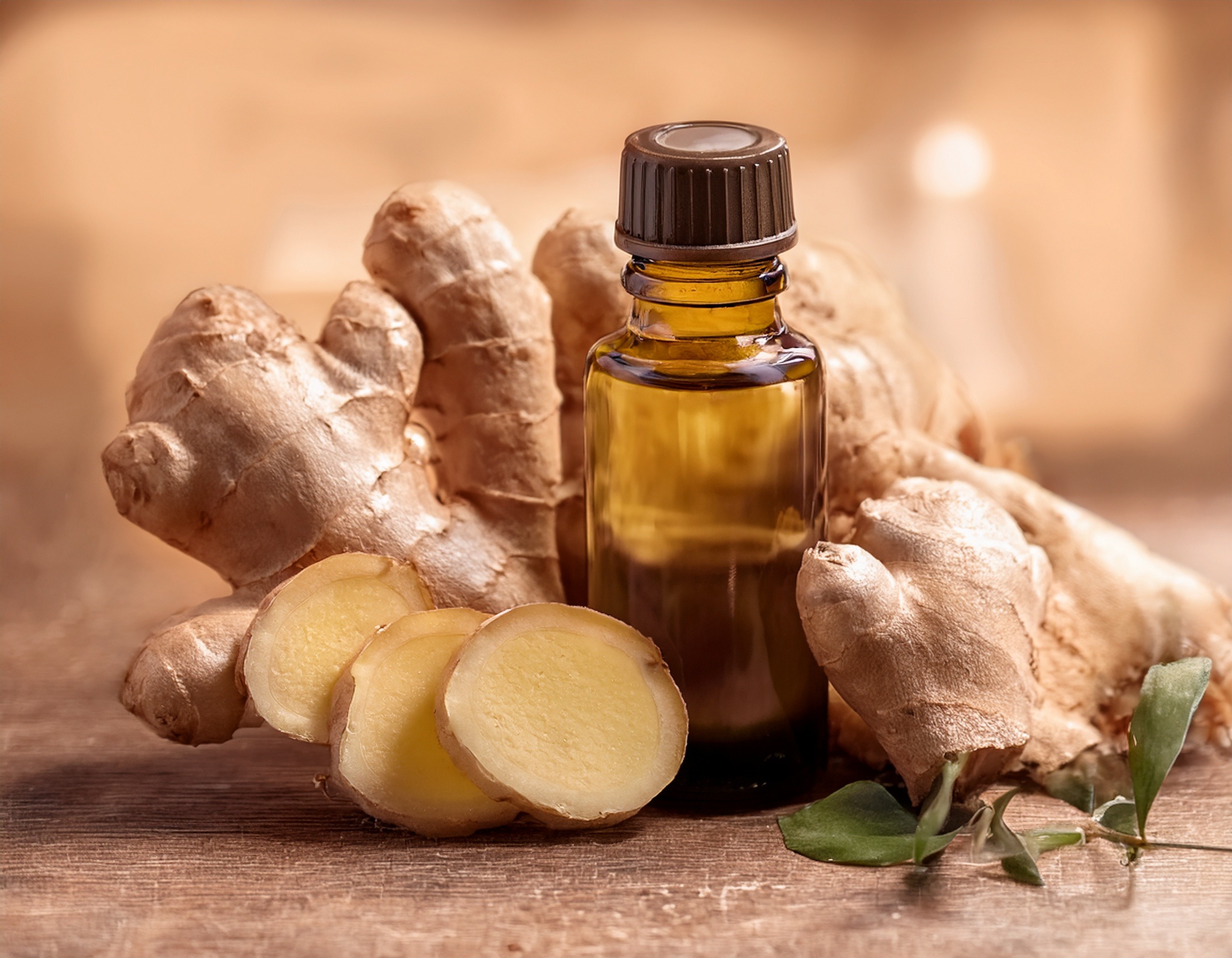
Ginger essential oil smells like a warm kitchen in winter, spicy, bright, and a little sweet. One whiff can feel like pulling on a soft sweater. That cozy scent is part of the reason people keep it close.
Still, the real curiosity is skin-deep. Can ginger essential oil help your face look clearer? Can it bring back a glow when your skin looks tired? And how do you use it without overdoing it?
This guide breaks down the simple science, the most practical ginger essential oil benefits for skin, and the safety steps that matter most.
Why ginger essential oil works on skin: the simple science behind the warmth
Essential oils are concentrated aromatic compounds pulled from plants. Think of them like the plant’s strongest scent notes, gathered into a tiny bottle. Because they are concentrated, they act fast on the senses, and they can also irritate skin if used carelessly.
Ginger (Zingiber officinale) has a long history in wellness routines, and its essential oil is best known for its warming feel. That warmth is not just in your imagination. Ginger contains natural compounds that can create a gentle, heated sensation on skin, especially when massaged in. Used correctly, that warming feel often pairs well with goals like smoother-looking body skin or a more awake-looking complexion.
Fresh ginger is rich in gingerols, and when ginger is dried or heated, more shogaols appear. These are part of what gives ginger its familiar bite. In skincare language, gingerols and shogaols are often discussed because they relate to antioxidant activity and the way skin responds to stress from the environment (like pollution or dry air). Antioxidant support matters because daily stress can make skin look dull and uneven.
Ginger essential oil also contains aromatic components such as zingiberene and other sesquiterpenes. You do not need to memorize the names. The simple point is this: ginger oil is made of small, scent-heavy molecules that can interact with skin’s surface and with your sensory system. When you blend ginger into a carrier oil, you dilute those molecules to a skin-friendly level. At that point, ginger oil can support the look of skin in a few common ways:
- It can help skin look more refreshed, partly because warmth and massage encourage a healthy-looking glow.
- It may support a calmer look when skin feels mildly irritated, although this depends on your sensitivity.
- It can add antioxidant support, which helps skin look more even over time when paired with a steady routine.
The aroma counts, too. Ginger’s spicy scent often feels grounding, which can make skincare feel less like a chore. If you want broader wellness-focused ways people use ginger oil (beyond skin), this guide on ginger essential oil health benefits adds extra context.
Essential oil vs. fresh ginger: what changes when it’s distilled
Distillation changes the mix of compounds you get. Fresh ginger has water-based elements and heavier plant material. Essential oil collects the volatile aromatic parts, which means it is far more concentrated than rubbing fresh ginger on skin.
That concentration is why ginger essential oil can feel strong, even in a small amount. It is also why irritation risk goes up when people skip dilution. In other words, ginger oil is not “liquid ginger root.” Treat it like a powerful skin ingredient, not a pantry substitute.
Which skin types tend to like ginger oil, and who should skip it
Many people with normal, combination, or oily skin enjoy ginger oil blends, especially if they want a clearer-looking glow. Dull skin can also respond well, since massage plus a warming oil often makes skin look more alive.
On the other hand, ginger is not a universal match. Use extra caution if you have:
- Very sensitive skin
- Reactive, rosacea-prone skin (warming oils can backfire)
- Eczema flare-ups
- Skin that is freshly shaved, sunburned, or over-exfoliated
If you are pregnant, nursing, or buying oils for kids, keep it simple and cautious. Ask a clinician for guidance, and consider skipping warming oils unless you have a clear, professional green light.
Real-world ginger essential oil benefits for skin (and the best ways to use it)
Ginger oil works best as a supporting ingredient, not the whole story. The biggest difference usually comes from the routine around it: gentle cleansing, a barrier-friendly moisturizer, and consistent use of diluted blends.
Also, results depend on the formula. A well-made, properly diluted face oil can feel elegant and helpful. A too-strong DIY mix can cause redness fast. Start low, then adjust slowly.
Here are the ginger essential oil benefits for skin that people reach for most often, plus practical ways to use each one.
- Glow support for dull skin: Ginger oil can help skin look more awake, especially when paired with massage and a nourishing carrier oil.
Best use: a pre-diluted face oil, or a single drop blended into a palmful of carrier oil for neck and chest. - Clearer-looking complexion support: Some people find ginger oil helps the look of congestion when they keep the rest of the routine gentle.
Best use: short-contact blends (rinse-off masks), or a targeted body blend for areas that get clogged. - Antioxidant support for everyday skin stress: Antioxidants help skin look more even over time, especially when dryness and environmental stress make it look tired.
Best use: a nighttime facial oil at very low dilution, a few nights per week. - Calming the look of mild redness (for some skin types): At low dilution, ginger can feel soothing in blends, although it can also be too warming for reactive skin.
Best use: a low-dose blend paired with gentler oils, always patch tested. - Smoother-feeling body skin: Ginger oil in a body oil can make rough areas feel softer, mostly because oiling plus massage supports suppleness.
Best use: post-shower body oil for arms, legs, and hands. - A warming feel for massage: This is one of ginger’s most loved uses. The warmth feels cozy and loosens that “tight” sensation in dry skin.
Best use: a body massage blend, especially in colder months.
For dull, tired-looking skin: a glow boost that feels warm and comforting
When skin looks flat, it often needs two things: moisture and circulation-friendly massage. Ginger oil can fit here because it adds warmth and a “woken up” feeling.
Keep the dose tiny. Try blending 1 drop of ginger essential oil into a palmful of carrier oil, then sweep it over your neck and decolletage. Use light pressure and slow strokes. That small ritual can make you look and feel more refreshed.
If you want to use ginger near the face, stick to pre-diluted products or very low DIY dilution. Also, avoid the eye area completely. Ginger vapor alone can make eyes water.
For blemish-prone skin: supporting a clearer-looking complexion without harsh stripping
Blemish-prone skin often gets treated like it needs punishment. Harsh scrubs, strong alcohol toners, and too many actives can leave skin tight and angry. Ginger oil works better as a gentle supporting player.
Pair it with non-comedogenic carriers such as jojoba or squalane, and keep contact time short at first. A simple method is a rinse-off approach, for example, adding a properly diluted drop to a clay mask that you leave on for only a few minutes.
A targeted “short-contact” blend can also lower irritation risk. Apply it to spot-prone areas for 10 to 15 minutes, then wash off. If your skin stays calm, you can slowly build from there.
For the look of redness and uneven tone: a soothing option when skin feels stressed
Some people love ginger in calming blends, especially when the dose is low and the formula is soft. Think of ginger as a small pinch of spice in a big pot of soup. Too much ruins it, but a little can add warmth.
Blending ginger with gentler oils, like lavender or frankincense, can feel balanced for some skin types. Still, patch testing matters here more than anywhere. If your skin tends to flush, warming oils can trigger more redness instead of less.
If your skin is already hot, irritated, or stinging, skip ginger and focus on barrier repair first.
For body skin: smoothing the look of rough patches and supporting a firmer feel with massage
Body skin is often less reactive than facial skin, so ginger oil makes more sense from shoulders to toes. Dry shins, rough elbows, and wintery hands can all feel softer when you apply a rich body oil after showering.
Massage is the secret helper. Even a two-minute rub-in can make skin feel more supple. Ginger adds a warming sensation that many people find comforting, especially at night or after a long day.
Choose a plush carrier oil like sweet almond or fractionated coconut. If your skin is sensitive, avoid applying right after shaving. Wait a day, then try again at a lower dilution.
How to use ginger essential oil on skin safely: dilution, patch tests, and smart pairings
Ginger essential oil is not a “more is better” ingredient. A lower dose often feels nicer, and it is easier to use consistently.
Start with a carrier oil you already like. If you are not sure which to pick, this guide to best carrier oils for skin can help you match texture and skin type.
Quality matters, too. Look for the botanical name Zingiber officinale on the label. If the brand offers a GC/MS report, that is a good sign. Finally, trust your senses. Ginger oil should smell warm and spicy, not stale, sour, or oily in a rancid way.
Store your bottle tightly closed, away from sunlight, in a cool spot. Oxygen and heat can change an oil over time, and older oils can irritate skin more easily.
Easy dilution guide for face and body (so you don’t overdo it)
Use these ranges as a simple starting point:
- Face (very cautious): 0.25% to 0.5% dilution, about 1 drop per 2 to 4 teaspoons of carrier oil.
- Body (daily use): about 1% dilution, roughly 6 drops per 1 ounce (30 ml) of carrier oil.
- Targeted body areas (short-term): up to 2% dilution, about 12 drops per 1 ounce, only if you tolerate it well.
Start low because you can always add later. Never apply ginger essential oil neat (undiluted). Keep it away from eyes, lips, and mucous membranes, and avoid broken skin.
If you want a simple, picture-it-in-your-head starting point, try one of these:
- Cozy after-shower body oil: 1 ounce carrier oil, 4 to 6 drops ginger essential oil.
- Gentle neck and chest glow blend: 1 tablespoon carrier oil, 1 drop ginger essential oil, use 2 to 3 nights a week.
- Warming hand massage oil: 2 teaspoons carrier oil, 1 drop ginger essential oil, massage into hands before bed.
Patch test steps and common signs you used too much
Patch testing feels slow, but it saves a lot of regret. Do it once, and you will trust your blend more.
- Mix your ginger oil at the dilution you plan to use.
- Apply a small amount to the inner forearm.
- Leave it alone and wait 24 hours.
- If the skin stays calm, you can try it on a larger area.
Watch for signs that the blend is too strong:
- Burning that does not fade quickly
- Itching, hives, or bumps
- Swelling
- Redness that lingers
If irritation shows up, wash with mild soap and water. Then apply plain carrier oil to help dilute any leftover residue on the skin. Stop using the blend, and seek care if symptoms feel severe or spread.
A cozy, safe way to add ginger essential oil to your routine
Ginger essential oil can be a lovely addition to skincare when you treat it with respect. At the right dilution, it may support a brighter-looking glow, help the look of mild redness for some skin types, and back up a clearer-looking complexion as part of a gentle routine. On the body, it shines in massage blends, where its warming feel makes skin seem softer and more supple.
The difference between “comforting” and “too much” is usually just a few drops. Keep it diluted, patch test every new blend, and avoid eyes and compromised skin. For the simplest start, choose one low-dilution body blend, use it for a week, and jot down how your skin feels. Then adjust slowly, and let consistency do the heavy lifting.
Stay Connected for More Natural Living Inspiration
If you enjoyed this post about herbal wellness and love discovering natural ways to refresh your home and wellness, don’t miss out on future recipes and clean-living tips! Subscribe to the blog for weekly DIYs, wellness inspiration, and herbal remedies delivered straight to your inbox.
Don’t forget to visit my LinkTree for the links to my favorite essential oils, herbal teas, natural recipes, YouTube ambiance videos for sleeping; a project I created to help with insomnia symptoms and the second channel, Rooted in Nature YouTube Channel both channels feature herbal recipes for wellness and home.
Thanks for coming by!


Leave a Reply