(DISCLAIMER: I am not a doctor, and you should consult your healthcare professional before starting any health regimen. )

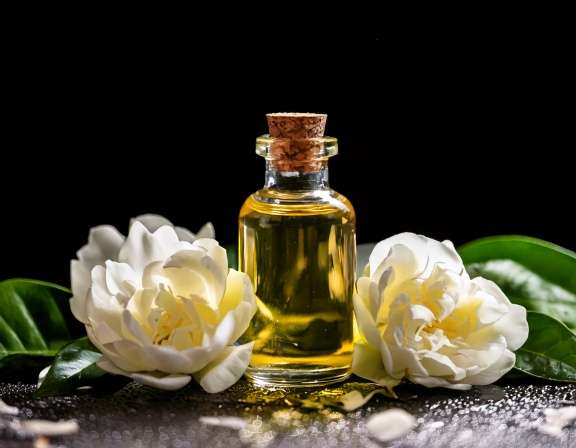
Few floral scents feel as lush as gardenia. Its creamy petals suggest warm evenings, fresh-cut blooms, and soft powder on the skin. For aromatherapy beginners, gardenia essential oil can make a room feel welcoming without a complicated routine.
There is one important detail, though. Products sold under this name may be a gardenia absolute, fragrance oil, infused oil, or diluted blend. Gardenia flowers produce very little volatile oil through standard steam distillation, so the label deserves a close look. With the right product, you can enjoy its fragrance in simple recipes while keeping expectations and safety realistic.
Key Takeaways About Gardenia Essential Oil
- Gardenia has a rich floral aroma with creamy, sweet, green, slightly fruity, and powdery notes.
- Many gardenia aromatics are absolutes or fragrance oils rather than traditional steam-distilled essential oils.
- Research on gardenia aroma and human health benefits remains limited.
- Topical products need dilution and a 24-hour patch test before regular use.
- Don’t swallow gardenia oil or use it in food and drinks.
- Clear labeling, suitable packaging, and honest directions matter when you buy.
What Is Gardenia Essential Oil, and How Is It Made?
Gardenia essential oil is a fragrant product associated with the flowers of Gardenia jasminoides, a plant native to parts of Asia and widely grown as an ornamental shrub. The white flowers have a strong scent, but they don’t yield much volatile oil through steam distillation. As a result, a product labeled gardenia oil may have a different production method or formula.
A gardenia absolute is usually made through solvent extraction. The process captures more of the flower’s delicate aromatic compounds and produces a concentrated material with a full, natural floral scent. It often smells closer to a living gardenia bloom than a simplified fragrance blend.
A fragrance oil may contain synthetic aroma compounds, natural extracts, or both. It can smell pleasant, but it isn’t automatically suitable for skin or aromatherapy. An infused oil uses gardenia petals or another plant material in a carrier oil. It is much less concentrated than an absolute. A carrier oil, such as jojoba or fractionated coconut oil, provides the base for a topical blend and doesn’t provide the same intense floral aroma.
Gardenia’s scent profile is broad and smooth. Creamy sweetness sits at the center, while green, slightly fruity, and powdery notes give the fragrance shape. Some products smell airy and fresh. Others have a dense, almost buttery floral character.
A product’s name doesn’t tell you everything. The extraction method and complete ingredient list often tell you more than the words “essential oil” on the front label.
Before buying, look for the botanical name, extraction method, ingredients, dilution, intended use, and batch or lot information. A product intended for candles may not belong on your skin.
Potential Benefits and Everyday Uses of Gardenia Aroma
The most realistic benefit of gardenia aroma is sensory. A soft floral scent can make a personal routine or living space feel calmer, warmer, and more pleasant. That experience is personal, and it doesn’t prove that gardenia treats anxiety, insomnia, pain, infections, or skin conditions.
Laboratory studies and traditional plant uses can guide future research, but they don’t establish the same effects in people. For that reason, use gardenia as an atmosphere and comfort tool rather than a cure.
You can inhale a properly labeled product from a personal inhaler, use a diffuser according to its instructions, or add a diluted amount to a body oil. A prepared bath product can carry the aroma into warm water more safely than dropping concentrated oil directly into the tub. A room spray can add a gentle floral note to curtains or bedding when the fabric is compatible.
People with asthma, migraines, or fragrance sensitivity may react to strong aromas. Start with a small amount in a well-ventilated room, and stop if you develop coughing, headache, wheezing, itching, or other discomfort.
For broader guidance on using aromatic products around seasonal discomfort, read these essential oils for seasonal allergies. Gardenia itself shouldn’t be treated as an allergy remedy, and strong fragrance can bother sensitive people.
Three Simple Gardenia Recipes for Home Aromatherapy
Use a properly labeled gardenia absolute or essential-oil product. Check whether it is approved for topical, bath, or room use, then follow the supplier’s dilution guidance. Make small batches so you can assess the scent and your skin’s response.
Soft Floral Roll-On for Personal Use
This 10 mL roll-on keeps the aromatic concentration at about 1 percent, which is a gentle starting point for many adults.
Ingredients
- 0.1 mL gardenia absolute labeled for topical use
- Jojoba oil or fractionated coconut oil, enough to fill a 10 mL roll-on bottle
- One clean 10 mL glass roll-on bottle
Add 0.1 mL of gardenia absolute to the empty bottle. A small oral syringe gives a more reliable measurement than counting drops, because droppers vary. Fill the bottle with jojoba or fractionated coconut oil, leaving enough room for the roller insert.
Press the roller insert into place, screw on the cap, and gently roll the bottle between your hands. Apply a small amount to your pulse points after completing a 24-hour patch test. Keep the blend for external use only, and don’t apply it near your eyes, lips, or other sensitive areas.
Store the roll-on in a cool, dark place. Use it within six months, or sooner if the scent, color, or texture changes.
Gardenia-Inspired Relaxing Bath Oil
A prepared bath oil base helps disperse the aromatic material more evenly than plain water. This recipe uses a very low concentration and creates enough blend for one bath.
Ingredients
- 1 tablespoon, or 15 mL, of an unscented bath oil base designed to disperse aromatics
- 0.05 mL gardenia absolute or topical gardenia blend
- One small glass dish or bottle
Measure the bath oil base into the dish, then stir in the gardenia product until the mixture looks uniform. Add the blend to running bathwater and swirl the water with your hand before entering.
Bath oils can make the tub slippery, so step in carefully and rinse the tub afterward. Skip this recipe if your skin is irritated, broken, or freshly shaved. Make a fresh portion for each bath instead of storing a diluted mixture near the tub.
Gentle Floral Room and Linen Spray
Oil and water separate without help, so this formula includes a room-spray alcohol base or solubilizer. It produces a light scent rather than a perfume-strength spray.
Ingredients
- 48 mL distilled water
- 10 mL room-spray alcohol base formulated for aromatic ingredients
- 0.2 mL gardenia absolute or gardenia product approved for room use
- 2 mL cosmetic solubilizer, if required by the base manufacturer’s directions
- One clean 60 mL spray bottle
Add the alcohol base and gardenia product to the bottle. If your base requires a solubilizer, mix it in before adding the distilled water. Add the water, close the bottle, and shake gently.
Shake again before every use, even when the formula looks well mixed. Test one spray on an unseen section of fabric first. Avoid faces, pets, polished wood, silk, leather, and delicate materials. Store the bottle in a cool, dark place and discard it after four weeks. Make a smaller batch if you use room sprays only occasionally.
How to Choose Gardenia Oil and Use It Safely
Start with the back label, not the floral picture on the front. A transparent product should list Gardenia jasminoideswhen that plant is the source, along with the extraction method and every added ingredient. The label should also state whether the product is an absolute, fragrance oil, infused oil, undiluted aromatic material, or ready-to-use blend.
Batch or lot information helps you identify a particular production run. Clear dilution details help you avoid applying a concentrated product by mistake. Dark glass or another suitable container can protect aromatic materials from light, while clear directions should explain whether the product belongs on skin, in a diffuser, in a bath, or only in candles and home fragrance.
Very low prices, vague ingredient lists, undisclosed additives, and promises of guaranteed medical results are warning signs. Fragrance oil may be a good choice for soap or candles, but it isn’t interchangeable with a skin-safe absolute. A gardenia absolute may suit you better when you want a natural floral profile, although it still requires careful dilution.
For topical use, follow the product’s instructions and dilute it in a suitable carrier. Perform a 24-hour patch test on a small area of skin before wider application. Keep the product away from eyes, mucous membranes, children, and pets. Ventilate rooms, especially when using a diffuser or spray.
Stop using the product if you notice redness, burning, itching, coughing, wheezing, headache, or nausea. Wash topical exposure from the skin with soap and water. If a child or pet swallows any amount, contact an appropriate poison or veterinary service for advice.
Pregnant or breastfeeding people, children, anyone with asthma, and people taking medication should ask a qualified health professional before regular use. Gardenia oil shouldn’t be swallowed unless a licensed professional specifically directs it. Aromatherapy can support a pleasant routine, but it doesn’t replace medical care or prescribed treatment.
Conclusion
Gardenia’s main appeal is its lush, creamy floral aroma, not a promise to treat illness. Since many gardenia products are absolutes, fragrance blends, or diluted formulas, the extraction method and ingredient list matter as much as the scent.
Choose a transparent product, dilute it carefully, and patch test before applying it to skin. The roll-on, bath oil, and room spray offer simple starting points for home use. Begin with a small amount in a well-ventilated space, then let your senses guide how much fragrance feels comfortable.
Stay Connected for More Natural Living Inspiration
If you enjoyed this post about herbal wellness and love discovering natural ways to refresh your home and wellness, don’t miss out on future recipes and clean-living tips! Subscribe to the blog for weekly DIYs, wellness inspiration, and herbal remedies delivered straight to your inbox.
Don’t forget to visit my Amazon storefront for the links to my favorite essential oils, herbal teas, and natural recipes. I also create YouTube ambiance videos for sleeping; a channel I created to help people who have trouble sleeping. The link to all social media content is here.
Thanks for coming by!


Leave a Reply