
(DISCLAIMER: I am not a doctor, and you should consult your healthcare professional before starting any health regimen.)

Stiff fingers can make a coffee mug feel heavier than it is. Aching knees can turn a short walk through the grocery store into a careful calculation.
Many people try essential oils for arthritis pain because a gentle scent and a slow massage can make a difficult day feel more manageable. Oils can support comfort at home, but they don’t replace medical care, prescribed medicine, or a plan for protecting your joints.
Used with care, certain oils may add a cooling, warming, or calming layer to your regular arthritis routine.
Key Takeaways
- Essential oils may provide temporary comfort through massage, a cooling or warming sensation, and relaxation.
- They haven’t been proven to repair joint damage, stop arthritis progression, or treat autoimmune disease.
- Ginger, frankincense, lavender, peppermint, eucalyptus, rosemary, and turmeric are commonly discussed for joint comfort.
- Always dilute oils in a carrier oil and patch test a small area before wider use.
- People with allergies, sensitive skin, asthma, pregnancy concerns, or medication questions should check with a clinician or pharmacist first.
- Use oils as a complement to exercise, physical therapy, sleep, stress care, and medical treatment.
Essential Oils for Arthritis Pain: What May Help and What the Evidence Says
Arthritis is not one condition. Osteoarthritis involves wear and changes within a joint over time. Rheumatoid arthritis is an autoimmune disease that can cause inflammation throughout the body. Because their causes and treatments differ, no essential oil can take the place of an accurate diagnosis.
Research on essential oils for arthritis pain is encouraging in places, yet still limited. It includes laboratory findings, animal studies, small human trials, reviews, and long-standing traditional use. Many studies also test blends during massage, so it is hard to separate the effect of one oil from the value of touch, rest, scent, and attention.
A 2023 review and meta-analysis of topical essential oils for musculoskeletal disorders found small improvements in pain intensity compared with placebo at one and four weeks. Another 2021 review found 13 studies involving rheumatic diseases, including osteoarthritis and rheumatoid arthritis. Most reported benefits, but the studies were small and varied widely.
That matters because a pleasant result is not the same as proof of treatment. Aromatherapy works best as complementary care for short-term symptom relief, a soothing massage ritual, or a calmer bedtime routine. For a broader look at safe daily essential oils for joint pain, keep the same practical boundary in mind: comfort is the goal, not a cure.
Ginger, Frankincense, and Turmeric for Inflammation-Focused Blends
Ginger oil is often chosen for its warm, spicy character. Small studies of ginger oil massage for knee discomfort have reported less pain and stiffness, although massage and individual response may explain part of that result.
Frankincense has an earthy, resinous scent and appears often in massage blends for sore, inflamed-feeling joints. People commonly pair it with ginger, lavender, or myrrh. Turmeric oil also draws interest because turmeric compounds have anti-inflammatory activity in laboratory research.
Still, promising anti-inflammatory findings don’t prove that rubbing an oil on skin treats inflammation inside a joint. Turmeric essential oil, in particular, has far less arthritis research than turmeric or curcumin taken as supplements. Use these oils for their scent and massage comfort, while keeping expectations realistic.
Lavender, Peppermint, Eucalyptus, and Rosemary for Comfort
Lavender can make a massage feel softer and more restful. In one study of 90 people with knee osteoarthritis, lavender aromatherapy massage reduced pain more than placebo massage.
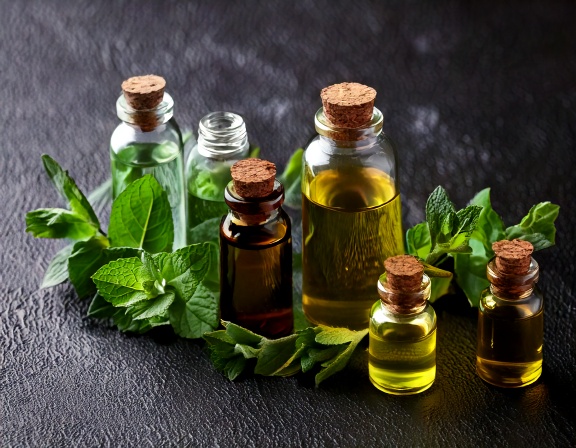
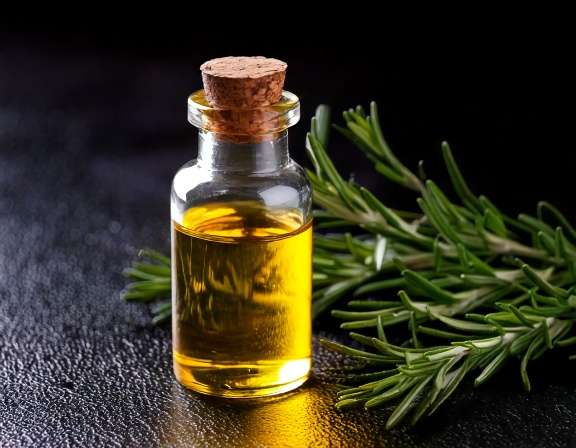
Peppermint and eucalyptus can create a crisp, cool feeling on the skin. That sensation may distract from aching for a short time, much like a cool washcloth on a warm forehead. Rosemary is also common in muscle and joint blends because its herbal scent feels energizing.
A cool or warm sensation does not mean the oil is healing cartilage or reversing arthritis. Stop using any blend that causes itching, burning, rash, or lingering redness.
How to Use Essential Oils Safely for Aching Joints
Topical use is the simplest option for joint comfort. Swallowing essential oils can be dangerous, may interact with medicines, and isn’t needed for arthritis support. Keep bottles away from children and pets, and don’t use oils near the eyes, mouth, genitals, or broken skin.
Mix essential oils into a carrier oil before applying them. Jojoba, sweet almond, fractionated coconut, olive, and avocado oil all work well. Beginners, older adults, and people with sensitive skin should stay at the low end of a product’s dilution guidance.
Before trying a new blend, place a small amount on the inner arm. Cover the spot if practical, then wait 24 hours. Wash it off and skip the blend if your skin reacts.
Heat can feel good on stiff joints, but it may feel worse during a hot, swollen flare. Let comfort guide the choice between a warm and cool compress.
Wintergreen deserves extra caution. It contains methyl salicylate, a compound related to aspirin that can be harmful when absorbed in high amounts. Avoid it if you are allergic to aspirin, take blood thinners, are pregnant, or are using it around children.
Ask a clinician or pharmacist before using oils if you have rheumatoid arthritis, take regular medication, are pregnant or breastfeeding, or live with asthma, allergies, eczema, or another skin condition.
Massage, Compresses, Baths, and Diffusers: Choosing the Right Method
A diluted massage blend can be rubbed gently around a sore joint for several minutes. Avoid forceful pressure over tender knuckles, swollen knees, or inflamed wrists.
For a compress, apply a warm or cool washcloth for 15 to 20 minutes, then check how the joint feels. Baths can be relaxing, but oils must first be blended into bath salts or another suitable dispersing base. Never drop undiluted oils straight into bathwater, where they can float on top and irritate skin.
A diffuser may help create a restful room before sleep or during gentle stretching. It does not treat the joint directly, but relaxation can make pain feel less consuming.
Three Simple Essential Oil Recipes for Arthritis Comfort
These blends are optional comfort routines, not medical treatments. Patch test every recipe before use, and label each bottle with its ingredients and the date you made it.
Gentle Ginger and Lavender Joint Massage Oil
Ingredients
- 2 tablespoons jojoba oil or fractionated coconut oil
- 3 drops ginger essential oil
- 3 drops lavender essential oil
- One small dark glass bottle
Pour the carrier oil into the bottle, then add the ginger and lavender. Cap and shake gently. Massage a small amount around one or two sore joints for a few minutes, then wash your hands. Store the labeled bottle in a cool, dark cabinet and use it within a few months. If warmth, redness, itching, or burning develops, use less next time or stop using the blend.
Cooling Peppermint and Eucalyptus Compress
Ingredients
- 2 cups comfortable-temperature water
- 1 tablespoon suitable dispersing agent or unscented liquid soap
- 1 drop peppermint essential oil
- 1 drop eucalyptus essential oil
- One clean washcloth
First mix the peppermint and eucalyptus oils into the dispersing agent or soap. Stir that mixture into the water, then soak and wring out the washcloth. Apply it around the joint for 10 to 15 minutes while keeping it away from your eyes and face. Peppermint and eucalyptus can feel intense, so use a shorter application for sensitive skin. Avoid this recipe for young children, and discard the water after each use.
Frankincense and Myrrh Evening Massage Blend
Ingredients
- 2 tablespoons sweet almond oil or jojoba oil
- 3 drops frankincense essential oil
- 1 drop myrrh essential oil
- 2 drops lavender essential oil
- One small dark glass bottle
Combine the oils in the bottle and roll it between your palms to mix. During a slow evening massage, smooth a small amount around the hands, knees, or feet, then follow with easy, pain-free movement. Label and store the blend away from heat and sunlight. People with nut allergies should use jojoba or fractionated coconut oil instead of sweet almond oil.
Frequently Asked Questions
Can essential oils make arthritis worse?
They can if they irritate your skin, trigger an allergy, or delay care for a worsening joint problem. Stop using a product that causes burning, rash, swelling, or breathing symptoms. A painful flare that keeps escalating needs medical attention.
Which carrier oil is best for arthritis massage?
Jojoba and fractionated coconut oil are light, stable choices that many people tolerate well. Sweet almond oil feels richer, but it isn’t suitable for someone with a nut allergy. The best carrier is one your skin handles comfortably.
How often can I use a diluted oil blend?
Start once daily or a few times per week to see how your skin responds. If there is no irritation, follow the product’s dilution guidance and use the smallest amount that feels helpful. More oil does not create more relief.
Can I use essential oils with arthritis medication?
Some oils and ingredients can interact with medicines or create safety concerns, especially with blood thinners and aspirin-related sensitivities. A pharmacist can review your medication list and offer guidance that fits your situation.
Should I use a warm or cold compress for arthritis?
Choose the temperature that eases your symptoms. Gentle warmth often feels good for stiffness, while a cool compress may be more comfortable when a joint feels hot or swollen. Remove the compress if pain increases.
A Gentle Addition to Arthritis Care
Diluted essential oils may add comfort to a massage, compress, or quiet evening routine. They do not cure arthritis or replace prescribed treatment, exercise, physical therapy, or medical evaluation.
Start with one gentle recipe and keep a brief log of pain levels and skin reactions. Contact a clinician for sudden swelling, severe pain, redness, warmth, fever, or symptoms that keep getting worse. Comfort should never come at the cost of safety.
Stay Connected for More Natural Living Inspiration
If you enjoyed this post about herbal wellness and love discovering natural ways to refresh your home and wellness, don’t miss out on future recipes and clean-living tips! Subscribe to the blog for weekly DIYs, wellness inspiration, and herbal remedies delivered straight to your inbox.
Don’t forget to visit my Amazon storefront for the links to my favorite essential oils, herbal teas, and natural recipes. I also create YouTube ambiance videos for sleeping; a channel I created to help people who have trouble sleeping. The link to all social media content is here.
Thanks for coming by!


Leave a Reply