
(DISCLAIMER: I am not a doctor, and you should consult your healthcare professional before starting any health regimen.)
The house is quiet, the bedside lamp is low, and your mind is still sorting through the day. For aromatherapy users, essential oil blends for anxiety before bed offer a familiar scent to accompany a slower evening routine.
Thoughtful oil choices and gentle diffusion keep that aroma comfortable in the background. Three simple recipes offer different scent directions: soft woods, citrus with resin, and a light floral pairing.
Begin with the combination you enjoy most, then shape the blend and your diffuser routine around your room, your preferences, and the kind of evening you want.
Key Takeaways
- Choose a scent you enjoy, whether that’s lavender with dry cedarwood, fresh bergamot with frankincense, or soft Roman chamomile.
- Treat recipe drop counts as starting amounts within your diffuser manufacturer’s directions, and begin lighter when you prefer subtle fragrance.
- Keep diffusion brief, allow ventilation, and consider everyone sharing the space, including children and pets.
- Pair your chosen aroma with a simple evening rhythm, and record small adjustments so you can repeat favorite blends.
Essential Oil Blends for Anxiety Before Bed: Three Gentle Diffuser Recipes
These recipes are for water-based diffusers that accept essential oils. The drop counts are starting amounts; use fewer when appropriate, follow your device’s directions, and fill only to its indicated water line.
Lavender and Cedarwood for a Soft, Woody Scent
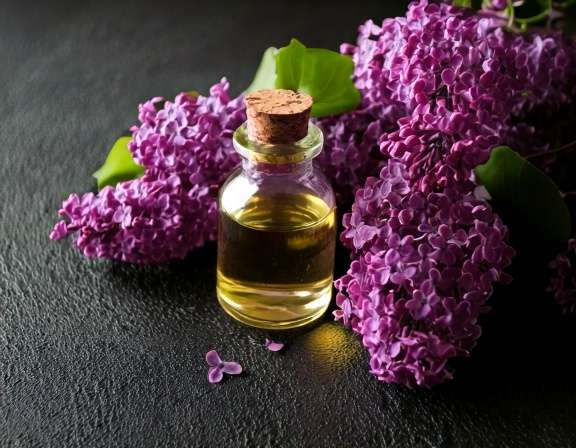
- 3 drops lavender essential oil
- 2 drops cedarwood essential oil
Add water and oils in the order your diffuser specifies, then select a short session permitted by its instructions.
Lavender’s floral aroma rests against cedarwood’s dry, woody base. This simple pairing suits a quiet bedtime room when you want something less sweet than a floral-only blend. Keep the scent faint enough that it doesn’t compete with the room.
Lavender, Bergamot, and Frankincense for a Bright, Balanced Blend
- 2 drops lavender essential oil
- 2 drops bergamot essential oil
- 1 drop frankincense essential oil
Prepare the diffuser according to its directions, adding the oils to the recommended water level. Use bergamot intended for diffusion.
Bergamot brings fresh citrus, while lavender softens the edges and frankincense adds resinous depth. Choose this blend when you enjoy a brighter evening aroma. Let it diffuse briefly before deciding whether the balance suits your space; the opening citrus note won’t tell the whole story.
Roman Chamomile and Lavender for a Gentle Floral Blend
- 2 drops lavender essential oil
- 1 drop Roman chamomile essential oil
Fill your diffuser as directed, add the oils, and begin a short session. For a lighter first trial, start with fewer total drops.
Roman chamomile adds an apple-like, herbal-floral note beside lavender. This is the lightest recipe by drop count, although individual oils vary in strength. Adjust the aroma gradually to suit your room and preferences.
Choose Oils That Match Your Evening and Your Scent Preferences
The most useful blend starts with your own nose. A familiar aroma can feel welcoming, while a technically balanced combination can still be wrong for your evening.
Let aroma and personal associations guide you
Lavender (Lavandula angustifolia) has a floral, herbal character. Cedarwood adds dry wood, while Roman chamomile (Chamaemelum nobile) contributes soft, apple-like sweetness. Frankincense brings resin with varying woody or citrus notes, depending on the oil.
Bergamot has a fresh peel aroma that gives a blend a brighter opening. My guide to bergamot for evening diffusion offers another way to explore that scent character.
Consider your associations, too. Lavender might recall clean linens for one person and an overly perfumed cupboard for another. Give that response as much weight as the blend’s proportions. Even two bottles bearing the same common name can smell different, so assess the oils you have.
Adjust one detail and keep a blend record
Room size, airflow, and other fragrances influence how a blend smells after diffusion. In a small bedroom, begin at the lower end of your device’s recommended amount. Allow a few minutes before judging the result.
Then change one detail per session. Reducing the total quantity helps you assess intensity; changing a ratio helps you assess balance. Avoid doing both at once if you want a useful comparison.
Record the oil names, botanical names, drop counts, diffuser water volume, and run time. Add a plain-language note such as “too woody” or “pleasant after ten minutes.” That record makes your preferred essential oil blends for anxiety before bed easier to repeat without guesswork.
Use Your Diffuser Gently and With Care
A little preparation keeps the session comfortable. Water capacity, oil limits, and operating modes vary, so use the directions for your particular device.
Set up for a short, comfortable session
Place the diffuser on a stable surface where mist won’t settle directly on bedding, books, or nearby electronics. Follow its fill line and oil limit, and allow ventilation rather than closing the room tightly around the fragrance.
A 15- to 20-minute session can be a useful trial when the device’s directions allow it. Then switch it off and notice how much aroma remains before deciding on another session. Turn it off before sleep.
More oil doesn’t automatically improve a blend. My practical diffuser guide covers setup and use in more detail. Keep fragrance light enough that you can comfortably remain in the room.
Account for shared spaces and regular cleaning
Agree on scent and timing with anyone sharing the bedroom. If someone finds the aroma irritating, turn the diffuser off and air the room. Fragrance preferences deserve room in the decision.
With children, use age-appropriate guidance rather than treating an adult bedroom recipe as universal. For pets, get species-specific advice from your veterinarian about the oils you plan to use. Keep diffusion out of rooms housing birds, and give other pets access to an unscented area.
Store bottles and place the device beyond children’s and pets’ reach. After use, empty and clean the reservoir according to its instructions. Regular care removes oily residue that could muddy the next blend’s aroma, particularly when you switch between citrus, wood, and floral oils.
Build a Bedtime Ritual Around the Scent
A blend fits most easily into bedtime when preparing it doesn’t become another task waiting at the end of the day.
Prepare the room before you settle in
Choose your blend while you still have the energy to handle bottles and water. Set out only what you need, prepare the diffuser, and put the oils away before settling into bed.
Next, dim the lights and lower competing sounds. Scented candles, room sprays, and strongly fragranced laundry can crowd the blend, so give your chosen aroma some space.
Start the session while you put away the day’s belongings or open a book. By the time you’re ready to sit down, you’ll have a better sense of the fragrance’s strength. This also makes it easier to switch the diffuser off before sleep.
Pair the aroma with something unhurried
Reading a few pages or taking gentle, unforced breaths gives the scent a place in an ordinary evening. Choose an activity you enjoy without adding a performance target.
Keep the routine flexible. Some evenings allow a longer wind-down; others call for a few quiet minutes. You can keep the same blend while changing the activity, or return to a familiar pairing after trying something different.
When you want another scent direction, my bedtime diffuser recipes offer more combinations. Meanwhile, give one recipe a few evenings before changing it. A familiar sequence lets you notice whether the aroma, its intensity, and its timing suit you.
Frequently Asked Questions
How many drops should I start with in a bedtime diffuser?
For a water-based diffuser whose directions permit it, two or three total drops is a gentle first trial. The recipes above provide different starting proportions, rather than a universal dose. Let the device’s oil limit and water capacity set the range, then adjust within it to your scent preference.
Can I prepare a diffuser blend before bedtime?
Yes. Measure and combine the essential oils in a small, clearly labeled glass bottle, keeping the recipe’s proportions if you make a larger batch. Add only your chosen session amount to the diffuser when ready. Close the bottle promptly and store it away from heat, direct sunlight, children, and pets.
Which essential oils pair well with lavender at night?
Cedarwood adds a dry, woody base; Roman chamomile adds apple-like softness. Frankincense contributes resinous depth, while bergamot gives lavender a brighter citrus opening. The best pairing depends on the scent character you prefer. A small test blend lets you assess the balance before preparing a bottle for repeated use.
How often should I clean my essential oil diffuser?
Follow the cleaning schedule and method in your diffuser’s instructions, since reservoir materials and ultrasonic components differ. Remove leftover water after use when directed, and clean regularly, especially when changing oils. Use only cleaning products the maker allows, and keep water away from electrical openings during cleaning, rinsing, and drying.
Find the Blend That Fits Your Evening
One well-chosen blend, gently diffused, can add a pleasant sensory note to the hour before bed. The aim is a comfortable aroma that belongs in your room alongside the familiar sounds and small habits of evening.
Start with one recipe and notice how it smells after a short session. Keep small adjustments in your blend record, and return to the proportions that feel right. When the house grows quiet, your chosen scent can be a welcome part of settling in.
Stay Connected for More Natural Living Inspiration
For more wellness tips, subscribe to the blog for weekly posts about essential oils, teas, and herbs. Want an ad free experience with DIY essential oil, herbal recipes and tips? Head here for a distraction free experience.
Thanks for stopping by!

Leave a Reply