(DISCLAIMER: I am not a doctor, and you should consult your healthcare professional before starting any health regimen.)

Key takeaways before you brew
- Symptom support is the main reason people drink it. Elderberry tea is better known for easing cold and flu symptoms than for preventing illness.
- The dark color matters. Elderberries are rich in anthocyanins and other plant compounds tied to antioxidant activity.
- Simmering dried berries gives the best cup. A fast steep works in a pinch, but simmering pulls more flavor from the fruit.
- Raw elderberries should never be used. Leaves and stems are unsafe too, so only cooked or properly processed elderberry belongs in tea.
- A few people need extra caution. Pregnancy, breastfeeding, autoimmune conditions, and several medications call for a check-in with a clinician first.
- Simple add-ins can improve the taste. Lemon, honey, ginger, cinnamon, and hibiscus round out the tart edge.
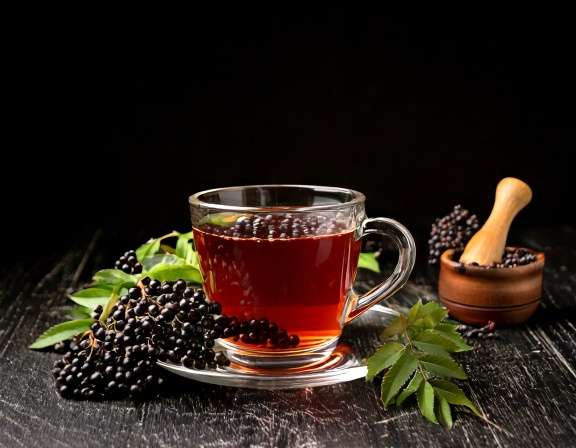
Elderberry tea has won a loyal place in kitchen cabinets for a simple reason, it feels useful and comforting at the same time. The cup is dark, tart, and easy to turn into a nightly ritual when cold season shows up.
People also want the facts before they try it. That means the good parts, the safest way to brew it, and the warning signs that matter most.
What elderberry tea may help with
Elderberries are full of anthocyanins, flavonols, and phenolic acids. Those are the compounds that give the berries their deep purple color and much of their antioxidant punch. A review from Harvard Health points out that the strongest interest in elderberry is still symptom support, not illness prevention.
That matters because elderberry tea is often talked about like a shield. It is not. It is more like a warm helper on a rough day, one that may support comfort while your body does its own work.
Support during cold and flu season
This is the benefit most people care about first. Elderberry products have been studied for upper-respiratory symptoms, and the results are promising enough to keep researchers interested. Some studies suggest a shorter illness window and milder symptoms, often by about two days, but that does not make elderberry a cure.
A warm mug can still help in ordinary ways. It adds fluid, softens a scratchy throat, and gives you something calming to sip when you feel worn down. Cleveland Clinic’s elderberry overview makes the same basic point, elderberry is used for symptom support, while prevention claims remain weak.
Why its antioxidants matter
Anthocyanins are plant pigments. They also act like small defenders against oxidative stress, the wear and tear your cells face every day. That is one reason elderberry gets attention in wellness circles.
A recent Annual Reviews analysis of elderberry compounds brings together a wide range of data on its bioactive parts. The takeaway is simple, elderberry contains real plant chemistry, but the human evidence still has limits.
So yes, the tea has antioxidant value. No, that does not mean one cup fixes inflammation or replaces a balanced diet.
New research on gut and metabolic health
New studies are also looking at gut bacteria, blood sugar handling, and fat metabolism. That line of research is interesting because it hints at wider benefits beyond cold season.
Still, this is early ground. The current evidence is not strong enough to treat elderberry tea like a metabolic therapy. It belongs in a wellness routine, not in the place of medical care for blood sugar, cholesterol, or weight concerns.
The best way to brew elderberry tea at home
If you want the fullest flavor, simmer dried elderberries. A quick steep works, but simmering brings out more color, more body, and a richer taste. Buy dried elderberries or a reputable tea blend, never raw berries.
| Method | Amount | Time | What you get |
|---|---|---|---|
| Stovetop simmer | 1 to 2 tablespoons dried elderberries per 2 cups water | 15 to 20 minutes | Strong flavor and fuller extraction |
| One-mug steep | 1 to 1.5 teaspoons dried elderberries per 1 cup boiling water | 10 to 12 minutes | Faster, lighter cup |
Simple stovetop method for the strongest flavor
Add 1 to 2 tablespoons dried elderberries and 2 cups water to a small pot. Bring it to a gentle boil, then lower the heat and simmer for 15 to 20 minutes.
Strain the tea through a fine mesh sieve. Taste it before you sweeten it. Honey softens the tartness, and a squeeze of lemon brightens the cup. If you like a bolder brew, lightly crush the berries before cooking.
Easy one-mug steep when you want something fast
Use 1 to 1.5 teaspoons dried elderberries for 8 ounces of boiling water. Cover the mug, then steep for 10 to 12 minutes before straining.
This version is lighter than a simmered batch, but it works well when you want something fast. The cover helps trap heat and gives the berries more time to release flavor.
Flavor ideas that make it taste better
Elderberry tea can taste a little earthy on its own. Ginger adds bite. Cinnamon adds warmth. Lemon cuts through the tart edge, and honey smooths the finish.
For a more floral cup, add a pinch of rose petals or a little hibiscus. If you enjoy bright, tangy blends, hibiscus herbal tea benefits is a useful companion read. Hibiscus and elderberry also work well together in a berry-forward blend.
Safety notes every elderberry tea drinker should know
Raw elderberries are the part that can cause real problems. So can the leaves and stems. Heat changes the picture, which is why cooked or properly processed elderberry is the safe choice.
Raw elderberries, leaves, and stems are not tea ingredients. They need heat and proper processing before use.
Why raw elderberries are a bad idea
Raw or unripe elderberries contain natural compounds that can lead to nausea, vomiting, and severe diarrhea. The National Center for Complementary and Integrative Health says cooking removes this toxin risk. That is the line to remember.
If a product does not clearly say it uses cooked, dried, or properly processed elderberries, skip it.
Who should check with a doctor first
Some people should be extra careful before drinking elderberry tea:
- People who are pregnant or breastfeeding
- Children
- Anyone with an autoimmune condition
- Organ transplant recipients
- People taking medicines for immune health, diabetes, cholesterol, cancer, or laxatives
- Anyone who has reacted to elderflower, honeysuckle, or similar plants
If you take prescription medication, a quick conversation with a healthcare professional is a smart move. Elderberry can affect immune activity and blood sugar, so caution makes sense.
Possible side effects and how to avoid them
Most side effects are digestive. Mild nausea, vomiting, diarrhea, or stomach upset are the most common complaints. A strong brew can also be too much for a sensitive stomach.
Start with a small serving the first time. Use cooked elderberry products only. Stick to the recipe amounts, and stop drinking it if you notice discomfort. If symptoms are severe or do not pass, get medical advice.
Conclusion
Elderberry tea earns its place because it is simple, tart, and useful when you want comforting support during cold season. The best cup usually comes from simmered dried berries, not a rushed steep, and the safest cup always starts with properly processed elderberry.
Keep raw berries out of the pot, watch for medication or pregnancy concerns, and treat the tea as a thoughtful routine rather than a cure-all. Used that way, it fits neatly into a mindful wellness habit.
Stay Connected for More Natural Living Inspiration
If you enjoyed this post about herbal wellness and love discovering natural ways to refresh your home and wellness, don’t miss out on future recipes and clean-living tips! Subscribe to the blog for weekly DIYs, wellness inspiration, and herbal remedies delivered straight to your inbox.
Don’t forget to visit my Amazon storefront for the links to my favorite essential oils, herbal teas, and natural recipes. I also create YouTube ambiance videos for sleeping; a channel I created to help people who have trouble sleeping. The link to all social media content is here.
Thanks for coming by!


Leave a Reply