

(DISCLAIMER: I am not a doctor, and you should consult your healthcare professional before starting any health regimen. Product links are commissioned and supports the blog)

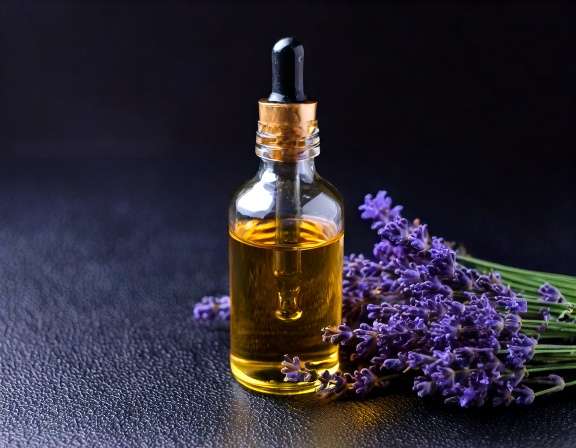
Sunlight across a freshly wiped sink, warm laundry folded from the dryer, and bed linens carrying a soft herbal scent can make routine chores feel lighter. Lavender essential oil brings that familiar fragrance to homemade cleaning sprays without filling your home with synthetic perfume.
Still, lavender oil isn’t a disinfectant by itself. The recipes below use simple ingredients for light cleaning, odor control, and fabric freshening in bathrooms, laundry areas, and bedrooms. You’ll also learn how to dilute essential oils, avoid surface damage, and make small batches that support low-waste, affordable habits.
Key Takeaways for Using Lavender Essential Oil at Home
- Lavender oil mainly adds fragrance. Vinegar, mild soap, or alcohol does the practical cleaning in these formulas.
- Homemade sprays aren’t certified disinfectants or sanitizers. Use an EPA-registered disinfectant when illness control is the goal.
- Label every bottle with its ingredients and date, then shake it before each use.
- Patch test hard surfaces and fabrics first. Never use vinegar on marble, granite, quartz, or other acid-sensitive stone.
- Keep essential oils away from children and pets, and avoid contact with eyes, broken skin, and concentrated oil.
How to Use Lavender Essential Oil in a Non-Toxic Cleaning Routine
A non-toxic cleaning routine is less about calling every ingredient harmless and more about making careful choices. Use fewer heavily scented products, choose simple formulas, ventilate rooms, and match each cleaner to the surface. Even natural ingredients can irritate skin, damage stone, or cause problems when mixed incorrectly.
Lavender essential oil works best as a scent booster, not the main cleaning agent. White vinegar can help dissolve mineral residue and soap film on suitable surfaces. Unscented Castile soap helps lift everyday grime. Vodka can help disperse oil in a fabric spray, although a small amount doesn’t turn the recipe into a registered disinfectant.
Gather a few reusable supplies:
- Distilled water
- Distilled white vinegar
- Unscented liquid Castile soap
- A small glass or compatible spray bottle
- Microfiber cloths
- Waterproof labels and a marker
- Plain vodka or witch hazel for fabric sprays
Distilled water contains fewer minerals than tap water, so it can leave less residue and help a spray stay cleaner during short-term storage. It doesn’t preserve a water-based mixture, however. Make small amounts and use them promptly instead of storing homemade sprays for months.
Essential oils don’t dissolve evenly in water. The droplets separate and rise to the surface, so shake each bottle before spraying. Avoid adding hydrogen peroxide to a vinegar recipe. That combination can form irritating peracetic acid. Baking soda and vinegar also react, so keep them in separate products unless you’re using the mixture immediately.
For more formulas using plant oils, explore these DIY non-toxic cleaners with essential oils.
Three Easy Lavender Cleaning Sprays for a Fresher Home
These small-batch recipes suit everyday freshening and light cleaning. They aren’t substitutes for tested disinfectants, stain removers, or deep-cleaning products. Use clean, dry bottles and add a label with the recipe, date, and intended surface.
1. Lavender Bathroom Surface Spray
Use this vinegar-based spray on sealed ceramic tile, glazed sinks, shower fixtures, and other acid-tolerant surfaces. It can help loosen soap film and water spots, while the lavender gives the room a clean, gentle scent.
Ingredients
- 1 cup distilled white vinegar
- 1 cup distilled water
- 10 drops lavender essential oil
- One 16-ounce spray bottle
- One microfiber cloth
Add the vinegar, distilled water, and lavender oil to the bottle. Close it and shake gently. Spray the cloth rather than soaking the surface, wipe the area, and dry with a second cloth when needed. Test first in a hidden spot, especially on painted, coated, or older fixtures.
Don’t use this formula on marble, granite, quartz, limestone, travertine, or other natural stone. The acid can etch the finish. Store the bottle away from sunlight and heat, and discard it if the smell, color, or appearance changes.
2. Lavender Laundry Freshening Spray
This formula is for washable fabrics that need a light refresh between washes. Use it on the outside of a hamper, fabric laundry baskets, or clothing that can tolerate moisture. It isn’t a replacement for detergent and won’t remove body oils or set-in stains.
Ingredients
- 1/2 cup distilled water
- 1/2 cup plain vodka
- 8 drops lavender essential oil
- One 8-ounce glass spray bottle
- One label
Pour the distilled water and vodka into the bottle, then add the lavender oil. Cap the bottle and shake well. Hold it several inches from the fabric and apply a light mist, keeping the material slightly damp rather than wet. Let it dry completely before placing clothing in a drawer or closet.
Patch test an inside seam first. Avoid silk, leather, suede, delicate dyes, and fabrics with a care label that warns against alcohol or water. Don’t spray near an open flame, and never use the bottle as a sanitizer for hands, clothes, or laundry surfaces.
Make a fresh batch every few weeks. Keep the label visible, and wash the bottle before refilling it.
3. Lavender Linen Mist
A linen spray should settle lightly over fabric, not leave wet patches on a pillowcase. This low-volume formula works for cotton sheets, duvet covers, and washable curtains when a room needs a mild herbal lift.
Ingredients
- 1/2 cup distilled water
- 1 teaspoon plain vodka
- 5 drops lavender essential oil
- One 4-ounce spray bottle
- One clean cloth for patch testing
Add the water, vodka, and lavender oil to the bottle. Shake for several seconds, then mist the air above the bed or apply one small spray to a hidden fabric area. If the patch dries without an oily mark or discoloration, mist the linen lightly from a distance and allow it to dry before sleeping on it.
Use the smallest amount that gives you a pleasant scent. Strong fragrance can become irritating in a closed bedroom, especially for people with asthma or scent sensitivity. Keep the spray away from the face and don’t apply it to skin.
Store the bottle in a cool, dark place. Because it contains water, prepare small quantities and replace the mixture rather than keeping it indefinitely.
Build a Safe Lavender Cleaning Routine That Actually Works
A simple weekly rhythm keeps these sprays useful without turning every household task into a chemistry project. During the bathroom clean, remove loose hair and dust first. Spray the lavender bathroom formula onto a cloth, wipe sealed fixtures and tile, then rinse or dry the surface according to its finish.
After laundry day, use the fabric spray only where odors linger. A light mist on a washable hamper or cotton garment gives the material time to dry before storage. For linens, spray only when needed. Clean sheets still need regular washing, and fragrance shouldn’t hide dampness, mildew, or a musty mattress.
The terms cleaning, deodorizing, and disinfecting describe different jobs. Cleaning removes dirt and residue. Deodorizing reduces or covers an unwanted smell. Disinfecting uses a product tested for specific germs and surfaces. If someone in your home is ill, follow the product label for an EPA-registered disinfectant rather than relying on vinegar, vodka, or essential oils.
Use these safety habits every time:
- Add only the stated number of drops. More oil creates a stronger irritant, not a better cleaner.
- Wash your hands after handling essential oils, especially before touching your eyes or food.
- Keep bottles locked or stored high, away from children and pets.
- Ventilate the room and stop using a spray if it causes coughing, headache, skin irritation, or breathing discomfort.
- Ask a health professional about essential-oil use around babies, during pregnancy, with asthma, or near pets.
- Don’t apply these cleaning sprays to skin, wounds, food, or food-preparation surfaces unless the formula is designed and labeled for that purpose.
A cloudy bottle often means the oil has separated, which is normal. Shake it before use. Oily spots usually mean the spray was too concentrated or the fabric received too much moisture. Blot the area, wash the item according to its care label, and reduce the spray amount next time. If the lavender scent feels sharp, dilute the batch with the recipe’s base ingredients instead of adding more water alone.
Clogged sprayers can result from oil residue or soap. Remove the nozzle, rinse it with warm water, and wipe the tube. If the bottle develops a sour, stale, or unusual odor, changes color, or looks different, discard the contents. Fresh batches are safer than long-stored water-based sprays, especially when you can’t verify how clean the bottle remained.
Conclusion
Lavender essential oil can make basic cleaning feel more pleasant without adding a complicated system to your home. Used in small, diluted amounts, it brings a soft herbal scent to bathroom wipe-downs, washable fabrics, and fresh linens.
Remember the boundary: homemade sprays clean and freshen, but they aren’t reliable disinfectants. Choose the right formula for each surface, avoid vinegar on natural stone, and patch test every fabric before use.
Start with one small bottle. Label it, shake it, and adjust the lavender amount to suit your household. Steady, mindful habits matter more than a cabinet crowded with products.
Stay Connected for More Natural Living Inspiration
If you enjoyed this post about herbal wellness and love discovering natural ways to refresh your home and wellness, don’t miss out on future recipes and clean-living tips! Subscribe to the blog for weekly DIYs, wellness inspiration, and herbal remedies delivered straight to your inbox.
Don’t forget to visit my Amazon storefront for the links to my favorite essential oils, herbal teas, and natural recipes. I also create YouTube ambiance videos for sleeping; a channel I created to help people who have trouble sleeping. The link to all social media content is here.
Thanks for coming by!


Leave a Reply