
(DISCLAIMER: I am not a doctor, and you should consult your healthcare professional before starting any health regimen.)

Tired of stuffy spaces or stale odors taking over your home? Air purifying essential oils offer a natural, easy way to clean the air and add a fresh scent all without harsh chemicals. These oils have gained popularity as a simple solution for anyone looking to breathe easier and promote a healthier indoor space.
People reach for a clean air essential oil blend not just for a pleasant scent, but also for its ability to tackle musty smells and support well-being. Essential oils for musty smells are safe for everyday use and fit perfectly into any health-conscious routine. Making this switch is an easy first step toward a fresher, brighter atmosphere in your living space. If you want inspiration or DIY ideas, check out these great Essential Oil Blends for Air Purification.
How Essential Oils Purify and Freshen Air
Adding air purifying essential oils to your routine does more than make your space smell good. These plant extracts go to work in the air, actively reducing unwanted smells and fighting airborne germs. When used the right way (like in a diffuser), the right essential oil blend can help you refresh a musty room and support a cleaner home environment.
The Science of Air Purification with Essential Oils
There’s real science behind the power of essential oils for musty smells and cleaner air. Research shows that many essential oils contain active compounds (like terpenes and phenols) that can break down odor-causing particles and stop germ growth in the air. For example, studies have found that tea tree, eucalyptus, and lemon oils show strong antimicrobial properties. When aerosolized, these oils reduce bacteria and mold spores in enclosed spaces.
In one study, vaporized tea tree oil was shown to reduce airborne bacteria counts dramatically within an hour. Lemon oil, famous for its crisp citrus scent, contains high levels of limonene, this compound can neutralize strong odors by changing their chemical makeup. Even basic use, like adding a few drops to a diffuser, can help knock out lingering smells that plain air fresheners leave behind.
A mix of lab research and years of anecdotal use supports the role of essential oils as natural air cleaners. These botanical extracts act as both odor trap and air scrubbing tool, making them a popular option for healthier indoor air.
Common Essential Oils for Air Cleaning
Looking for the best oils to keep your home fresh? Here are some tried-and-true options with a reputation for air purification:
- Tea Tree: Known for its powerful antimicrobial effects. Cuts down on germs and fungi in musty rooms.
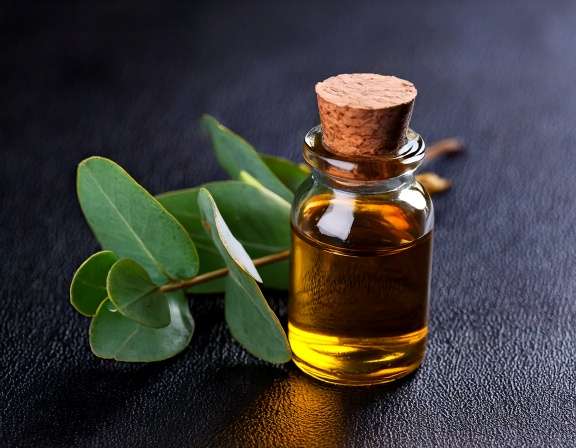
- Eucalyptus: Opens airways with a crisp scent and helps tackle airborne bacteria.
- Lemon: Delivers a clean citrus smell and works as a natural deodorizer thanks to limonene.
- Lavender: Not just for calm; it gently eliminates odors and freshens the air.
- Peppermint: Offers a cooling aroma while masking stubborn or musty smells.
- Thyme: A potent choice that has shown antimicrobial abilities in studies.
Trying these essential oils, alone or in a clean air essential oil blend, can make a big difference in how your home smells and feels. If you’re new to these options, explore essential oils for beginners to learn how to use them safely and get the most out of each type. Some blends are even designed for year-round use and are especially helpful when seasonal changes bring more allergens or stale air indoors.
Best Essential Oil Blends for Clean, Fresh Air
When you want your home to smell crisp and truly feel clean, a well-crafted clean air essential oil blend makes a difference. Blending oils is a simple way to target musty smells, neutralize airborne contaminants, and give your space a natural scent boost. Whether you need a light refresh, deep deodorizing, or an extra layer of cleansing, these practical recipes and tips put air purifying essential oils to work right where you live.
Recipes for Air Purifying Essential Oil Blends
Not sure where to start? You can use these air purifying essential oils in single or blended form, but mixing them can bring out the best combination for your needs. Here are three straightforward blend recipes you can make at home:
1. Refreshing Citrus Air Blend
If you want a light, bright atmosphere and to cut through stuffiness, this blend is your ticket.
- 4 drops Lemon Essential Oil
- 3 drops Peppermint Essential Oil
- 2 drops Eucalyptus Essential Oil
Simply add the oils to your diffuser and enjoy a gentle, clean scent. Lemon and peppermint help tackle odors, while eucalyptus gives the air a fresh, open feeling.
2. Deep Deodorizing Musty Room Blend
For stubborn, musty smells, reach for this stronger formula.
- 3 drops Tea Tree Essential Oil
- 3 drops Lavender Essential Oil
- 2 drops Thyme Essential Oil
This blend harnesses powerful antimicrobial oils that have been shown to fight off airborne bacteria and fungi. You’ll notice musty smells start to fade after just a few sessions.
3. Cleansing Sweet Herbal Blend
If you want both clean air and a touch of soothing aroma, try this herbal mix.
- 3 drops Eucalyptus Essential Oil
- 3 drops Peppermint Essential Oil
- 2 drops Lavender Essential Oil
Eucalyptus and peppermint clear the air, while lavender offers a soft finish, making this blend ideal for all-day use.
For more ideas, browse Essential oil blends for air purification, which dives into specialty recipes that work well year-round.
Tips for Using Essential Oils in Diffusers and Sprays
Getting the most out of your air purifying essential oils is all about safe and effective use.
- Choose the Right Diffuser: Ultrasonic diffusers are gentle and widely used, spreading essential oils without heating them. Always follow the manufacturer’s instructions and clean your diffuser often to avoid buildup.
- Mind the Mix: For most rooms, use about 6–8 drops total per 200 ml of water in your diffuser. Sensitive to scents? Start with less and work your way up.
- Room Size Matters: Large spaces need more oil or a longer diffusing time, while small rooms only need a few drops.
- DIY Air Spray: Mix 10–12 drops of your chosen clean air essential oil blend with 2 ounces of distilled water and a teaspoon of witch hazel or vodka in a spray bottle. Shake and spritz whenever the air feels stale.
- Rotate Your Blends: Switching between blends keeps your senses sharp and avoids fragrance fatigue.
- Safety First: Don’t diffuse oils for more than one hour at a time in small spaces, and avoid direct contact with your skin unless diluted.
- Ventilate the Space: Open windows when you can, especially after diffusing strong blends for cleansing.
Used thoughtfully, essential oils for musty smells and refreshing blends can bring balance and comfort to your home. Building a few simple habits and mixing up your methods will make it easy to enjoy fresher air every day.
Essential Oils for Tackling Musty Smells and Persistent Odors
If your home smells stuffy, that lingering mustiness can make even clean rooms feel unwelcoming. Using air purifying essential oils is a quick, nature-inspired way to erase those odors and help your space smell fresh again. Some essential oils for musty smells work especially well because they target mildew, mold, and dampness, the root causes of that “old basement” scent. Picking the right oils for each room helps kick out smells for good and keeps the air crisp and clean.
Best Oils to Combat Mustiness
Certain essential oils are natural powerhouses when it comes to fighting mold, mildew, and the damp odors they cause. Grapefruit, clove, peppermint, and lemongrass don’t just smell fresh, they’re packed with compounds that help purify the air at the source.
- Grapefruit Essential Oil: This citrus oil is known for its bright, uplifting scent that cuts through heavy air. Grapefruit can neutralize lingering dampness and add a spark of clean energy to any room.
- Clove Essential Oil: The spicy aroma of clove oil is more than cozy, it’s a proven fungus-fighter. Clove’s strong profile works deep to knock out mold and mildew odors, making it ideal for old closets and basements.
- Peppermint Essential Oil: Peppermint isn’t just for holiday treats. Its crisp scent clears out stale smells, and the natural menthol content helps mask mustiness quickly.
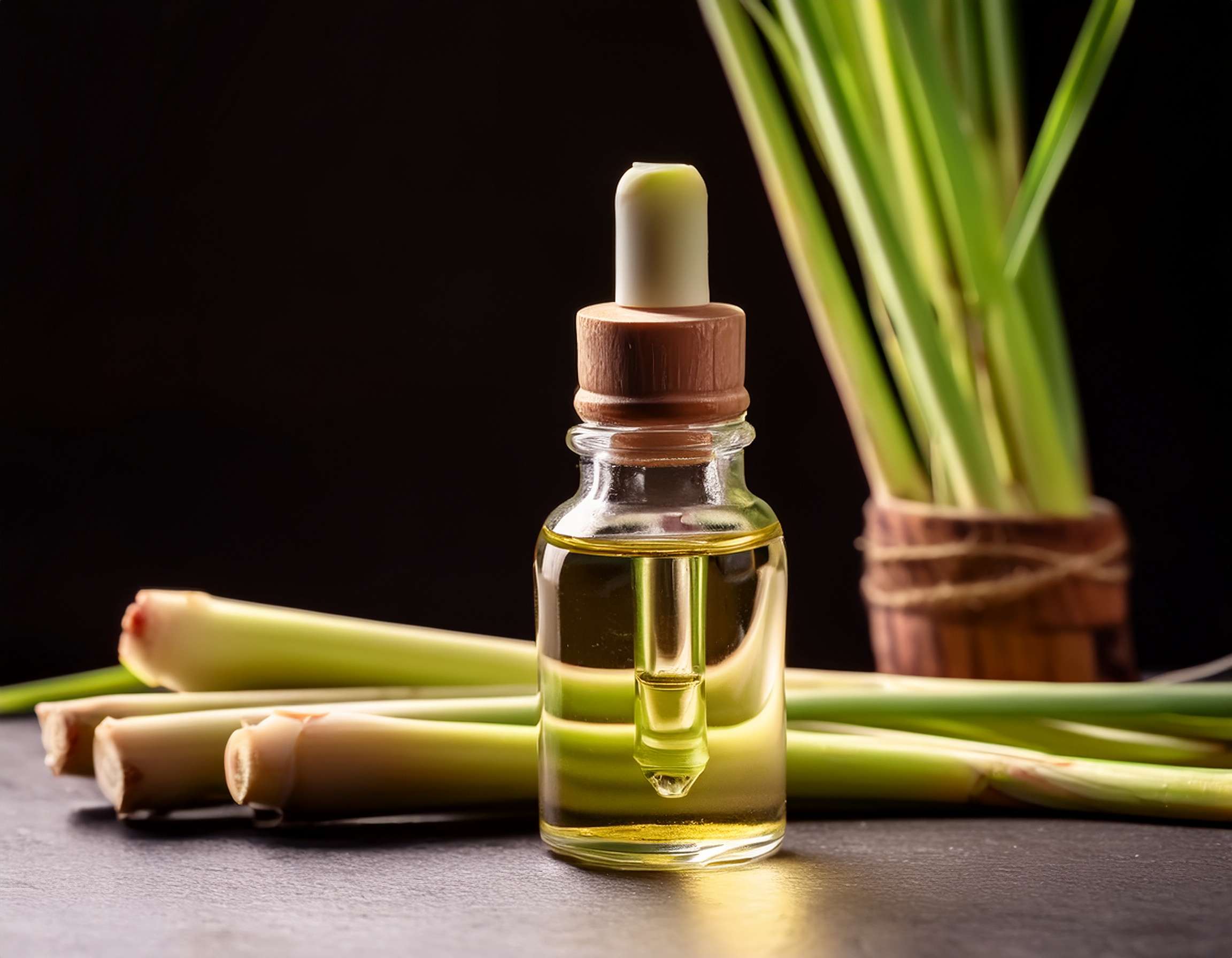
- Lemongrass: Zesty and refreshing, lemongrass is used as a natural deodorizer for a reason. It’s especially good at overpowering persistent odors and works well in areas with poor airflow.
Most of these oils also bring added benefits, like discouraging the growth of odor-causing germs and helping you feel more alert. Try combining a few to create your own clean air essential oil blend for stronger results.
Room-by-Room Odor Solutions
Musty smells don’t hit every area the same way, and your approach should change depending on the room. Here are targeted ways to use essential oils for musty smells and persistent odors, giving each space what it needs to stay fresh.
Bathroom
- Go for a punchy combo like grapefruit and clove.
- Add 3-5 drops of each to a diffuser, or make a spray by mixing 10 drops in a cup of water.
- Grapefruit lifts musty odors from damp towels, while clove helps fight the growth of bathroom mold.
Kitchen
- Use peppermint and lemongrass to tackle cooking smells and musty drain areas.
- Place a cotton ball with a few drops under the sink, or run the diffuser with this blend before and after meals.
- Lemongrass keeps things zesty and takes the sting out of lingering odors from garbage or old food.
Basement
- Choose clove and peppermint for their mold-fighting and deodorizing strengths.
- Diffuse these oils as often as you need, or make a DIY air freshener by placing oil-soaked cotton pads in trouble spots.
- This mix is especially strong against the “old house” smell that never seems to go away in lower levels.
Closets
- Lemongrass or grapefruit alone is subtle and effective for enclosed spaces.
- Tuck a felt pad with a few drops on a shelf or hang a sachet inside.
- Both oils help keep clothes and shoes smelling fresh even if air doesn’t circulate often.
Extra tip: For tailored blends and more advice about air purifying essential oils for allergy season, check out the essential oils for spring allergy relief guide for practical ways to use oils to breathe easier.
Using the right essential oils in each room takes musty smells out of your home, leaving clean, fresh air behind. Keeping these options on hand makes it easy to tackle odors as soon as they start.
Safety Tips and Precautions When Using Air Purifying Essential Oils
Using air purifying essential oils can transform your indoor space, but it’s smart to keep safety at the forefront. Just because these natural oils smell inviting, doesn’t mean they suit every use or household. With a few precautions, you can enjoy the benefits of a clean air essential oil blend while protecting your family, pets, and home environment.
Choose Quality Oils Every Time
Not all essential oils are made equal. High-quality oils from reputable brands deliver the best results and the least risk for irritation or unwanted residues. Check for oils labeled as “100% pure” and ideally, look for batches that have been tested for contaminants. Cheaper alternatives may include fillers or synthetic fragrances that can undermine your air quality goals.
Always Dilute Essential Oils Properly
Undiluted essential oils are highly concentrated and can cause skin, eye, or respiratory irritation. When making sprays or running your diffuser, follow these dilution tips:
- Diffuser use: Stick to 6–8 drops of oil per 200 ml of water unless your device calls for a different amount.
- Air sprays: Blend 10–12 drops in at least 2 ounces of distilled water with a carrier (witch hazel or vodka) for even dispersal.
- Don’t add undiluted oil to surfaces, air vents, or fabrics. Always mix essential oils thoroughly before use.
This simple step cuts down on overpowering scents and keeps reactive substances in check.
Keep Children and Pets Safe
Some essential oils aren’t safe for little ones or animals. Oils like eucalyptus, peppermint, and tea tree (common in air purifying blends) can cause issues for sensitive groups.
- Babies and toddlers: Use extra caution and avoid diffusing strong oils in nurseries or play areas.
- Pets: Cats and dogs react differently to essential oils. Keep diffusers out of reach and leave doors open so pets can leave the room if the scent is too strong.
- General rule: Ventilate after use, and check with your vet or pediatrician about oils that may be risky.
For households with pets or kids, consider patch testing or using safer alternatives such as lavender in lower concentrations.
Watch for Sensitivities and Allergies
Even pure, natural oils can cause skin or breathing irritation in some people. It’s common to notice mild discomfort, especially if you’re new to using air purifying essential oils. If you have allergies, asthma, or extra-sensitive skin, try these precautions:
- Start small: Use fewer drops in a large, well-ventilated room to gauge reactions.
- Patch test: Before making a new air spray, put a diluted drop on your forearm and wait 24 hours to monitor for any reaction.
- Stop right away if you develop sneezing, coughing, headaches, or a skin rash.
These quick checks let you enjoy a clean air essential oil blend with peace of mind.
Safe Storage and Smart Use
Essential oils need protection from sunlight, heat, and curious hands. Keep bottles tightly closed and out of direct light to maintain their effectiveness. Store oils away from pets and children. If spills happen, clean up right away and air out the area.
Using essential oils for musty smells or air cleaning is simple as long as you follow these practical guidelines. Good safety habits help you get the most from each bottle while caring for everyone at home.
Conclusion
Choosing air purifying essential oils is a simple, healthy way to keep your home feeling clean and welcoming. A clean air essential oil blend lets you target musty smells and freshen rooms without harsh ingredients. With easy recipes and good safety habits, you can turn any space into a more comfortable place to breathe.
These small changes can have a big impact on your day-to-day well-being. Start with blends you like, build them into your routine, and soon your home will show the difference. For a fresh twist, try a natural air freshener diffuser blend featuring grapefruit and lavender to boost your routine.
Thanks for reading and exploring these ideas. If you’ve had success cleaning air naturally, share your favorite blends or tips below.
Stay Connected for More Natural Living Inspiration
If you enjoyed this post about herbal wellness and love discovering natural ways to refresh your home and wellness, don’t miss out on future recipes and clean-living tips! Subscribe to the blog for weekly DIYs, wellness inspiration, and herbal remedies delivered straight to your inbox.
Don’t forget to visit my Amazon storefront for the links to my favorite essential oils, herbal teas, and natural recipes. I also create YouTube ambiance videos for sleeping; a channel I created to help people who have trouble sleeping. The link to all social media content is here.
Thanks for coming by!

Leave a Reply