
(DISCLAIMER: I am not a doctor, and you should consult your healthcare professional before starting any health regimen. Product links are commissioned and supports the blog)

Key Takeaways
- Red raspberry leaf tea is made from the leaves of the red raspberry plant, not the berries.
- It tastes mild and earthy, a little like a light black tea without caffeine.
- Many people use it for monthly comfort, general nourishment, and gentle everyday sipping.
- Consistent use may offer potential health benefits.
- If you’re pregnant, managing reproductive health, trying to conceive, or on medication, check in with a qualified professional first.
- Start with a weak cup, then adjust slowly based on how your body responds.
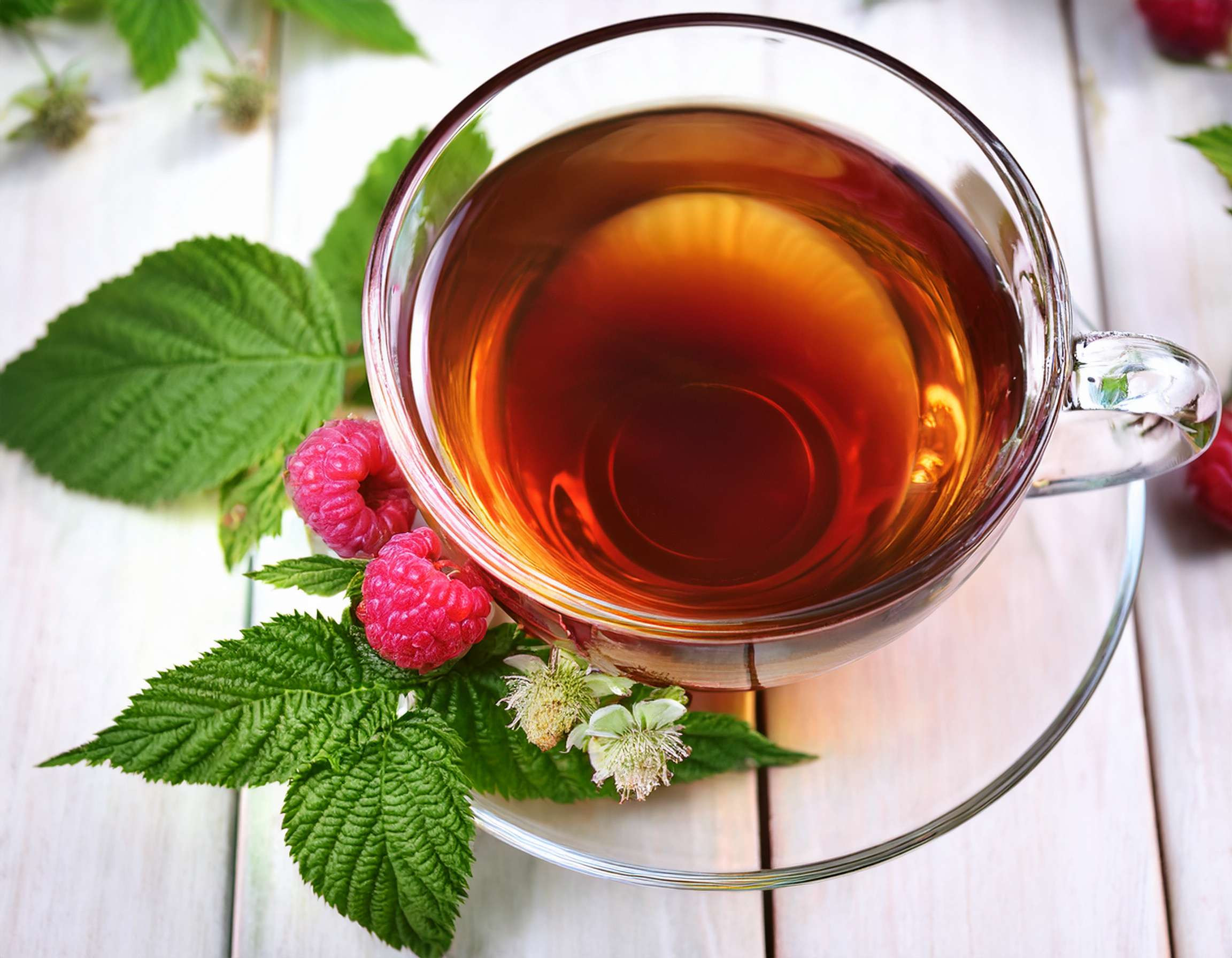
Steam curls off a warm mug of herbal tea, and the air smells softly green, like a garden after rain. Raspberry leaf tea has that kind of comfort, gentle, steady, and familiar once you’ve tried it. People sip it for simple reasons: a caffeine free daily tea, a traditional herb for women’s wellness, or a cozy throat-soothing cup on a quiet night.
Still, herbs aren’t magic, and they aren’t medical care. Think of red raspberry leaf tea as herbal support you can add to your routine, not a replacement for a clinician’s advice, especially if you’re pregnant or taking medications.
Raspberry leaf tea explained, what it is, what it tastes like, and why people drink it
Raspberry leaf tea comes from the dried leaves of the red raspberry plant (Rubus idaeus). It’s an herbal tea, an herbal infusion, which means you steep plant material in hot water and drink the strained liquid. No fancy tools needed, just a kettle and a little patience.
The flavor surprises some people. Raspberry leaf doesn’t taste like raspberry candy or berry jam. Instead, it’s mild, earthy, and slightly grassy. Many tea drinkers say it reminds them of black tea, only lighter and less bitter. Because of that “tea-like” feel, it works well as an afternoon mug when you want comfort without caffeine.
So why do people reach for it? Partly because it has been used for medicinal purposes for centuries in traditional herbal use, especially among those looking for women-centered plant support. Others like it for its simple, grounding vibe. It’s the kind of tea you can drink while folding laundry, journaling, or letting a diffuser hum in the background.
Raspberry leaf also fits into a practical wellness routine because it’s easy to blend. You can keep it plain, or pair it with mint, ginger, or chamomile. It’s flexible, like a neutral sweater you can dress up or down.
None of that means it works the same for everyone. Your body, your stress level, your hydration, and even what you ate that day can change how a tea feels. A steady, moderate approach usually tells you more than a very strong brew taken once.
Red raspberry leaf vs raspberry fruit tea, they’re not the same thing
The names look similar on the shelf, so confusion is common. Raspberry fruit teas often contain dried berries, “natural flavors,” or a blend built for a bright, tart taste. They can be delicious, but they’re not the same as raspberry leaf.
Red raspberry leaf tea uses the leaf, and it drinks more like a classic herb infusion. It’s less fruity, more earthy.
A quick label tip helps: look for “Rubus idaeus leaf” or “organic red raspberry leaf” in the ingredient list. If the front says “raspberry” but the ingredients list mostly shows hibiscus, apple, or flavoring, you’re likely holding a fruit-forward blend instead.
What the leaf contains, in plain English
People often talk about raspberry leaf because of what naturally shows up in the plant. You don’t need a chemistry degree to understand the basics.
- Tannins, including ellagitannins: These can create a slightly “dry” mouthfeel, like strong black tea.
- Antioxidants: These come from the plant compounds and contribute to its traditional uses.
- Plant minerals: Leaves contain small amounts of minerals, though levels vary by source and processing.
- Astringent compounds: This is part of why the tea can feel “tight” or toning to some people.
That’s the simple picture: a mild astringent herb with tea-like tannins and a traditional reputation for steady support.
Benefits people report and what research actually supports
Raspberry leaf tea sits in a space where tradition leads and research is still catching up. Many people report benefits, yet studies are mixed, and not every claim has strong evidence behind it. That doesn’t make the tea useless, it just means expectations should stay realistic.
Common reasons people drink it include monthly comfort, general nourishment, and mild digestive support. Some also use it as a gentle throat tea because warm liquids and tannins can feel soothing when you’re run down. In day-to-day life, sometimes the biggest “benefit” is the ritual itself: a warm mug that helps you slow down, breathe, and choose something kind for your body.
Results also depend on how you use it. A mega-strong brew one day may do less than a moderate cup taken consistently. Many herbs behave that way. They tend to work like a steady drumbeat, not a loud cymbal crash.
If you try raspberry leaf tea, track how you feel for a week or two. Patterns tell the truth faster than hype does.
If digestion support is part of your goal, it helps to view raspberry leaf as one option among many. Peppermint, ginger, and chamomile often show up in digestion-focused blends too. For a broader list of tea ideas, see top herbal teas for digestive relief.
Cycle and cramp support, where raspberry leaf tea got its reputation
Raspberry leaf tea is best known for traditional use related to women’s menstrual cycles. People often describe it as supportive for menstrual comfort, symptoms of premenstrual syndrome, and “uterine tone,” a traditional phrase you’ll hear in herbal circles that refers to its role as a uterine tonic for the uterine muscles.
Here’s the careful truth: evidence is mixed, and more research is needed. Some small studies and long-standing traditional use keep it in the conversation, but it’s not a quick fix, and it won’t feel the same for everyone. Some also use it to support balance during menopause or to support fertility.
Practical expectations help. If it supports you, the effect is usually subtle. Many people notice it most when they drink it regularly, rather than only on the first day of cramps. Even then, you may feel “nothing,” and that can be a normal outcome.
If your periods are severe, suddenly different, or disruptive, use the tea as comfort support while you also talk with a clinician. Pain that stops your life deserves real attention.
Gentle everyday uses, from digestion to a “tight” mouthfeel
Outside of cycle talk, raspberry leaf tea often lands in the “daily mug” category. Some people enjoy it after a heavy meal because it feels steady and settling. Others like it as a caffeine free swap when they want something warm but don’t want jitters.
Tannins explain part of the experience. They can make the tea feel slightly drying on your mouth and throat, similar to black tea. For some, that’s pleasant. For others, it’s a sign to steep for less time.
When it might fit your day:
- After a heavier meal, when you want a simple, warm drink
- As a mid-afternoon caffeine-free cup
- When you want something mild that isn’t sweet
Keep in mind, too-strong tea can bother sensitive stomachs. If you feel queasy, back off on strength, or take a break.
How to brew raspberry leaf tea that tastes good and feels gentle
Red raspberry leaf tea is easy to make, but a few small tweaks can turn it from “meh” to cozy. The main goal is a smooth cup that doesn’t taste dusty or overly drying. Strength matters, especially at the start.
Choose tea bags for convenience, or loose leaf for better flavor control. Either way, use fresh water. Old, repeatedly boiled water can taste flat, and it can make mild herbs seem dull.
If you’re new to this tea, treat the first week like a soft introduction. Start light, then build. Your body will tell you if it likes daily sipping or a few cups per week.
A simple start low approach:
- Start with a lighter steep for the first 2 to 3 cups.
- Notice any stomach upset, headaches, or stronger cramping.
- Increase strength slowly only if you feel good.
Simple brewing method, timing, water temp, and how strong is too strong
Follow these steeping instructions for loose leaf: a common starting point is 1 to 2 teaspoons per 8 ounces of hot water. Steep 8 to 12 minutes. If you want a gentler cup, start at 6 to 8 minutes.
For tea bags, use 1 bag per cup and steep about 7 to 10 minutes.
Cover your mug while it steeps. That traps heat and helps the flavor come through. After steeping, taste it before you decide to go longer. If it feels too drying, shorten the steep next time.
Some herbalists make a stronger infusion by steeping longer. That can be useful for experienced drinkers, but it’s not the best starting point. Stronger isn’t always better, especially if you’re sensitive.
Flavor pairings that make it cozy, without loading it with sugar
Raspberry leaf has a quiet taste, so it plays well with other herbs and spices. These pairings keep things comforting, not cloying:
- Peppermint
- Ginger slices
- Chamomile
- Lemon peel (a small strip goes a long way)
- Cinnamon stick
- Rose petals
- A few hibiscus petals for tartness (use lightly)
- Vanilla (a tiny drop of vanilla extract, if you like)
- Orange peel
- A spoon of honey when your throat feels scratchy
Some people use very mild, cold versions to help with morning sickness, though caution is advised. If you add tart herbs like hibiscus or lots of citrus, watch your teeth sensitivity. Very acidic blends can bother some people, especially when sipped slowly for hours.
For a calming evening ritual, you might also enjoy exploring 10 soothing herbal teas for anxiety and rotating your cups based on the day you’ve had.
Safety, side effects, and who should check with a pro first
Raspberry leaf tea is widely used, yet “natural” doesn’t always mean “simple for everyone.” This is where a little caution builds trust with your body. Most issues come from starting too strong, drinking large amounts quickly, or using it during times when you need personalized guidance.
If you have allergies to plants in the rose family, start with extra care. Also pay attention if you have a sensitive stomach. Tannins can feel drying, and stronger tea may cause nausea in some people.
The biggest safety conversations involve pregnancy, postpartum, medications, and hormone-sensitive conditions. If any of those apply, it’s smart to talk with a qualified clinician, pharmacist, or midwife before making it a daily habit.
Pregnancy and postpartum, the most common reason people ask about it
Many people hear about raspberry leaf tea in pregnancy circles, often connected to late-pregnancy traditions and hopes that it might shorten labor or induce labor. Guidance varies, and that’s the key point. It’s not a one-size answer for pregnancy.
It may help tone the uterus, potentially increasing Braxton Hicks contractions in some, while limited studies hint at support for vaginal birth and reductions in birthing interventions.
Don’t start raspberry leaf tea in pregnancy without input from a qualified clinician or midwives, especially in the first trimester, or with a history of preterm labor or complications.
Postpartum use is also personal, especially during nursing and lactation. Some people like a warm, mineral-rich herbal routine after birth, while others need to avoid certain herbs based on bleeding risk, medications, or recovery needs. Get advice that fits your body and your story.
Possible side effects and interactions to keep on your radar
Side effects tend to be mild, but they can happen. Watch for nausea, loose stools from its laxative properties with excessive consumption, or stronger cramping. Also note the drying effect that can show up as a “tight” mouthfeel.
It’s a good idea to avoid regular use, or get guidance first, if any of these apply:
- You take blood thinners or have a clotting disorder
- You have a hormone-sensitive condition
- You’re scheduled for surgery
- You manage a chronic illness and take daily medications
- You want to give it to children
Your simplest rule is also the best one: if you feel worse after drinking it, stop and reassess. You can always return to a lighter brew later, or choose a different herb that fits you better.
Conclusion
Red raspberry leaf tea is the kind of herbal comfort that fits in your hands, warm mug, soft scent, and a steady, earthy taste. For many people, it’s a pleasant caffeine-free tea that may support monthly comfort and everyday wellness routines, especially when used gently and consistently. At the same time, pregnancy, medications, and certain health conditions call for extra care.
If you want to try it, start with a light brew for a week. Pay attention to your body, then adjust strength slowly. The goal is a cup that supports you, not one you force. In the end, herbs can be wonderful companions in women’s wellness, offering health benefits but not replacing personalized care when you need it.
Stay Connected for More Natural Living Inspiration
If you enjoyed this post about herbal wellness and love discovering natural ways to refresh your home and wellness, don’t miss out on future recipes and clean-living tips! Subscribe to the blog for weekly DIYs, wellness inspiration, and herbal remedies delivered straight to your inbox.
Don’t forget to visit my LinkTree for the links to my favorite essential oils, herbal teas, natural recipes, YouTube ambiance videos for sleeping; a project I created to help with insomnia symptoms and the second channel, Rooted in Nature YouTube Channel both channels feature herbal recipes for wellness and home.
Thanks for coming by!


Leave a Reply