
(DISCLAIMER: I am not a doctor, and you should consult your healthcare professional before starting any health regimen.)

Calendula essential oil is popping up everywhere in natural wellness routines, and for good reason. Known for its gentle yet powerful healing properties, this oil has a long history of use for skin health and everyday wellness. People are now reaching for calendula oil to support everything from soothing sensitive skin to easing minor irritations.
In this post, you’ll learn about the true health benefits of calendula essential oil, what it is good for, and exactly how you can use it in your home. Expect clear guidance on the uses of calendula essential oil, the healing properties science supports, and why adding it to your self-care lineup might be worth it. We’ll look at practical ways to tap into its wellness benefits and what makes it stand out from the crowd.
What is Calendula Essential Oil?
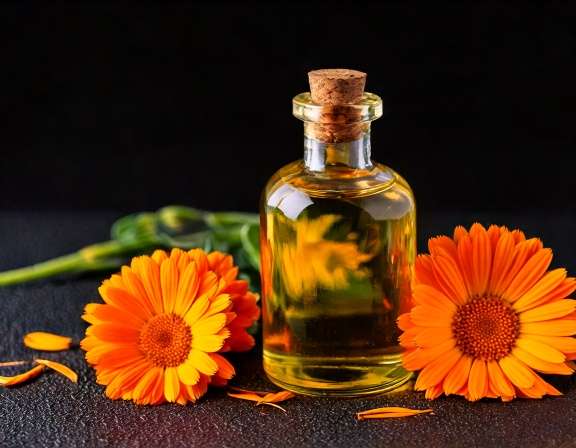
Calendula essential oil comes from the vibrant petals of the calendula (Calendula officinalis), a flower often called pot marigold. This oil is a staple in herbal remedies and natural skin care, loved for its soothing, nurturing effects. The secret behind calendula’s rising popularity lies in its gentle touch combined with impressive healing power, making it a go-to for anyone seeking easy, effective ways to care for their skin and overall well-being.
When people mention “calendula essential oil,” they might be referring to two types of extracts. One is a pure essential oil through steam distillation, which is rare. The other, more common one, is an infusion where calendula petals steep in a carrier oil like olive or jojoba. Both offer the signature calendula oil healing properties, though the infused oil is easier to find and use at home.
The Origin and Characteristics
Calendula’s golden petals aren’t just pretty to look at. For centuries, healers have turned to this plant as a gentle solution for everyday irritations. The oil itself carries a slightly sweet, earthy aroma and a light orange or yellow color, thanks to the flower’s natural pigments. It’s suitable even for people with sensitive skin, adding another layer to the health benefits of calendula essential oil.
Extraction Methods
- Steam Distillation: This slow, careful process produces a potent essential oil. However, true calendula essential oil made this way is rare and costly, since it requires a lot of fresh flowers.
- Oil Infusion: Far more common and budget-friendly, infused calendula oil combines dried calendula petals with plant-based oils. The flowers soak for days to weeks, allowing the oil to absorb their skin-soothing compounds.
Key Compounds and Their Benefits
Calendula essential oil draws its power from a mix of natural plant compounds, each offering unique effects:
- Flavonoids: Natural antioxidants that help protect and restore stressed or damaged skin.
- Triterpenoids: These compounds provide a calming, anti-inflammatory effect, helpful for red or irritated patches.
- Carotenoids: These natural colorants from the flower give calendula its signature hue and may boost the skin’s natural defenses.
With these elements working together, calendula oil’s benefits range from soothing inflammation to supporting natural healing in the skin. If you want to explore more essential oils that offer similar calming effects, you might enjoy reading about the Top Essential Oils for Allergy Relief.
Traditional and Modern Uses
People reach for calendula oil for many everyday problems, tapping into both ancient wisdom and modern science. The oil’s gentle, loving touch makes it a star in:
- Skin care routines (especially for dry, cracked, or sensitive skin)
- Home remedies for minor cuts, scrapes, and bug bites
- Wellness blends and aromatherapy mixes for calming stressed skin or moods
By learning about the uses of calendula essential oil and what does calendula oil do, you set the stage for natural self-care that’s simple, kind, and rooted in the healing power of flowers.
Key Health Benefits of Calendula Essential Oil
Calendula essential oil is all about supporting your body’s daily wellness, inside and out. Whether you want fewer skin problems, faster healing, or less itching from the environment, calendula oil delivers steady, reliable help. Let’s look at exactly what makes calendula oil such a favorite in natural care routines.
Calendula Oil Healing Properties
Calendula essential oil naturally calms, protects, and restores your skin. If you’ve ever struggled with dry skin, eczema, or constant irritation, you know how tough it can be to find gentle relief that actually works. Calendula oil shines here because it moisturizes and helps the skin feel less tight or itchy, all without harsh chemicals.
People use calendula oil for a range of everyday skin discomforts:
- Dry, chapped skin: Calendula oil hydrates while soothing any tightness or flaking.
- Eczema and rashes: Its mild nature makes it safe for repeated use on delicate or reactive skin.
- Minor irritations from friction or the environment: The oil supports your skin’s natural barrier, helping you bounce back from redness or rough spots.
Calendula’s skin-soothing power comes in handy for people prone to seasonal or environmental allergies. By calming redness and itch, this oil can be an easy add-on to natural wellness blends. Interested in more natural approaches to allergy relief? Check out these tips for Natural Allergy Remedies with Essential Oils.
Anti-Inflammatory and Antimicrobial Features
One of the top calendula essential oil benefits is its built-in defense against inflammation and germs. Tiny scrapes, minor burns, bug bites, and even the odd kitchen mishap can leave skin red, swollen, or at risk for infection. Calendula oil is rich in compounds that help cool inflammation and keep out unwanted bacteria.
Here’s how it works:
- Soothes swelling and redness: Calendula oil calms the skin, taking the sting out of irritated patches almost right away.
- Protects against bacteria: Its gentle antimicrobial properties mean fewer worries about minor wounds getting worse.
- Gentle, not harsh: Many over-the-counter creams use strong chemicals, but calendula oil delivers support in a way that’s less likely to cause stinging or more irritation.
Apply calendula oil directly (once diluted in a safe carrier oil) for daily comfort and faster recovery.
Supports Skin Regeneration
If you want healthy, fresh-looking skin, calendula oil should be at the top of your toolkit. It isn’t just for quick fixes, regular use can help your skin recover from scars and fade those annoying blemishes that seem to last forever.
The benefits of using calendula oil for skin regeneration include:
- Faster cell turnover: Calendula oil encourages your skin to heal itself, bringing new skin cells to the surface.
- Less notice for scars and marks: Over time, using calendula oil can help minimize the look of old scars or spots left behind from irritations or pimples.
- Even tone: When skin repairs itself more efficiently, your complexion looks brighter and more even.
What does calendula oil do at its core? It supports your body’s own efforts to recover, protect, and maintain vibrant, comfortable skin. These benefits make calendula oil a reliable, everyday essential for anyone who cares about natural skin health.
Common Uses of Calendula Essential Oil
Calendula essential oil is a workhorse in holistic skin care and natural wellness routines. Its gentle properties make it one of the friendliest choices for almost anyone, whether you want to moisturize, soothe, calm your mind, or create a simple DIY remedy at home. Here’s how people commonly put calendula oil to use, and what you need to know to get the most out of these calendula essential oil benefits.
Topical Applications for Skin Health
Calendula oil shows up in all kinds of topical products, from balms and creams to first-aid ointments. Its soothing power stands out, especially for people with sensitive or easily irritated skin. Rub a bit of calendula oil-infused balm onto dry patches, chapped lips, or minor scratches and feel the difference. The oil’s innate ability to lock in moisture means skin stays softer and feels more comfortable, even if you wash your hands often or live in a dry climate.
Many trust calendula oil to ease eczema, diaper rash, or even the redness after hair removal. You’ll find it’s a great first step for protecting and supporting your skin barrier without harsh chemicals or overpowering scents. To use calendula oil topically:
- Always mix the oil with a carrier (like almond or jojoba oil) at a safe ratio, especially if you’re new to natural oils.
- Do a patch test on your inner arm before covering large areas of skin.
- Keep away from open wounds or deep cuts, since calendula oil is best for minor scrapes and everyday irritation.
Add a calendula cream to your daily routine for those times your skin feels stressed, dry, or in need of extra care.
Aromatherapy and Relaxation
Calendula essential oil isn’t just for your skin. Many include it in their aromatherapy kit for its calming, sweet scent. It pairs well with other gentle oils, like lavender or chamomile, to create a blend that melts stress away, helps you unwind, or encourages a restful night.
Adding a few drops of calendula oil to a diffuser can fill your space with a light, comforting aroma. This subtle scent may help support emotional wellness, providing a sense of calm after busy or anxious days. Massage therapists also rely on calendula oil (diluted, of course) when working with clients who want a relaxing, skin-loving massage.
Popular ways to enjoy calendula oil in aromatherapy include:
- Mixing with other calming oils in a diffuser for easier relaxation at home.
- Creating a massage oil blend for sore muscles or tension.
- Adding a drop or two to bathwater for an all-around soothing experience.
Even a few minutes of inhaling the gentle aroma can transform a cramped or tense moment into a small act of self-care.
Incorporating Calendula Oil in DIY Remedies
You don’t need to buy expensive blends or specialty products to enjoy the benefits of using calendula oil at home. With a small bottle and a few basic ingredients, you can whip up simple, effective remedies that support your everyday routine.
If you love making your own products, try these easy ideas:
- Lip Balm: Melt beeswax and coconut oil together, then add calendula oil for a soothing, protective balm that keeps lips hydrated.
- Healing Salve: Combine calendula oil with shea butter and a few drops of lavender oil for a homemade salve, perfect for dry skin or those rough spots on elbows and knees.
- Bath Blend: Mix a few drops of calendula oil into Epsom salt before adding to your bath. The combination can help soothe, hydrate, and leave your skin feeling smoother.
These simple recipes are proof that the uses of calendula essential oil go far beyond store-bought solutions. Explore creative ways to make this botanical oil a regular part of your wellness rituals, and enjoy the gentle yet noticeable calendula oil wellness benefits every day.
Is Calendula Essential Oil Safe? Precautions and Best Practices
Before you dive into the many calendula essential oil benefits, it’s smart to know about safety rules and sensible use. This oil is gentle by nature, but like any plant remedy, it calls for care and some commonsense steps, especially if you have sensitive skin, allergies, or other health concerns. Making informed choices keeps your natural wellness routine safe and comfortable.
Who Should Use Calendula Essential Oil With Care?
Calendula oil’s natural soothing properties are a main reason people reach for it. But a few groups need to take extra care:
- People with ragweed allergies: Calendula belongs to the same plant family as ragweed and daisies. If you’re allergic to those plants, do a patch test or talk to your doctor before using calendula oil.
- Pregnant or breastfeeding women: There’s not enough solid research showing calendula oil is completely safe during pregnancy or when nursing. It’s wise to check with your healthcare provider first, even if the oil is for topical use.
- Infants or young children: The skin on young kids is much more sensitive and can react strongly. If using calendula oil, always start with a very small patch test and consider using a highly diluted formula.
Patch Testing and Dilution Guidelines
It’s easy to get excited about all the uses of calendula essential oil, but patch testing is your first line of defense against unwanted rashes or discomfort. Here’s how to keep things safe:
- Mix with a carrier oil (such as almond, jojoba, or coconut oil). Start with just a few drops of calendula oil in a tablespoon of carrier oil, which creates a safe dilution for most adults.
- Apply a small amount inside your elbow or wrist. Cover and leave it on for 24 hours.
- Watch for redness, itching, or bumps. If you notice any irritation, skip the product or try again with a lower concentration.
Most people can safely enjoy calendula oil when following these basic steps.
Common Reactions and When to Avoid Calendula Oil
Calendula essential oil is usually gentle, but possible reactions can show up in rare cases. Some people might see:
- Mild irritation or rash (often from using pure oil undiluted)
- Redness or swelling when allergic to the marigold family
- Unwanted interaction with certain medications, especially sedatives or blood pressure medicine
If you notice any trouble or reaction, wash the area with mild soap and water. When in doubt, ask your healthcare provider for advice before going back to using calendula oil.
Best Practices for Safe and Happy Use
To make the most of calendula oil healing properties and calendula oil wellness benefits, stick to these straightforward tips:
- Always dilute: Use a carrier oil. Undiluted essential oils can be too strong for direct skin contact.
- Avoid eyes, mouth, and open wounds: Even a gentle oil like calendula isn’t for internal use or deep cuts.
- Store in a cool, dark place: Keep your oil fresh and potent by protecting it from light and heat.
- Check expiration dates: Old oils lose their power and might irritate your skin.
Using calendula essential oil responsibly means you get all its natural perks while dodging risks. Stay mindful and your skin, mood, and overall wellness routine can thrive.
Do you enjoy learning these kinds of safety tips and practical details about natural remedies? Keep reading for even more hands-on advice and ways to use calendula oil every day.
How to Choose and Store Calendula Essential Oil
Finding the right calendula essential oil for your needs can make all the difference when it comes to skin care or natural remedies. Just like picking ripe fruit from the store, you want a product that’s fresh, potent, and safe to use. Once you’ve made your pick, storing it right keeps those calendula oil healing properties working for you week after week.
What to Look for When Buying Calendula Essential Oil
There are a lot of choices out there, but quality matters. Not all calendula oils are created equal, and choosing wisely helps you get those proven health benefits of calendula essential oil.
Look for these signs of a top-notch oil:
- Type: Decide if you want pure calendula essential oil (rare and pricey) or an infused oil (more common). Infused oils offer most calendula oil wellness benefits and are great for daily routines.
- Ingredients: Check the label. The only ingredients should be calendula flowers and a reputable carrier oil such as jojoba, olive, or sunflower oil.
- Color and Scent: Fresh calendula oil usually has a golden-yellow hue and a mild, earthy, floral aroma. If it smells sharp or looks cloudy, steer clear.
- Packaging: For best results, top-quality oil comes in dark glass bottles. This protects the oil from sunlight, which can weaken its benefits.
- Certifications: If possible, choose products labeled organic and cold-pressed. These choices help make sure you’re using an oil with strong calendula oil therapeutic uses and fewer unwanted residues.
Tips for Storing Calendula Essential Oil
Once you have a good bottle, store it right to keep its healing power. Calendula oil is like good olive oil, it needs a little extra care to stay fresh and effective.
Follow these easy tips:
- Keep Out of Direct Sunlight: Store your bottle in a cool, dark place, like a cabinet or drawer. Sunlight can break down the oil’s healthy compounds and fade its color.
- Mind the Heat: Room temperature is ideal. Avoid spots near radiators, ovens, or sunny windows.
- Seal Tightly: Always close the lid securely after each use. Oils exposed to air go bad faster and lose their soothing touch.
- Watch the Date: Most oils last 12 to 24 months if stored well. Write the date you opened it on the label to remind yourself when it’s time to replace.
How to Tell if Your Oil Has Gone Bad
It’s easy to miss when natural oils lose their strength. But old or spoiled calendula oil won’t give you all those benefits of using calendula oil. Here’s how to check:
- Smell: If the oil smells sour, rancid, or different from when you first opened it, it’s time for a new bottle.
- Color: Changes from bright gold to a dull brown or cloudy appearance mean it’s losing its punch.
- Texture: Sticky, thick, or separated layers hint the oil is past its prime.
If your oil looks or smells off, play it safe and get a fresh bottle. Using only fresh calendula oil preserves its gentle support for skin health and gives you confidence in your wellness routine.
Choosing and keeping your calendula essential oil in tip-top shape isn’t complicated. With these steps, you’ll enjoy the full spectrum of calendula oil healing properties and keep your self-care routine simple and effective.
Conclusion
Calendula essential oil stands out as a gentle, reliable, and effective choice for everyday wellness and natural self-care. Its benefits reach deep into skin health, soothing irritation, and supporting the body’s natural repair process, all while being mild enough for sensitive users. Adding calendula oil to your routine can offer valuable skin support, whether you’re treating dry spots, minor cuts, or looking for calm in your aromatherapy practice.
Remember to use calendula oil responsibly, always dilute it well, and pay attention to safety guidelines for the best results. By making informed choices, you get the most from calendula oil healing properties without any hassle.
Thanks for spending time to learn about what calendula essential oil is good for and how it can fit into your daily care. If you enjoy practical tips on natural wellness, keep exploring new ways to support your health with safe, proven plant-based solutions. Your thoughts and experiences enrich this learning community, so feel free to share how calendula oil benefits you or ask questions in the comments.
Stay Connected for More Natural Living Inspiration
If you enjoyed this post about herbal wellness and love discovering natural ways to refresh your home and wellness, don’t miss out on future recipes and clean-living tips! Subscribe to the blog for weekly DIYs, wellness inspiration, and herbal remedies delivered straight to your inbox.
Don’t forget to visit my LinkTree for the links to my favorite essential oils, herbal teas, natural recipes, YouTube ambiance videos for sleeping; a project I created to help with insomnia symptoms and the second channel, Rooted in Nature YouTube Channel both channels feature herbal recipes for wellness and home.
Thanks for coming by!

Leave a Reply