
(DISCLAIMER: I am not a doctor, and you should consult your healthcare professional before starting any health regimen. Some links are commissioned and supports the blog)

Key Takeaways
- Neroli oil comes from the blossoms of the bitter orange tree and has a sweet, citrus-floral scent that supports mood and relaxation.
- The main benefits of neroli oil include stress relief, skin rejuvenation, better sleep, gentle digestive support, and antioxidant protection.
- Simple neroli oil uses include adding it to facial oils, serums, and body oils, or diffusing it before bed.
- Dilution, patch testing, and careful use during pregnancy and health conditions keep neroli oil advantages safe and effective.
Soft orange blossoms, a hint of honey, and a calm mind in a bottle. No wonder neroli oil has become a favorite in wellness and beauty circles. People use it to ease tension, brighten skin, and sleep more deeply, all with a scent that feels both fresh and comforting.
If you have wondered what the real neroli essential oil benefits are, or how to use it without wasting a precious drop, you are in the right place. This guide walks through what neroli oil is, what is neroli oil good for, the top health and skin benefits, simple ways to use it, and how to stay safe.
Grab your bottle if you have one nearby. You might want to try some of these ideas as you read.
What Is Neroli Essential Oil?
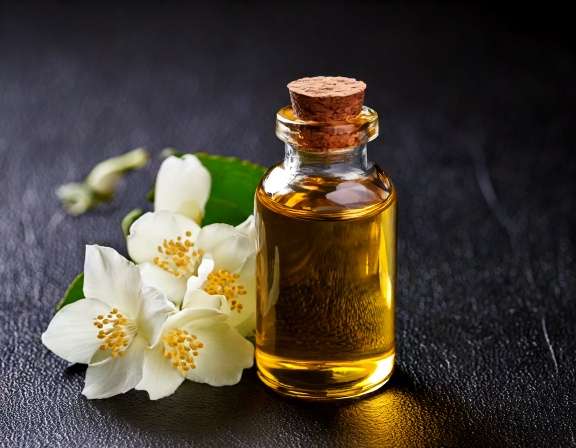
Neroli essential oil comes from the fragrant white blossoms of the bitter orange tree, also called Citrus aurantium. The flowers are steam distilled, which means hot steam passes through the petals to pull out the aromatic compounds. The result is a light, golden oil with a soft, sweet, citrusy scent.
Perfumers have loved neroli for centuries. It shows up in classic colognes and floral blends because it adds a bright, elegant top note that still feels gentle. In aromatherapy, neroli is known for its calming, heart-soothing qualities and its skin-friendly nature.
People often ask, what is neroli oil good for? In short, it supports the nervous system, helps balance the mood, pampers the skin, and adds a touch of luxury to everyday routines.
Botanical Source and Production
The blossoms used for neroli oil are usually handpicked in spring, when the flowers are fully open and rich in aroma. These trees grow in warm regions such as the Mediterranean, North Africa, and parts of Asia.
Neroli is considered a premium oil for a simple reason. It takes a large number of tiny blossoms to produce a small amount of essential oil. The yield is low, the harvest season is short, and the work is careful and slow. Many growers now use more sustainable farming methods, such as reduced pesticides and mindful water use, to protect both the trees and the soil.
All of this time, labor, and gentle handling adds to the cost and the special feel of neroli oil.
Chemical Composition and Aroma Profile
Neroli contains several key aromatic compounds, mostly terpenes, that give it both its scent and its wellness benefits. The main ones are:
- Linalool, linked with calming and relaxing effects
- Limonene, a bright, citrus component often associated with uplifting the mood
- Linalyl acetate, which can help ease tension and support skin comfort
Together, these molecules create a complex aroma that is sweet, floral, and slightly green, with a light citrus sparkle. Many people find that just a few deep breaths of neroli soften racing thoughts and lighten a heavy mood. That soft mood-lifting effect is one of the best-known neroli essential oil benefits.
Top Health Benefits of Neroli Essential Oil
The most talked about benefits of neroli oil center on the nervous system, skin, digestion, sleep, and immunity. These uses of neroli essential oil are backed by traditional practice and growing research.
Stress Relief and Mood Enhancement
Neroli is often called a comfort oil. Inhalation, such as through a diffuser or a personal inhaler, can help the body shift out of “fight or flight” and back into a calmer state.
Studies suggest that breathing in neroli may:
- Lower cortisol levels, which are linked with chronic stress
- Reduce feelings of anxiety and restlessness
- Support mental focus by easing emotional noise
For daily use, add a few drops to your diffuser, or place one drop on a cotton pad and keep it near your workspace. Slow, deep breaths make these neroli oil uses even more powerful.
Skin Rejuvenation and Anti-Aging
Neroli is gentle, which makes it a lovely choice for many skin types, including dry and mature skin. It is often used to:
- Support cell renewal and a smoother skin surface
- Improve elasticity so skin looks more supple
- Soften the look of scars, marks, and old blemishes
Many people notice their skin looks more even and “awake” after a few weeks of using a neroli-infused serum. This is one of the most popular neroli essential oil benefits, especially for those who want a plant-based boost in their skincare.
Digestive Support and Gut Health
Neroli oil has a long history in folk remedies for the stomach. While you should not ingest essential oils without guidance from a trained professional, you can still support digestion through topical and aromatic use.
Gentle abdominal massage with a well diluted blend can:
- Ease cramping and gas
- Encourage natural movement of the intestines
- Help the body relax, which often improves digestion on its own
A calm nervous system and a calm gut often go together. This connection is one reason neroli is valued both for mood and gut comfort.
Improved Sleep Quality
If your mind races at night, neroli might become a bedtime favorite. Diffusing neroli in the hour before sleep or applying a diluted blend to the pulse points can help signal to your body that it is time to rest.
The aroma appears to work with the nervous system to:
- Promote deeper, more stable sleep
- Support healthy melatonin rhythms
- Reduce night-time tension that keeps you awake
Try pairing neroli with lavender or Roman chamomile in the diffuser for a soft, dreamy blend.
Immune System Boost
Neroli also offers antioxidant support. Its components help protect cells from oxidative stress, which is tied to aging and weaker defenses over time.
While neroli is no quick fix for illness, regular use may:
- Support the body’s natural repair processes
- Help skin recover from daily exposure to pollution and sun
- Work as part of a balanced, wellness-focused routine
This is one of the quieter neroli oil advantages, but it still matters for long-term health.
Skincare Applications and How to Use Neroli Oil
Now that you know the main uses of neroli essential oil, it helps to see how they fit into real routines. Neroli shines in facial care, body oils, and simple home recipes.
Daily Facial Routine
For facial care, keep the dilution low. Neroli is strong, even though it smells gentle.
Try this simple method:
- Start with clean, slightly damp skin.
- Add 2 to 3 drops of neroli essential oil to 1 tablespoon of a carrier oil, such as jojoba, argan, or sweet almond.
- Rub your hands together and press the oil blend into your face, neck, and chest.
Use this at night for a dewy, rested look in the morning.
Moisturizer and Serum Blends
You can also upgrade your usual moisturizer or serum with neroli. Here is a quick recipe:
- 1 tablespoon jojoba oil
- 4 drops neroli essential oil
- 2 drops rosehip seed oil
Mix in a small glass bottle and shake before each use. This blend helps lock in moisture, calms redness, and supports a more even skin tone. It works well for dry or combination skin, especially in cooler months.
Body Care and Massage
For body care, you can use a slightly stronger dilution. A 5 percent blend is common for short-term use on the body.
Combine:
- 2 tablespoons carrier oil (such as sweet almond, grapeseed, or coconut)
- 15 drops neroli essential oil
Use this as a massage oil over tight shoulders, legs, or the lower back. It relaxes both muscles and mood, and over time it may improve the feel and look of your skin.
Safe Usage Guidelines and Precautions
Safe use helps you enjoy all the neroli oil advantages without irritation or side effects.
Keep these points in mind:
- For facial blends, stick to a 1 to 2 percent dilution, about 1 to 2 drops of essential oil per teaspoon of carrier oil.
- For body use, stay near 3 to 5 percent for short-term massage.
- Always patch test. Apply a small amount of your blend to the inner forearm and wait 24 hours to watch for redness or itching.
People who are pregnant, nursing, have epilepsy, or have serious health conditions should talk with a qualified practitioner before using neroli oil. Avoid getting it in your eyes or mucous membranes, and keep it out of reach of children and pets.
Store neroli essential oil in a dark glass bottle, in a cool, dry place. This helps preserve its scent and beneficial compounds.
Conclusion
Neroli may be a tiny flower, but its impact on well-being is steady and deep. You have seen how neroli essential oil benefits touch the mind, skin, gut, sleep, and even long-term antioxidant support.
Start small. Add a few drops to your nighttime facial oil, your diffuser during a stressful day, or a simple massage blend. Notice how your body and mood respond, then build from there.
If you already use neroli, what has surprised you most about this fragrant oil? Share your experience or favorite blend ideas in the comments so others can learn from you too.
Stay Connected for More Natural Living Inspiration
If you enjoyed this post about herbal wellness and love discovering natural ways to refresh your home and wellness, don’t miss out on future recipes and clean-living tips! Subscribe to the blog for weekly DIYs, wellness inspiration, and herbal remedies delivered straight to your inbox.
Don’t forget to visit my Amazon storefront for the links to my favorite essential oils, herbal teas, and natural recipes. I also create YouTube ambiance videos for sleeping; a channel I created to help people who have trouble sleeping. The link to all social media content is here.
Thanks for coming by!

Leave a Reply