
(DISCLAIMER: I am not a doctor, and you should consult your healthcare professional before starting any health regimen.)

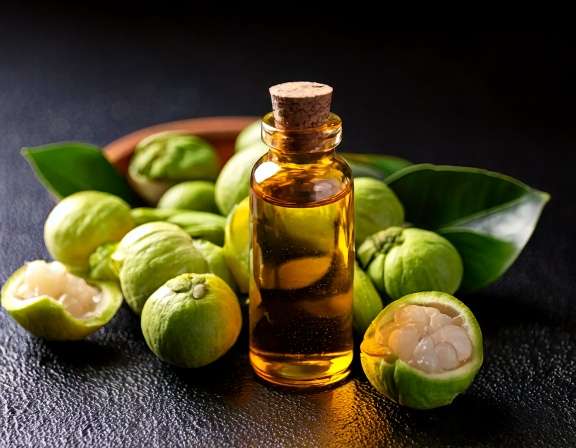
After a long walk or hard workout, warm oil across tired shoulders can feel like a soft reset. Copaiba essential oil adds a gentle, woody aroma to that ritual, while the carrier oil helps your hands glide over the skin.
Because essential oils are concentrated, the ratio matters more than adding extra drops. Research on copaiba essential oil is also more limited than research on copaiba oleoresin, so a massage blend should support comfort and relaxation, not promise to treat pain or a medical condition. You’ll find practical dilution ratios, carrier oil comparisons, and three simple adult massage blends below.
Key Takeaways for Using Copaiba Essential Oil in Massage
- Start with about 1% dilution if you have sensitive skin or are using copaiba for the first time.
- A 2% dilution suits many healthy adults for occasional body massage.
- Use roughly 6 drops per 1 fluid ounce of carrier oil at 1%, or 12 drops at 2%.
- Drop sizes vary, so a scale or the product maker’s instructions offer more precision.
- Jojoba, sweet almond, fractionated coconut, and grapeseed oils each create a different skin feel.
- Patch test first, avoid eyes and damaged skin, and stop if irritation develops.
How to Choose a Massage Dilution Ratio That Fits Your Skin
Dilution describes how much essential oil you mix into a carrier oil. The carrier makes up most of the blend, spreads copaiba across the skin, and lowers the chance of irritation.
Your ideal ratio depends on the amount of oil, the body area, and your experience. A small shoulder application can use a different amount than a full-body massage. Stronger also isn’t automatically better. A higher concentration may smell heavier and increase the chance of a skin reaction.
For facial or sensitive-skin applications, stay around 0.5% to 1%. Beginners and people who massage often should usually begin at 1%. Healthy adults may tolerate up to 2% for occasional body massage after a patch test. Don’t apply copaiba essential oil undiluted.
These drop counts are estimates because droppers, oil thickness, and bottle openings differ.
| Carrier oil | Approximately 1% | Approximately 2% |
|---|---|---|
| 1 tablespoon, 15 mL | 3 drops | 6 drops |
| 2 tablespoons, 30 mL | 6 drops | 12 drops |
| 1 fluid ounce, 30 mL | 6 drops | 12 drops |
If a blend feels too strong, add more carrier oil rather than removing drops. For example, adding another ounce of carrier oil to a 1-ounce, 2% blend reduces the overall strength to about 1%.
A Quick Copaiba Essential Oil Dilution Guide
For a 1% blend, use about 3 drops per tablespoon of carrier oil. A 2% blend uses about 6 drops per tablespoon. At the 1-fluid-ounce size, the comparable amounts are about 6 drops for 1% and 12 drops for 2%.
Treat these figures as practical estimates, not laboratory measurements. A qualified aromatherapist or massage therapist may adjust a blend based on the client, body area, and intended use. Children, older adults, pregnant people, and anyone with a medical condition need individualized professional guidance before topical use.
When a Lower or Higher Dilution Makes Sense
A lower dilution fits first-time use, reactive skin, facial massage, large treatment areas, and frequent applications. It also makes sense when you want copaiba’s aroma without making the blend the focus of the massage.
A moderate 2% body blend may suit a healthy adult using it occasionally on the shoulders, legs, hands, or feet. Use it only after a clear patch test and keep the application away from broken skin.
Higher concentrations shouldn’t be your default. Professional guidance is more appropriate when someone wants a concentrated blend or has a complex health history. A pleasant massage oil can support a relaxing routine, but it isn’t a treatment for chronic pain, arthritis, eczema, or an injury. Persistent, severe, hot, swollen, numb, or sharply painful symptoms deserve medical care.
Which Carrier Oils Pair Best With Copaiba for Massage?
Carrier oil affects the blend’s texture, absorption, scent, and glide. Since it makes up nearly all of the bottle, choose it before choosing extra essential oils.
Jojoba oil feels light and resembles the skin’s natural oils. It has a mild scent and keeps well, which makes it a useful choice for many skin types and smaller batches.
Sweet almond oil creates a smooth, traditional massage feel. Its glide works well for hands, feet, and flowing body massage. People with relevant nut allergies should avoid it unless a qualified professional confirms that a particular product is safe.
Fractionated coconut oil stays liquid, feels clean and non-greasy, and has little scent. It lets copaiba’s soft woody note remain noticeable without adding much aroma of its own.
Grapeseed oil feels thin and light, with less drag than richer oils. It suits people who dislike a heavy finish, though fresh grapeseed oil needs careful storage because it can spoil more quickly than some stable options.
Avocado and olive oils create a richer blend for very dry skin. Their stronger color or scent may change the final product, especially when paired with copaiba. Check labels, buy fresh oils, and store every blend in a cool, dark place. If you need basic mixing guidance, this essential oil mixing guide for beginners covers carrier selection and topical blending.
Match the Carrier Oil to the Massage You Want
Choose jojoba or fractionated coconut for a light shoulder or hand massage. Sweet almond or grapeseed gives flowing full-body work enough slip for longer strokes.
For a slower massage on very dry hands or feet, avocado or olive oil feels more substantial. You can also pair copaiba with a small amount of lavender, frankincense, sweet orange, or ginger for a different aroma. Count every essential oil drop toward the same total dilution. Adding several oils doesn’t make a blend safer or more effective.
Three Easy Copaiba Massage Blends to Make at Home
Make small batches, label each bottle with the date, and patch test before a full massage. These recipes are adult topical blends at approximately 1% to 2% dilution. You can find more ideas in these DIY copaiba oil massage blends, but always check the ratio before using a recipe.
A Gentle Copaiba and Jojoba Shoulder Blend
This light blend suits beginners and sensitive skin.
INGREDIENTS
- 1 fluid ounce jojoba oil
- 6 total essential oil drops, using 6 drops copaiba, or 5 drops copaiba plus 1 drop lavender, or 4 drops copaiba plus 2 drops lavender
Add the jojoba oil to a clean, dry 1-ounce bottle. Add the essential oil drops, close the bottle, and roll it gently between your palms to combine. Apply a small amount to the shoulders and upper back, then use slow circular strokes with comfortable pressure. Keep the blend away from broken, irritated, or freshly shaved skin.
A Post-Workout Copaiba and Fractionated Coconut Blend
This 2% blend is intended for a comforting massage after normal activity.
INGREDIENTS
- 1 fluid ounce fractionated coconut oil
- 12 total essential oil drops, such as 9 drops copaiba plus 3 drops lavender or ginger
Pour the carrier oil into a clean bottle, add the essential oils, and swirl gently. After a patch test, use a small amount on the legs, arms, or feet. Massage around tired areas, but avoid swelling, bruising, open wounds, or any spot with sharp pain. Stop if the skin feels hot, itchy, or uncomfortable.
A Rich Copaiba and Sweet Almond Hand and Foot Blend
This smaller blend provides a richer feel for dry hands or feet.
INGREDIENTS
- 1 tablespoon sweet almond oil
- 3 to 6 drops copaiba essential oil
Sweet almond oil isn’t appropriate for people with relevant nut allergies unless a qualified professional confirms that use is safe. Add the oil and copaiba to a small dish or bottle, then mix gently. Warm a small amount between your hands before massaging dry fingers, palms, heels, or soles. Cotton socks can help protect bedding after a foot massage, but walk carefully because oil can make floors slippery.
Copaiba Massage Safety, Quality Checks, and Smart Use
Patch test every new blend. Apply a small amount of the diluted oil to the inner forearm, leave the area alone, and wait 24 hours. Redness, itching, burning, or swelling means you should discontinue the blend and wash the area with mild soap and water.
Use copaiba externally only unless a licensed health professional gives different instructions. Massage doesn’t require ingesting essential oils, and swallowing them can create unnecessary risks. Keep the oil away from the eyes, mucous membranes, inner ears, and damaged skin.
Ask a qualified health professional before use during pregnancy, around young children, with asthma or epilepsy, when significant allergies are present, or while taking medicines. Photosensitivity concerns mainly involve certain expressed citrus oils, yet every oil in a blend still deserves a label check.
Choose a reputable product that lists the botanical name, plant part, country of origin, batch information, and available testing details. Also confirm whether the bottle contains copaiba essential oil or copaiba oleoresin. Those materials aren’t interchangeable, and research or product directions for one may not apply to the other.
Common Mistakes That Can Ruin a Massage Blend
- Guessing at drops can create an unnecessarily strong mixture, so measure carefully.
- Applying the oil neat raises irritation risk, so dilute it every time.
- Adding many essential oils can push the total concentration too high, so count the whole blend.
- Ignoring carrier oil allergies can cause a reaction even when copaiba is tolerated.
- Massaging a painful injury without medical advice can worsen the problem.
- Heat and sunlight shorten shelf life, so store the bottle in a cool, dark cabinet.
- Assuming natural products cannot cause reactions leads to skipped patch tests.
Gentle pressure is often better than force when an area feels sore, hot, numb, or unusually tender.
Conclusion
Choose your carrier oil by the skin feel you want, then begin with a 1% copaiba dilution. Move to a 2% adult body blend only when the situation fits and your skin tolerates it.
Copaiba can add a warm, grounded note to a massage ritual, but it can’t replace diagnosis or treatment. Start with the gentle jojoba blend, label the bottle, and patch test it before enjoying a full massage.
Stay Connected for More Natural Living Inspiration
If you enjoyed this post about herbal wellness and love discovering natural ways to refresh your home and wellness, don’t miss out on future recipes and clean-living tips! Subscribe to the blog for weekly DIYs, wellness inspiration, and herbal remedies delivered straight to your inbox.
Don’t forget to visit my Amazon storefront for the links to my favorite essential oils, herbal teas, and natural recipes. I also create YouTube ambiance videos for sleeping; a channel I created to help people who have trouble sleeping. The link to all social media content is here.
Thanks for coming by!
Leave a Reply