

(DISCLAIMER: I am not a doctor, and you should consult your healthcare professional before starting any health regimen. Product links are commissioned and supports the blog)

Steam gathers on the bathroom mirror as you lower yourself into warm water scented with soft clary sage. Its herbal fragrance has a slightly sweet, earthy quality that can make an ordinary bath feel slower and more peaceful.
You don’t need a complicated aromatherapy routine to enjoy that experience. You need a small amount of clary sage essential oil, the right dispersing base, and a few minutes without distractions. These three bath recipes keep the process simple while respecting essential oil safety.
Key Takeaways for a Safe Clary Sage Bath
- Never drop clary sage essential oil straight into bathwater. The oil floats and can touch your skin in concentrated spots.
- Dilute a small amount in unscented liquid castile soap, fragrance-free bath gel, or another suitable bath base first.
- Use about 3 to 6 drops for one bath if you’re a healthy adult and new to the oil.
- Perform a patch test with the diluted blend before your first full soak.
- Pregnant or breastfeeding people, children, and anyone with a seizure disorder should ask a qualified health professional before use.
- Essential oils support a sensory ritual, but they aren’t a substitute for medical care.
Why Clary Sage Essential Oil Works Well in a Relaxing Bath
Clary sage essential oil has a softer scent than culinary sage. The aroma is herbal and green, with a mild sweetness that can feel warm rather than sharp. Some people also notice a light floral character, although it lacks lavender’s clean, familiar sweetness.
That scent can become part of a calming bedtime or evening routine. Aromatherapy may support a more relaxed mood through smell and association, but research on the specific health effects of clary sage remains limited. Its fragrance shouldn’t be presented as a treatment for anxiety, pain, insomnia, or a medical condition.
The bath itself does much of the work. Warm water encourages you to pause, while a quiet room removes some of the noise that keeps your attention busy. Slow breathing gives your body another signal to reduce the pace. Together, these details create a relaxing sensory experience without requiring a strong fragrance.
Keep the water comfortably warm instead of hot. Excess heat can leave you dizzy, dry out your skin, or make a long soak unpleasant. A small amount of oil is enough because a stronger scent doesn’t automatically create greater relaxation.
What to Look for When Choosing the Oil
Choose a product from a reputable supplier with clear labeling. The bottle should list the botanical name Salvia sclarea, identify the plant part or extraction method when available, and include batch or lot information.
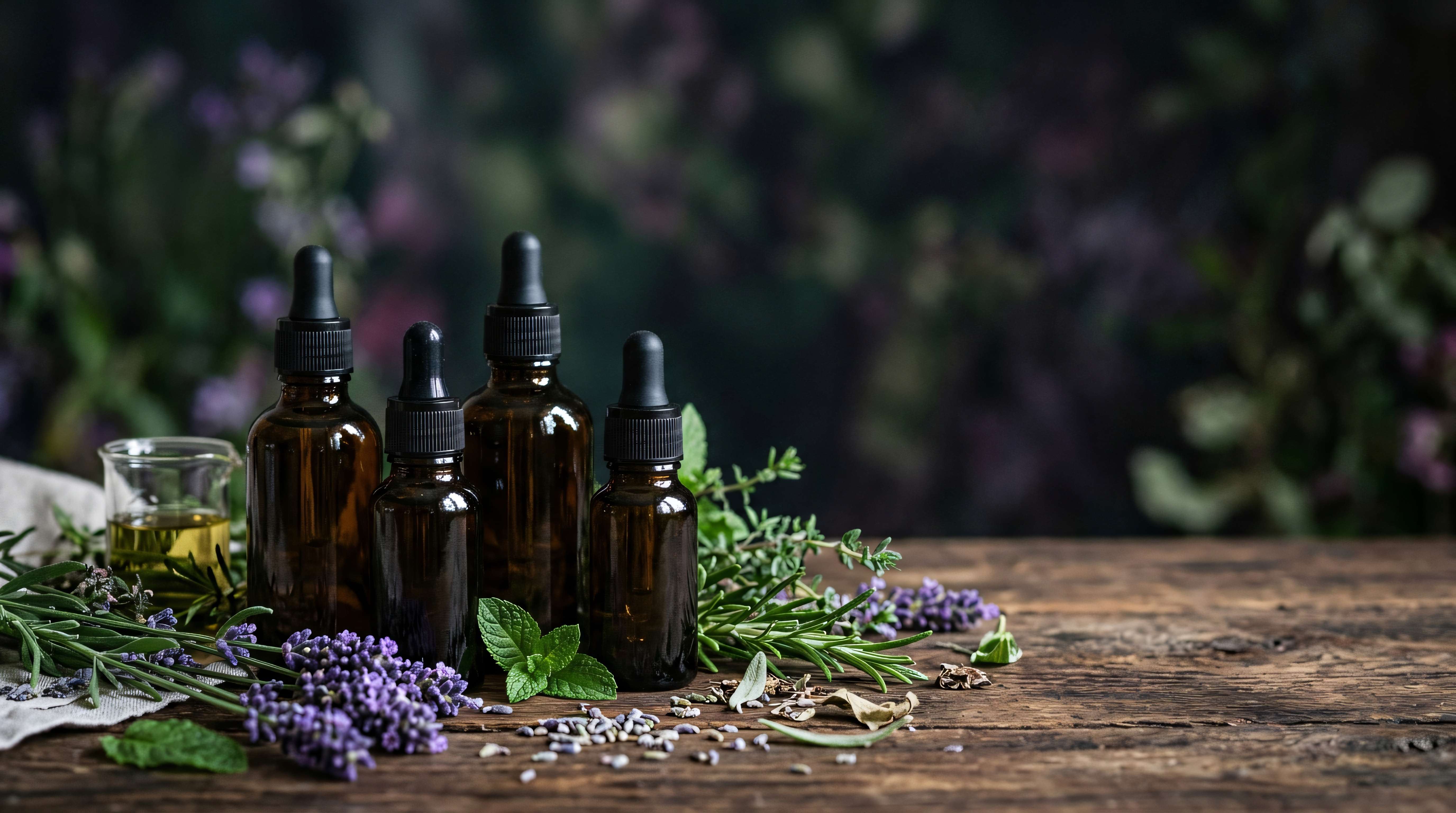
Look for storage directions, a dark glass bottle, and an expiration or best-use date. Store it tightly closed in a cool, dark place away from children and pets.
A powerful scent doesn’t prove that an oil is pure or higher quality. Also check the name carefully. Clary sage essential oil isn’t the same as culinary sage oil, sage extract, or a fragrance oil labeled “clary sage.” Fragrance oils may contain ingredients that aren’t intended for bathwater or skin.
Who Should Skip Clary Sage or Get Medical Advice First
Pregnant and breastfeeding people should ask a qualified clinician before using clary sage. Children have different exposure limits and should not use this bath recipe without professional guidance.
Anyone with a seizure disorder, a hormone-sensitive condition, or ongoing medical treatment should get individual advice before using the oil. A pharmacist or clinician can consider your medications and health history.
Keep essential oils away from pets unless a veterinarian confirms that a particular product and method are appropriate. If the bath causes skin irritation, headache, dizziness, nausea, coughing, or breathing discomfort, leave the water, rinse your skin, and stop using the oil.
Three Easy Clary Sage Bath Recipes You Can Make at Home
Essential oil must first mix with a base before it goes into the tub. Water doesn’t distribute oil evenly, so undiluted drops can collect on the surface and contact your skin in concentrated patches.
Each recipe makes one bath and uses a conservative amount for a healthy adult. Unscented liquid castile soap and fragrance-free bath gel help spread the oil through the bath more evenly than water alone. A suitable bath oil can provide skin conditioning, but it still leaves a slippery surface.
Plain Epsom salt doesn’t safely disperse essential oils. Salt can carry the oil around the tub, but it doesn’t make the oil water-soluble.
Simple Clary Sage and Epsom Salt Soak
This is the easiest starting point if you want a clean, herbal scent with familiar bath salts. Epsom salt adds texture to the soak, but don’t rely on it to treat muscle pain or remove toxins.
INGREDIENTS
- 4 drops of clary sage essential oil
- 1 tablespoon of unscented liquid castile soap or fragrance-free bath gel
- About 1/2 cup of Epsom salt
Mix the essential oil into the castile soap or bath gel in a small cup. Stir that mixture into the Epsom salt until the grains look evenly coated. Add the blend to a comfortably warm tub while the water runs, then swirl the water with your hand.
Soak for about 15 to 20 minutes. Hold the tub edge as you enter and leave, since any oil residue may make the surface slippery. Rinse the tub after draining.
Clary Sage, Oat, and Honey-Inspired Comfort Soak
Finely ground colloidal oatmeal gives the water a soft, milky feel and can soothe the sensation of dry skin. It doesn’t cure a rash, infection, or allergy, so skip this recipe on broken, inflamed, or actively irritated skin.
INGREDIENTS
- 3 drops of clary sage essential oil
- 1 tablespoon of unscented bath gel or liquid castile soap
- 1/2 cup of finely ground colloidal oatmeal
Honey is optional, but leaving it out reduces mess and avoids another possible source of irritation. First stir the essential oil into the bath gel or castile soap. Combine that mixture with the oatmeal, then sprinkle it into warm running water.
Rinse your body with clean water if the oatmeal leaves a film, and wash the tub soon after use. Oatmeal can settle on the surface and collect around the drain.
Gentle Clary Sage and Carrier Oil Bath Blend
A carrier oil gives this bath a richer feel and may help soften dry skin. However, oil and water still separate, so this option doesn’t disperse as evenly as a bath gel.
INGREDIENTS
- 3 drops of clary sage essential oil
- 1 tablespoon of jojoba oil or fractionated coconut oil
Stir the essential oil into the carrier oil in a small container. Pour the mixture into warm running water and swirl the bath before stepping in. Enter and exit slowly, because the carrier oil can make the tub and your skin slick.
Clean the tub after draining to remove residue. Choose a bath gel recipe instead if you have very sensitive skin or don’t want to manage an oily surface.
How to Use Your Bath Safely and Get the Most Relaxation
Before preparing the bath, perform a patch test. Mix the intended drops into the same base you plan to use, then apply a small amount to the inside of your forearm. Rinse after a short period and watch the area for irritation during the next 24 hours. A patch test can’t predict every reaction, but it can reveal an obvious sensitivity.
Run warm water with good ventilation in the room. Keep the essential oil bottle away from the tub, where it could spill or fall into the water. Add only the prepared mixture, not extra drops for a stronger fragrance.
A 15-to-20-minute soak gives you time to settle without keeping your skin in water for too long. Dim lighting, quiet music, a book, or slow breathing can help you stay present. Breathe normally, and leave the bath if you feel lightheaded, overheated, or unwell.
Afterward, rinse your skin with clean water if it feels itchy or irritated. Pat dry instead of rubbing, then apply a plain, fragrance-free moisturizer if your skin feels tight. Wash your hands after handling the oil.
Never drink clary sage essential oil or apply it undiluted to your skin. Keep it away from your eyes, mouth, and other sensitive areas. Adding more oil won’t make the bath more relaxing, and it can increase the chance of irritation.
Common Bath Mistakes to Avoid
- Adding essential oil directly to the bathwater
- Using more drops because the scent seems faint
- Treating Epsom salt as an essential oil dispersant
- Taking a hot bath while dizzy, dehydrated, or sick
- Combining several strong essential oils without a clear reason
- Leaving oily residue on the tub floor or sides
A mild scent often feels more comfortable than an intense one. If you want to adjust the fragrance, change the room’s ventilation or shorten the distance between the prepared bath and your nose, rather than increasing the oil.
A Safer, Softer Way to End the Day
Clary sage essential oil can add a soothing herbal note to a bath when you use it sparingly and dilute it correctly. Begin with the simple Epsom salt soak, pay attention to your skin and breathing, and rinse away the blend if anything feels uncomfortable.
If you’re pregnant, managing a medical condition, taking medication, or sensitive to fragrance, choose an unscented bath or ask a qualified health professional first. A relaxing soak comes from the whole ritual, including warm water, unhurried breathing, and a safe recipe, not from filling the tub with more oil.
Stay Connected for More Natural Living Inspiration
If you enjoyed this post about herbal wellness and love discovering natural ways to refresh your home and wellness, don’t miss out on future recipes and clean-living tips! Subscribe to the blog for weekly DIYs, wellness inspiration, and herbal remedies delivered straight to your inbox.
Don’t forget to visit my Amazon storefront for the links to my favorite essential oils, herbal teas, and natural recipes. I also create YouTube ambiance videos for sleeping; a channel I created to help people who have trouble sleeping. The link to all social media content is here.
Thanks for coming by!

Leave a Reply