
(DISCLAIMER: I am not a doctor, and you should consult your healthcare professional before starting any health regimen. Product links are commissioned and supports the blog)

Key Takeaways:
- Cedarwood oil can help skin feel more balanced, especially when it looks shiny or congested.
- A calm, steady routine matters, cedarwood’s scent can make skincare feel easier to stick with.
- Dilution is non-negotiable, start low (0.5 percent to 1 percent) for face use.
- Patch test every new blend, and stop fast if you feel burning or itching.
- It’s supportive skincare, not a cure for eczema, acne, or other medical skin issues.
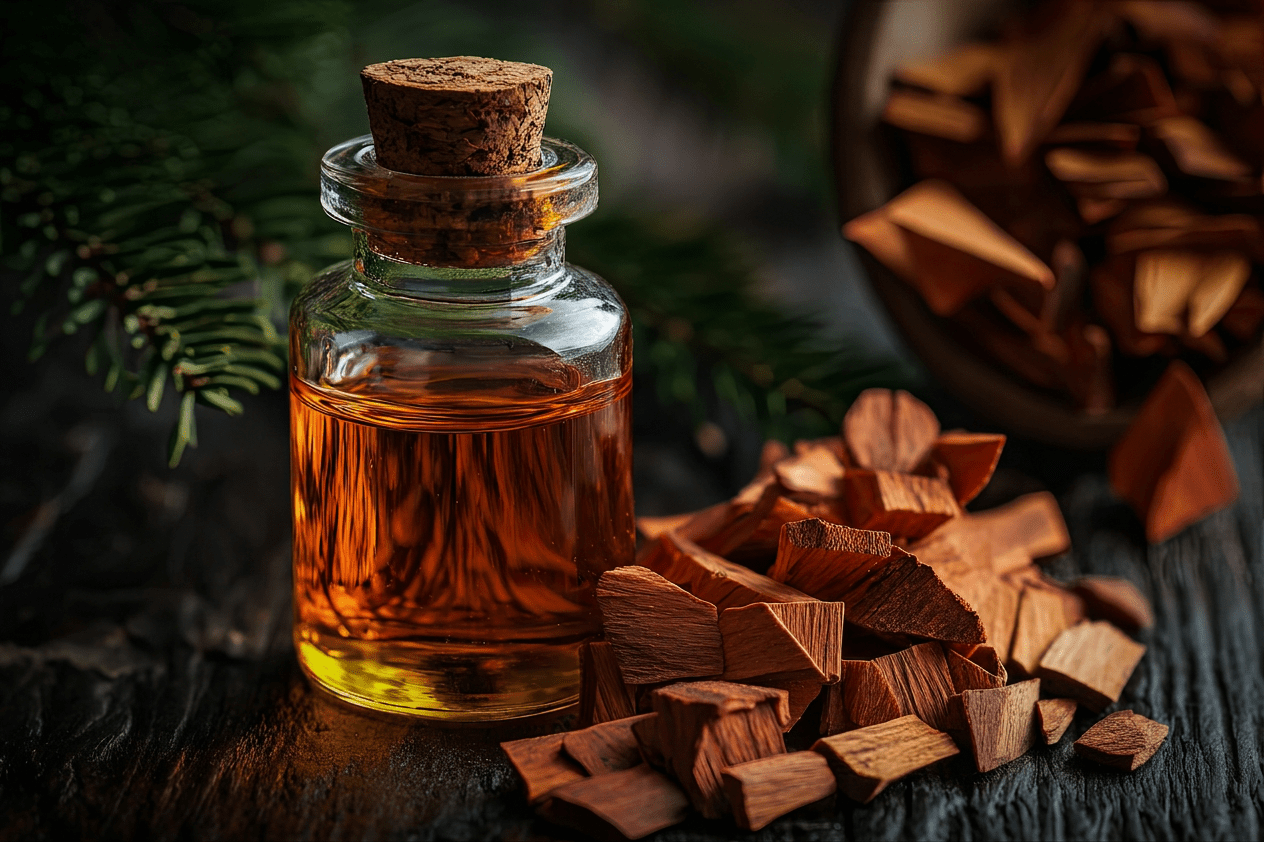
Cedarwood shows up in skincare for the same reason it shows up in closets and candles: it has that clean, earthy scent that makes things feel grounded. But beyond smelling great, it’s also one of those oils people reach for when they want a simpler routine and skin that looks a bit less “all over the place.”
If you’re curious about cedarwood essential oil for skin, the big idea is comfort and balance. Some people like it for oily-looking areas, some for a calmer nighttime routine, and some because it just makes their body oil feel more like a ritual than a chore.
One quick expectation check: cedarwood can support how skin feels and looks, but it’s not a medical treatment. If you’re dealing with painful rashes, open skin, or a long-running flare, it’s smart to loop in a dermatologist.
Why cedarwood can be a helpful add-on in skincare routines
Cedarwood essential oil is often described as “dry” and “woody,” and that’s not just about the scent. In everyday skincare terms, it tends to pair well with routines aimed at reducing the look of shine, keeping skin feeling fresh, and bringing a little calm to the whole process.
A lot of essential oil skincare is about tiny nudges. Think of it like putting your hair in a loose braid overnight. It doesn’t change your hair forever, but it can help it behave better in the morning. Cedarwood is similar: it’s a small add-on that can support skin goals when your basics are already solid (gentle cleansing, simple moisturizing, sun protection).
Helps skin look more balanced, especially when it feels oily or clogged
When skin looks oily, it can feel like everything slides around, sunscreen, makeup, even your moisturizer. Cedarwood is popular in blends meant to support a more balanced-looking finish, especially around the T-zone.
People also use it when pores look “busy,” like the skin is holding onto leftover oil and grime. It won’t replace cleansing, but a properly diluted drop or two in a carrier oil can fit nicely into a routine that already focuses on gentle care.
Simple ways people try it (without turning it into a full project):
- Adding a drop to a small amount of carrier oil, then pressing it onto oily-looking areas at night.
- Mixing a drop into a clay mask portion right before applying, so it stays diluted and controlled.
Results vary, and more isn’t better. Overuse can still irritate skin, even if your goal is to reduce oil.
Soothes the feel of stressed skin and supports a calmer routine
Sometimes skin looks “off” because your routine is too aggressive. Too many actives, too much scrubbing, too much switching products. Cedarwood can be a gentle signal to slow down.
The scent alone can feel grounding, like opening a window after cooking. That matters because skincare works best when you can stick with it. A calming, consistent routine often beats a complicated one you quit after a week.
Cedarwood is also commonly paired with simple moisturizers or body oils for a soft, comfort-focused finish. If your skin often feels tight after washing (even if it’s not technically dry), a diluted cedarwood blend can make the routine feel more soothing and less like damage control.
The safest way to use cedarwood essential oil on your face and body
If you remember one thing, let it be this: essential oils are concentrated. Cedarwood can be gentle compared to some oils, but it still needs smart handling. That’s how you get the benefits without the “why is my face angry?” moment the next morning.
Safety is also what makes cedarwood usable long-term. When you dilute well, you can keep the blend in your routine without constantly taking breaks.
If you like building a home wellness setup, it also helps to think bigger than skincare. Many people keep certain oils on hand for all kinds of small, everyday uses. This guide on top essential oils for a natural first aid kit is a helpful reference for the “what should I keep around?” question.
Dilution rules that prevent irritation (and make the oil last longer)
Never apply cedarwood essential oil “neat” (undiluted) on your face or body. That includes spot-dabbing.
A simple dilution guide that most beginners can follow:
- Face: 0.5 percent to 1 percent dilution
That’s about 1 to 2 drops per 1 teaspoon (5 ml) of carrier oil or unscented moisturizer. - Body: up to 2 percent for most adults
That’s about 4 drops per 1 teaspoon (5 ml) of carrier.
If you’re prone to sensitivity, start at the low end and use it less often. You can always add more later, but you can’t un-irritate skin on the same day.
Carrier oils that tend to work well:
- Jojoba or grapeseed for a lighter feel.
- Fractionated coconut oil for a smooth, fast-absorbing body oil.
- Shea butter for very dry areas (elbows, heels), since it adds extra cushioning.
Patch test checklist and common signs you should stop
Patch testing sounds boring, but it saves time, money, and stress. It’s also the easiest way to tell if cedarwood works for you.
A quick patch test you can do in minutes:
- Mix your cedarwood blend at the dilution you plan to use (don’t patch test a stronger mix).
- Apply a small amount to the inner forearm (or behind the ear, if you prefer).
- Leave it on, don’t wash that spot for at least a few hours.
- Check the area right away, then again after 24 hours.
Signs you should stop using it:
- Burning or stinging that doesn’t fade fast.
- Itching, hives, or a raised rash.
- Swelling, heat, or worsening redness.
If irritation happens, wash with a gentle cleanser and lukewarm water. Then apply plain carrier oil or a simple, fragrance-free moisturizer. Skip all essential oils on that area until it’s calm again.
When not to use it (pregnancy, kids, pets, and sensitive conditions)
Some situations call for extra caution, even with a well-loved oil like cedarwood.
Use extra care or avoid cedarwood essential oil if:
- Pregnant or nursing: Ask a clinician first, especially if you use oils often or plan to diffuse them daily.
- Using prescription skin meds: Retinoids, steroid creams, and acne treatments can make skin more reactive.
- Babies and very young kids: Skip topical essential oils unless a qualified clinician says otherwise.
- Eczema, rosacea, or broken skin: These conditions weaken the skin barrier. Even a low dilution can feel like too much.
Pets matter here too. Cats and small animals can be sensitive to essential oils.
- Don’t apply cedarwood to pets.
- Diffuse only with good ventilation, short sessions, and an easy exit for your pet.
- Never let pets ingest essential oils, even tiny amounts.
If you’re not sure, keep it simple: use cedarwood only on the body, at low dilution, and not every day.
Easy ways to add cedarwood to skincare without overthinking it
Cedarwood works best when it fits into what you already do. If a routine feels like homework, it won’t last. Pick one small place to add it, then give it two weeks before judging it.
Also, cedarwood plays well with other oils, but you don’t need a complex blend to get value. One oil, one carrier, done.
If you enjoy learning how different oils behave on skin, you might also like this post on clove oil benefits for skin health. Clove is much “hotter” than cedarwood, so it’s a good reminder that essential oils aren’t all interchangeable.
Daily options: mix into moisturizer, body oil, or a simple beard oil
These are low-effort, low-mess options that stay realistic for busy mornings.
Option 1: Add to your moisturizer (best for beginners)
Scoop a single-use amount of unscented moisturizer into your palm, then add 1 drop of cedarwood. Mix in your hands and apply, avoiding the eye area. This keeps the dilution controlled and fresh.
Option 2: After-shower body oil
In 1 teaspoon of carrier oil, use 3 to 4 drops for most adults (about 2 percent). Apply to damp skin after bathing for a smoother feel. Keep it away from intimate areas and any freshly shaved spots.
Option 3: Simple beard oil (and a quick note on scalp use)
For a teaspoon of jojoba or grapeseed oil, use 2 drops of cedarwood. Massage into beard hair and the skin underneath. For scalp use, start low (1 percent) and avoid applying right before heavy sweating, since heat can increase sensitivity.
No matter which option you choose, keep it out of eyes and off lips, nostrils, and other mucous areas.
Occasional treats: add to a clay mask, bath oil, or foot care blend
You don’t need cedarwood every day. For some people, once or twice a week is plenty.
Clay mask add-in (once a week is often enough)
Mix your clay mask as usual, then add 1 drop of cedarwood to the portion you’re about to apply (not the whole jar). Clay can be drying, so follow with a gentle moisturizer.
Bath oil done safely
Never add essential oil drops straight to bathwater. They won’t mix, and they can sit on top and hit skin in a concentrated way. Instead, mix 2 to 4 drops of cedarwood into 1 tablespoon of carrier oil or an unscented bath base, then add that mixture to the tub.
Foot care blend for end-of-day comfort
Feet can handle a bit more than facial skin. A 2 percent dilution in carrier oil, rubbed into heels and arches, can feel relaxing. Put on socks after if you want it to soak in without making your floors slick.
Conclusion
Cedarwood can be a steady, no-fuss support oil for skincare, especially if your goals are balance, comfort, and a routine that feels calming instead of chaotic. It won’t fix medical skin problems, but it can help skin look less shiny, feel less stressed, and make your daily steps feel more pleasant.
Keep the basics tight: dilute, patch test, and remember that less is more. Start with one change, like adding a single drop to your moisturizer a few nights a week, and see how your skin responds.
What’s your main skin goal right now, less oil, more comfort, or a simpler routine? Share it in the comments, along with your favorite cedarwood pairing idea.
Stay Connected for More Natural Living Inspiration
If you enjoyed this post about herbal wellness and love discovering natural ways to refresh your home and wellness, don’t miss out on future recipes and clean-living tips! Subscribe to the blog for weekly DIYs, wellness inspiration, and herbal remedies delivered straight to your inbox.
Don’t forget to visit my Amazon storefront for the links to my favorite essential oils, herbal teas, and natural recipes. I also create YouTube ambiance videos for sleeping; a channel I created to help people who have trouble sleeping. The link to all social media content is here.
Thanks for coming by!

Leave a Reply