
(DISCLAIMER: I am not a doctor, and you should consult your healthcare professional before starting any health regimen. Product links are commissioned and supports the blog)

The back seat starts to feel too small. The road curves, your stomach turns, and the air suddenly feels heavy.
Peppermint, ginger, and lemon essential oils may offer gentle support when car rides trigger nausea. They are not a cure, and they do not work the same way for everyone. Safety matters just as much as scent, especially in a tight car where one strong drop can feel louder than the engine.
This guide shows how each oil may help, how to blend them safely, and how to use them on the road without making nausea worse.
Key takeaways for using car sickness oil blends safely
- Ginger has the strongest support for nausea and motion sickness.
- Peppermint may help some people, but the response is mixed.
- Lemon can make a blend feel lighter and fresher.
- Inhalation is usually the safest place to start in a car.
- Keep every blend diluted, and patch test roller oils before travel.
- Avoid or check with a clinician first during pregnancy, breastfeeding, asthma, or when using oils for young children.
- A little scent is often enough in a small car.
If the scent fills the whole car, it is probably too much.
Why peppermint, ginger, and lemon are the go-to oils for motion sickness
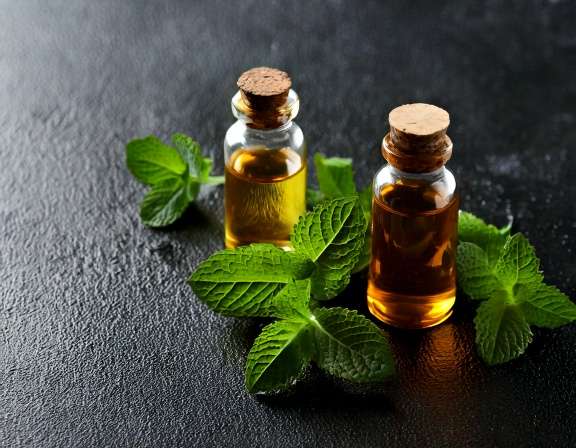
Peppermint, ginger, and lemon essential oils show up together because they bring different strengths to the same problem. Ginger is the steadier choice for nausea. Peppermint adds a cool, fresh edge. Lemon keeps the blend from feeling dense or medicinal.
That mix matters on a winding road. A single oil can feel flat or harsh after a while, especially when your body already feels off. A blend can smell brighter and easier to tolerate, which helps when motion sickness makes every sensation feel louder.
How ginger supports nausea relief
Ginger is the strongest-supported oil of the three for motion sickness, known for its remarkable ability to alleviate nausea and discomfort. Its scent may help calm the stomach and ease that rolling, unsettled feeling that shows up in the car, allowing travelers to feel more at ease during their journeys. The therapeutic properties of ginger are not only limited to its aroma; this potent root has been used for centuries in traditional medicine to aid digestive issues and promote overall wellness.
For a deeper look, see ginger essential oil benefits and uses, where you can explore how incorporating ginger essential oil into your daily routine can enhance your quality of life and provide natural relief from various ailments.
Still, ginger is not magic. Some people feel a clear difference, while others notice only a mild lift. That uneven response is normal, and it is one reason a small test before a trip makes sense.
Why peppermint feels cooling and calming in the car
Peppermint has a sharp, cool scent that can feel like a breath of fresh air, invigorating the senses and providing instant refreshment. Some people use it for nausea because it seems to settle the stomach and clear the head, making it a popular choice for those experiencing motion sickness or the discomfort of digestive issues.
Additionally, peppermint’s soothing properties can help alleviate headaches and promote relaxation, creating a sense of calm amidst stress. If peppermint is the oil you reach for most, peppermint oil and nausea safety guidelines can help you keep the scent light and enjoyable while ensuring you use it safely and effectively. This knowledge not only enhances your experience but also empowers you to harness the full potential of this versatile essential oil in your daily routine.
The research is mixed, though, so keep expectations realistic. Peppermint may help one rider and bother another, especially if the smell feels too strong or too cold.
How lemon can brighten the blend and ease queasiness
Lemon adds lift to any atmosphere, its vibrant essence elevating both mood and energy levels. Its smell is clean, sharp, and less heavy than many other oils used for nausea, making it a refreshing alternative in moments of discomfort. The bright scent can invigorate the senses, providing a much-needed boost during times of unease.
Some people find that just a whiff of lemon is enough to take the edge off car sickness, soothing their stomachs and easing their minds as they navigate winding roads or embark on long journeys. By integrating lemon oil into their travel routines, many have discovered a simple yet effective remedy that enhances their overall experience on the road.
The evidence is weaker than it is for ginger, and it does not prove lemon works for motion sickness every time. Even so, lemon often makes a blend easier to wear during a long ride, especially when the car feels warm or closed in.
The best ways to use essential oils during car rides
The safest options are usually the simplest ones. Direct inhalation works well because it keeps the scent close and avoids skin irritation. That matters in a moving car, where strong smells can spread fast.
A pre-filled stick is one of the easiest ways to use inhaler blends for nausea on the go. You can keep it in a pocket, open it for a few gentle breaths, and close it again before the scent gets too strong.
A tissue or cotton ball also works when you need something quick. Add a drop or two, then hold it near your nose without pressing it against your face. That small distance keeps the scent soft and easier to control.
Diluted topical use can help too, as long as you mix the oils with a carrier oil first. A small blend on the wrists, behind the ears, or the upper stomach can give you a steady scent without filling the whole car. Never use undiluted oils on skin, and skip swallowing them for this purpose unless a clinician specifically tells you otherwise.
Using an inhaler stick for quick, mess-free relief
An inhaler stick is the cleanest choice for travel. It stays sealed, fits in a bag, and gives you quick access when nausea starts to rise.
Add your drops ahead of time, then use it only when needed. That keeps the scent from hanging in the car and bothering other passengers.
Trying a tissue or cotton ball when you need something simple
A tissue or cotton ball works well in a pinch. It is also useful if you want to test a scent before making a full blend.
Use one or two drops, then breathe in gently from a short distance. Do not bury your face in it. That can make the smell too sharp and send your stomach in the wrong direction.
Applying diluted oil to the skin before the trip
Topical use can feel steadier than smell alone. A diluted roller lets the scent rise slowly, which can be easier on sensitive noses.
Roll a small amount on the wrists or upper stomach before you leave. Give it a few minutes to settle on the skin. If the scent feels too strong, wash it off and try a lighter blend next time.
Three easy peppermint, ginger, and lemon blend recipes for motion sickness
A good travel blend should be easy to make and easy to use, ensuring that it seamlessly fits into your busy lifestyle. These recipes keep the oil counts simple while maintaining a perfectly balanced scent that can uplift your spirits during your journeys.
Whether you’re on a plane, train, or simply exploring a new city, having a carefully crafted travel blend can provide comfort and relaxation, allowing you to fully immerse yourself in the experience without feeling overwhelmed. With just a few easy-to-follow steps, you can create your own signature blend that resonates with your personal style and enhances your travel adventures.
A balanced roller blend for wrists and stomach
For a 10 mL roller bottle, add 4 drops ginger, 3 drops peppermint, and 3 drops lemon. Fill the rest with fractionated coconut oil or jojoba oil, then cap and shake gently.
This blend is mild enough for short trips, yet present enough to notice. Roll a small amount on the wrists or upper stomach 15 to 20 minutes before you leave. Patch test it first, because skin can react even when the scent feels pleasant.
If you want a softer scent, cut the peppermint to 2 drops and add one more drop of lemon.
A travel inhaler blend for fast scent support
For a personal inhaler, add 5 drops ginger, 3 drops peppermint, and 2 drops lemon to the wick. Close it right away so the scent stays inside the tube until you need it.
This is the best choice for winding roads, stop-and-go traffic, or a ride that starts to turn your stomach fast. Open it, take a few slow breaths, then close it again. The goal is a brief burst of scent, not a flood.
It also works well if you share the car with others, because the smell stays close to you.
A gentle car blend for sensitive noses
For a soft car-friendly option, place a cotton pad in a small lidded tin and add 3 drops lemon, 1 drop ginger, and 1 drop peppermint. Close the tin until you need it, then crack it open for a few breaths.
This version is easier on sensitive noses and works well for adults who want a lighter smell. Keep it away from children unless a clinician says it is appropriate. Do not let the pad touch skin, fabric seats, or food.
If the scent feels too sharp, remove the lid for only a few seconds at a time.
Safety rules that matter before you use essential oils in the car
A helpful scent should stay light. In a small car, too much oil can turn useful fast. If the smell makes you cough, gives you a headache, or feels hot in your nose, cut the amount in half or stop using it.
Less is usually more when the windows are up.
Patch test any roller blend before the trip. Use a small spot on the inner forearm, then wait a day if you can. Keep the oils away from eyes, lips, and broken skin. Also, wash your hands after handling them.
Pregnant or breastfeeding readers should ask a clinician first. The same goes for young children, people with asthma, and anyone with allergies or scent sensitivities. If motion sickness comes with vomiting, fainting, or severe dizziness, get medical advice instead of pushing through the drive.
How much to use so the scent stays helpful, not overpowering
A small amount usually does the job. In a closed car, even a few drops can spread fast.
Start low, then adjust only if needed. Too much scent can make nausea worse instead of better, especially for people who already feel overloaded by smell.
Who should skip or get medical advice first
Pregnant and breastfeeding readers should check with a clinician before using essential oils. Children need extra caution too, because their skin and airways can react faster.
People with asthma, scent-triggered headaches, or known allergies should also get guidance first. The same goes for anyone who has reacted badly to essential oils before.
How to get the best results on a real road trip
Essential oils work better when the rest of the ride is not fighting you. Sit where you can see the horizon, keep fresh air moving, and avoid heavy meals right before travel. If reading usually makes you worse, put the book away and look outside instead.
Start using the blend at the first hint of queasiness. Once the stomach is already churning, the scent may feel less helpful. A few slow breaths early often beat a desperate sniff later.
Hydration helps too, as long as you sip lightly. Short breaks on longer drives can also reset the body. If possible, keep your scent blend close enough to reach without searching for it.
When to start using the blend before nausea gets worse
Use the blend before the ride turns rough. That first wave of wooziness is the best time to act.
If you know curves, traffic, or long stretches of hills usually trigger nausea, start early. A light scent at the start is easier to tolerate than a strong rescue effort later.
Small travel habits that can make the scent blend work better
Fresh air makes a difference. Crack a window if the weather and road conditions allow it.
Also, keep your eyes on something steady outside the car. Avoid screens when you can, and let your body rest between turns. These small habits give the oil blend a much better chance to help.
Conclusion
Peppermint, ginger, and lemon can be useful tools for car sickness, especially when you keep the scent light and the method simple. Ginger has the strongest support, peppermint helps some people, and lemon can make the blend feel fresher.
A gentle inhaler, a small tissue blend, or a diluted roller is usually enough for the road. The real trick is staying ahead of nausea, not overpowering it.
Before the next trip, try one blend at home and see how your body responds. A good blend should feel like a small pocket of calm that rides along with you.
Stay Connected for More Natural Living Inspiration
If you enjoyed this post about herbal wellness and love discovering natural ways to refresh your home and wellness, don’t miss out on future recipes and clean-living tips! Subscribe to the blog for weekly DIYs, wellness inspiration, and herbal remedies delivered straight to your inbox.
Don’t forget to visit my Amazon storefront for the links to my favorite essential oils, herbal teas, and natural recipes. I also create YouTube ambiance videos for sleeping; a project I created to help with insomnia symptoms and the second channel, Rooted in Nature YouTube Channel both channels feature herbal recipes for wellness and home. The link to all social media content is here.
Thanks for coming by!


Leave a Reply