

(DISCLAIMER: I am not a doctor, and you should consult your healthcare professional before starting any health regimen.)

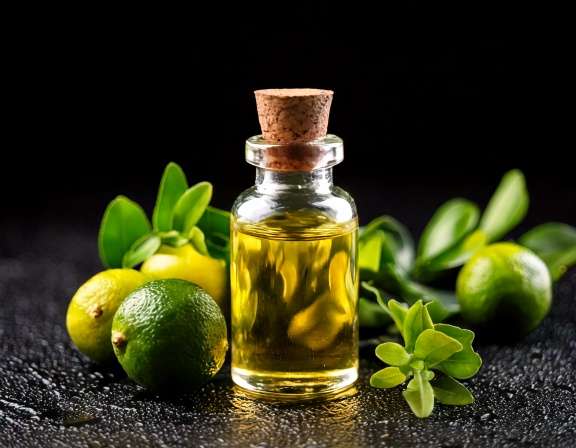
A small bottle of borage seed oil can look similar to other herbal oils, yet it has a different purpose from borage tea, fresh borage leaves, or an essential oil. This supplement comes from the seeds of Borago officinalis and is valued for gamma-linolenic acid (GLA), an omega-6 fatty acid.
People often choose it for skin wellness, dryness, or general support for the body’s normal inflammatory processes. However, research results are mixed, and a supplement isn’t a replacement for medical care. Before adding it to your routine, learn how to recognize a safer product, read the GLA amount, and use it correctly. These three simple food ideas can help you use an approved liquid product without heating it.
Key Takeaways About Borage Oil Supplements
- Borage seed oil is a concentrated source of GLA, but the amount varies widely between products.
- Possible benefits include support for skin comfort and normal inflammatory processes, although results aren’t guaranteed.
- Choose a product labeled PA-free or tested for pyrrolizidine alkaloids, which can harm the liver.
- Follow the serving directions on your own label instead of copying a dose from another brand.
- Ask a health professional before use if you take medication, have a chronic condition, or face surgery.
- Borage seed oil isn’t the same as borage essential oil, and the two products must not be used interchangeably.
What Is Borage Oil, and How Does GLA Work?
A borage oil supplement usually contains oil pressed or extracted from the seeds of Borago officinalis, a flowering herb with blue, star-shaped blooms. Manufacturers sell it in softgels or liquid form. The liquid may work well in cool foods, but only when the label confirms that it’s food-grade and intended for oral use.
GLA is a fatty acid the body can convert into dihomo-gamma-linolenic acid, which participates in the production of compounds involved in normal inflammation signaling and skin barrier function. That process doesn’t mean GLA cures inflammation or repairs a medical condition. Your body also handles fatty acids according to your overall diet, health, and individual biology.
A serving may contain a few hundred milligrams of GLA, but the total borage seed oil amount and the GLA amount are different figures. Check the Supplement Facts panel rather than judging strength by the front label.
Borage seed oil also differs from other products made from the plant. Fresh leaves and flowers may appear in culinary or herbal preparations, while borage tea is made by steeping plant material in water. Borage essential oil is a concentrated aromatic product and isn’t intended to be swallowed. A topical borage carrier oil may be formulated for the skin, so it isn’t automatically suitable for cooking or supplementation.
What the Research Suggests About Skin and Inflammation
Borage oil often appears in products marketed for dry skin, eczema-related discomfort, joint stiffness, and other inflammatory concerns. GLA’s role in fatty acid metabolism gives those uses a reasonable area for study, especially when skin barrier function is part of the discussion.
Still, human research has produced mixed or limited results. Some studies have examined oral GLA for skin conditions or joint symptoms, while others haven’t shown a clear benefit. Differences in dose, product quality, study length, and participant health make the findings difficult to apply to everyone.
For that reason, borage oil may help some people, but it shouldn’t be treated as a proven cure. Keep using prescribed treatment, moisturizer, sun protection, or other care recommended by a qualified professional. If a rash spreads, cracks, becomes painful, or shows signs of infection, seek medical advice instead of relying on a supplement.
Borage Oil Versus Evening Primrose Oil
Evening primrose oil and borage seed oil can both provide GLA. Borage oil often contains more GLA per gram, so a smaller amount of oil may provide a similar fatty acid quantity. A higher concentration doesn’t automatically make one product a better choice for you.
Compare the actual GLA amount per serving, not only the total oil weight. Then check whether the product lists borage seed oil clearly, provides a sensible serving size, and carries independent quality testing.
Freshness also matters because oils can oxidize when exposed to heat, light, and air. Look at the expiration date and packaging before comparing cost. A less expensive bottle may contain less GLA, use a larger serving, or provide less information about testing. Price alone can’t tell you which option fits your needs.
How to Choose a Safer, Higher-Quality Borage Oil Supplement
Start with the Supplement Facts panel. It should identify the source as borage seed oil, show the serving size, list the total oil amount, and state the actual GLA content. A vague proprietary blend makes those comparisons harder, so choose a product with transparent quantities.
The label should say PA-free, pyrrolizidine alkaloid-free, or describe testing for these compounds. Pyrrolizidine alkaloids, often shortened to PAs, occur naturally in some plants and can damage the liver. Properly produced borage seed oil should undergo steps that remove or prevent these compounds, but you shouldn’t assume every product meets the same standard.
Independent testing can add another layer of confidence. Look for a reputable third-party organization or a manufacturer that provides current testing information. Also inspect the bottle. Dark, well-sealed packaging helps reduce exposure to light and air. The product should have an expiration date and clear storage directions.
Liquid oil needs extra care. Keep it away from heat and direct sunlight, close the cap promptly, and follow the label’s refrigeration instructions if given. Never use a topical carrier oil in a recipe unless the bottle clearly says it’s food-grade and made for oral use.
How Much Borage Oil Should You Take?
There isn’t one standard dose for every person, condition, or product. Two bottles can contain different amounts of total oil and GLA, even when both recommend one softgel or one teaspoon.
Focus on the GLA amount, then follow the serving directions for that product. Don’t increase the dose because another supplement lists a larger number. If the label allows it, taking the oil with food may be gentler on the stomach.
Speak with a qualified health professional before using borage oil regularly, especially if you take medication, manage a chronic condition, or plan to combine it with another fatty acid supplement. A pharmacist can also help check for possible interactions.
Who Should Avoid It or Ask a Health Professional First?
Avoid borage oil during pregnancy and breastfeeding unless a clinician specifically recommends it. People with liver disease should also seek medical advice before use, because PA contamination is a serious safety concern and some medicines can place additional demands on the liver.
A history of seizures, a bleeding disorder, or an upcoming surgery calls for professional guidance. Ask before using borage oil if you take blood thinners, antiplatelet drugs, seizure medicines, or other medication that affects the liver or bleeding risk.
Possible side effects include nausea, loose stools, bloating, headache, or a skin reaction. Stop using the product and contact a health professional if symptoms persist, become severe, or include unusual bruising, yellowing of the skin, dark urine, swelling, or trouble breathing. Seek urgent care for signs of a serious allergic reaction.
The safety of the product depends on more than the plant name. A tested, PA-free borage seed oil is a different choice from an unverified herbal oil.
Simple Ways to Use Borage Oil in an Everyday Wellness Routine
Capsules are usually the simplest option because the product already provides a measured serving. Take them exactly as directed. Liquid products can be stirred into cool foods, but first confirm that the bottle is food-grade and intended for oral use.
Borage oil is delicate, so don’t use it for frying or high-heat cooking. Add it after food has cooled, keep portions modest, and count the recipe amount toward the label-directed serving. These recipes are food ideas, not substitutes for the product instructions or professional guidance.
Creamy Borage Oil Berry Smoothie
Berries add bright flavor, while yogurt and oats create a filling, creamy drink. Use liquid borage seed oil only when the label confirms oral, food-grade use.
Ingredients
- 1 cup fresh or frozen berries
- 1/2 cup plain yogurt or a dairy-free alternative
- 1 tablespoon rolled oats or chia seeds
- 1/2 cup unsweetened milk of choice
- Optional, a label-directed serving of food-grade liquid borage seed oil
Blend the berries, yogurt, oats or chia seeds, and milk until smooth. After checking the serving directions, blend in the oil briefly. Serve cold, and don’t heat the mixture.
Lemon Herb Borage Oil Salad Dressing
This fresh dressing fits leafy greens, steamed vegetables that have cooled, or a simple grain bowl. Olive oil provides the main dressing base, while the optional borage oil stays away from heat.
Ingredients
- 2 tablespoons extra-virgin olive oil
- 1 tablespoon fresh lemon juice
- 1/4 teaspoon dried oregano or 1 teaspoon chopped parsley
- A small pinch of salt
- Optional, a label-directed amount of food-grade liquid borage seed oil
Whisk the olive oil, lemon juice, herb, salt, and optional borage oil in a small bowl. Use the dressing fresh and store it according to the supplement label, since repeated exposure to air, light, and heat can reduce oil quality.
Borage Oil Yogurt and Cucumber Dip
Cool cucumber and herbs give this no-cook dip a clean, refreshing taste. It works with vegetables or whole-grain crackers, and the oil can be added without changing the texture much.
Ingredients
- 1/2 cup plain Greek yogurt or plant-based yogurt
- 1/4 cup finely grated cucumber, squeezed dry
- 1 teaspoon lemon juice
- 1/2 teaspoon chopped dill or mint
- A pinch of salt
- Optional, a label-directed serving of food-grade liquid borage seed oil
Stir the yogurt, cucumber, lemon juice, dill or mint, salt, and optional borage oil until combined. Chill briefly if you prefer a firmer dip. Use only an oral supplement product, and never substitute borage essential oil, which isn’t intended to be swallowed.
A Careful Way to Try Borage Oil
Borage oil may interest people looking for a GLA supplement that fits a broader wellness routine, especially when skin comfort and general nutrition are the focus. The evidence remains limited, so realistic expectations matter more than bold promises.
Choose a tested, PA-free product, read the GLA amount and serving directions, and ask a health professional about pregnancy, breastfeeding, liver disease, seizure history, bleeding concerns, surgery, or medication use. Introduce one change at a time, then pay attention to how your body responds.
Stay Connected for More Natural Living Inspiration
If you enjoyed this post about herbal wellness and love discovering natural ways to refresh your home and wellness, don’t miss out on future recipes and clean-living tips! Subscribe to the blog for weekly DIYs, wellness inspiration, and herbal remedies delivered straight to your inbox.
Don’t forget to visit my Amazon storefront for the links to my favorite essential oils, herbal teas, and natural recipes. I also create YouTube ambiance videos for sleeping; a channel I created to help people who have trouble sleeping. The link to all social media content is here.
Thanks for coming by!



Leave a Reply