

(DISCLAIMER: I am not a doctor, and you should consult your healthcare professional before starting any health regimen.)

Key takeaways
- Boneset herb is a traditional bitter herb, usually Eupatorium perfoliatum.
- People have long used it for colds, flu-like symptoms, fever, chills, and body aches.
- Modern evidence is limited, especially in human studies.
- Safety matters because boneset may contain pyrrolizidine alkaloids, which raise concerns.
- Tea and tincture are the most common forms people use at home.
- Proper plant ID is important, because common names can cause risky mix-ups.
- Boneset may not be right for pregnancy, liver concerns, children, or long-term use.
A steaming mug sits on the table, the room is quiet, and the scent rising from the cup feels older than the moment itself. That’s often how boneset herb enters the picture, as part of a long line of home remedies passed from hand to hand, especially during cold weather and achy days.
Boneset, usually Eupatorium perfoliatum, has a long history in North American herbal practice. People traditionally reached for it during feverish colds, chills, and deep body aches. This post explains what boneset is, what it has been used for, what modern research does and doesn’t say, how people prepare it, and when it’s best avoided.
It also helps to clear up one common mix-up. Boneset is not comfrey, which is sometimes called knitbone. They are different plants with different safety issues. This article is for education only, not medical advice.
What boneset herb is and how to recognize it
Boneset is a flowering plant in the Asteraceae family, the same broad family as chamomile, ragweed, and daisies. Its botanical name is Eupatorium perfoliatum. You’ll often find it growing in eastern and central North America, especially in moist meadows, roadside ditches, and near streams.
At first glance, boneset looks modest. Then you notice its unusual leaves. They grow opposite each other, and each pair joins around the stem, so the stalk seems to pass right through the leaf. That feature explains the species name perfoliatum.
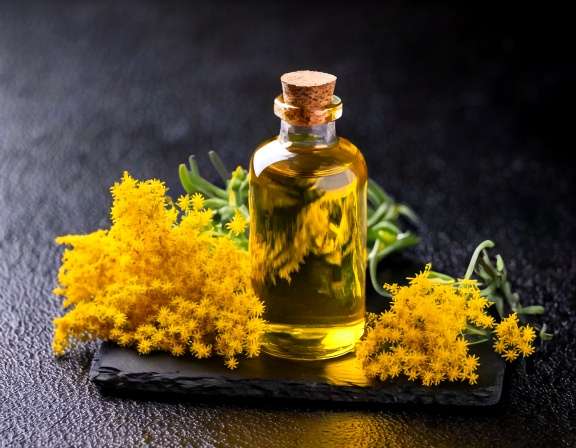
The leaves are long, pointed, and a bit rough. The stems are upright and can reach a few feet tall. In late summer, clusters of small, fuzzy white flowers appear at the top. From a distance, the blooms can look soft, almost cloud-like.
That leaf pattern is the easiest clue for beginners. It gives boneset a look that’s hard to forget once you’ve seen it. Still, field guides and local plant expertise matter, because wild plants can fool even careful eyes.
Boneset herb vs. similar plants people mix it up with
Boneset often gets confused with other herbs, and that can lead to bad choices. The first mix-up is comfrey (Symphytum officinale). Comfrey has broad, hairy leaves and drooping bell-shaped flowers, often purple or cream. It’s not boneset, and the old nickname knitbone adds to the confusion.
People also mix boneset up with Joe-Pye weed and other plants once grouped near Eupatorium. Joe-Pye weed is usually much taller and has pink to mauve flower clusters, not white. Some related plants share a similar upright habit, so flower color and leaf shape matter.
The safest rule is simple. Trust the botanical name, not the common name alone. When buying dried herb or tincture, look for Eupatorium perfoliatum on the label. When foraging, don’t rely on memory or a quick online photo.
Traditional uses of boneset for colds, fever, and aches
Boneset earned its place in Western herbal traditions because people associated it with the kind of sickness that makes you want to stay under a blanket. Think chills, feverish feelings, soreness, and that heavy, bruised ache that can come with seasonal illness.
Historically, boneset was often prepared as a hot tea during colds and flu-like complaints. Herbalists and home remedy users described it as a plant for times when the body felt cold, tight, and miserable. The goal wasn’t comfort alone. People hoped to encourage warmth, sweating, and a sense of release.
The name “boneset” is often linked to the severe aches that came with past fever illnesses, as if the bones themselves hurt. That doesn’t mean the herb literally treats bones. It points to the old experience of body pain during infection.
Traditional use gives boneset a strong herbal reputation, but tradition is not the same as proof.
That distinction matters. Folk use tells us how people valued boneset. It does not confirm that it works for everyone, or that it’s safe in every form.
Why herbalists often describe boneset as bitter, warming, and supportive
Those words can sound vague, so it helps to translate them into plain language.
Bitter means exactly what it sounds like. Boneset has a sharp, strong taste that many people find hard to love. In herbal practice, bitter herbs often get linked with stimulating the mouth, stomach, and digestive response. That’s part of why they feel active, not soft or sweet.
Warming usually refers to the experience of drinking it hot and the traditional sense that it helps the body open up and sweat. During a feverish cold, people often wanted that warming push.
Supportive is the broadest word. It doesn’t mean cure. It means the herb was used to help the body through a rough patch, especially when rest, fluids, and warmth were also part of care.
What current research says, and where the gaps still are
Modern research on boneset is incomplete. A few lab and early studies have looked at plant compounds that may affect inflammation or immune activity. That sounds promising on paper. Still, test-tube findings don’t always carry over to real-life use.
Human research is limited, and that’s the biggest gap. We don’t have strong clinical evidence to show clear benefits for colds, flu, or body aches. We also don’t have enough solid data on the safest long-term use, especially across different products.
That leaves boneset in an in-between place. It remains a respected traditional herb, yet modern science hasn’t fully confirmed its old reputation.
For readers who enjoy gentler daily infusions, DI Writes also shares top herbal teas for bloating and digestion, including herbs like peppermint and ginger that people sometimes pair with stronger bitter teas.
How to use boneset herb safely at home
Most people who use boneset at home choose tea, tincture, or a prepared dried herb blend. Tea is the most traditional form. Tinctures appeal to people who want a smaller amount without drinking a full cup of a very bitter brew.
Because boneset tastes strong, many people use it in modest amounts and for short periods. Some blend it with milder herbs. Others prefer a tincture from a trusted company that gives clear ingredient and safety details.
General care matters here. Buy from reputable herb sellers, read labels closely, and avoid guessing with wild-harvested plants. If you take medicines, have liver concerns, or manage a health condition, check with a qualified healthcare professional first.
Boneset is not an everyday beverage like chamomile or mint. It fits better into the category of a traditional, more serious herb that deserves respect.
What boneset tea tastes like and how people make it easier to drink
Boneset tea is usually described as bitter, earthy, and strong. For some people, the first sip feels almost like a warning bell. It’s not the kind of herb that wins most people over with flavor alone.
That said, people have long softened the taste in simple ways. Mint can brighten the cup. Ginger adds warmth and spice. A little honey can round the edges. These additions may make boneset easier to finish, especially when served hot.
Still, flavor changes don’t change the safety picture. A sweeter cup is still boneset. If the herb isn’t a good fit for you, honey and mint won’t fix that.
Who should avoid boneset herb
Boneset is not right for everyone. The biggest concern is its possible pyrrolizidine alkaloid content, often shortened to PAs. Some PAs are linked with liver harm, especially with repeated or heavy use. Because of that, boneset is often treated as a short-term herb, not a daily tonic.
People who are pregnant or breastfeeding should avoid it unless a qualified clinician says otherwise. Those with liver disease should also stay away from it. Children should not use boneset without professional guidance.
There may also be an issue for people sensitive to plants in the ragweed family, since boneset belongs to the same larger family group. If you react to ragweed, daisies, or chamomile, caution makes sense.
Choose products from trusted sellers that clearly identify the herb and provide safety information. If a label feels vague, skip it.
Buying, growing, and storing boneset with care
If you want to explore boneset, start with the label. A good product should list the full botanical name, Eupatorium perfoliatum. It should also show what part of the plant is used, where it came from, and how the company handles quality.
With dried herb, look for a clean smell and natural color, not a dusty, stale batch that seems old. With tinctures, check the ingredient list and avoid products that feel vague or poorly sourced. Some companies also offer third-party testing or clear quality statements, which can add confidence.
For gardeners, boneset can be a nice fit in a pollinator-friendly space. It likes moisture and sun to part shade, and its white blooms can attract bees and butterflies. Give it room, because it grows upright and can spread in the right spot.
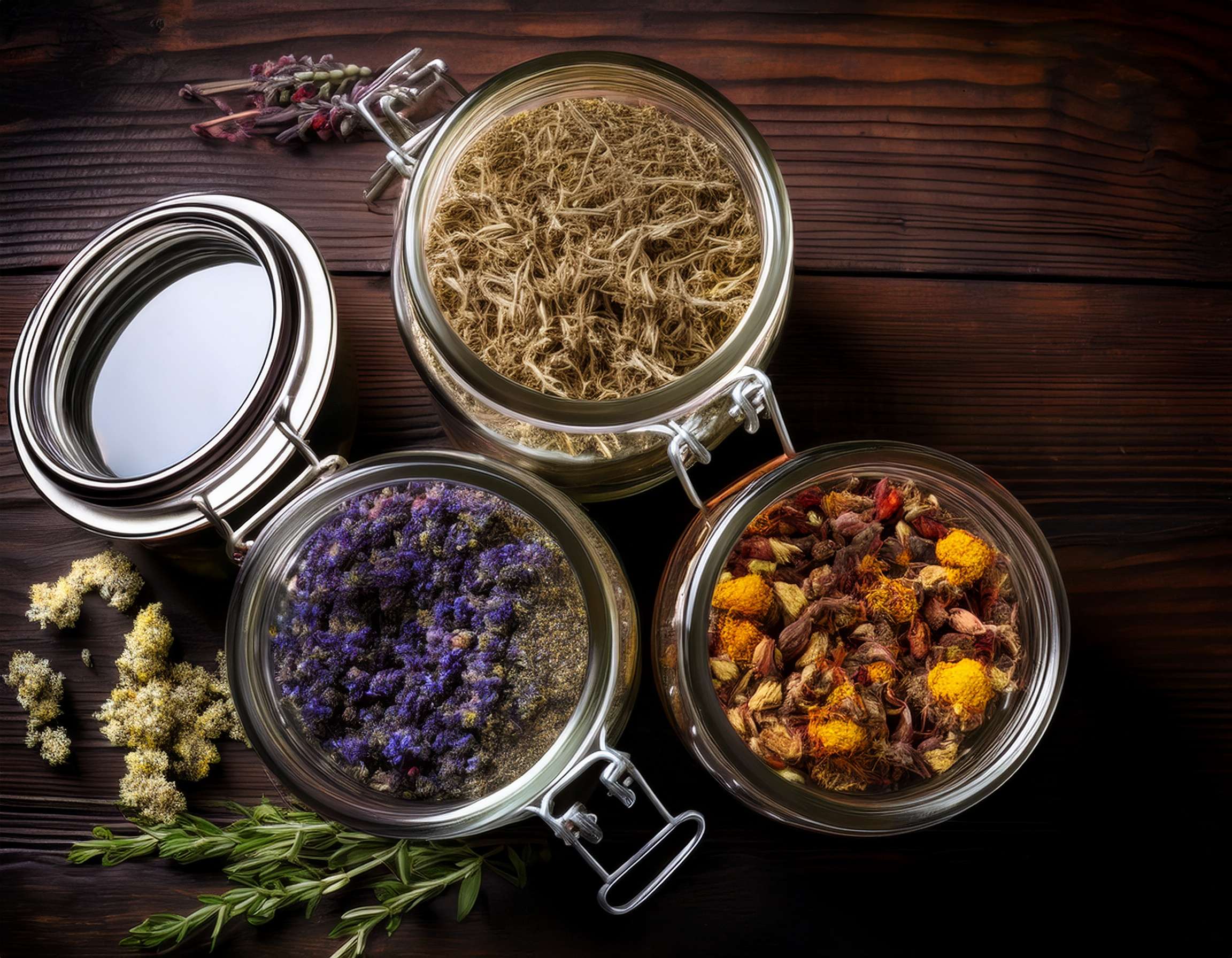
After purchase or harvest, store dried boneset away from heat, light, and moisture. A closed jar in a cool cabinet works well. Good storage helps preserve freshness and lowers the chance of spoilage.
Why quality matters with traditional herbs like boneset
Quality matters because boneset is not a casual herb. Poor plant ID, old stock, or mixed material can turn a traditional remedy into a bad gamble.
This is especially true for foraging. Common names can mislead, and related plants may look close enough to fool a beginner. Unless you can identify boneset with confidence, it’s better to buy from a reputable herb supplier.
Freshness also plays a role. A properly handled herb is more likely to match what the label claims. When quality drops, trust drops with it.
Boneset herb holds a respected place in herbal history, especially for colds, chills, and body aches. At the same time, modern proof remains limited, and safety questions deserve real attention. If you’re thinking about trying boneset, use a careful approach, buy from a trusted source, and talk with a qualified healthcare professional first, especially if you have health concerns or take medication. In herbal self-care, the wisest path is often the calmest one.
Stay Connected for More Natural Living Inspiration
If you enjoyed this post about herbal wellness and love discovering natural ways to refresh your home and wellness, don’t miss out on future recipes and clean-living tips! Subscribe to the blog for weekly DIYs, wellness inspiration, and herbal remedies delivered straight to your inbox.
Don’t forget to visit my Amazon storefront for the links to my favorite essential oils, herbal teas, and natural recipes. I also create YouTube ambiance videos for sleeping; a channel I created to help people who have trouble sleeping. The link to all social media content is here.
Thanks for coming by!
Leave a Reply