
(DISCLAIMER: I am not a doctor, and you should consult your healthcare professional before starting any health regimen.)

Key Takeaways
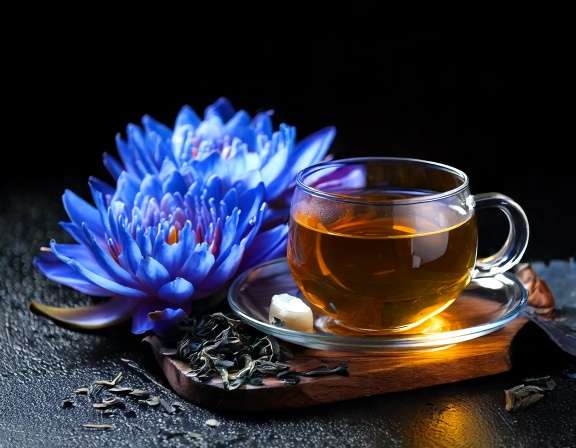
- Blue lotus tea is a caffeine-free floral herbal infusion made from Nymphaea caerulea petals (also known as blue lily, water lily, or blue water lily).
- People use it for relaxation, mood support, and as a nighttime wind-down ritual, but solid human research is limited.
- Start small, keep it simple, and don’t mix it with alcohol or other sedating herbs or meds.
- Quality matters because products vary a lot in strength and sourcing.
- Some people should skip it entirely, especially during pregnancy, breastfeeding, or when taking certain medications.
Blue lotus tea, brewed from the blue lotus flower, has a reputation that feels almost cinematic. It’s tied to ancient art, modern wellness, and that “one cup and exhale” vibe many of us chase after a long day.
At the same time, it’s not your everyday chamomile. Blue lotus can affect mood and alertness in a way that surprises people, especially if they expect a gentle floral tea with zero kick.
So let’s talk about this herbal remedy: what blue lotus tea is, what benefits people report, how to use it safely, and who should avoid it.
What blue lotus tea is (and why it feels different from most herbal teas)
Blue lotus tea is brewed from dried flowers, usually the petals, of Nymphaea caerulea, distinct from Nelumbo nucifera (the sacred lotus). You’ll see it sold as whole flowers, loose petals, or pre-packed tea bags. Some products are true dried flower material, while others lean toward extracts or blends, which can change the effect.
Part of the curiosity around blue lotus is its long history of use in Ancient Egypt and art, where it was revered as the sacred blue lily. That history doesn’t automatically prove modern health benefits, but it does explain why the plant keeps popping up in relaxation and ritual spaces.
Unlike many calming teas, blue lotus may produce psychoactive effects for some people. Not in a dramatic way, but more like a dreamy shift in mood and alertness, similar to turning down the lights in your brain. According to Healthline’s overview of blue lotus flower, the plant contains compounds (including nuciferine, aporphine, and apomorphine) that may influence the brain and mood, although research in humans is still limited.
That last part matters. Blue lotus tea sits in the “traditional use and modern interest” category more than the “well-studied herb with clear dosing” category.
If you’re drawn to blue lotus tea, treat it like a specialty herb, not like a basic everyday beverage.
Blue lotus tea benefits people look for (and what evidence can and can’t say)
Most people reach for blue lotus tea for one of three reasons: relaxation, sleep support, or mood lift. The experience is often described as gentle calm, softened edges, and an easier time unwinding. Think of it like background music that makes your evening feel quieter.
Relaxation and stress tension
A warm cup alone can calm the body, but blue lotus, with its natural antioxidants, adds a distinct “settling” effect for relaxation and anxiety relief in some users. People often sip it during journaling, meditation, or after-work decompression. If your nervous system runs hot, the ritual can be as helpful as the herb.
If you want other calming options to compare, this list of 10 soothing herbal teas for anxiety is a helpful reference for gentler, more familiar choices.
Sleep support (mostly as a wind-down aid)
Blue lotus tea isn’t a guaranteed sleep switch. Still, many people use it as part of a bedtime routine because it can encourage drowsiness as a sleep aid. The key is timing and dose (more on that below), because too much can feel foggy instead of restful. Many users also seek blue lotus tea for lucid dreaming to enhance dream vividness.
Mood and sensory experience
The aroma is a big part of the appeal. Blue lotus smells floral and slightly sweet, and that alone can shift your mood. Some people also report euphoric effects or a calming sensation with a “floaty” calm. Traditionally used as an aphrodisiac, effects vary widely depending on the product, your sensitivity, and whether it’s pure petals or a stronger preparation.
For a broader look at reported effects and practical considerations, see this discussion of blue lotus tea safety, side effects, and risks. It’s a useful reminder that “natural” still deserves respect.
Safe use of blue lotus tea: smart ways to try it without overdoing it
The safest mindset is simple: start low, go slow, and don’t stack sedatives. This approach ensures the safe use of blue lotus tea.
Choose the simplest form first
If you’re brand new, start with plain dried whole flowers or a tea bag from a reputable seller. Look for third party tested products when selecting whole flowers to ensure quality and consistent effects. Extracts and concentrates can hit harder, and the labeling is not always consistent across brands.
A basic brewing approach with steeping instructions is usually enough. Many guides recommend steeping dried petals in hot (not boiling) water, then adjusting to taste. If you want a general recipe-style reference, this page on blue lotus tea preparation and dosage discussions shows common methods people use (still, defer to product labels and your own caution).
Start with a small amount
Use a small pinch of petals for your first cup. Then wait and notice how you feel for at least an hour. Blue lotus is one of those herbs where you don’t want to “top off” the mug three times because it tastes good, then realize you’re too drowsy to finish your evening.
Don’t mix it with alcohol or other sedating products
This is where people get into trouble. Blue lotus tea already has a reputation for relaxation and drowsiness. Mixing it with alcohol, sleep aids, or other strongly calming herbs can push you into nausea, dizziness, or next-day grogginess.
If you like the ceremonial tea ritual for meditation but want a lighter option for weeknights, a gentler blend like this green tea rose petal blend recipe can feel soothing without the same heavy wind-down effect (just keep in mind green tea contains caffeine).
Save it for the right time
Blue lotus tea makes the most sense for evening rituals when you have nowhere to drive and nothing that needs sharp focus. Plan it like you’d plan a warm bath, not like you’d plan a mid-afternoon productivity drink.
Who should skip blue lotus tea (or talk to a clinician first)
Some herbs are “pretty safe for most adults.” Blue lotus tea is more of a “use extra care” herb, mainly because it can affect alertness and mood, and because research and product consistency are limited. Also, always check the legal status in your region, as regulations vary.
Consider skipping blue lotus tea if any of these apply:
- Pregnancy or breastfeeding: Safety data is not clear, so it’s best to avoid.
- Children and teens: Their bodies are more sensitive to plant compounds that affect the nervous system.
- You need to drive or operate equipment: Drowsiness and slower reaction time are real risks.
- You take sedatives or sleep medications: Combining effects can be too strong.
- You take medications that affect dopamine or mental health: Because blue lotus flower contains compounds that may influence the brain, talk to a clinician if you use antidepressants, antipsychotics, or Parkinson’s-related meds.
- You have a history of substance sensitivity: If you tend to react strongly to herbs, start with something gentler.
Also, stop using it if you feel dizzy, nauseated, anxious, or “off.” Trust that signal. Wellness shouldn’t feel like pushing through a fog.
When an herb changes how alert you feel, the safest move is to treat it like you would any relaxing aid: less is usually better.
Conclusion
Blue lotus tea can be a beautiful, relaxing ritual, especially for those seeking spiritual awakening or a quieter day. Ancient texts mention blue lotus wine as a historical alternative, providing context for its modern tea preparations. The benefits people report, including potential lucid dreaming for sleep, are real for them, but the research and product consistency still lag behind the hype. If you try it, keep your first cup small, avoid mixing it with other sedating substances, and pay attention to how your body responds. When in doubt, choose safety over curiosity; there’s always tomorrow’s cup.
Stay Connected for More Natural Living Inspiration
If you enjoyed this post about herbal wellness and love discovering natural ways to refresh your home and wellness, don’t miss out on future recipes and clean-living tips! Subscribe to the blog for weekly DIYs, wellness inspiration, and herbal remedies delivered straight to your inbox.
Don’t forget to visit my Amazon storefront for the links to my favorite essential oils, herbal teas, and natural recipes. I also create YouTube ambiance videos for sleeping; a channel I created to help people who have trouble sleeping. The link to all social media content is here.
Thanks for coming by!

Leave a Reply