
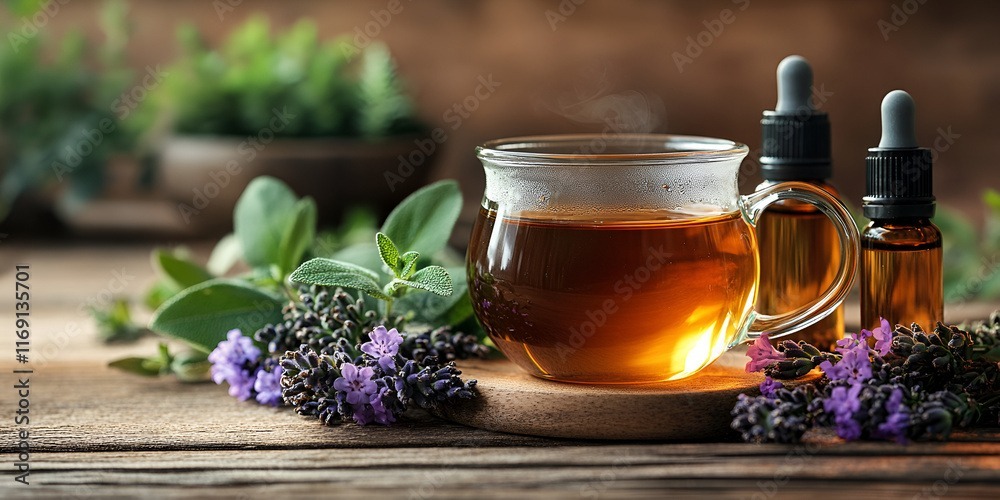
(DISCLAIMER: I am not a doctor, and you should consult your healthcare professional before starting any health regimen.)

Key takeaways
- Ginger, peppermint, chamomile, echinacea, and elderberry are popular teas for cold season support.
- Tea helps most by hydrating, warming the body, and soothing the throat, not by curing infection.
- Caffeine-free teas are often the best choice when you’re sick, especially later in the day.
- Honey may help calm a cough or sore throat, but it should never be given to babies under 1 year old.
- Choose teas based on symptoms, such as ginger for nausea, peppermint for stuffiness, and chamomile for rest.
- If symptoms get worse, last too long, or include trouble breathing, medical care matters more than home remedies.
When cold season hits, a warm mug can feel like a blanket for your throat and chest. Immune-boosting teas won’t cure the common cold, but the right herbs and spices may help support your immune system, calm irritation, ease stuffiness, and keep fluids coming in when you don’t feel like eating much.
That simple comfort matters. Rest, hydration, and symptom care often do more for a cold than people expect. Tea fits into that picture well because it’s warm, easy to sip, and gentle on a tired body.
How immune-boosting teas can help when you have a cold
Tea helps in practical ways. First, it adds fluid, which matters when fever, mouth breathing, or poor appetite leave you dried out. Second, warm tea can settle an irritated throat and make swallowing less painful. Third, steam from a hot mug may help some people feel less blocked up for a little while.
Some herbs also contain plant compounds that may support normal immune function. That sounds promising, but it’s not the same as treating an infection. Think of tea as support crew, not the whole rescue team. It can help your body do its job while you rest and recover.
What tea can do, and what it cannot do
A cold is caused by a virus, and no tea can erase it on contact. Tea may help manage symptoms and support comfort, but it is not a cure for colds, flu, COVID, or other infections.
Tea supports the body during illness, but it doesn’t replace sleep, fluids, or medical care when symptoms turn serious.
That grounded view is worth keeping in mind. Herbal teas work best as part of simple supportive care, not as a stand-alone fix.
Why warm fluids often feel better than cold drinks
Warm fluids tend to feel gentler on sore throat tissue. They can also encourage slow, steady sipping, which makes hydration easier when you feel worn out.
For some people, warmth also helps loosen mucus and reduce that thick, stuck feeling in the nose or chest. It’s a small comfort, but when you’re sick, small comforts add up.
Best teas to drink for cold and immune support
Not every tea fits every symptom. Some warm you up, some calm the stomach, and some are better saved for bedtime. Here are the most useful picks during a cold.
Ginger tea for warmth, nausea, and throat comfort
Ginger tea has a spicy warmth that many people like when they feel chilled or achy. It may help settle mild nausea, which can show up with postnasal drip or a low appetite. Fresh ginger tea is easy to make at home, and the flavor feels bright rather than heavy.
It can also be soothing on a scratchy throat. If you often get stomach discomfort along with congestion, you may also enjoy these digestive teas to soothe your gut.
Echinacea tea for short-term immune support
Echinacea is one of the best-known herbs for cold season. Many people reach for it at the first sign of a sore throat, stuffy nose, or run-down feeling. Research on echinacea is mixed, and any benefit appears modest, but some people feel it helps most when used early and for a short time.
Still, it isn’t right for everyone. People with ragweed allergies may react to it, and those with autoimmune concerns should talk with a healthcare professional before using it.
Elderberry tea for seasonal wellness support
Elderberry has become a favorite during cold months because it fits well into a soothing daily routine. It contains plant pigments called anthocyanins, which have antioxidant activity. That’s one reason elderberry often appears in seasonal wellness blends.
Tea made with elderberry may be a pleasant supportive option, but keep claims realistic. It does not cure illness, and tea strength varies a lot by product and recipe. If you enjoy herbs as part of daily self-care, bedtime options from these herbal teas for anxiety relief can also pair well with rest days.
Peppermint tea to ease stuffiness and help you relax
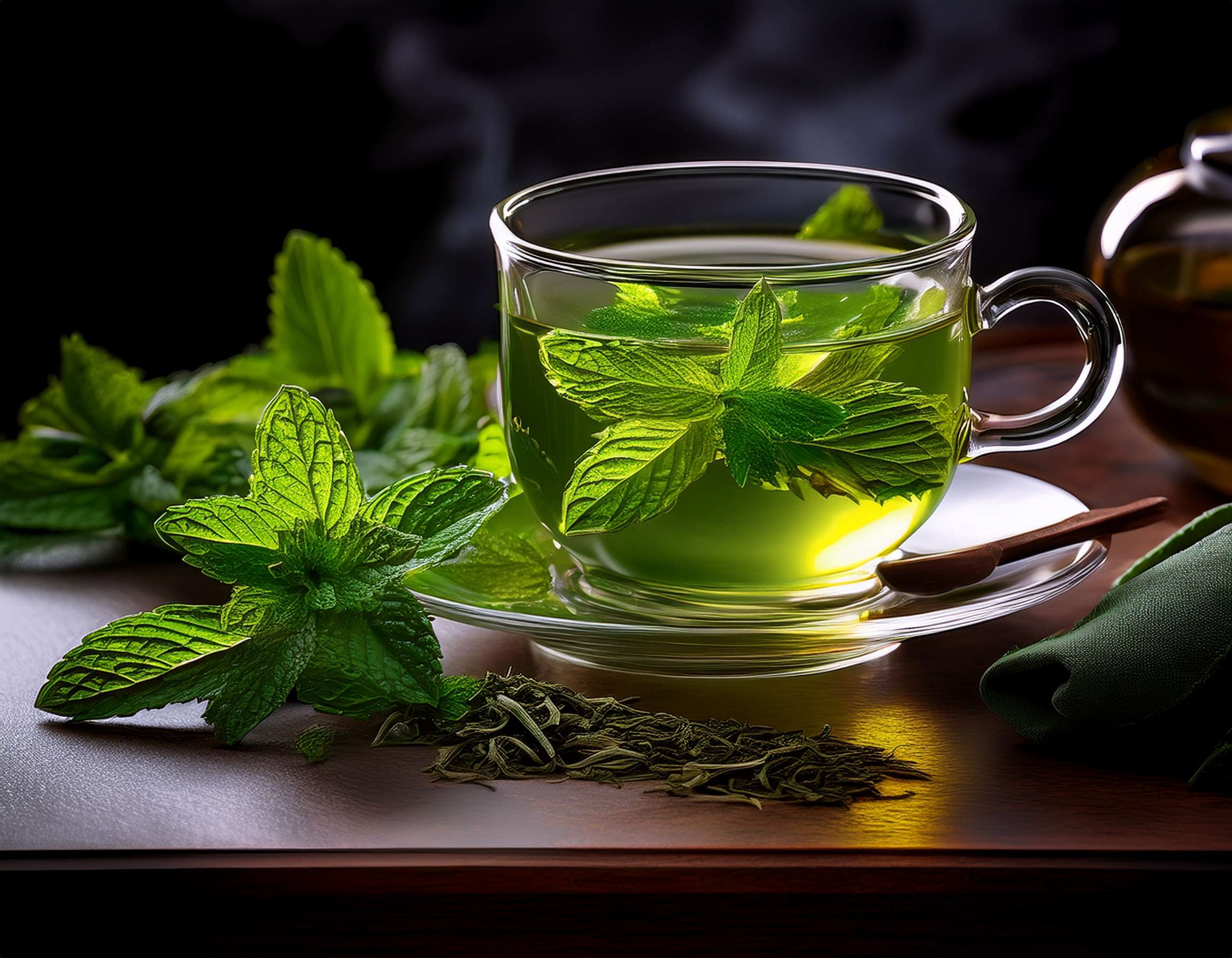
Peppermint tea feels cool even when it’s hot, which is part of its charm. That menthol-like sensation can make breathing feel a bit clearer, even if the effect is mostly temporary. Add the steam from the cup, and it often becomes an easy go-to when you’re congested.
Many people also find peppermint calming. It’s light, familiar, and easy to sip when heavier teas don’t appeal to you. If reflux is an issue, though, peppermint may not be your best choice because it can make symptoms worse for some people.
Chamomile tea when you need rest and recovery
Cold recovery isn’t only about the nose and throat. Sleep matters too, and poor sleep can make everything feel harder. Chamomile shines here because it’s gentle, caffeine-free, and tied to winding down.
A cup at night can help turn down the noise of the day and make rest come easier. That matters because recovery needs quiet, not just remedies. Chamomile also feels soft on the throat, which makes it a smart evening tea when you’re tired and uncomfortable.
How to make your tea work better for cold relief
The tea itself matters, but so does how you drink it. A weak cup sipped once a day won’t do much for comfort. A well-brewed mug, taken when symptoms are bothering you most, often works better.
Try steeping herbal teas long enough to pull out flavor and aroma, usually about 5 to 10 minutes unless the package says otherwise. Covering the cup while it steeps helps hold in heat and volatile oils.
Smart add-ins, honey, lemon, and cinnamon
Honey is one of the best simple add-ins for a cold. It can coat the throat and may ease coughing, especially before bed. Lemon adds brightness and makes plain tea easier to drink when your appetite is low. Cinnamon brings warmth and a fuller flavor to ginger or elderberry blends.
Keep it simple. Too many add-ins can turn a soothing cup into a kitchen project. Also, remember that honey should never be given to babies under 1 year old.
When to drink each tea based on your symptoms
Match the tea to the moment. Ginger fits well when you feel chilled, queasy, or sore. Peppermint often works best during the day when congestion feels annoying and you want something fresh. Chamomile belongs in the evening, when sleep becomes part of the treatment plan.
If rest is the goal, skip caffeinated black or green tea later in the day. Herbal, caffeine-free blends are usually the safer pick when your body needs a real chance to recover.
Tea safety tips and when to call a doctor
Herbal teas may seem harmless because they’re natural, but natural doesn’t always mean risk-free. Some herbs can interact with medicines, trigger allergies, or simply be the wrong fit for certain health conditions.
That doesn’t mean you should avoid them. It just means a little caution goes a long way, especially if you’re pregnant, breastfeeding, treating a chronic illness, or giving herbal tea to a child.
Who should be careful with herbal teas
People on blood thinners should be careful with some herbs and spice-heavy blends. Those with autoimmune conditions should also check before using immune-focused herbs like echinacea. If you have a ragweed allergy, echinacea and chamomile may cause problems for some people.
Children need extra care because herb strength can vary. The same goes for anyone with kidney disease, liver disease, or a long medication list. When in doubt, keep the blend simple and ask a qualified healthcare professional first.
Signs your cold needs medical attention
Home care has limits. Get medical help if you have trouble breathing, chest pain, signs of dehydration, confusion, or a high fever that doesn’t improve. The same is true if symptoms drag on, get worse after seeming better, or feel far more severe than a usual cold.
Pay attention to your body. If something feels off, don’t keep trying tea after tea while hoping for a turnaround. Supportive care is helpful, but it should never delay needed treatment.
A good cup of tea can make a rough day feel softer. Ginger, peppermint, chamomile, echinacea, and elderberry each offer their own kind of support, whether you need warmth, clearer breathing, throat comfort, or better rest. The best approach is simple: choose tea based on your symptoms, stay hydrated, sleep as much as you can, and treat herbal tea as one helpful part of recovery. When your body asks for more than home care, listen to it.
Stay Connected for More Natural Living Inspiration
If you enjoyed this post about herbal wellness and love discovering natural ways to refresh your home and wellness, don’t miss out on future recipes and clean-living tips! Subscribe to the blog for weekly DIYs, wellness inspiration, and herbal remedies delivered straight to your inbox.
Don’t forget to visit my LinkTree for the links to my favorite essential oils, herbal teas, natural recipes, YouTube ambiance videos for sleeping; a project I created to help with insomnia symptoms and the second channel, Rooted in Nature YouTube Channel both channels feature herbal recipes for wellness and home.
Thanks for coming by!

Leave a Reply