
(DISCLAIMER: I am not a doctor, and you should consult your healthcare professional before starting any health regimen.)

Key Takeaways
- Bergamot essential oil has a fresh citrus scent that can make a morning feel brighter, calmer, and more welcoming.
- Diffusers, shower steam, personal inhalers, and linen sprays are simple ways to enjoy the aroma.
- Skin blends need a carrier oil, a patch test, light dilution, and thoughtful sun care.
- FCF bergamot is a practical option for daytime leave-on products.
- Herbal tea can pair nicely with a bergamot morning ritual when you choose herbs that suit your needs.
- Small recipes are easier to repeat, adjust, and fit into a regular routine.
A kitchen at 7 a.m. can feel like its own little weather system. Toast pops, mugs clink, and someone is searching for a missing shoe. A bright citrus scent can soften the edges of that busy start.
Bergamot essential oil has a fresh aroma with a gentle floral note. It feels lively without smelling as sharp as some other citrus oils, which makes it a comfortable choice for breakfast, a home office, or the quiet minutes before the day begins.
This guide shares simple ways to use bergamot essential oil in a diffuser, shower steam, personal inhaler, roll-on, body oil, and room mist. You will also find three easy recipes, including a calming herbal tea to enjoy alongside your morning routine.
Start with a small amount, follow the label, and choose one method that feels easy to repeat. A morning ritual works best when it fits into the life you already have.
What to Know Before Using Bergamot Essential Oil
Bergamot is a citrus oil made from the peel of bergamot oranges. Its scent is often described as fresh, lightly sweet, and softly floral. Many people enjoy it during morning self-care because it brings a clean, cheerful feeling to a room without taking over the entire space.
A diffuser is the simplest place to begin. It allows you to enjoy the aroma without preparing a skin blend, and you can adjust the amount of oil to suit the size of your room. A few drops are usually enough for a short session.
Skin use calls for more care because essential oils are highly concentrated. Mix bergamot with a carrier oil such as jojoba, sweet almond, or fractionated coconut oil. A 10 mL roller bottle with 2 drops of essential oil is a gentle starting point for many adults. A patch test helps you learn how your skin responds before applying the blend to a larger area.
Regular bergamot oil can make treated skin more sensitive to sunlight. Keep the area covered and follow the product’s recommended sun guidance. FCF bergamot, also called bergapten-free bergamot, has the compounds linked to phototoxicity removed and is often selected for daytime leave-on products. Read the bottle carefully because product instructions can vary.
For more guidance, visit these essential oil skin safety tips and this beginner guide to mixing essential oil recipes.
Diffusing is a friendly first step. Skin use works best with dilution, a patch test, and careful sun protection.
Why Bergamot Works Well in the Morning
Morning scents need to do more than smell pleasant. They should fit around breakfast, showers, school drop-off, work, and the other small jobs that fill the first part of the day.
Bergamot has a bright citrus character, while its soft floral note keeps the aroma from feeling too sharp. It pairs well with lavender, sweet orange, cedarwood, frankincense, and a small amount of peppermint.
That balance makes bergamot useful for a morning that needs a little freshness and a calm edge. You can diffuse it while making breakfast, breathe it from a personal inhaler before leaving home, or add a diluted blend to a slow body-care routine.
The best method is the one you will remember. A complicated recipe may smell wonderful once, but a simple blend beside your diffuser or toothbrush is more likely to become part of your week.
Safe Ways to Use Bergamot Around Your Home
Diffusing
Use the amount recommended for your diffuser and room size. A short session of 20 to 30 minutes is a comfortable starting point for many homes. Fresh air and regular breaks help keep the aroma pleasant.
Place the diffuser on a stable surface away from water-sensitive items. Households with children or pets can choose a well-ventilated area and keep the diffuser, oils, and cords out of reach. Animals can respond differently to essential oils, so a veterinarian can offer guidance for pet households.
Shower steam
A damp washcloth can carry the scent into a warm shower. Add 1 or 2 drops of bergamot to the cloth and place it on a shelf where steam can reach it. Keep the essential oil away from direct contact with your skin and away from the shower floor, where it can create a slippery surface.
This method takes less than a minute to prepare. The warm air helps spread the aroma, making it a useful choice for busy mornings.
Personal inhalers
A personal inhaler keeps the aroma close to you. Add the amount recommended for your inhaler wick, often around 5 drops for a small personal inhaler, and take a few relaxed breaths when you want a fresh scent.
This format works well for a commute, office, travel bag, or morning walk. It gives you a personal aroma without scenting the entire room.
Linen and room sprays
A room spray can refresh the air around towels, curtains, yoga mats, or bedding. Essential oils and water separate, so include a suitable dispersing ingredient such as witch hazel or vodka, shake the bottle before each use, and test fabric in a small area first.
Use a light mist and let fabrics dry before placing them against your skin. Keep the bottle stored safely and labeled with the ingredients.
Seven Easy Bergamot Ideas for Your Morning
These ideas are simple enough for a weekday and flexible enough for a slower Saturday. Choose one recipe, try it for several mornings, and adjust the scent gently.
1. Bright Citrus Diffuser Blend
This blend brings together bergamot, sweet orange, and lavender. The result is fresh, lightly sweet, and soft around the edges.
Ingredients
- 3 drops bergamot essential oil
- 2 drops sweet orange essential oil
- 1 drop lavender essential oil
- Water for your diffuser
Instructions
Add water to your diffuser according to the manufacturer’s instructions. Add the essential oils, replace the lid, and run the diffuser for 20 to 30 minutes while you eat breakfast or get dressed. For a crisper aroma, replace the lavender with 1 drop of peppermint essential oil.
Keep the total number of drops modest, especially in a small room. A lighter blend is easier to enjoy for longer.
2. Steamy Bergamot Shower Washcloth
A shower washcloth makes a quick aromatic ritual for mornings when you have very little time.
Ingredients
- 1 or 2 drops bergamot essential oil
- 1 damp washcloth
Instructions
Add the drops to the washcloth and place it on a shower shelf or caddy where warm steam can reach it. Let the aroma rise through the shower, then rinse the cloth and hang it to dry.
Use a fresh washcloth for each shower. The essential oil stays on the cloth rather than directly on your body, which keeps this recipe simple for beginners.
3. Gentle Bergamot Morning Roll-On
This roll-on is a light personal fragrance for covered areas such as the wrists or inner forearms. FCF bergamot is the preferred choice for daytime leave-on blends.
Ingredients
- 2 drops FCF bergamot essential oil
- Jojoba oil or fractionated coconut oil
- One clean 10 mL roller bottle
Instructions
Add the bergamot to the roller bottle, then fill the bottle with your carrier oil. Leave a small amount of space at the top so the blend can move through the roller ball. Close the bottle and roll it gently between your hands to combine the ingredients.
Apply a small amount to your wrists or inner forearms after a patch test. Cover the area with clothing when you plan to spend time outdoors, and follow the label instructions for your particular bergamot oil.
4. Pocket Inhaler for a Fresh Start
A personal inhaler is useful when your morning happens away from home. It fits easily into a purse, desk drawer, or coat pocket.
Add 5 drops of bergamot essential oil to an inhaler wick. Place the wick in the inhaler, close the container, and take a few slow breaths when you want to enjoy the scent. Store the inhaler closed between uses.
A tissue can work for a one-time option. Add 1 drop of bergamot to the tissue, hold it a comfortable distance from your face, and breathe normally.
5. Bergamot Body Oil for a Slow Morning
A body oil can turn a few minutes after a shower into a simple moment of care. FCF bergamot keeps the recipe suitable for daytime use when the product label supports that choice.
Ingredients
- 1 tablespoon jojoba, sweet almond, or fractionated coconut oil
- 2 drops FCF bergamot essential oil
- One small glass bowl
Instructions
Add the carrier oil and essential oil to the bowl, then stir with a clean spoon. Massage a small amount onto your shoulders, arms, or legs after patch testing. Allow the oil to absorb before getting dressed.
This blend is best used on skin that feels comfortable with the ingredients. Store any extra oil in a labeled, dark glass container and use it according to the carrier oil’s shelf life.
6. Bergamot Linen and Room Spray
This spray adds a light citrus scent to linens, towels, and the air around your morning stretch.
Ingredients
- 2 ounces distilled water
- 1 teaspoon witch hazel or vodka
- 4 drops bergamot essential oil
- 2 drops lavender or sweet orange essential oil
- One 2-ounce glass spray bottle
Instructions
Pour the distilled water and witch hazel or vodka into the spray bottle. Add the essential oils, close the bottle, and shake well. Shake again before each use because the ingredients can separate between sprays.
Mist the air, a yoga mat, or a small fabric section from a short distance. Test a hidden area before spraying light-colored linens, and allow the fabric to dry fully before use.
7. Bergamot Morning Herbal Tea Pairing
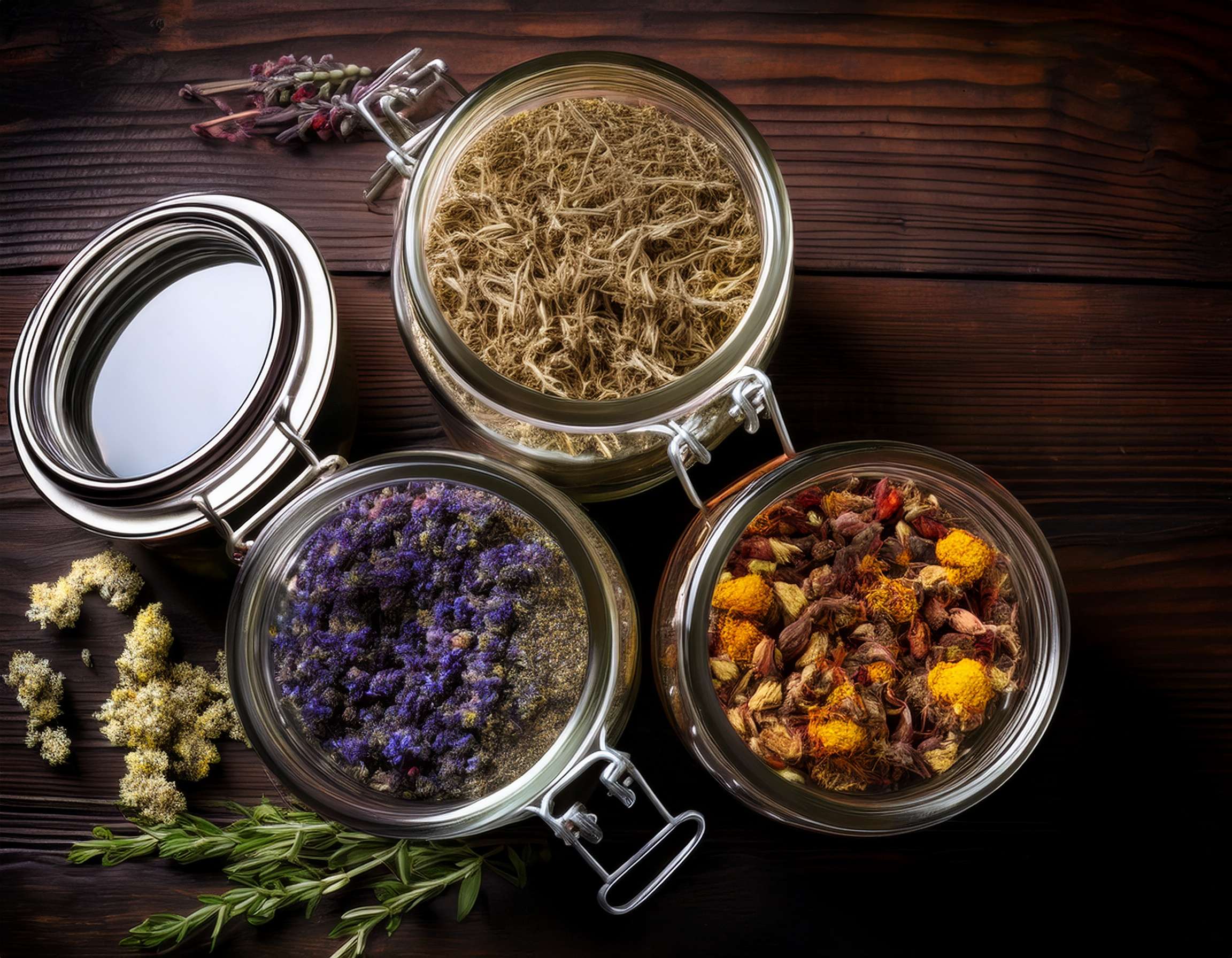
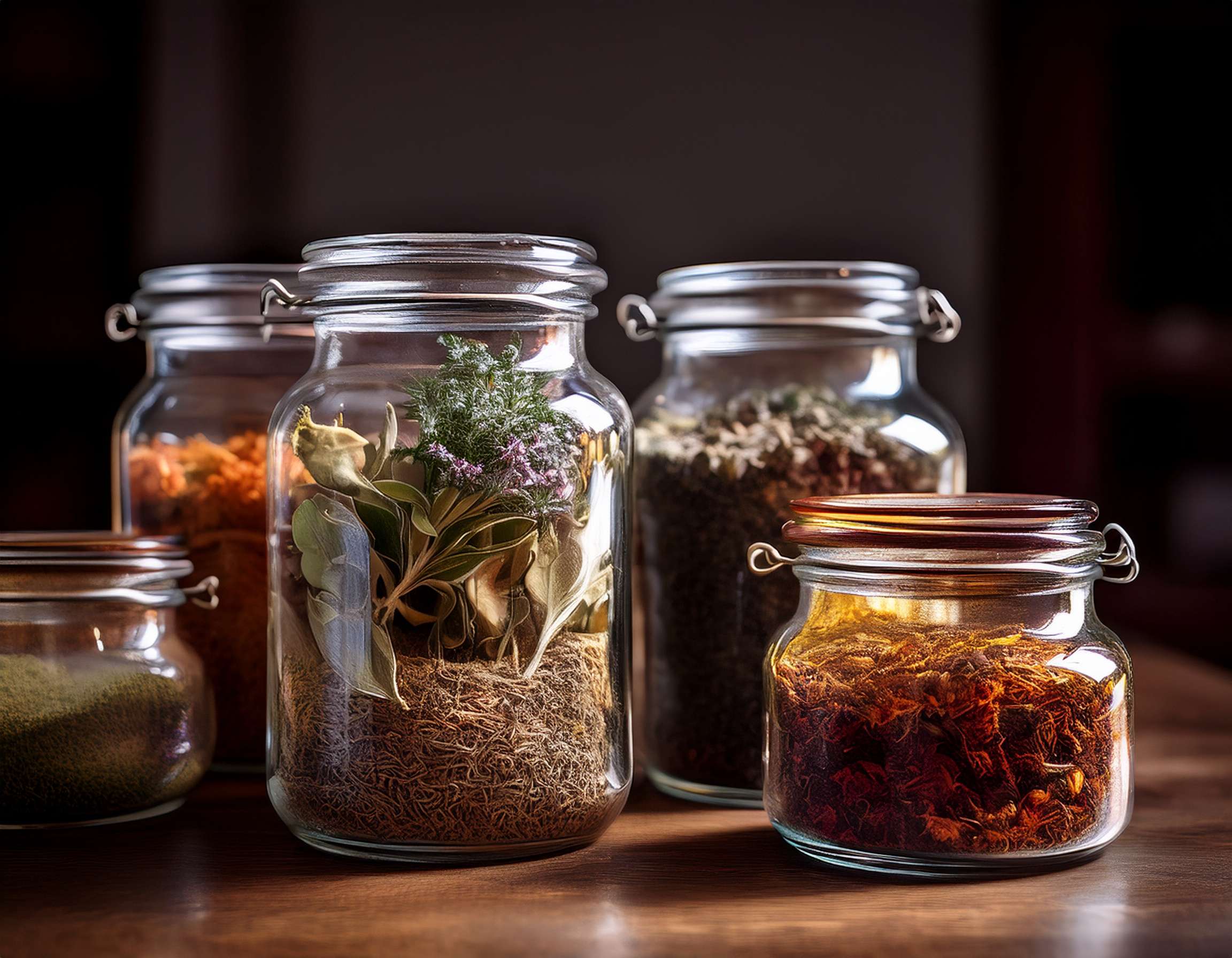
Bergamot essential oil is best enjoyed through scent unless a product is clearly made for internal use and a qualified professional has guided you. A cup of herbal tea gives you a separate, gentle way to add warmth to the same morning ritual.
Lemon balm, chamomile, and orange peel make a soft, citrusy blend. Use herbs from a clean, reputable source, read the package directions, and select herbs that fit your personal needs.
Ingredients
- 1 teaspoon dried lemon balm
- 1 teaspoon dried chamomile flowers
- 1/2 teaspoon dried orange peel
- 10 ounces hot water
- Honey, optional
Instructions
Place the herbs in a tea infuser or heat-safe teapot. Pour the hot water over the herbs and steep for 5 to 7 minutes. Strain the tea, add honey if desired, and enjoy it while a bergamot diffuser runs nearby.
Herbal teas can interact with medications or may not suit every stage of pregnancy and every health condition. A healthcare professional or qualified herbal practitioner can help you choose herbs with confidence.
How to Create a Bergamot Routine You Will Use
Begin with the easiest method for your schedule. A diffuser may suit busy weekdays, while a body oil or herbal tea may feel better on mornings when you have more time.
Keep your supplies where you already look. A diffuser near the coffee maker, a personal inhaler beside your keys, or a tea blend near your kettle creates a natural reminder. Store essential oils in a cool, dark place with the caps closed tightly.
It can also help to connect the aroma with one small habit. Diffuse bergamot while writing a short to-do list. Use the inhaler before your morning walk. Sip herbal tea while sitting near a sunny window. The scent becomes a gentle cue for the rhythm you want to begin.
A useful routine doesn’t need many steps. One blend, one cup of tea, or one quiet pause can be enough.
Common Bergamot Essential Oil Mistakes to Avoid
A light hand usually works best with bergamot. Strong citrus scents can fill a room quickly, so start with fewer drops and add more only when the aroma feels too faint.
Skin blends need accurate measurements. Use a clean roller bottle, measure the drops, dilute with a carrier oil, and patch test before regular use. FCF bergamot is the practical daytime option for leave-on products, while regular bergamot calls for extra sun care.
Simple blends are easier to understand and adjust. Bergamot with lavender creates a softer aroma. Bergamot with sweet orange gives you a sweeter citrus blend. Bergamot with a small amount of peppermint feels cooler and brighter. One or two supporting oils are plenty for a beginner recipe.
Labels matter, too. Check the botanical name, extraction details, recommended uses, and storage instructions. Keep essential oils in their original containers or in clearly labeled bottles.
Frequently Asked Questions
What does bergamot essential oil smell like?
Bergamot has a fresh citrus aroma with sweet, green, and lightly floral notes. It is often softer than lemon and less intense than peppermint, which makes it comfortable for many morning routines.
Can I use bergamot essential oil directly on my skin?
Essential oils are best diluted in a carrier oil before skin application. A patch test helps you check your personal response. Follow the product label and choose a dilution that suits the intended area.
Is bergamot essential oil safe for daytime use?
FCF bergamot is commonly chosen for daytime leave-on products because the compounds associated with phototoxicity have been removed. Regular bergamot requires careful sun protection on treated skin. Read the label and keep the area covered according to the product guidance.
How many drops should I put in my diffuser?
Follow your diffuser’s instructions and begin with a small amount. For many home diffusers, 3 to 6 total drops are enough for a short session, though room size and diffuser design affect the scent.
Can I add bergamot essential oil to herbal tea?
Use bergamot essential oil for aroma unless the product is labeled for internal use and a qualified professional has provided specific guidance. For tea, choose dried herbs, tea leaves, or a prepared blend intended for drinking. A lemon balm, chamomile, and orange peel tea pairs well with a bergamot diffuser.
Can I mix bergamot with lavender?
Yes. Bergamot and lavender create a soft, clean blend that works well in a diffuser, personal inhaler, or properly diluted skin recipe. Start with a small number of drops and adjust one drop at a time.
How should I store bergamot essential oil?
Keep the bottle tightly closed in a cool, dark place away from heat and direct sunlight. Store essential oils away from children and pets, and label any homemade blends with the ingredients and date.
Which carrier oil works best with bergamot?
Jojoba, sweet almond, and fractionated coconut oil are all useful choices. Jojoba has a light feel and works well for roll-ons, while fractionated coconut oil absorbs easily and stays liquid at room temperature. Choose the oil that feels comfortable on your skin.
A Simple Way to Begin
Bergamot essential oil can bring a fresh, welcoming note to ordinary morning moments. Use it in a diffuser while breakfast is cooking, add it to a steamy washcloth, or prepare a gentle FCF bergamot roll-on for covered skin.
Pair the scent with a warm cup of herbal tea, a short stretch, or a few lines in your journal. Keep the recipe small, the directions clear, and the safety steps part of the routine. A little consistency can make the morning feel more settled without adding another complicated task.
Stay Connected for More Natural Living Inspiration
If you enjoyed this post about herbal wellness and love discovering natural ways to refresh your home and wellness, don’t miss out on future recipes and clean-living tips! Subscribe to the blog for weekly DIYs, wellness inspiration, and herbal remedies delivered straight to your inbox.
Don’t forget to visit my Amazon storefront for the links to my favorite essential oils, herbal teas, and natural recipes. I also create YouTube ambiance videos for sleeping; a channel I created to help people who have trouble sleeping. The link to all social media content is here.
Thanks for coming by!

Leave a Reply