(DISCLAIMER: I am not a doctor, and you should consult your healthcare professional before starting any health regimen.)

Key Takeaways:
- Ho Wood smells like soft wood with a light floral finish, not sharp or heavy.
- People use it to set a calmer mood, support simple skin routines (when diluted), and freshen stale rooms.
- Ho Wood is not the same as Ho Leaf, and it’s not the same as camphor oil.
- Safe use matters: dilute for skin, go light in a diffuser, and patch test.
Some days you want calm, but you don’t want your whole house to smell like a perfume counter. You want something soft, clean, and easy to live with.
That’s where Ho Wood essential oil comes in. Ho Wood (Cinnamomum camphora ct. linalool) is often picked for its gentle woodsy-floral scent and its naturally high linalool content. It can be a comforting part of a routine, but it’s not a cure for anything, and results vary from person to person.
What Ho Wood oil is, what it smells like, and why people love it
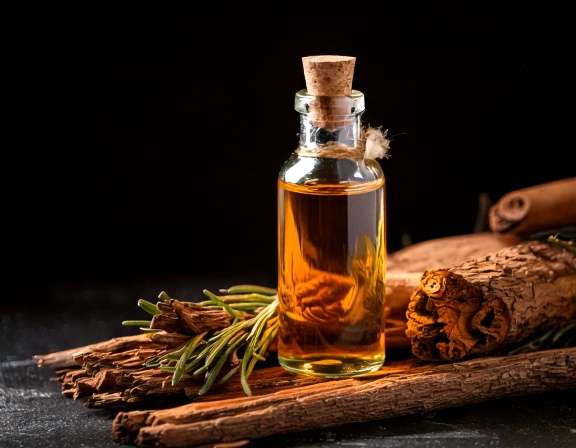
Ho Wood essential oil is usually steam-distilled from the wood and twigs of the Ho tree (Cinnamomum camphora), specifically the linalool chemotype (ct. linalool). Steam distillation matters because it captures the aromatic compounds without needing harsh solvents.
So what does it smell like? Think clean, soft wood, with a quiet floral note that feels a bit like fresh laundry that dried indoors (in a good way). It’s often compared to rosewood because both can share a similar “smooth, rosy-wood” vibe due to overlapping aroma compounds, including linalool. Many people also see Ho Wood as a more sustainable choice than true rosewood, which has faced serious overharvesting issues in the past.
A quick safety clarity point: Ho Wood is different from “Ho Leaf,” and it’s also not the same thing as camphor essential oil (which is usually high in camphor and can be much more intense). Ho Wood ct. linalool tends to feel gentler in aromatherapy, which is why it shows up in wind-down blends and simple body care.
Ho Wood vs rosewood, Ho Leaf, and camphor oil: don’t mix these up
If you’ve ever searched for Ho Wood online, you’ve probably seen a confusing mix of names. Here’s how to avoid buying the wrong bottle.
Use these quick checkpoints on a product listing:
- Look for the botanical name: Cinnamomum camphora.
- Look for the chemotype: ct. linalool (this is the “Ho Wood” vibe most people want).
- Check the plant part: “wood” or “wood and twigs” for Ho Wood, “leaf” for Ho Leaf.
- Avoid vague labels: “camphor oil” without a chemotype can mean a very different scent and feel.
Top Ho Wood essential oil benefits for mood, skin, and everyday comfort
Ho Wood isn’t the loudest oil in the room. That’s the point. It’s the kind of scent that sits close, smooths the edges of a busy day, and makes a space feel more welcoming.
Most people use Ho Wood in three practical ways:
- In a diffuser for a calmer atmosphere
- In a personal inhaler for on-the-go comfort
- Diluted in a carrier oil for body care or a light self-massage
It also blends easily. If you’ve ever tried to balance a mix that’s too sharp (too much citrus) or too sweet (too much vanilla-like resin), Ho Wood can act like a “soft sweater” note that pulls it together.
A calmer vibe: why Ho Wood is a go-to oil for stress and winding down
Ho Wood is a popular choice when you want your space to feel calmer without smelling like a spa that overdid it. Since it’s high in linalool, many people find it fits nicely into evening routines and quiet-focus moments.
Simple, real-life ways to use it:
- Post-work reset: diffuse Ho Wood for 20 to 30 minutes while you change clothes and make dinner.
- Evening wind-down: add it to a warm shower routine by diffusing nearby (not in the shower water).
- Before-bed routine: a few drops in the diffuser while you read can set a softer tone.
Two blend ideas that tend to smell great:
- Ho Wood + lavender + frankincense (soft, steady, and cozy)
- Ho Wood + bergamot + lavender (bright but still gentle)
Note: if you use bergamot, look for bergapten-free (FCF) or use it in a diffuser only. Some citrus oils can increase sun sensitivity when applied to skin.
For more diffuser inspiration beyond calming blends, check out this Natural diffuser mix for seasonal allergies.
Skin-friendly support when diluted, plus why it’s popular in DIY body care
A lot of people like Ho Wood in body care because the scent is mild and the oil is often well-tolerated when properly diluted. It can make a basic, unscented lotion feel more personal without turning it into a strong fragrance.
Keep dilution simple:
- Face products: aim for about 0.5 to 1 percent dilution (lower is better for sensitive skin).
- Body products: about 1 to 2 percent is a common range for daily use.
Easy DIY ideas (always diluted):
- A light body oil after a shower (carrier oil + a few drops of Ho Wood)
- An unscented lotion upgrade (mix a pre-diluted blend into a small amount of lotion)
- Bath salt add-in (blend the essential oil into a carrier oil first, then mix into salts so it disperses better)
Quick reminders that save skin:
- Patch test on your inner arm first.
- Avoid eyes, lips, and other sensitive areas.
- Don’t apply essential oils neat (undiluted), even if the oil seems “gentle.”
A natural deodorizer for musty rooms and “stale air” days
Ho Wood is great for freshening the smell of a room, especially when the air feels stale after cooking, rainy days, or closed windows. This is about deodorizing, not disinfecting.
Two easy ways to use it:
Diffuser combo for “clean air” vibes
- Ho Wood + lemon + a touch of eucalyptus
- Run it in short cycles so the scent doesn’t get overwhelming
Simple linen spray concept
- Use distilled water, plus a solubilizer made for essential oils, or a small amount of high-proof alcohol to help it mix.
- Add Ho Wood (and maybe lavender), shake well each time, and test on fabric in a hidden spot first.
Oils can stain fabric, and pets can be sensitive to strong scents. Use fewer drops, keep air moving, and give animals a scent-free space.
If laundry odors are your biggest battle, this guide on Natural laundry deodorizer with essential oils is a helpful next read.
How to use Ho Wood oil safely (diffuser, topical, and blends that actually smell good)
Ho Wood is easy to use, but it’s still a concentrated essential oil. A little goes a long way.
General safety basics:
- Don’t ingest essential oils.
- Keep away from eyes and sensitive areas.
- Be extra cautious with kids, pregnancy, asthma, and pets.
- If you take medications or have ongoing health issues, check with a qualified professional before regular use.
Diffuser and inhaler basics: how much to use without overdoing it
Start low. You can always add a drop, but you can’t take it back.
A broad, beginner-friendly range:
- Small room or desk diffuser: 2 to 4 drops total
- Medium room: 4 to 6 drops total
- Large open space: 6 to 8 drops total (often less is still enough)
Try timing that feels breathable:
- Diffuse for 20 to 30 minutes, then take a break.
Blend profiles that tend to work:
- Calm floral-wood: Ho Wood + lavender + frankincense
- Spa clean: Ho Wood + eucalyptus + lemon
- Cozy bedtime: Ho Wood + cedarwood + lavender
For a personal inhaler, keep it even simpler. Ho Wood plus one supporting oil is plenty.
Topical use made simple: carrier oils, dilution, and patch testing
Good carriers for Ho Wood include jojoba, sweet almond, and fractionated coconut oil. They’re easy to find and feel nice on skin.
Clear dilution guidance:
- 1 percent is a good starting point for face or sensitive skin.
- 2 percent is common for body oils and massage blends.
Patch test steps:
- Apply a tiny amount of your diluted blend to the inner forearm.
- Wait 24 hours.
- Stop if you notice burning, itching, hives, or a spreading rash.
Where people often apply diluted blends:
- Wrists
- Chest (lightly)
- Back of neck
Where not to apply:
- Eyes and eyelids
- Inside the nose
- Lips and other mucous areas
- Broken or irritated skin
If you’re building a small home collection and want a simple safety-first approach, this post on Essential oils for a natural first aid kit is a practical add-on.
Buying tips and storage: how to choose a good Ho Wood essential oil
A good Ho Wood oil should smell soft and clean, not harsh, chemically, or “perfume-y.” Quality also affects how it feels on skin and how it performs in blends.
What the label should say (botanical name, chemotype, and purity cues)
Look for:
- Cinnamomum camphora
- ct. linalool (this is a big one for Ho Wood)
- The plant part (wood or twigs)
- Country of origin, batch number, and clear brand contact info
If a brand offers third-party testing or GC/MS reports, that’s a plus for transparency. Also, avoid “fragrance oil” if you’re shopping for true essential oil benefits. Fragrance oils can smell nice, but they’re not the same product.
Shelf life and storage habits that keep the scent from fading
Store Ho Wood like you’d store good spices:
- Dark glass bottle
- Cool, dry place
- Cap on tight after each use
- Away from direct sun and heat
Many essential oils stay pleasant for a few years when stored well, but oxidation can happen over time. If the scent changes a lot, or if you suddenly get skin irritation from a blend you used to tolerate, it might be time to replace it. A simple habit that helps is writing the date you opened the bottle on the label.
Conclusion
Ho Wood is a steady favorite for a reason: it smells calm, it fits into gentle DIY body care, and it can freshen a room without taking over. Keep your expectations realistic, and treat it like the concentrated plant product it is.
A simple first step: pick one method, either a short diffuser session or a diluted body oil after a shower. Start with fewer drops than you think you need, and always patch test. Do you like woodsy oils, or do you lean more floral?
Stay Connected for More Natural Living Inspiration
If you enjoyed this post about herbal wellness and love discovering natural ways to refresh your home and wellness, don’t miss out on future recipes and clean-living tips! Subscribe to the blog for weekly DIYs, wellness inspiration, and herbal remedies delivered straight to your inbox.
Don’t forget to visit my Amazon storefront for the links to my favorite essential oils, herbal teas, and natural recipes. I also create YouTube ambiance videos for sleeping; a channel I created to help people who have trouble sleeping. The link to all social media content is here.
Thanks for coming by!


Leave a Reply