
(DISCLAIMER: I am not a doctor, and you should consult your healthcare professional before starting any health regimen.)

Herbal tea has won hearts worldwide for its soothing flavors and gentle support of body and mind. With roots in countless cultures, herbal teas are more than just drinks, they’re wellness rituals. This beginner-friendly guide breaks down herbal tea benefits, simple techniques for how to make herbal tea, and the basics of blending and brewing. Get ready to discover why herbal tea is one of the most accessible, natural, and satisfying paths to better well-being.
Understanding Herbal Tea: Origins, Types, and Health Benefits
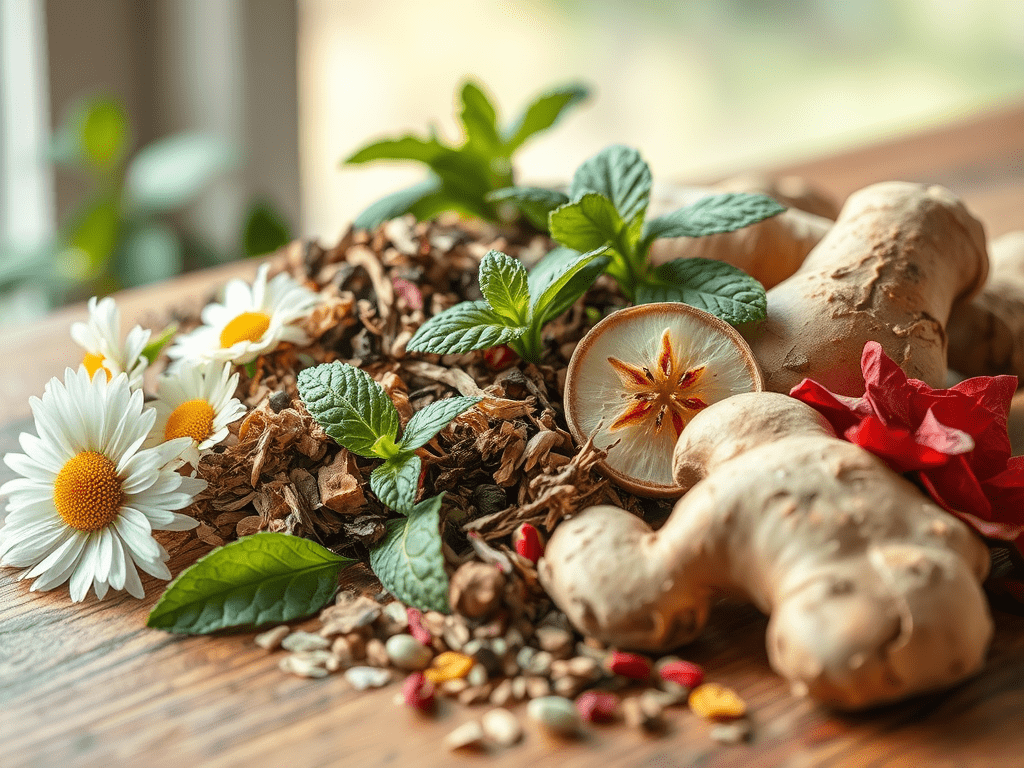
Herbal tea stands apart from black, green, and oolong teas because it’s made from herbs, not actual tea leaves. Instead, you’ll find petals, roots, spices, bark, and seeds, each with unique flavors and wellness properties. For many, herbal tea offers a gentle escape, a warming cup that comforts and heals, without the caffeine jitters.
Herbal tea is often brewed for both taste and health. Many blends promote calm, support digestion, and help your body manage stress. If you’re searching for a natural way to unwind, herbal teas may help. Some of the most popular blends are trusted by generations and backed by recent research.
Learn more about the power of soothing herbal teas for anxiety if you want a calming cup that works fast.
What Counts as Herbal Tea?
Herbal tea (also called a tisane) includes any infusion of dried flowers, herbs, spices, or fruits, no actual tea leaves required. Many are known for being naturally caffeine-free, making them ideal for any time of day.
Common herbal tea ingredients:
- Chamomile: Famous for its gentle, floral taste and relaxing effects.
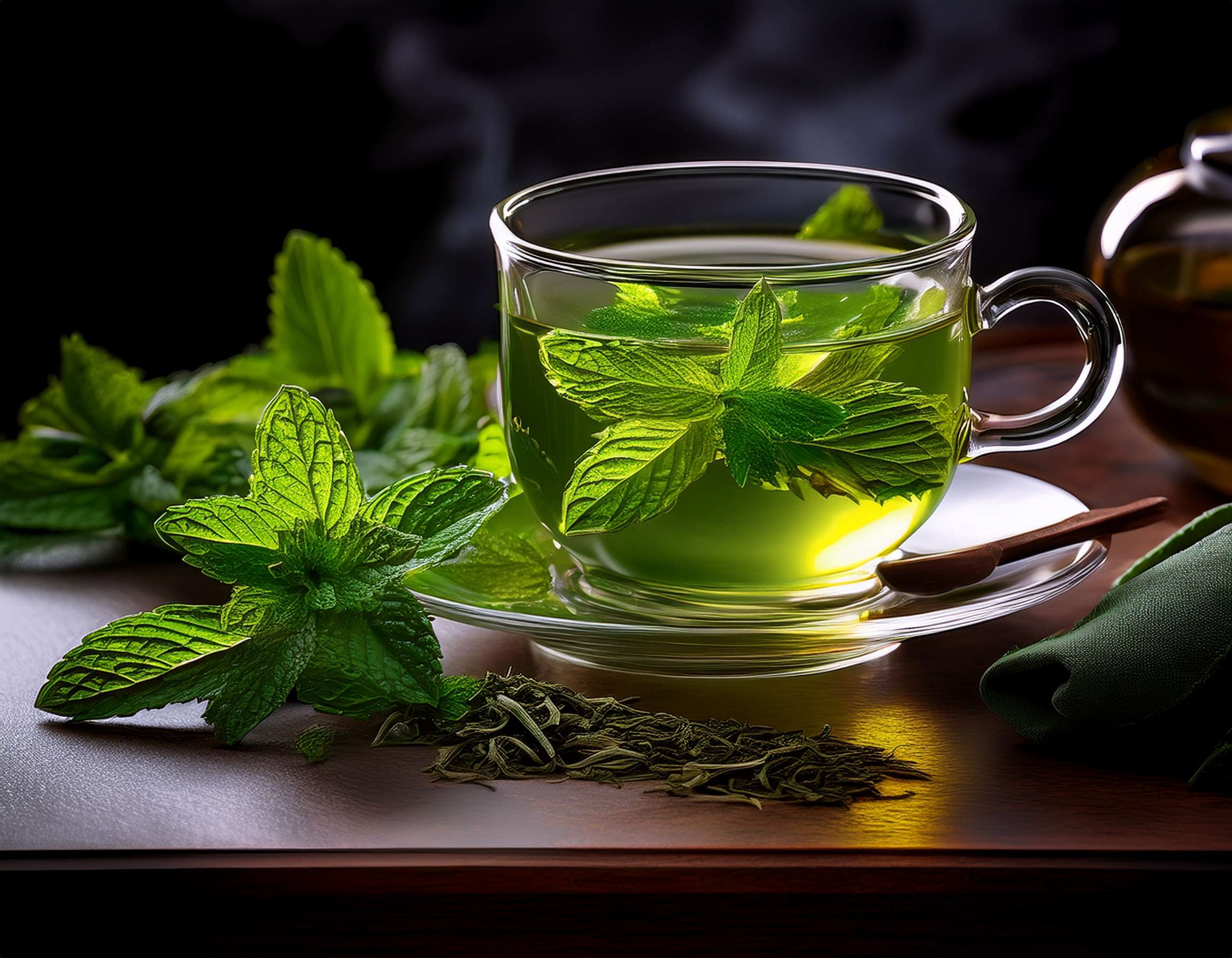
- Peppermint: Cools and refreshes, perfect after meals.
- Ginger: Adds heat and helps the stomach.
- Rooibos: Sweet, red, and loaded with antioxidants.
- Hibiscus: Tart, bold, and rich in vitamin C.
The world of herbal tisanes is nearly endless if you can steep it and it isn’t a tea leaf, chances are it’s an herbal tea.
Top Herbal Tea Benefits for Beginners
Many reach for herbal tea to help their bodies feel better, naturally. Here are three beginner-friendly benefits:
- Calming the Mind: Herbs like chamomile, passionflower, and lemon balm ease tension. For those swamped by stress or looking to relax before bed, these teas are gentle helpers.
- Digestive Support: Feeling bloated or uneasy after eating? Herbal teas like ginger and peppermint promote smoother digestion. Discover more about Peppermint Ginger Tea Benefits for real tummy relief.
- Immune Support: Many classic blends contain vitamin C, antioxidants, or anti-inflammatory compounds. Elderberry or hibiscus tea can give your immune system a gentle nudge.
With so many herbal tea benefits, it’s easy to see why beginners and seasoned fans alike keep coming back for another cup.
Blending & Brewing: How to Make Herbal Tea at Home
Making herbal tea at home is simple and rewarding. Imagine picking your own herbs, mixing flowers with spices, and sipping a blend you created yourself. Anyone can do it, and you don’t need fancy equipment or hard-to-find ingredients. Here’s how to get started.
Choosing the Right Ingredients and Equipment
Quality starts with your herbs. Seek out organic, dried herbs or petals, look for bright colors and strong scents. Steer clear of dust or faded batches. Many grocery stores offer affordable starter blends. Farmers markets and specialty shops provide even more options.
What you’ll need:
- A kettle for boiling water
- Infuser, tea ball, or reusable tea bags
- Your favorite mug
If you’re just starting, begin with ready-made blends. Green tea with rose petals or simple peppermint-ginger mixes are beginner favorites and easy to tweak.
Step-by-Step Guide: How to Make Herbal Tea
Brewing is easy and gives you plenty of room to experiment with flavor and strength. Here’s a simple process for the perfect cup:
- Pick Your Herbs: Use about 1-2 teaspoons of dried herbs (or 1 tablespoon of fresh) for each cup.
- Boil Fresh Water: Heat water until it’s just boiling. (Herbal teas generally tolerate hotter water than green or black teas.)
- Combine Herbs and Water: Place herbs in your mug or infuser. Pour the hot water directly over them.
- Steep: Let the herbs sit for 5–7 minutes. Longer steeping = stronger flavor and potential benefits.
- Strain and Serve: Remove the herbs (or your infuser), and enjoy. Add honey, lemon, or a splash of juice if you wish.
If you’re brewing a blend with green tea leaves (like the Green Tea Rose Petal Blend), use water a bit below boiling (about 175°F) and steep for 2–3 minutes to avoid bitterness.
Beginner-Friendly Herbal Tea Blends to Try
Ready to try something new? These homemade blends are easy for “tea for beginners” and packed with herbal tea benefits:
- Green Tea Rose Petal Blend: A floral twist on classic green tea. Antioxidant-rich and calming. Find the recipe at Green Tea Rose Petal Blend.
- Peppermint Ginger Digestive Tea: This duo soothes the stomach and sharpens the senses. Try the comforting steps at Peppermint Ginger Digestive Tea.
Don’t be afraid to experiment. Mix equal parts chamomile and lavender for a bedtime cup, or blend hibiscus with orange peel for a tart, vitamin-packed brew.
Conclusion
Herbal tea offers a simple, accessible way to support your well-being, one cup at a time. It’s easy to start, gives you endless options for blending and brewing, and rewards you every day with calming, natural flavors. Use this guide as your starting point for exploring herbal tea benefits, new blends, and smart brewing tips.
Whether you’re sipping to relax, soothe your stomach, or just enjoy a flavorful break, herbal tea keeps things natural and friendly for beginners. If you’re hungry for more beginner tips and wellness content, see what’s new here weeklyand keep your tea journey going strong.
Stay Connected for More Natural Living Inspiration
If you enjoyed this post about herbal tea blend recipes and love discovering natural ways to refresh your home and wellness, don’t miss out on future recipes and clean-living tips! Subscribe to the blog for weekly DIYs, wellness inspiration, and herbal remedies delivered straight to your inbox.
Stay in the know, tap here to purchase the essential oils mentioned in this post, explore new essential oil products, herbal tea blends, and more.
Thanks for coming by!

Leave a Reply